


Feeling tired after a busy day, a poor night’s sleep or a demanding workout is normal. But fatigue is different. It can feel like your energy has been drained even after resting, making it difficult to concentrate, work, exercise or enjoy everyday activities.
Fatigue is a common symptom rather than a disease by itself. It can be linked to something as simple as inadequate sleep, dehydration or an inactive lifestyle, but it can also occur with conditions such as anaemia, thyroid disorders, diabetes, infections, depression and sleep disorders.
The important question is not simply, “How do I get more energy?” It is also, “Why am I feeling fatigued?”
Understanding the possible cause is the first step towards effective treatment.
What is fatigue?
Fatigue is a persistent feeling of physical, mental or emotional exhaustion. You may feel that you have very little energy or motivation, and ordinary tasks may require considerably more effort than usual.
Unlike ordinary sleepiness, fatigue does not always disappear after a nap or a full night’s sleep. You may wake up feeling unrefreshed or find that your concentration, motivation and physical stamina are lower than usual.
Fatigue can affect:
- Physical energy and strength
- Concentration and memory
- Motivation
- Mood
- Exercise tolerance
- Work and daily activities
There is also a difference between fatigue and sleepiness. Sleepiness means you feel an urge to fall asleep, whereas fatigue is more often a lack of physical or mental energy. The two can occur together, particularly when sleep quality is poor.
What does fatigue mean?
In simple terms, fatigue means feeling unusually tired, weak or lacking energy.
Everyone experiences temporary tiredness. Fatigue becomes more important when it is persistent, unexplained, severe or interfering with everyday life.
For example, you might notice that:
- Climbing stairs feels harder than usual.
- You struggle to concentrate at work.
- You have little motivation to exercise.
- You feel exhausted despite sleeping.
- Small household tasks feel unusually demanding.
- You are irritable or mentally drained.
Fatigue can be physical, mental or a combination of both.
What are the common causes of fatigue?
There isn’t one universal cause. Fatigue can result from lifestyle factors, psychological stress, medications, sleep problems or an underlying medical condition.
Lack of sleep or poor-quality sleep
Not getting enough sleep is one of the most obvious reasons for feeling tired. However, sleep quality matters too. Insomnia, obstructive sleep apnoea, shift work and other sleep disorders can leave you tired even if you spend enough time in bed.
Stress and emotional exhaustion
Long-lasting stress can be physically and mentally draining. When stress continues for a prolonged period, people may experience emotional exhaustion, difficulty concentrating, irritability and low energy.
Anaemia and nutritional deficiencies
Iron-deficiency anaemia is a particularly important cause of tiredness. Vitamin B12 and vitamin D deficiencies may also contribute to fatigue in some people.
Thyroid disorders
Both underactive and overactive thyroid conditions can be associated with tiredness or low energy. Other symptoms may provide clues, such as changes in weight, heart rate, temperature tolerance, mood or muscle strength.
Diabetes
Fatigue can occur with diabetes, particularly when blood glucose is not well controlled. Increased thirst, frequent urination and unexplained weight loss alongside tiredness warrant medical assessment.
Infections
Viral and bacterial infections can cause fatigue during the illness and sometimes during recovery. Flu, COVID-19 and several other infections can leave people feeling tired for days or longer.
Depression and anxiety
Fatigue can be an important symptom of depression. It may occur alongside persistent low mood, loss of interest, changes in sleep, difficulty concentrating or reduced motivation. Anxiety and prolonged emotional distress can also contribute to exhaustion.
Medications
Some medicines can cause tiredness or drowsiness as a side effect. These include certain antihistamines, sedatives, antidepressants and other medicines. If you suspect a medication is contributing to fatigue, speak with your doctor rather than stopping a prescribed medicine yourself.
What are five symptoms of fatigue?
Five common symptoms include:
- Persistent tiredness or exhaustion
- Low energy or reduced physical stamina
- Difficulty concentrating or thinking clearly
- Low motivation
- Feeling unrefreshed after sleep or rest
Other symptoms can include irritability, headaches, muscle weakness, aching muscles and daytime drowsiness.
What are three signs of fatigue?
Three particularly noticeable signs are:
- You struggle to complete normal activities that previously felt manageable.
- You have difficulty concentrating or staying mentally alert.
- Rest does not make you feel properly refreshed.
If these symptoms continue rather than improving after adequate sleep and recovery, it is worth considering whether there is an underlying cause.
Can stress cause fatigue?
Yes. Stress can cause fatigue.
Short-term stress may temporarily increase alertness, but prolonged or severe stress can contribute to physical, mental and emotional exhaustion. It can also interfere with sleep, appetite, physical activity and other behaviours that influence energy levels.
Managing stress may therefore be an important part of improving fatigue. Relaxation techniques, regular physical activity, adequate sleep, social support and professional psychological support may all be useful depending on the situation.
Can depression cause fatigue?
Yes. Fatigue is a common symptom of depression.
Someone experiencing depression may feel physically exhausted, mentally slowed down or unable to motivate themselves to do things they previously enjoyed. Sleep may also change, with some people sleeping too little and others sleeping excessively.
Fatigue should not automatically be attributed to depression, however. Physical conditions can produce similar symptoms. A healthcare professional can help distinguish between possible causes.
How much fatigue is normal?
Occasional tiredness is normal.
For example, it is reasonable to feel fatigued after:
- A particularly demanding day
- Several nights of inadequate sleep
- Intense physical exercise
- Travel or jet lag
- A short-term illness
- Temporary emotional stress
There is no single number of hours or days that defines “normal” fatigue for everyone. The more useful question is whether the tiredness is persistent, unexplained, worsening or interfering with normal life.
If you have been feeling tired for several weeks without an obvious explanation, or fatigue is affecting work, exercise or daily activities, it is sensible to speak with a doctor.
How to remove fatigue
There is no single way to “remove” fatigue because treatment depends on its cause.
For lifestyle-related fatigue, start with the basics:
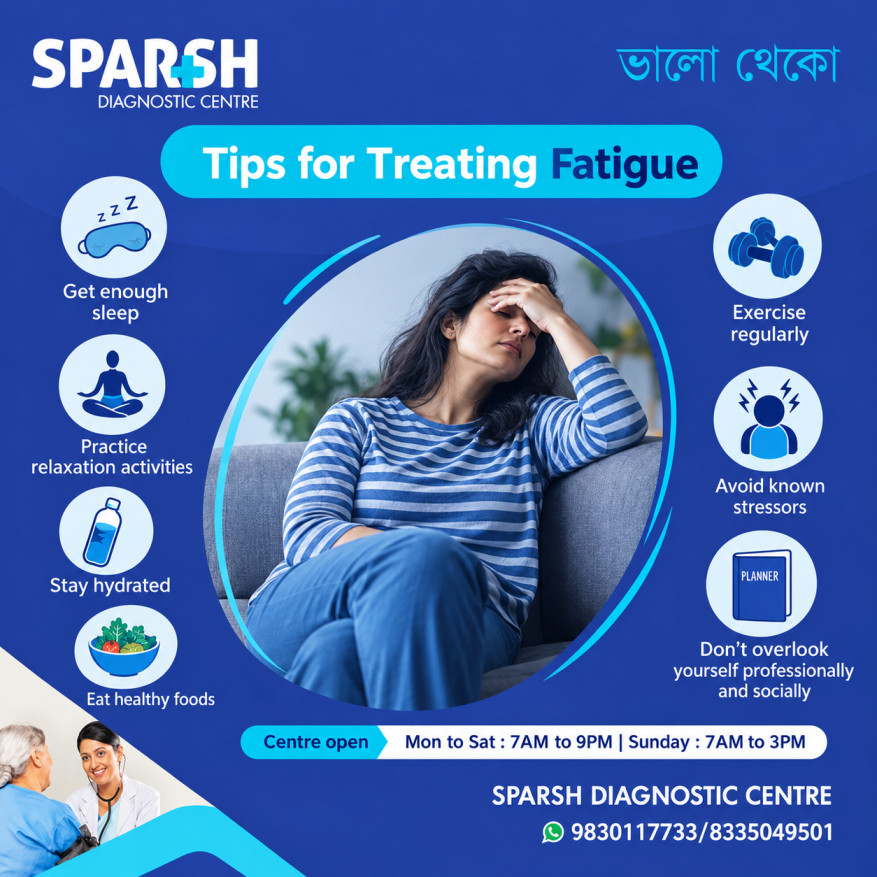
Prioritise sleep
Aim for a consistent sleep and wake schedule. Most adults need around 7–9 hours of sleep, although individual requirements vary.
Stay hydrated
Even mild dehydration can contribute to tiredness and reduced physical performance. Drink fluids regularly, particularly during hot weather or after exercise.
Eat balanced meals
Regular meals containing protein, whole grains, vegetables, fruits and healthy fats can provide a steadier supply of energy than relying heavily on sugary snacks.
Move regularly
It may seem counterintuitive, but regular physical activity can reduce tiredness over time. If you have been inactive, start gradually rather than suddenly undertaking intense exercise.
Manage stress
Meditation, breathing exercises, yoga, hobbies, time outdoors and meaningful social interaction may help reduce stress-related exhaustion.
Check medications
If fatigue started after beginning or changing a medication, discuss it with your doctor.
And if fatigue persists, don’t simply keep trying home remedies. Finding and treating the underlying cause is often the most effective approach.
What is the best cure for fatigue?
There is no single best cure for fatigue.
The most effective treatment depends on why you are fatigued.
For example:
- Iron-deficiency anaemia requires treatment of the deficiency and its cause.
- Thyroid-related fatigue requires appropriate management of the thyroid disorder.
- Sleep apnea may require specific sleep-related treatment.
- Depression may require psychological therapy, medication or both.
- Dehydration requires adequate fluid replacement.
- Poor sleep habits may improve with changes to sleep routine.
- Stress-related fatigue may improve with stress management and appropriate support.
This is why persistent or unexplained fatigue deserves proper assessment rather than simply taking an energy supplement or repeatedly increasing caffeine intake.
What are the top 3 causes of fatigue?
The “top three” can vary from person to person, but three broad categories frequently account for fatigue are:
- Lifestyle and sleep-related factors – inadequate sleep, poor sleep quality, inactivity, overexertion, dehydration or an unbalanced diet.
- Physical health conditions – including anaemia, thyroid disorders, diabetes, infections and other chronic conditions.
- Mental and emotional health factors – particularly prolonged stress, anxiety and depression.
Medication side effects and other factors can also play an important role.
What exercise is best for fatigue?
For general fatigue, regular, moderate physical activity is usually more appropriate than suddenly doing intense workouts.
Good starting options can include:
- Walking
- Cycling
- Swimming
- Gentle aerobic exercise
- Yoga
- Stretching
- Light strength training
Even a short walk can be a useful starting point for someone who has been inactive. Activity can then be increased gradually as fitness improves.
However, exercise is not appropriate to simply “push through” every type of fatigue. People with certain medical conditions, and particularly those who experience a significant worsening of symptoms after physical or mental activity, may need individual medical advice before increasing exercise.
What foods can help fight fatigue?
Food cannot cure every cause of fatigue, but a balanced diet can support normal energy metabolism and help prevent nutritional deficiencies.
Five nutritious options include:
1. Lentils and other pulses
Dal, lentils, chickpeas and beans provide protein, iron and other nutrients. They are particularly useful as part of a balanced vegetarian diet.
2. Leafy green vegetables
Spinach, methi and other leafy greens provide folate, iron and several micronutrients.
3. Nuts and seeds
Almonds, walnuts, pumpkin seeds and other nuts and seeds provide protein, healthy fats and minerals.
4. Oats and whole grains
Oats, brown rice and other whole grains provide carbohydrates and fibre, helping provide a steady source of energy.
5. Fruits
Bananas, oranges, apples, berries and other fruits provide carbohydrates, fluids and important micronutrients.
The goal is not to find one “energy-boosting” food. Regular, varied meals are generally more useful than depending on sugary foods, energy drinks or excessive caffeine.
If a nutritional deficiency is suspected, dietary changes should be guided by the actual deficiency rather than taking high-dose supplements without medical advice.
Can oversleeping cause fatigue?
It can be associated with feeling tired, but the relationship is more complicated than simply saying that oversleeping causes fatigue.
Sleeping for long periods and still feeling exhausted may indicate poor-quality sleep, a sleep disorder, depression or another underlying problem. Excessive daytime sleepiness can also occur with conditions such as sleep apnoea or hypersomnia.
Rather than deliberately reducing sleep, focus on maintaining a consistent sleep schedule and discuss persistent excessive sleepiness with a healthcare professional.
What blood tests check for fatigue?
There isn’t one universal “fatigue blood test.” The tests your doctor recommends depend on your symptoms, medical history and examination.
Depending on the situation, investigations may include:
- Complete blood count (CBC): to look for anaemia and other blood abnormalities.
- Iron studies, including ferritin: when iron deficiency is suspected.
- Thyroid function tests: to check for thyroid disorders.
- Blood glucose or HbA1c: to assess for diabetes or abnormal glucose regulation.
- Vitamin B12 and folate: when nutritional deficiency is suspected.
- Vitamin D: when clinically appropriate.
- Kidney and liver function tests: when an organ-related cause is suspected.
- Electrolytes: to look for certain metabolic abnormalities.
- Other tests: depending on symptoms, such as tests for infection or inflammation.
Blood tests should be selected according to the clinical situation rather than ordering every available test. Healthcare professionals may also use urine tests, imaging or sleep studies when appropriate.
Can fatigue be serious?
Yes, sometimes.
Most episodes of tiredness are not caused by a serious disease. However, persistent, sudden, severe or unexplained fatigue can occasionally be a symptom of an underlying medical condition.
Fatigue deserves particular attention when it occurs with other concerning symptoms.
What are red flags for fatigue?
Seek prompt medical assessment if fatigue is:
- Sudden or unusually severe
- Persistent without an obvious explanation
- Preventing you from performing normal daily activities
- Associated with unexplained weight loss
- Accompanied by significant mood changes
- Associated with persistent fever or other signs of infection
- Associated with unusual bleeding or symptoms suggestive of anaemia
- Accompanied by significant muscle weakness
Seek urgent medical attention if fatigue occurs with symptoms such as chest pain, significant shortness of breath, a very fast or unusually slow heartbeat, significant palpitations, new neurological symptoms or thoughts of self-harm.
If you are unsure whether your symptoms are concerning, it is safer to discuss them with a healthcare professional rather than trying to diagnose the cause yourself.
How is fatigue diagnosed?
There is no single test that confirms fatigue.
A doctor will usually start by asking:
- When did the fatigue begin?
- Is it constant or does it come and go?
- Does sleep make you feel better?
- How many hours do you sleep?
- Do you snore or wake up gasping?
- Have your weight or appetite changed?
- Are you experiencing stress, anxiety or low mood?
- What medicines and supplements do you take?
- What does your typical diet look like?
- Has your exercise routine changed?
- Are there other symptoms such as pain, fever, breathlessness or palpitations?
A physical examination and targeted investigations can then help identify the underlying cause.
Keeping a simple fatigue diary can also be helpful. Record your sleep, meals, activity, symptoms and the times when your energy is highest or lowest.
When should you see a doctor for fatigue?
Consider seeing a doctor if fatigue has lasted for several weeks, is getting worse, has no obvious explanation or is interfering with your normal activities.
You should also seek medical advice if fatigue occurs alongside symptoms such as unexplained weight loss, mood changes, breathing problems, palpitations, excessive thirst, frequent urination or disrupted sleep.
The earlier an underlying cause is identified, the sooner appropriate treatment can begin.
Frequently asked questions about fatigue
What is a fatigue feeling?
A fatigue feeling is a sense of persistent physical, mental or emotional exhaustion. You may feel low on energy, have difficulty concentrating or find normal activities unusually demanding.
What does fatigue mean?
Fatigue means unusually persistent tiredness, weakness or lack of energy. Unlike ordinary tiredness, it may not improve adequately after rest or sleep.
What are five symptoms of fatigue?
Five common symptoms are persistent exhaustion, low energy, reduced physical stamina, difficulty concentrating and feeling unrefreshed after sleep. Irritability, headaches, muscle weakness and daytime drowsiness can also occur.
How to remove fatigue?
Improving sleep, hydration, nutrition, physical activity and stress management can help when lifestyle factors are responsible. Persistent fatigue requires assessment to identify and treat the underlying cause.
How much fatigue is normal?
Occasional tiredness after inadequate sleep, strenuous activity, travel or a stressful period is normal. Fatigue that persists, worsens or interferes with daily life should be evaluated.
What are three signs of fatigue?
Common signs include low energy, difficulty concentrating and feeling unrefreshed even after adequate rest.
Can stress cause fatigue?
Yes. Prolonged stress can contribute to physical, mental and emotional exhaustion and may also disrupt sleep and daily routines.
What is the best cure for fatigue?
There is no universal cure. The best treatment is the one that addresses the underlying cause, whether it is sleep deprivation, anaemia, thyroid disease, depression, stress, an infection or another condition.
What are the top 3 causes of fatigue?
Three broad categories are lifestyle and sleep-related factors, physical health conditions, and mental or emotional health conditions. The exact cause varies between individuals.
What exercise is best for fatigue?
Walking, cycling, swimming, yoga and other moderate activities can be good starting points. Begin gradually if you have been inactive and seek medical advice if exercise significantly worsens your symptoms.
Can depression cause fatigue?
Yes. Fatigue and low energy are common symptoms of depression and may occur alongside low mood, loss of interest, concentration problems or changes in sleep.
What are red flags for fatigue?
Sudden or severe fatigue, unexplained weight loss, significant weakness, chest pain, shortness of breath, abnormal heart rhythms, new neurological symptoms or thoughts of self-harm require prompt medical attention.
What are 5 foods that fight fatigue?
Lentils and pulses, leafy green vegetables, nuts and seeds, oats and other whole grains, and fresh fruits can all form part of an energy-supporting balanced diet.
Can fatigue be serious?
Yes. Although fatigue is often caused by lifestyle factors or minor illnesses, persistent or unexplained fatigue can sometimes indicate an underlying medical condition and should not be ignored.
What blood tests check for fatigue?
Depending on the symptoms, a doctor may consider a CBC, iron studies, thyroid function, blood glucose or HbA1c, vitamin B12, folate, vitamin D, kidney and liver function and electrolytes. The appropriate tests depend on the individual.
Can oversleeping cause fatigue?
Long sleep duration can be associated with persistent tiredness, particularly when sleep quality is poor or an underlying sleep or health condition is present. Persistent excessive sleepiness should be assessed rather than simply reducing sleep.
Takeaway
Fatigue is common, but persistent fatigue should not simply be dismissed as “being tired.”
A few nights of poor sleep, stress, dehydration or an unusually busy schedule can explain temporary tiredness. But if your energy does not return, if fatigue is affecting your daily life, or if it occurs alongside other symptoms, there may be an underlying cause worth investigating.
Getting adequate sleep, eating a balanced diet, staying hydrated, exercising regularly and managing stress are sensible first steps. When these measures are not enough, a medical evaluation can help determine whether conditions such as anaemia, thyroid problems, diabetes, sleep disorders, depression or another health problem are contributing to the fatigue.
For people looking for fatigue evaluation and diagnostic testing in Kolkata, a healthcare professional can help determine which investigations are appropriate based on the symptoms and medical history. Avoid relying on a single blood test or supplement to explain persistent tiredness—the right diagnosis comes from looking at the complete picture.



[…] Chronic fatigue […]
[…] Fatigue and Weakness:Due to low blood pressure and poor blood flow to vital organs. […]
[…] Fatigue: Persistent tiredness or lack of energy that doesn’t improve with rest is a common symptom. […]
[…] Fatigue […]
[…] Fatigue […]
[…] Fatigue […]
[…] Fatigue […]
[…] Fatigue and weakness […]
[…] Fatigue […]
[…] Fatigue (one of the most common complaints) […]
[…] Fatigue […]
[…] Fatigue due to anemia […]
[…] Fatigue or weakness […]
[…] Fatigue and weakness […]
[…] Fatigue and lethargy. […]
[…] Fatigue and weakness […]
[…] Fatigue […]
[…] Fatigue […]
[…] Fatigue or light-headedness due to blood loss […]
[…] Extreme fatigue […]
[…] Fatigue […]
[…] Fatigue and malaise […]
[…] Severe fatigue and weakness […]
[…] Fatigue […]
[…] Fatigue […]
[…] Fatigue […]
[…] Fatigue and weakness […]
[…] Extreme fatigue or weakness […]
[…] 7. Fatigue […]
[…] Dehydration (dry mouth, dizziness, fatigue) […]
[…] Fatigue […]
[…] Fatigue or malaise […]
[…] Tunnel VisionCaused by stress, fatigue, or low blood pressure, temporary tunnel vision typically resolves once the underlying condition is […]
[…] 2. Fatigue […]
[…] Fatigue […]
[…] Fatigue or weakness […]
[…] Fatigue […]
[…] Fatigue […]
[…] severe, with periods of remission and flare-ups. Common symptoms include joint pain, skin rashes, fatigue, fever, and organ […]
[…] Fatigue and Weakness: Insufficient Mg impairs energy production, leading to chronic tiredness and low energy. […]
[…] Fatigue: Systemic inflammation often causes fatigue and a general feeling of malaise, which can make daily tasks more difficult. […]
[…] Fatigue and weakness […]
[…] Fatigue and weakness – Persistent tiredness due to liver stress. […]
[…] Unexplained fatigue or weakness […]
[…] Fatigue […]
[…] Fatigue […]
[…] Fever and fatigue […]
[…] Exhaustion or fatigue […]
[…] or lying position. Although not life-threatening, POTS can severely impact quality of life, causing fatigue, dizziness, and even fainting. Understanding this condition is the first step toward effective […]
[…] Fatigue: The ongoing infection and reduced oxygenation lead to significant tiredness and weakness. […]
[…] Fatigue and malaise […]
[…] Fatigue or weakness […]
[…] Fatigue […]
[…] Fatigue […]
[…] Fatigue: Allergic reactions can be draining, leading to feelings of fatigue. […]
[…] Fatigue and weakness […]
[…] Fatigue […]
[…] loss and fatigue (in cases of cancer-related […]
[…] first symptom is often a mild to moderate fever, sometimes accompanied by fatigue and […]
[…] Fatigue and anemia (due to heavy blood loss) […]
[…] Fatigue (especially if associated with autoimmune conditions) […]
[…] Fatigue or dizziness […]
[…] Fatigue […]
[…] Fatigue […]
[…] Weakness and fatigue […]
[…] Fatigue and restlessness […]
[…] Fatigue and sleep disturbances (especially in fibromyalgia) […]
[…] Persistent fatigue and low energy […]
[…] Fatigue or low energy […]
[…] Fatigue […]
[…] Fatigue […]
[…] Fatigue […]
[…] 1. Extreme Fatigue […]
[…] Fatigue, loss of appetite, or unexplained weight loss […]
[…] Fatigue or weakness […]
[…] Fatigue and weakness […]
[…] Fatigue […]
[…] Fatigue and generalized weakness. […]
[…] Fatigue or weakness […]
[…] of Illness: Fatigue, weakness, fever, unexplained bruising, or […]
[…] 3. Fatigue and Weakness […]
[…] Fatigue and irritability […]
[…] Fatigue and weakness […]
[…] Fatigue and insomnia […]
[…] Chronic Fatigue: Persistent fatigue and weakness are common among sepsis survivors. […]
[…] Fatigue […]
[…] Fatigue and malaise […]
[…] Fatigue and Weakness – Due to buildup of toxins and anemia. […]
[…] Fatigue and Weakness: A general sense of tiredness, weakness, and lack of energy is common among those with hypocalcemia. This can affect daily activities and overall quality of life. […]
[…] Fatigue and Stress: […]
[…] Fatigue […]
[…] Fatigue – Caused by systemic inflammation and liver dysfunction. […]
[…] Fatigue and weakness […]
[…] fatigue, weight gain, dry skin, cold […]
[…] Fatigue and weakness – Due to reduced oxygen supply. […]
[…] Fatigue and weakness […]
[…] Fatigue or low energy […]
[…] Weakness or fatigue […]
[…] Fatigue and generalized weakness […]
[…] Fatigue […]
[…] Fatigue […]
[…] Fatigue […]
[…] Drowsiness or extreme fatigue […]
[…] Fatigue […]
[…] Fatigue and weakness […]
[…] Fatigue or low energy […]
[…] Fatigue and lack of energy […]
[…] Fatigue and low energy […]
[…] Fatigue or low energy […]
[…] Fatigue or weakness […]
[…] Fatigue […]
[…] is a psychiatric condition characterized by excessive focus on physical symptoms—such as pain, fatigue, or gastrointestinal issues—that cause significant distress or problems functioning. These […]
[…] Fatigue and weakness. […]
[…] Fatigue and weakness […]
[…] Fatigue […]
[…] Fatigue: Generalized fatigue and weakness are common, especially in subacute cases. […]
[…] Fatigue […]
[…] Fatigue and malaise […]
[…] Fatigue […]
[…] Fatigue: Persistent tiredness is common, often due to malabsorption of nutrients like iron, leading to anemia. […]
[…] Fatigue: Due to anemia or organ dysfunction […]
[…] of common pregnancy symptoms. Many women do not experience typical signs such as morning sickness, fatigue, breast tenderness, or weight gain. In some cases, the symptoms may be so mild that they are easily […]
[…] sleep. Women with POI may experience difficulty falling asleep or staying asleep, leading to fatigue and daytime […]
[…] comes from a Sinhalese phrase meaning “I cannot, I cannot,” reflecting the weakness and fatigue associated with the disease. Thiamine is essential for converting food into energy and maintaining […]
[…] Ongoing Fatigue: Some children may continue to feel fatigued for several weeks, even after other symptoms have resolved. […]
[…] Fatigue […]
[…] Fatigue, low blood pressure, and inability to respond to stress. […]
[…] and women at various stages of life. While it’s natural for libido to fluctuate due to stress, fatigue, or aging, a persistently low sex drive can be distressing and impact relationships, emotional […]
[…] Fatigue and weakness […]
[…] Persistent fatigue […]
[…] have new or worsening symptoms (fatigue, weight change, hair […]
[…] Fatigue – Weakness due to red blood cell destruction […]
[…] Fatigue […]
[…] Fatigue and low energy […]
[…] sweating at night can disrupt sleep and lead to chronic fatigue. Night sweats are often linked to hot […]
[…] Fatigue and decreased stamina […]
[…] 5. Fatigue […]
[…] 6. Fatigue and Weakness […]
[…] develop gradually or appear suddenly. Common symptoms include frequent urination, increased thirst, extreme fatigue, blurred vision, recurrent infections, slow wound healing, and unexplained weight loss. It is […]
[…] Fatigue: Persistent tiredness or fatigue, especially after eating, may be a sign that your body is struggling to manage blood sugar levels. […]
[…] Fatigue and weakness […]
[…] people also experience panic attacks, fatigue, or anxiety due to repeated vertigo […]
[…] Fatigue: Lack of glucose in the cells causes extreme tiredness and fatigue. […]
[…] 4. Fatigue […]
[…] the adrenal glands may eventually become fatigued, leading to low cortisol levels, which can cause fatigue, poor concentration, and mood […]
[…] Fatigue […]
[…] Fatigue and weakness […]
[…] Unexplained fatigue […]
[…] Fatigue […]
[…] Fatigue […]
[…] of Hypothyroidism: People with high TSH levels may experience symptoms like fatigue, weight gain, depression, cold intolerance, dry skin, and constipation. Treatment usually involves […]
[…] Fatigue and brain fog✔ Joint pain and inflammation✔ Skin issues (eczema, acne, psoriasis)✔ Autoimmune […]
[…] polio: Some individuals may experience flu-like symptoms such as fever, fatigue, headache, vomiting, stiffness in the neck, and pain in the limbs. These symptoms usually resolve […]
[…] Fatigue: General tiredness due to muscle inflammation. […]
[…] Extreme fatigue or weakness […]
[…] Fatigue and weakness […]
[…] Fatigue and weakness […]
[…] begins with a mild prodromal phase, which may include low-grade fever, fatigue, headache, and a general feeling of malaise. Within 1-2 days of these initial symptoms, the […]
[…] symptoms: Dry skin, fatigue, dizziness, and […]
[…] Fatigue […]
[…] Headaches and dizziness: Pollutants like CO can reduce oxygen levels in the blood, leading to dizziness and fatigue. […]
[…] Fatigue and weakness […]
[…] Fatigue and depression […]
[…] Fatigue […]
[…] Chronic fatigue: Persistent tiredness that doesn’t improve with rest. […]
[…] Fatigue […]
[…] stress can deplete dopamine levels, leading to fatigue, mood disorders, and difficulty […]
[…] in its early stages. As the condition progresses, individuals may experience symptoms such as fatigue, abdominal discomfort, and unexplained weight loss. Diagnosis usually involves a combination of […]
[…] Fatigue and Weakness […]
[…] Fatigue […]
[…] 1. Fatigue […]
[…] Fatigue and Weakness: Oxygen deprivation affects energy levels. […]
[…] Persistent fatigue […]
[…] Fatigue: Chronic inflammation, poor nutrient absorption, anemia, and disruptions in sleep patterns contribute to severe fatigue. […]
[…] Arteritis – Primarily affects young women, leading to weakened pulses, fatigue, and high blood […]
[…] Fatigue and Malaise: A general sense of weakness and tiredness is common. […]
[…] Fatigue: Chronic tiredness due to reduced lung efficiency. […]
[…] Fatigue or extreme tiredness. […]
[…] Fatigue and weakness […]
[…] Mild fatigue: People with colds might feel slightly tired, but not to the extent seen with the flu. […]
[…] Fatigue Reduced oxygen levels can lead to feelings of constant tiredness. […]
[…] Fatigue, weight gain, cold intolerance, dry skin, hair thinning, constipation, and […]
[…] Fatigue: […]
[…] Fatigue and muscle aches. […]
[…] Fatigue […]
[…] Fatigue […]
[…] and mood. When you’re dehydrated, your brain functions at a suboptimal level, leading to fatigue, dizziness, and difficulty concentrating. By drinking enough water, you can stay mentally sharp and […]
[…] often include fatigue, body aches, and a runny […]
[…] Fatigue […]
[…] Fatigue and weakness […]
[…] lasts for a few weeks and can cause symptoms like coughing, wheezing, chest discomfort, and fatigue. On the other hand, chronic bronchitis is a long-term condition usually caused by smoking or […]
[…] usually begins with a mild fever, fatigue, and general discomfort. As the virus spreads, a red rash may develop, often starting on the face […]
[…] – Shortness of breath – Chest pain that worsens with breathing or coughing – Fatigue and weakness – Nausea, vomiting or diarrhea (more common in […]
[…] Aches and Fatigue: Generalized muscle aches (myalgia) and a feeling of fatigue or weakness are common during the […]
[…] 7) Fatigue and General Malaise […]
[…] is more than occasional fatigue—it’s a lifelong disorder that disrupts the boundaries between wakefulness and sleep. People […]
[…] Fatigue, weakness, and pale […]
[…] Fatigue. […]
[…] Cramping, fatigue, and mood changes are common during this […]
[…] Heavy Menstrual Bleeding: One of the hallmark symptoms of fibroids is heavy and prolonged menstrual periods, often accompanied by clots. This can lead to anemia, causing fatigue and weakness. […]
[…] Fatigue: Caused by the loss of albumin and other essential proteins. […]
[…] Fatigue: Lack of glucose in the cells causes tiredness and a general lack of energy. […]
[…] will monitor you for side effects like cramps, nausea, or fatigue. Notify them of any […]
[…] Fatigue and weakness: Resulting from the accumulation of toxins and electrolyte imbalances. […]
[…] Fatigue and general malaise. […]
[…] Fatigue and weakness […]
[…] Fatigue and weakness due to reduced kidney function […]
[…] Fatigue and weakness […]
[…] Fatigue: Persistent tiredness that does not improve with rest. […]
[…] occur due to certain health conditions or dietary imbalances. Symptoms may include muscle weakness, fatigue, joint pain, and in severe cases, bone pain and fractures. Hypophosphatemia may result from chronic […]
[…] Symptoms: Adenovirus can also cause systemic symptoms such as fatigue, muscle aches, and overall malaise, which can vary in severity depending on the individual’s […]
[…] impact diabetes prevention and management. Understanding symptoms like frequent urination, fatigue, and blurred vision is crucial for early […]
[…] Chest pain, fatigue, shortness of breath, irregular heart […]
[…] Malaise and Fatigue: General feelings of illness and tiredness. […]
[…] after infection, is often asymptomatic or presents with mild, non-specific symptoms such as fever, fatigue, and swollen lymph nodes. In some cases, a localized swelling called a chagoma may develop at the […]
[…] and fatigue: Since pleurisy often occurs during a lupus flare, patients may experience flu-like symptoms, […]
[…] Fatigue: General tiredness or weakness, especially in the context of diabetes or kidney problems. […]
[…] Chronic fatigue and poor sleep […]
[…] Liver Damage: Although rare, NSAIDs can cause liver damage, especially with prolonged use or in those with pre-existing liver conditions. Symptoms of liver damage include yellowing of the skin or eyes (jaundice), dark urine, and fatigue. […]
[…] Fatigue: Chronic colitis can lead to feelings of tiredness and a lack of energy, especially if the condition results in blood loss or poor nutrient absorption. […]
[…] Fatigue: A common and often debilitating symptom, fatigue can significantly impact daily functioning and quality of life. […]
[…] Fatigue: Reduced oxygen supply to muscles and organs can cause persistent fatigue. […]
[…] Fatigue and Weakness: Hypocortisolism can lead to extreme fatigue, muscle weakness, and a general lack of energy, affecting daily functioning. […]
[…] Fatigue and fever […]
[…] Fatigue: Low levels can lead to decreased energy and fatigue. […]
[…] Fatigue: Low potassium disrupts cellular functions, leading to overall tiredness and lack of energy. […]
[…] Fatigue […]
[…] levels by beating faster. Iron deficiency anemia is a common type of anemia that can result in fatigue, shortness of breath, and a rapid heartbeat, especially with […]
[…] Fatigue: Chronic low blood pressure can lead to a general feeling of tiredness or weakness. […]
[…] is often asymptomatic in its early stages. However, as the disease progresses, symptoms may include fatigue, swelling, changes in urine output, and difficulty […]
[…] can range from mild to severe, with some individuals experiencing debilitating reactions, including fatigue, poor sleep quality, and difficulty […]
[…] course. The body’s immune system fights off the virus, leading to symptoms such as fever, fatigue, and body […]
[…] shellfish harvested from polluted water. It can lead to liver inflammation, causing jaundice, fatigue, nausea, and abdominal […]
[…] fatigue and […]
[…] Fatigue: Chronic fatigue and low energy are common complaints among patients with hypoparathyroidism. […]
[…] Fatigue: People with hyperparathyroidism often experience chronic fatigue and weakness. […]
[…] Fatigue […]
[…] Fatigue and lack of energy […]
[…] Fatigue or drowsiness […]
[…] Fatigue and weakness […]
[…] Fatigue and weakness […]
[…] and proper body weight. Low levels can slow metabolism, leading to symptoms like weight gain and fatigue, while high levels can speed up metabolism, resulting in weight loss and increased energy […]
[…] with hyperthyroidism may feel excessively hot or sweat excessively, even in cooler temperatures. 5. Fatigue: Paradoxically, despite increased metabolism, some individuals may feel fatigued or weak. 6. […]
[…] Fatigue: A chronic sense of tiredness or lack of energy, even after adequate sleep. […]
[…] Fatigue or decreased energy levels […]
[…] Fatigue and poor concentration due to its role in cognitive function. […]
[…] Fatigue […]
[…] Fatigue: An overwhelming sense of tiredness, even after minimal exertion. […]
[…] 1. Fatigue and Weakness […]
[…] 3. Fatigue […]
[…] problems: Typical symptoms of liver damage are fatigue, jaundice (yellowing of the skin and eyes), abdominal pain and […]
[…] Fatigue and Weakness: One of the earliest and most common signs of B12 deficiency is persistent fatigue. This occurs because B12 is crucial for red blood cell production, and without enough B12, the body cannot produce healthy red blood cells, leading to anemia and reduced oxygen supply to tissues. […]
[…] Fatigue […]
[…] sleep apnea, a condition where breathing stops and starts repeatedly during sleep. This can lead to severe fatigue and increased risk of cardiovascular […]
[…] Fatigue: Chronic inflammation, nutrient deficiencies, and disruptions in sleep patterns due to pain or the need to use the bathroom frequently can all contribute to severe fatigue. […]
[…] Fatigue and weakness […]
[…] can vary from person to person and may develop gradually over time. Common symptoms include fatigue, weight gain, constipation, dry skin, hair loss, sensitivity to cold, muscle weakness, depression, […]
[…] Fatigue and Muscle Weakness: Chronic tiredness and muscle weakness, particularly in the upper arms and thighs, can occur. […]
[…] 3. Fatigue […]
[…] Muscles: Muscles are one of the primary tissues where glucose is utilized. In insulin resistance, muscles become less efficient at absorbing glucose, reducing energy levels and contributing to fatigue. […]
[…] Common symptoms include fatigue, fever, bleeding gums, and frequent […]
[…] Fatigue and malaise: Many people with GCA experience a general feeling of being unwell, along with fatigue, fever, and weight loss. […]
[…] Fatigue: As the heart becomes less efficient at pumping blood, individuals with RHD may feel more fatigued, even with minimal physical activity. […]
[…] Fatigue […]
[…] and Fatigue: Some individuals experience flu-like symptoms, including fever, chills, headache, and fatigue, before the rash […]
[…] Fatigue and weakness: These result from anemia associated with kidney dysfunction. […]
[…] leading to hypoglycemia (low blood sugar). This “sugar crash” can result in feelings of fatigue, irritability, and cravings for more sugar, creating a vicious […]
[…] Fatigue: Extreme tiredness and a lack of energy, unrelated to physical activity, are common complaints among individuals with Parkinson’s. Fatigue can significantly affect the ability to carry out daily tasks and participate in social activities. […]
[…] Fatigue: Persistent tiredness and low energy levels are often associated with vitamin D deficiency. Since vitamin D plays a role in maintaining energy metabolism, its deficiency can result in feelings of lethargy. […]
[…] in more stable energy levels throughout the day. Insulin resistance, on the other hand, can lead to fatigue and sluggishness due to the impaired ability to utilize […]
[…] as fats and complex carbohydrates. This leads to more sustained energy levels and fewer feelings of fatigue. Many people who cut out sugar report feeling more energetic, alert, and productive throughout the […]
[…] Fatigue: This is one of the most common symptoms of MS. The fatigue associated with MS can be overwhelming and may not improve with rest. […]
[…] Weakness or fatigue […]
[…] Fatigue and weakness […]
[…] 3. Chronic Fatigue […]
[…] Fatigue: Individuals may experience extreme tiredness or weakness, particularly during exertion. […]
[…] Fatigue or weakness. […]
[…] Fatigue and weakness […]
[…] is a complex condition characterized by widespread musculoskeletal pain, fatigue and tenderness in specific areas of the body. This chronic disorder affects millions of people […]
[…] Fatigue and Sleep Disturbances: IBS can contribute to overall fatigue, and pain or the need to use the bathroom frequently during the night can disrupt sleep. […]
[…] Fatigue and weakness: Reduced blood flow to the muscles and organs can cause persistent fatigue and a lack of energy, even with minimal activity. […]
[…] Fatigue: Extreme tiredness and weakness. […]
[…] 4. Weakness and Fatigue […]
[…] Fatigue: Due to anemia, the body does not receive enough oxygen, leading to chronic fatigue and weakness. […]
[…] Fatigue: Reduced blood flow due to AS can lead to feelings of fatigue or weakness, especially during activities that require exertion. Individuals with advanced aortic stenosis may tire easily and have difficulty performing everyday tasks. […]
[…] Fatigue: A persistent irregular heartbeat may impair the heart’s ability to pump blood efficiently, leading to fatigue and weakness. […]
[…] Fatigue: Chronic inflammation, frequent bowel movements, and poor absorption of nutrients can contribute to severe fatigue. […]
[…] the “baby blues” that many new mothers experience, which usually include mood swings, fatigue and tearfulness. Postnatal depression, on the other hand, involves more severe and persistent […]
[…] Fatigue: Night sweats can disrupt sleep, leading to daytime fatigue, irritability, and difficulty concentrating. […]
[…] Fatigue: Chronic inflammation can lead to overwhelming fatigue. […]