

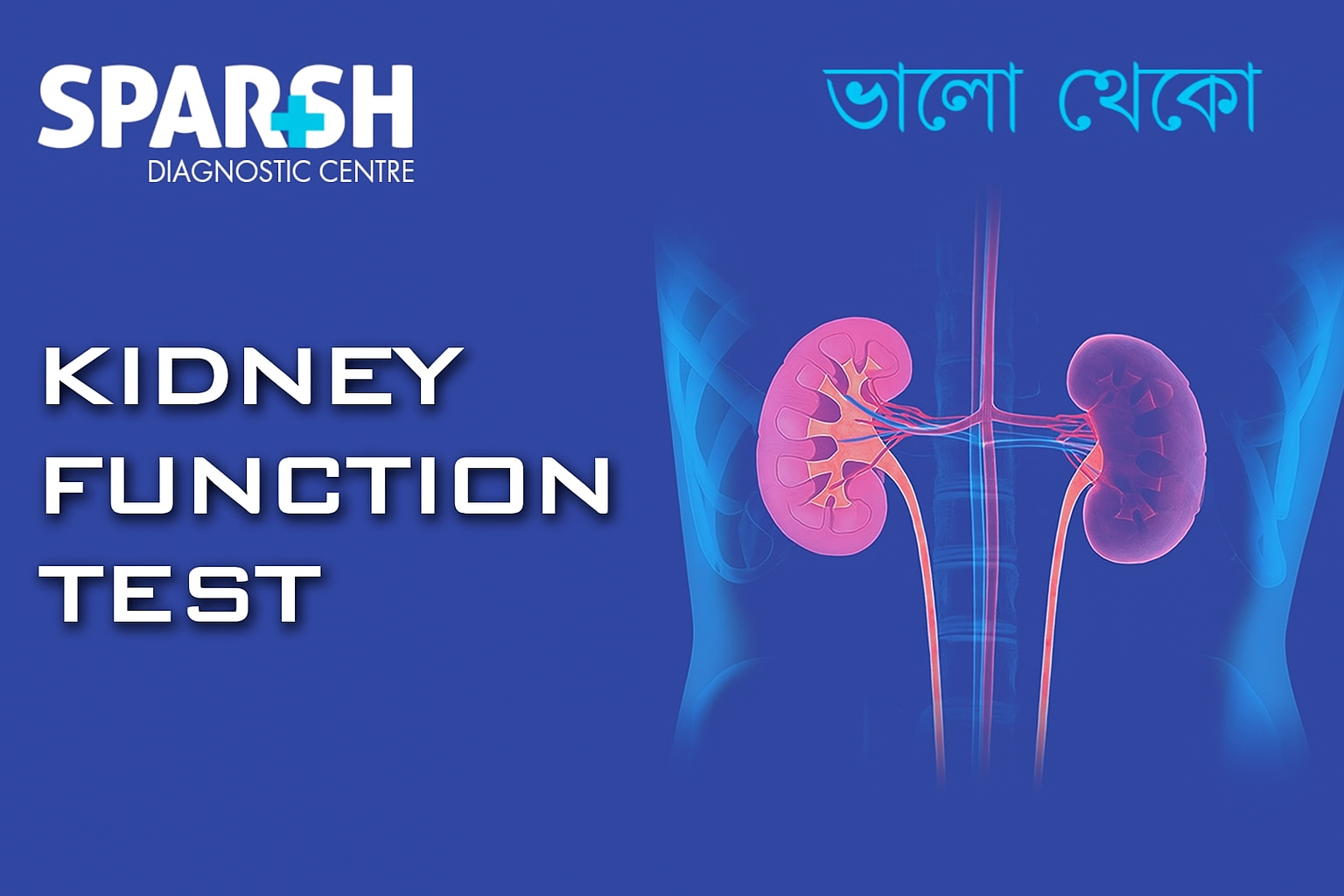
The kidneys filter waste, regulate electrolytes, balance fluids, and ensure proper blood pressure control. Any damage to the kidneys can have severe consequences on overall health. Unfortunately, kidney disease often develops silently, with symptoms appearing only at advanced stages. This is where the Kidney Function Test (KFT) plays a crucial role.
A KFT is a group of blood and urine tests that evaluate how well your kidneys are working. It helps detect early signs of kidney disease, monitor ongoing conditions, and guide treatment plans. In this comprehensive guide, we will explore everything about KFT—including its purpose, types of tests included, procedure, interpretation of results, and frequently asked questions.
What is a Kidney Function Test (KFT)?
A Kidney Function Test (KFT) is a diagnostic panel that measures different parameters in blood and urine to assess kidney health. These tests look at levels of waste products (such as urea and creatinine), electrolytes (like sodium, potassium, and chloride), and filtration rates.
KFT is commonly prescribed for:
Routine health checkups
Patients with diabetes or hypertension
Monitoring chronic kidney disease (CKD)
Evaluating the effect of medications on kidneys
Diagnosing urinary tract or systemic diseases affecting kidneys
Why is a Kidney Function Test Important?
The importance of KFT lies in its ability to detect kidney problems before symptoms become serious. Early diagnosis can help prevent complications such as:
End-stage renal failure requiring dialysis or transplant
Cardiovascular complications (due to uncontrolled electrolytes and blood pressure)
Severe metabolic imbalances
Kidney health is often compromised silently. For example, in India, it is estimated that nearly 1 in 10 people suffer from some form of kidney disease, but most remain undiagnosed until advanced stages. Regular KFT helps in early detection and effective management.
Types of Kidney Function Tests Included in KFT
A standard KFT panel typically includes:
1. Serum Creatinine Test
Creatinine is a waste product formed from muscle metabolism.
Healthy kidneys filter creatinine efficiently; high levels indicate reduced kidney function.
Normal range: 0.7 – 1.3 mg/dL (men), 0.6 – 1.1 mg/dL (women)
2. Blood Urea Nitrogen (BUN) Test
Urea is produced when the liver breaks down protein.
Elevated BUN may signal kidney dysfunction or dehydration.
Normal range: 7 – 20 mg/dL
3. Uric Acid Test
High uric acid can cause kidney stones or indicate poor kidney clearance.
Normal range: 3.5 – 7.2 mg/dL (men), 2.6 – 6.0 mg/dL (women)
Learn more: Nephrolithiasis (Kidney Stones)
4. Estimated Glomerular Filtration Rate (eGFR)
Measures how well kidneys filter waste per minute.
Normal: >90 mL/min/1.73m²
Below 60 may indicate chronic kidney disease.
Related: Chronic Kidney Disease
5. Electrolytes Panel
Includes sodium, potassium, calcium, phosphate, and chloride.
Abnormalities may indicate kidney dysfunction.
Explore: Hyperkalemia
6. Urine Albumin/Protein Test
Detects leakage of protein in urine (proteinuria), a sign of kidney damage.
Related condition: Nephrotic Syndrome
7. Creatinine Clearance Test
Compares creatinine in blood and urine over 24 hours to measure kidney filtration efficiency.
How is a Kidney Function Test Done?
Blood Sample
A small blood sample is collected from a vein in your arm.
Fasting is not always required, but your doctor may advise avoiding high-protein meals before the test.
Urine Sample
A random urine sample or 24-hour urine collection may be needed.
The urine is analyzed for protein, creatinine, and waste products.
The process is quick, simple, and relatively painless.
Preparation for Kidney Function Test
Inform your doctor about any medications (some drugs affect results).
Avoid excessive meat or protein intake before the test.
Stay hydrated but do not overdrink water.
For a 24-hour urine collection, follow instructions carefully to avoid errors.
Interpreting KFT Results
| Test | Normal Range | Abnormal Values Indicate |
|---|---|---|
| Serum Creatinine | 0.6 – 1.3 mg/dL | Kidney damage, dehydration, obstruction |
| BUN | 7 – 20 mg/dL | Kidney failure, high protein diet, dehydration |
| Uric Acid | 2.6 – 7.2 mg/dL | Gout, kidney stones, kidney dysfunction |
| eGFR | >90 mL/min/1.73m² | <60 indicates CKD, <15 indicates renal failure |
| Electrolytes | Within reference range | Imbalances in sodium, potassium, calcium linked to kidney disease |
| Urine Protein | Negative or trace | Proteinuria = early kidney damage |
It’s important to note that abnormal KFT results do not always mean permanent kidney damage. Dehydration, temporary illness, or certain medications can alter readings. A doctor will correlate results with symptoms and other diagnostic findings.
Who Should Get a Kidney Function Test?
You should consider a KFT if you have:
Family history of kidney disease
History of kidney stones
Chronic use of painkillers or nephrotoxic drugs
Routine screening is especially recommended after the age of 40, even without symptoms.
Risks and Limitations of KFT
Kidney function tests are generally safe. The only risks are minor bruising at the blood draw site or errors in urine collection.
Limitations include:
Temporary dehydration can falsely elevate creatinine and urea.
High protein meals may alter BUN levels.
Some medicines (like diuretics, antibiotics) can impact readings.
Abnormal results must always be interpreted alongside medical history and other tests like Ultrasound or biopsy.
How Often Should You Get a KFT?
Healthy individuals: Once every 1–2 years during routine health checkups.
Diabetics/Hypertensives: Every 6–12 months.
CKD patients: As advised by nephrologist, often every 3–6 months.
Lifestyle Tips for Kidney Health
While testing is important, prevention is equally crucial. To maintain healthy kidneys:
Stay well-hydrated
Limit salt intake
Control blood pressure and blood sugar
Eat a balanced diet low in processed foods
Avoid overuse of painkillers (NSAIDs)
You may also want to check: Heart Disease and Kidney Damage: Understanding the Connection.
A Kidney Function Test (KFT) is a simple yet powerful diagnostic tool that helps detect kidney problems early. By measuring creatinine, urea, electrolytes, and filtration rates, KFT provides a complete picture of kidney health. Early diagnosis through regular KFT can help prevent chronic kidney disease and life-threatening complications.
If you are at risk due to diabetes, hypertension, or family history, consult your doctor and get your KFT done regularly. Healthy kidneys are essential for a healthy life.
Frequently Asked Questions (FAQ)
Q1. What is the normal range for Kidney Function Test?
The normal ranges vary for different parameters, but generally, serum creatinine (0.6–1.3 mg/dL), BUN (7–20 mg/dL), and eGFR (>90) indicate healthy kidney function.
Q2. Can dehydration affect KFT results?
Yes. Dehydration can temporarily raise creatinine and urea levels, making results appear abnormal.
Q3. Is fasting required before a KFT?
Usually, fasting is not required. However, some doctors may recommend avoiding protein-heavy meals before the test.
Q4. How long does it take to get KFT results?
Results are usually available within 24 hours.
Q5. What happens if my KFT results are abnormal?
Abnormal results do not always mean kidney failure. Your doctor may repeat the test, order imaging, or recommend further tests.
Q6. Can kidney function improve after abnormal results?
Yes, if the underlying cause (like dehydration, infection, or medication side effects) is treated, kidney function may return to normal. Chronic kidney disease, however, is usually irreversible.
Q7. How much does a Kidney Function Test cost?
The cost varies depending on the lab and location, but in India, it typically ranges between ₹500 – ₹1500.
Q8. Is KFT the same as Renal Function Test (RFT)?
Yes, Kidney Function Test (KFT) and Renal Function Test (RFT) are often used interchangeably. Both assess kidney health through similar parameters.
#BhaloTheko
Disclaimer:
No content on this site, regardless of date, should ever be used as a substitute for direct medical advice from your doctor or other qualified clinician.


[…] Kidney function tests […]
[…] Kidney function tests […]
[…] Kidney Function Test (KFT) […]
[…] Liver and kidney function tests […]
[…] Kidney function tests […]
[…] Liver and kidney function tests […]
[…] Kidney function tests (urea, creatinine) […]
[…] Kidney function tests […]
[…] Kidney and liver function tests […]
[…] Liver and kidney function tests […]
[…] and Kidney Function Tests: Elevated liver enzymes and abnormal kidney function tests can indicate organ involvement, […]
[…] tests such as a complete blood count (CBC), liver function tests, and kidney function tests may help determine whether dark urine is caused by an underlying medical condition. Abnormalities […]
[…] Liver and kidney function tests […]
[…] is often the earliest sign. It may be detected on routine kidney function tests even before symptoms […]
[…] Renal Function Tests: To detect kidney injury. […]
[…] severe or prolonged cases, additional tests such as electrolyte panels or kidney function tests may be needed to assess dehydration and organ […]
[…] and kidney function tests – To assess […]
[…] Kidney function tests (KFTs) […]
[…] Kidney function […]
[…] Routine kidney function tests. […]
[…] Evaluation: Blood tests, liver and kidney function, chest X-ray, and infection screening (TB, […]
[…] Kidney function tests (KFTs) […]
[…] Calcium and kidney function tests. […]
[…] & Kidney Function Tests: Monitor organ […]
[…] Kidney function tests to assess creatinine and glomerular filtration rate (GFR). […]