


Aspiration pneumonia is a serious lung infection that occurs when food, liquid, saliva, or vomit enters the lungs instead of being swallowed into the stomach. When these foreign substances reach the lower respiratory tract, they introduce harmful bacteria and irritants that cause inflammation and infection. This condition is particularly common in individuals with swallowing difficulties, neurological disorders, or impaired consciousness, and can become life-threatening if not treated promptly.
This comprehensive guide explains the causes, risk factors, symptoms, diagnostic procedures, treatment options, and preventive measures related to aspiration pneumonia.
What Is Aspiration Pneumonia?
Aspiration pneumonia develops when materials such as food particles, fluids, or gastric contents are inhaled into the lungs. The infection that follows is often caused by bacteria normally present in the mouth or gastrointestinal tract, including Pseudomonas, Klebsiella, E. coli, and Streptococcus pneumoniae.
This condition is different from aspiration pneumonitis, which is irritation caused by chemical injury from acidic stomach contents. Pneumonitis may resolve on its own, but aspiration pneumonia requires antibiotics and medical care

Who Is at Risk?
Aspiration pneumonia most commonly affects individuals whose swallowing reflex or airway protection mechanisms are compromised. Key risk factors include:
Neurological Conditions
Motor neuron disease
These disorders weaken the muscles involved in swallowing and airway protection.
Structural and Mechanical Problems
Esophageal abnormalities
Prolonged nasogastric (NG) tube intubation
These conditions increase the likelihood of food or fluids entering the respiratory tract.
Poor Oral Hygiene
Poor dental hygiene leads to an overabundance of oral bacteria, increasing the risk of infection when aspiration occurs.
Other Risk Factors
Reduced consciousness (due to anesthesia, drugs, alcohol, or sedation)
Advanced age
Difficulty chewing or swallowing (dysphagia)
Causes of Aspiration Pneumonia
Aspiration usually happens silently and may go unnoticed. The most common causes include:
1. Swallowing Difficulties (Dysphagia)
This is the leading cause, especially in stroke patients. Weak throat muscles make it hard to coordinate swallowing, increasing the chance of misdirection into the lungs.
2. Vomiting or Reflux
Gastric contents can rise and enter the airway, especially when a person is unconscious or lying flat.
3. Impaired Cough Reflex
A normal cough helps clear the airway. Weak or absent cough reflex—common in the elderly and neurological patients—raises the risk greatly.
4. Feeding Tube Complications
Incorrect placement or reflux around an NG tube can lead to repeated aspiration episodes.
Common Pathogens
Aspiration pneumonia is typically polymicrobial. The most common organisms include:
Pseudomonas
Proteus
E. coli
Streptococcus pneumoniae
Patients who aspirate gastric contents usually develop bacterial infections involving these organisms.
Signs and Symptoms
Symptoms of aspiration pneumonia differ from standard pneumonia and can vary based on the severity and type of aspirated material. Common symptoms include:
1. Respiratory Symptoms
Productive cough with foul-smelling sputum
Pleuritic chest pain
2. Systemic Symptoms
3. Chest Examination Findings
A healthcare provider may hear:
Bronchial breathing
Coarse crepitations
These signs suggest infection and fluid build-up in the lungs.
Complications of Aspiration Pneumonia
If untreated, aspiration pneumonia can lead to serious complications such as:
Chronic lung disease
Prompt medical care significantly reduces these risks.
Diagnosis
1. Clinical Evaluation
Doctors review symptoms, medical history, and risk factors such as stroke or swallowing problems.
2. Blood Tests
Increased Total Leukocyte Count (TLC) indicates infection.
3. Chest X-ray
Findings typically include:
Right perihilar infiltrates: Because the right lung’s anatomy makes it easier for aspirated contents to enter.
4. Additional Investigations
Sputum culture
Swallowing evaluation (to determine the cause of aspiration)
Treatment Options
Treatment aims to eliminate infection, support breathing, and prevent further aspiration.
1. Antibiotic Therapy
Broad-spectrum antibiotics are usually started immediately. Common choices include:
Ceftriaxone
Metronidazole
These cover both aerobic and anaerobic bacteria.
2. Airway Support
Depending on severity:
Oxygen therapy
Nebulization
Mechanical ventilation (in severe cases)
3. Hydration and Nutrition
Patients with swallowing issues may require:
Feeding tube
Modified diet (thickened liquids, pureed foods)
Speech and swallowing therapy
4. Treat Underlying Causes
For long-term prevention, addressing the root cause—such as GERD, poor oral hygiene, or neurological conditions—is crucial.
Prevention
Preventing aspiration pneumonia is especially important for high-risk groups such as the elderly and bedridden patients.
1. Improve Swallowing Safety
Speech therapy
Safe feeding techniques
Upright posture during and after meals
2. Maintain Good Oral Hygiene
Regular brushing, dental visits, and oral cleaning reduce harmful bacteria that can enter the lungs during aspiration.
3. Manage Reflux and Vomiting
Antacids
Prokinetic medications
Lifestyle changes (small meals, avoiding lying down after eating)
4. Feeding Tube Care
Ensure proper NG tube placement and monitor for signs of reflux.
5. Positioning
Patients should be positioned at a 30–45° angle, especially after meals or during tube feeding.
Prognosis
The outcome depends on the patient’s age, health condition, and the severity of aspiration. Early diagnosis and treatment offer an excellent chance of full recovery. Delayed treatment increases the risk of complications and mortality.
Frequently Asked Questions (FAQ)
1. Is aspiration pneumonia curable?
Yes. With early diagnosis and proper antibiotic treatment, most patients recover well. Severe cases may require hospitalization.
2. How long does it take to recover from aspiration pneumonia?
Mild cases improve within one to two weeks. Severe infections or complications like abscesses may take longer.
3. Can aspiration pneumonia happen while sleeping?
Yes. People with reflux, swallowing difficulties, or impaired consciousness may aspirate during sleep.
4. What is the difference between aspiration pneumonia and pneumonitis?
Aspiration pneumonitis is chemical irritation from stomach acid.
Aspiration pneumonia is a bacterial infection.
The latter requires antibiotics.
5. Can it be prevented?
Yes. Safe feeding practices, managing reflux, treating swallowing disorders, and maintaining oral hygiene significantly reduce risk.
6. Who is most at risk?
Elderly individuals, stroke patients, people with neurological disorders, or those with poor dental hygiene are most vulnerable.
7. Is hospitalization always necessary?
Not always. Mild cases may be treated at home, but severe symptoms, respiratory distress, or high fever require hospitalization.
#BhaloTheko
Medically reviewed by: Dr. Soumyajit Das, MD (Pulmonary Medicine/Respiratory Medicine)
Speciality: Consultant Pulmonologist
Reviewed on: 31 August 2026
This article has been medically reviewed by Dr. Soumyajit Das, a qualified pulmonologist, for medical accuracy, clinical relevance and clarity. The information has been reviewed to ensure that it provides reliable and easy-to-understand information about chronic obstructive pulmonary disease (COPD), including its causes, risk factors, symptoms, diagnosis, treatment, management and prevention.
About the medical reviewer:
Dr. Soumyajit Das is a Consultant Pulmonologist with an MD in Pulmonary Medicine (Respiratory Medicine). His areas of expertise include COPD and bronchitis management, allergic lung diseases such as asthma, lung infections, bronchiectasis, tuberculosis, lung cancer, sleep medicine and pulmonary function testing. He also has expertise in respiratory interventions including bronchoscopy, intercostal chest drainage, pleurocentesis and pleurodesis, as well as intensive care interventions including mechanical ventilation.
Disclaimer:
No content on this site, regardless of date, should ever be used as a substitute for direct medical advice from your doctor or other qualified clinician.
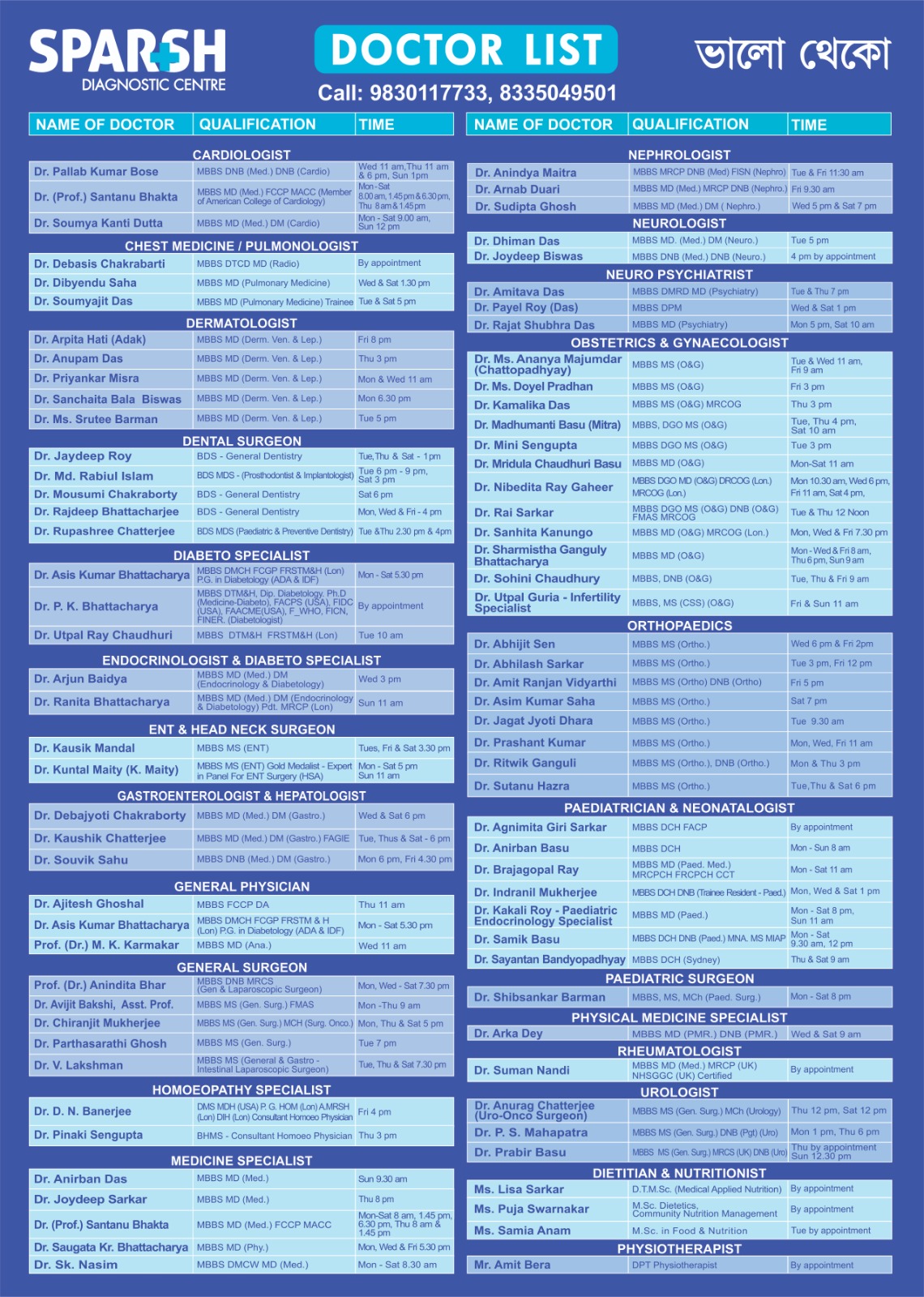
Sparsh Doctor List


[…] Aspiration pneumonia […]
[…] and appropriate management to prevent long-term complications. Although often confused with aspiration pneumonia, aspiration pneumonitis is a separate condition with distinct underlying mechanisms, timelines, and […]
[…] Aspiration Pneumonia: Tetanus can impair swallowing, increasing the risk of inhaling food or liquids into the lungs, which can lead to pneumonia. […]