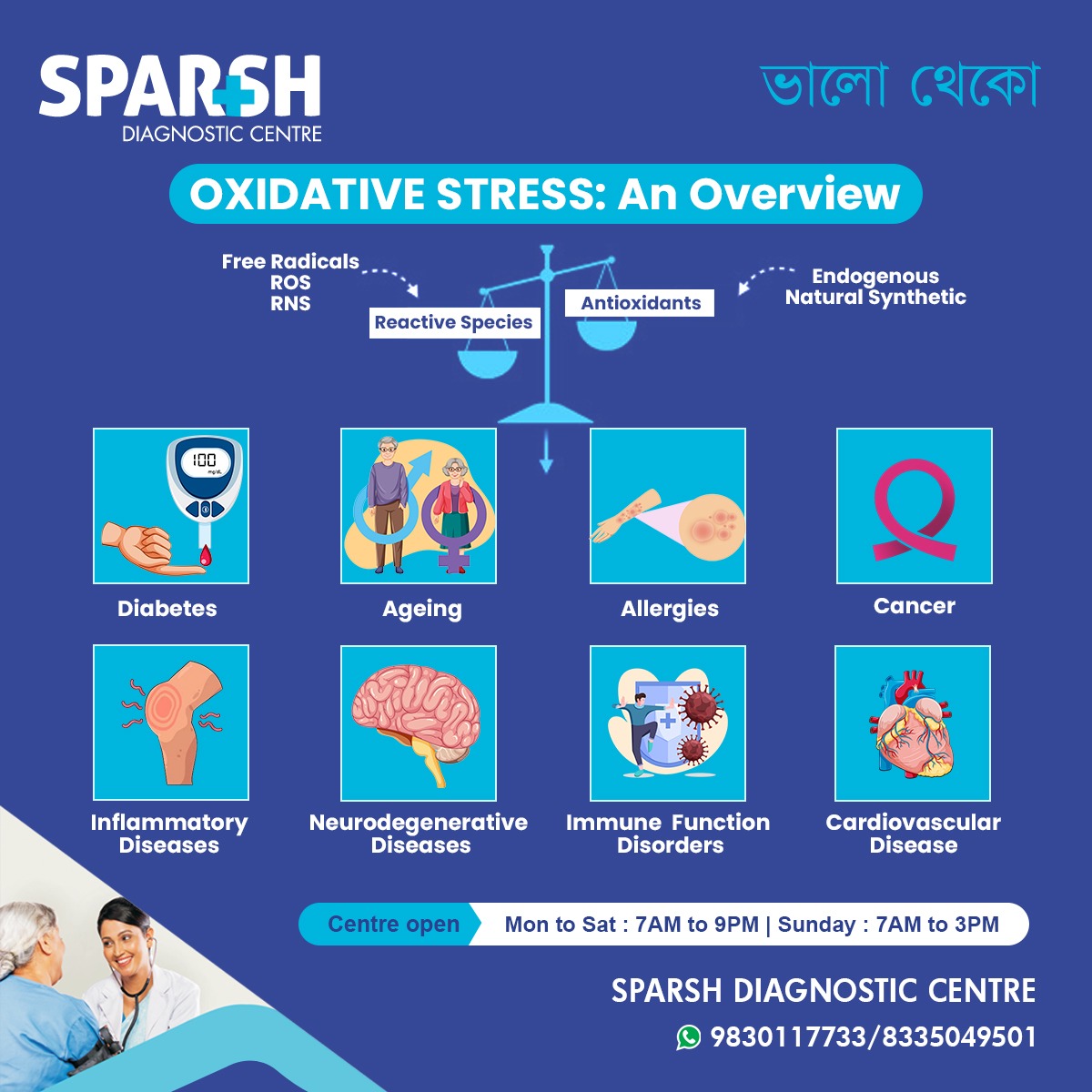
Oxidative stress is a biological condition that occurs when there is an imbalance between free radicals (reactive oxygen species – ROS) and the body’s ability to neutralize them using antioxidants.
Free radicals are unstable molecules that contain unpaired electrons. Because of this instability, they react aggressively with nearby cells, proteins, and DNA. While small amounts of free radicals are necessary for immune defense and cellular signaling, excessive accumulation leads to cellular damage.
In simple terms:
Oxidative stress happens when harmful molecules overpower your body’s natural defense system.
Understanding Free Radicals and Reactive Species
Free radicals include:
Reactive Oxygen Species (ROS)
Reactive Nitrogen Species (RNS)
Superoxide radicals
Hydrogen peroxide
Hydroxyl radicals
These molecules are produced naturally during:
Cellular respiration
Inflammation
Immune responses
Exercise
They can also come from external sources such as:
Cigarette smoke
Radiation exposure
Pesticides
Processed foods
When production exceeds neutralization capacity, oxidative stress develops.
What Are Antioxidants?
Antioxidants are molecules that neutralize free radicals by donating an electron without becoming unstable themselves.
They can be:
1. Endogenous (Produced by the Body)
Glutathione
Superoxide dismutase (SOD)
Catalase
2. Exogenous (From Diet)
Vitamin E
Beta-carotene
Selenium
Polyphenols
Flavonoids
A healthy body maintains balance between reactive species and antioxidants. When this balance tips toward reactive species, oxidative damage begins.
How Oxidative Stress Damages the Body
Excessive free radicals can damage:
1. DNA
Leading to mutations and increased cancer risk.
2. Proteins
Altering structure and function of enzymes and tissues.
3. Lipids (Fats)
Causing lipid peroxidation, which damages cell membranes.
This cumulative damage contributes to aging and chronic diseases.
Diseases Linked to Oxidative Stress
Research shows oxidative stress plays a major role in the development and progression of several diseases.
1. Diabetes
High blood sugar increases free radical production. Chronic oxidative stress contributes to:
2. Ageing
Oxidative damage accumulates over time, contributing to:
Wrinkles
Reduced organ function
Cellular senescence
The “free radical theory of aging” suggests oxidative stress is a primary driver of aging.
3. Allergies
Oxidative stress increases inflammatory mediators, worsening:
Skin reactions
4. Cancer
DNA damage caused by oxidative stress may initiate tumor formation. Chronic inflammation and oxidative imbalance create an environment that promotes cancer progression.
5. Inflammatory Diseases
Conditions like:
Chronic inflammatory disorders
are associated with elevated oxidative stress markers.
6. Neurodegenerative Diseases
Oxidative damage is strongly linked to:
The brain is particularly vulnerable due to high oxygen consumption and lipid content.
7. Immune Function Disorders
Excessive oxidative stress weakens immune cells, making the body more susceptible to infections and autoimmune disorders.
8. Cardiovascular Disease
Oxidative stress contributes to:
It damages blood vessel linings and promotes plaque formation.
Symptoms of Oxidative Stress
Oxidative stress does not have specific symptoms, but it contributes to:
Frequent infections
Premature aging
Hair thinning
Vision problems
Slow wound healing
Often, it is detected through laboratory markers rather than direct symptoms.
How Is Oxidative Stress Measured?
Healthcare providers may assess oxidative stress using:
Malondialdehyde (MDA)
8-OHdG (DNA damage marker)
Glutathione levels
Total antioxidant capacity (TAC)
Advanced diagnostic centres offer these specialized tests to evaluate oxidative balance and guide treatment.
Causes of Increased Oxidative Stress
Lifestyle Factors
Excess alcohol consumption
Environmental Exposure
Heavy metals
Radiation
Chemicals
Medical Conditions
Diabetes
Chronic infections
Autoimmune disorders
Psychological Stress
Chronic stress elevates cortisol and inflammatory mediators, increasing oxidative damage.
Natural Ways to Reduce Oxidative Stress
Reducing oxidative stress requires a multi-pronged approach.
1. Eat an Antioxidant-Rich Diet
Include:
Berries (blueberries, strawberries)
Leafy greens (spinach, kale)
Nuts (almonds, walnuts)
Seeds (chia, flax)
Green tea
Dark chocolate (70%+ cocoa)
Turmeric
Garlic
Focus on colorful fruits and vegetables—color often indicates antioxidant content.
2. Maintain Healthy Blood Sugar
Since hyperglycemia increases oxidative stress:
Reduce refined sugar
Limit processed carbohydrates
Choose whole grains
Monitor glucose levels regularly
3. Exercise Regularly
Moderate exercise boosts endogenous antioxidant systems.
Aim for:
30 minutes daily
Combination of cardio and strength training
Avoid overtraining, which may temporarily increase oxidative stress.
4. Improve Sleep Quality
Poor sleep increases inflammation and oxidative markers.
Tips:
7–9 hours nightly
Fixed sleep schedule
Avoid screens before bed
5. Quit Smoking
Cigarette smoke contains thousands of oxidants and free radicals.
Stopping smoking significantly reduces oxidative burden.
6. Manage Stress
Try:
Meditation
Yoga
Deep breathing
Mindfulness
Nature walks
Stress management reduces inflammatory and oxidative pathways.
7. Consider Supplements (Under Medical Guidance)
Common antioxidant supplements include:
Vitamin C
Vitamin E
Coenzyme Q10
Alpha-lipoic acid
Resveratrol
N-acetylcysteine (NAC)
However, excessive supplementation may disrupt natural balance. Always consult a healthcare professional.
Oxidative Stress and Gut Health
Emerging research suggests gut microbiota influence oxidative balance. Dysbiosis (imbalanced gut bacteria) can increase inflammation and oxidative damage.
Support gut health by:
Eating fiber-rich foods
Consuming probiotics
Avoiding excessive antibiotics
Reducing processed food intake
Oxidative Stress in Modern Life
Urban living exposes individuals to:
Pollution
Processed foods
Blue light
Chronic stress
Sedentary habits
These factors make oxidative stress a common yet under-recognized health concern.
Preventive screening and lifestyle optimization are crucial.
Can Oxidative Stress Be Completely Eliminated?
No.
Free radicals are essential for:
Immune defense
Cell signaling
Adaptation to exercise
The goal is balance, not elimination.
Who Should Get Tested for Oxidative Stress?
Testing may benefit:
Diabetic patients
Individuals with cardiovascular disease
People with chronic fatigue
Cancer patients
Elderly individuals
Those exposed to pollution or toxins
Consult a healthcare provider for personalized assessment.
Frequently Asked Questions (FAQs)
1. What is oxidative stress in simple terms?
Oxidative stress occurs when harmful free radicals exceed the body’s antioxidant defenses, causing cell damage.
2. What are the main causes?
Common causes include pollution, smoking, poor diet, stress, chronic disease, and aging.
3. Can it cause cancer?
Yes. Chronic oxidative damage to DNA can increase mutation risk and contribute to cancer development.
4. Is it linked to aging?
Yes. The free radical theory of aging suggests cumulative oxidative damage contributes to aging and age-related diseases.
5. What foods reduce it?
Berries, leafy greens, nuts, seeds, green tea, turmeric, and dark chocolate are rich in antioxidants.
6. How do I know if I have oxidative stress?
There are no specific symptoms. Laboratory tests measuring antioxidant capacity and oxidative markers can provide insight.
7. Does exercise increase it?
Intense exercise temporarily increases free radicals, but regular moderate exercise strengthens antioxidant defenses long term.
8. Can supplements cure oxidative stress?
Supplements may help but cannot replace a healthy diet and lifestyle. Always consult a healthcare professional before starting antioxidants.
9. Is oxidative stress reversible?
Yes, to an extent. Lifestyle changes and medical management can reduce oxidative damage and improve antioxidant balance.
10. How is oxidative stress related to heart disease?
Oxidative stress damages blood vessels, promotes plaque formation, and increases risk of heart attacks and strokes.
Oxidative stress is a silent yet powerful contributor to many chronic diseases, including diabetes, cancer, cardiovascular disorders, neurodegenerative conditions, and inflammatory diseases. While it cannot be completely eliminated, maintaining a balance between free radicals and antioxidants is essential for long-term health.
By adopting a nutrient-rich diet, exercising regularly, managing stress, and undergoing preventive health screenings, you can significantly reduce oxidative damage and protect your body at the cellular level.
If you are at risk due to chronic illness, environmental exposure, or aging, consider discussing oxidative stress evaluation with your healthcare provider for a comprehensive health strategy.
#BhaloTheko
Disclaimer:
No content on this site, regardless of date, should ever be used as a substitute for direct medical advice from your doctor or other qualified clinician.

Sparsh Diagnostic Centre Doctor List