

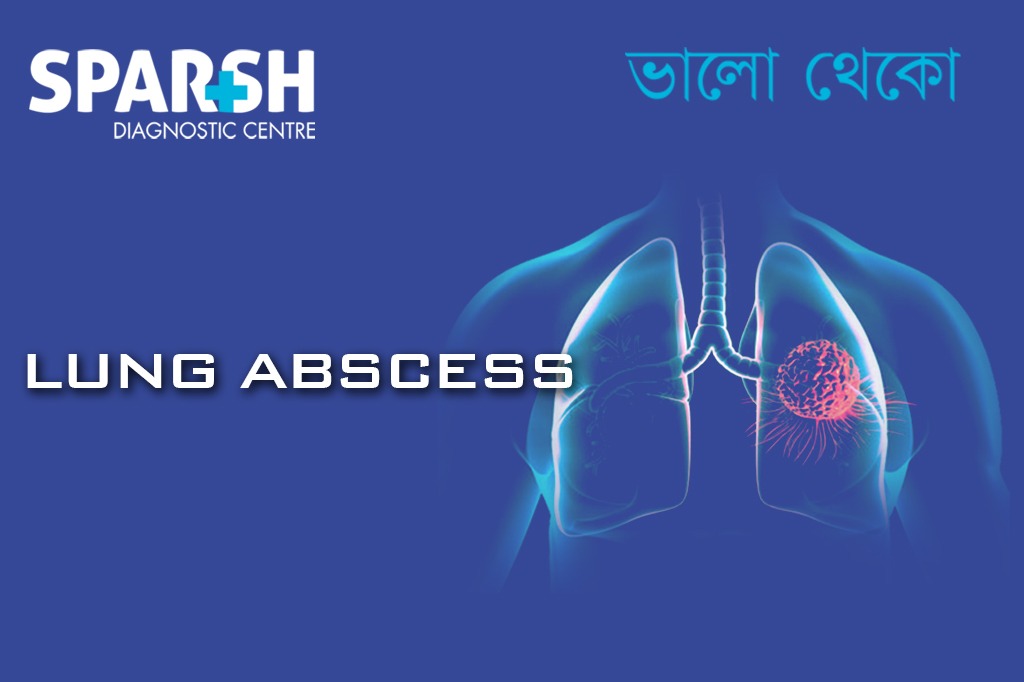
A lung abscess is a severe pulmonary condition characterized by the formation of one or more pus-filled cavities within the lung tissue. These abscesses develop due to infections that lead to tissue destruction and necrosis. While advances in antibiotics have reduced its incidence, lung abscesses still occur, especially in individuals with weakened immune systems, chronic lung diseases, or poor oral hygiene.
Understanding the early and later signs, causes, and treatment options is essential for timely diagnosis and recovery. At Sparsh Diagnostic Centre, accurate imaging and lab tests play a vital role in identifying and managing lung abscess effectively.
What Is a Lung Abscess?
A lung abscess is a localized area of infection and necrosis in the lung, leading to a cavity filled with pus and debris. It can be acute (less than 6 weeks) or chronic (more than 6 weeks). The cavity often drains into the airways, causing a productive cough with foul-smelling sputum.
Lung abscesses are commonly caused by bacterial infections, particularly anaerobic bacteria from the mouth that enter the lungs during aspiration (inhaling food, saliva, or vomit).
Types of Lung Abscess
Lung abscesses can be classified based on their origin and duration:
1. Primary Lung Abscess
Occurs in individuals without pre-existing lung disease, usually due to aspiration of oropharyngeal secretions. It’s the most common type.
2. Secondary Lung Abscess
Develops as a complication of an underlying condition such as:
Bronchial obstruction (tumor or foreign body)
Immunodeficiency
Septicemia (spread of infection through the bloodstream)
3. Acute vs Chronic Lung Abscess
Acute: Symptoms develop rapidly (within weeks).
Chronic: Persists for over 6 weeks, often due to resistant bacteria or poor immune response.
Causes and Risk Factors
The most frequent cause of lung abscess is bacterial infection, particularly by anaerobic organisms like Fusobacterium, Peptostreptococcus, and Bacteroides species.
Other pathogens include:
Staphylococcus aureus
Streptococcus pneumoniae
Mycobacterium tuberculosis (in rare cases)
Common Risk Factors:
Poor oral hygiene or dental infections
Aspiration due to alcohol intoxication, stroke, or anesthesia
Lung cancer or obstruction
Signs and Symptoms of Lung Abscess
Lung abscesses typically present in two stages — early and later signs — as shown in the infographic by Sparsh Diagnostic Centre.
Early Signs
Fever and Chills: A persistent high-grade fever with chills indicates infection and inflammation within the lungs.
Night Sweats: Profuse sweating at night is a sign of infection and systemic response to inflammation.
Persistent Cough: Initially dry, the cough later becomes productive with foul-smelling or bloody sputum.
Later Signs
Pain with Deep Breathing: The infection causes irritation of the pleura, leading to sharp chest pain, especially during deep breaths or coughing.
Coughing Up Blood (Hemoptysis): As the abscess ruptures, it can erode nearby blood vessels, causing blood-stained sputum.
Fatigue: The ongoing infection and reduced oxygenation lead to significant tiredness and weakness.
Other Possible Symptoms
Weight loss
Foul-smelling sputum

Complications
If untreated, a lung abscess can cause serious complications such as:
Empyema: Infection spreads to the pleural cavity.
Sepsis: Infection enters the bloodstream, causing systemic inflammation.
Bronchopleural fistula: Formation of an abnormal connection between the bronchi and pleural space.
Chronic lung abscess: Persistent infection despite treatment.
Brain abscess or metastatic infection: Spread of infection to other organs.
Diagnosis of Lung Abscess
Accurate diagnosis is crucial for effective treatment. At Sparsh Diagnostic Centre, advanced imaging and laboratory tests are used to confirm the condition.
1. Clinical Evaluation
Doctors assess the patient’s symptoms, medical history, and risk factors such as aspiration or immunodeficiency.
2. Laboratory Tests
Complete blood count (CBC): Elevated white blood cells indicate infection.
Sputum culture: Identifies the causative bacteria.
Blood culture: Detects systemic spread of infection.
3. Imaging Tests
Chest X-ray: Shows a cavity with an air-fluid level, which is the hallmark of a lung abscess.
CT Scan of the Chest: Provides detailed visualization of the abscess, surrounding tissues, and any complications.
Ultrasound (in select cases): Helps assess abscesses near the pleural surface.
4. Additional Tests
Bronchoscopy: Used to obtain samples or rule out obstruction and malignancy.
Serological tests: For identifying specific pathogens, if necessary.
Treatment of Lung Abscess
Treatment aims to eradicate the infection, promote drainage of pus, and prevent recurrence.
1. Antibiotic Therapy
This is the mainstay of treatment.
Commonly prescribed antibiotics include:
Clindamycin
Metronidazole with penicillin
Carbapenems for resistant bacteria
Vancomycin or Linezolid for MRSA-related abscesses
Antibiotics are usually continued for 4 to 6 weeks, depending on response.
2. Postural Drainage and Physiotherapy
Positioning the patient to facilitate pus drainage and performing breathing exercises help improve recovery.
3. Percutaneous Drainage
If the abscess doesn’t drain spontaneously or responds poorly to antibiotics, needle aspiration or catheter drainage may be done under imaging guidance.
4. Surgical Intervention
Surgery is reserved for:
Large or multiple abscesses
Failure of medical therapy
Associated bronchiectasis or tumor
Massive hemoptysis
Procedures may include lobectomy (removal of the affected lung lobe) or segmental resection.
5. Supportive Care
Oxygen therapy
Adequate hydration and nutrition
Pain management
Treating underlying conditions (e.g., diabetes or alcoholism)
Prevention of Lung Abscess
Prevention focuses on minimizing aspiration and maintaining good respiratory and oral health.
Preventive Tips:
Maintain proper oral hygiene to reduce bacterial load.
Avoid excessive alcohol and sedative use.
Treat dental infections promptly.
Manage chronic illnesses like diabetes or COPD effectively.
Seek medical care for persistent coughs or fevers.
Use protective measures during anesthesia or intubation to prevent aspiration.
Recovery and Prognosis
With early diagnosis and appropriate treatment, most patients recover completely. However, the prognosis depends on:
Patient’s age and immune status
Presence of underlying lung disease
Type of infecting organism
Timeliness of treatment
Delayed diagnosis or treatment can lead to chronic infection or permanent lung damage. Regular follow-up imaging ensures the abscess has resolved.
When to See a Doctor
You should seek medical attention immediately if you experience:
Persistent high fever
Cough producing foul or bloody sputum
Sharp chest pain during breathing
Night sweats and fatigue
Early intervention can prevent severe complications and improve outcomes.
Diagnosis and Care at Sparsh Diagnostic Centre
At Sparsh Diagnostic Centre, comprehensive diagnostic services ensure accurate detection and monitoring of lung abscesses. Our facilities include:
Advanced Digital X-ray and CT Scan
Precise Microbiological testing
Expert Pulmonology consultations
Regular follow-up imaging to track recovery
Our goal is to ensure early diagnosis, effective treatment, and full recovery — so you can breathe easy again.
FAQs About Lung Abscess
1. Is lung abscess contagious?
No, a lung abscess itself is not contagious. However, the infection causing it (like certain bacterial or viral infections) can sometimes spread through droplets.
2. How long does it take to recover from a lung abscess?
With proper antibiotics, most patients recover in 4–8 weeks. Chronic cases may take longer and require additional interventions.
3. Can lung abscess cause death?
If untreated, a severe lung abscess can lead to sepsis or respiratory failure, which can be life-threatening. Early diagnosis greatly improves survival rates.
4. What does lung abscess sputum look like?
Sputum is typically thick, yellow-green, and foul-smelling, sometimes mixed with blood.
5. Can lung abscess heal without surgery?
Yes. Most lung abscesses respond well to antibiotics and drainage without the need for surgery.
6. How is a lung abscess different from pneumonia?
While both are infections, pneumonia affects the lung tissue diffusely, whereas a lung abscess is a localized pus-filled cavity resulting from tissue necrosis.
7. What imaging test is best for diagnosing lung abscess?
A CT scan provides the most detailed view and helps differentiate an abscess from other lung conditions like tumors or cysts.
8. Can smoking cause lung abscess?
Smoking doesn’t directly cause lung abscess but weakens lung defenses and increases the risk of infections that may lead to abscess formation.
9. Are there any home remedies for lung abscess?
Home remedies cannot cure a lung abscess. However, staying hydrated, getting adequate rest, and following the doctor’s prescribed antibiotics can aid recovery.
10. How can Sparsh Diagnostic Centre help in lung abscess diagnosis?
Sparsh Diagnostic Centre offers high-quality imaging, laboratory testing, and medical consultations — ensuring fast and accurate diagnosis to start treatment early.
A lung abscess is a serious condition but can be effectively treated with timely medical intervention. Recognizing early signs such as fever, night sweats, and persistent cough can make all the difference in preventing complications.
At Sparsh Diagnostic Centre, our diagnostic expertise and commitment to patient care help ensure accurate diagnosis and full recovery.
If you or someone you know is showing symptoms of lung infection, don’t delay — schedule a chest X-ray or CT scan today.
👉 Visit Sparsh Diagnostic Centre to learn more.
#BhaloTheko
Disclaimer:
No content on this site, regardless of date, should ever be used as a substitute for direct medical advice from your doctor or other qualified clinician.


[…] Lung abscess […]
[…] Lung abscess […]
[…] Lung abscess (pus-filled cavity in the lung) […]
[…] Lung abscess […]
[…] Lung abscess: Pus formation in the lung cavity. […]
[…] Lung Abscesses: Localized infections in the lungs. […]