

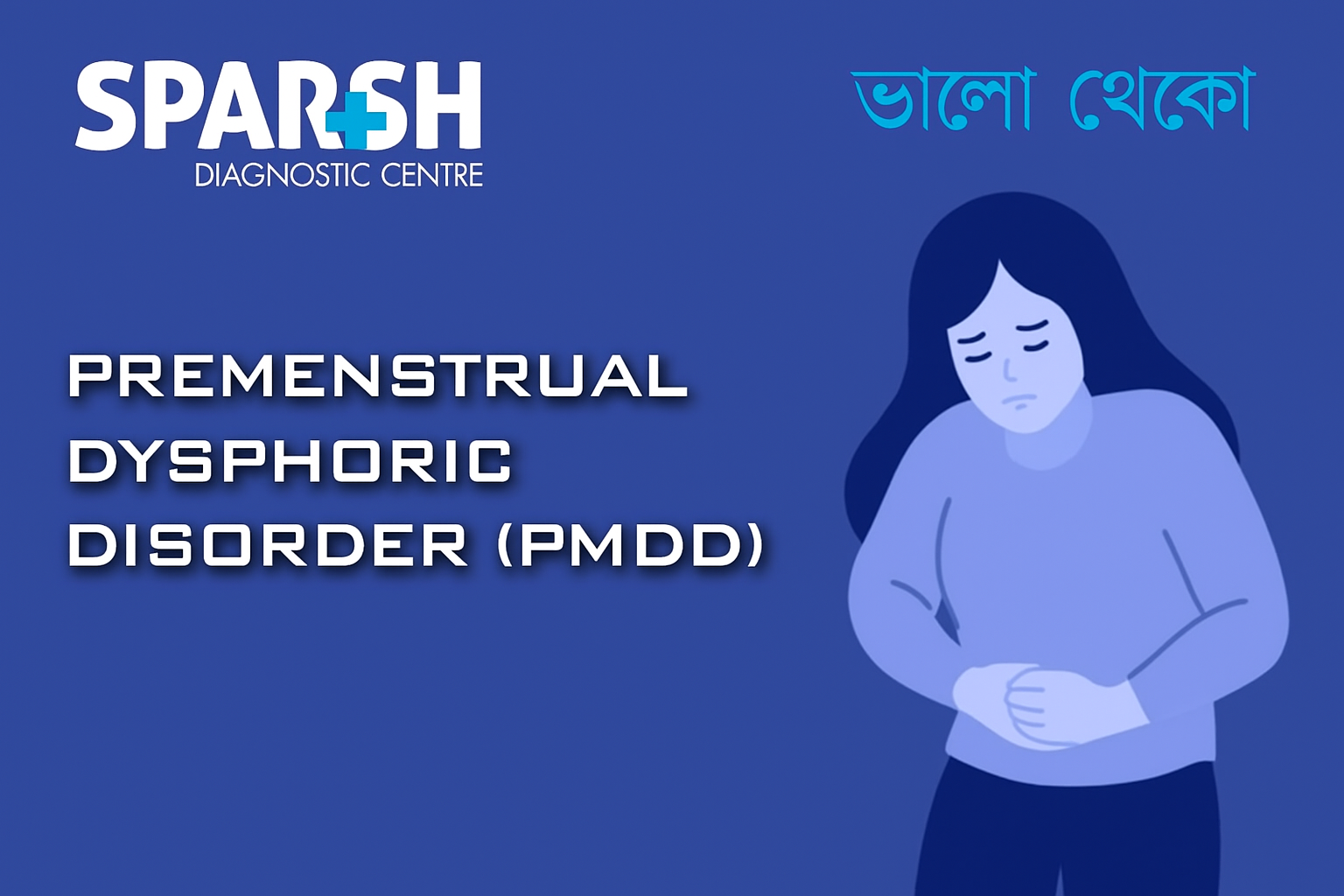
Premenstrual symptoms are common among women of reproductive age, often causing physical discomfort and mood changes before menstruation. While Premenstrual Syndrome (PMS) is well-known, a more severe form exists — Premenstrual Dysphoric Disorder (PMDD). PMDD affects an estimated 3–8% of menstruating women, causing intense mood disturbances, physical symptoms, and impairment in daily functioning.
In this blog, we will explore PMDD in detail — from its symptoms and causes to diagnosis, treatment, and self-care strategies — to help you understand this condition better.

What is Premenstrual Dysphoric Disorder (PMDD)?
PMDD is a severe and chronic form of PMS, characterized by emotional, behavioral, and physical symptoms that occur in the luteal phase of the menstrual cycle (1–2 weeks before menstruation) and subside shortly after the period begins. Unlike PMS, PMDD significantly interferes with work, relationships, and overall quality of life.
The key difference between PMS and PMDD is severity. While PMS causes mild to moderate discomfort, PMDD leads to extreme mood swings, depression, anxiety, and physical symptoms that can feel overwhelming.
Symptoms of PMDD
PMDD symptoms typically appear during the luteal phase (after ovulation) and resolve within a few days of menstruation starting. To be diagnosed with PMDD, at least five symptoms must be present, with at least one mood-related symptom.
Emotional and Behavioral Symptoms
Severe mood swings
Intense irritability or anger
Feelings of hopelessness or sadness
Anxiety or tension
Trouble concentrating
Sudden outbursts or sensitivity to rejection
Feeling overwhelmed or out of control
Physical Symptoms
Breast tenderness
Muscle or joint pain
Changes in appetite (overeating or food cravings)
Sleep problems (insomnia or oversleeping)
These symptoms are cyclical, meaning they consistently occur around the same time each month, closely linked to the menstrual cycle.
Causes and Risk Factors of PMDD
The exact cause of PMDD is not fully understood, but research suggests it is linked to abnormal responses to hormonal changes in the menstrual cycle.
Possible Causes
Hormonal fluctuations – Estrogen and progesterone levels change after ovulation, influencing serotonin and mood regulation.
Serotonin sensitivity – Women with PMDD may be more sensitive to changes in serotonin, a neurotransmitter that regulates mood and emotions.
Genetic predisposition – Family history of PMDD, PMS, depression, or mood disorders increases the risk.
Stress and lifestyle factors – High stress, lack of sleep, poor diet, or lack of physical activity may worsen symptoms.
Underlying mental health conditions – Anxiety disorders, major depression, or trauma history may increase vulnerability.
Diagnosis of PMDD
PMDD can be difficult to diagnose because its symptoms overlap with PMS, depression, and anxiety disorders. A healthcare provider usually follows these steps:
Symptom tracking – Keeping a daily symptom diary for at least two menstrual cycles helps identify patterns.
DSM-5 criteria – The Diagnostic and Statistical Manual of Mental Disorders requires at least five symptoms, including one mood-related, that occur during the luteal phase.
Exclusion of other conditions – Thyroid disorders, depression, anxiety, or other medical conditions must be ruled out.
Physical and psychological evaluation – To confirm symptoms are cyclical and specifically related to the menstrual cycle.
Treatment Options for PMDD
Treatment depends on the severity of symptoms, impact on quality of life, and individual preferences. A combination of lifestyle changes, therapy, and medication often works best.
1. Lifestyle and Self-Care Strategies
Exercise regularly: Improves mood and reduces bloating.
Balanced diet: Reduce caffeine, alcohol, sugar, and salt; increase intake of whole grains, fruits, and vegetables.
Sleep hygiene: Maintain a regular sleep routine to reduce fatigue and mood disturbances.
Stress management: Yoga, meditation, and deep breathing can help.
Symptom tracking: Helps predict and prepare for challenging days.
2. Medical Treatments
Antidepressants (SSRIs): Selective serotonin reuptake inhibitors like fluoxetine and sertraline are highly effective for PMDD.
Hormonal therapies: Birth control pills or GnRH agonists can help regulate hormonal fluctuations.
Nutritional supplements: Calcium, magnesium, vitamin B6, and vitamin D may improve symptoms.
Pain relief: NSAIDs like ibuprofen for cramps, headaches, and body pain.
3. Psychological Support
Cognitive Behavioral Therapy (CBT): Helps manage negative thought patterns.
Support groups: Connecting with others who experience PMDD can reduce feelings of isolation.
Counseling: Beneficial for women with coexisting anxiety or depression.
PMDD vs PMS: Key Differences
| Feature | PMS (Premenstrual Syndrome) | PMDD (Premenstrual Dysphoric Disorder) |
|---|---|---|
| Severity | Mild to moderate | Severe and disabling |
| Mood symptoms | Irritability, moodiness | Depression, rage, hopelessness |
| Impact on life | Some discomfort | Significant disruption of work, school, and relationships |
| Prevalence | 30–40% of women | 3–8% of women |
| Treatment | Lifestyle changes, OTC meds | Medical, psychological, and lifestyle approaches |
👉 Learn more about PMS and how it differs from PMDD.
Living with PMDD: Coping and Support
PMDD can feel overwhelming, but with the right strategies, many women manage symptoms effectively:
Educate yourself: Understanding PMDD reduces fear and self-blame.
Communicate with loved ones: Sharing your experience helps build support.
Seek professional help: Don’t hesitate to consult a gynecologist at Sparsh Diagnostic Centre for diagnosis and treatment guidance.
Plan around your cycle: Schedule demanding tasks during symptom-free days.
Practice self-compassion: Remember that PMDD is a medical condition, not a personal weakness.
When to See a Doctor
You should consult a healthcare provider if:
Symptoms severely affect your daily life, relationships, or work.
You experience extreme mood swings or thoughts of self-harm.
PMS-like symptoms don’t improve with lifestyle changes.
You want to explore treatment options for long-term relief.
At Sparsh Diagnostic Centre, our specialists offer comprehensive women’s health evaluations to ensure accurate diagnosis and personalized treatment plans.
Frequently Asked Questions (FAQs) about PMDD
1. Is PMDD the same as PMS?
No. While both occur before menstruation, PMDD is much more severe, with disabling emotional and physical symptoms.
2. Can PMDD be cured?
There is no permanent cure, but effective treatments — including SSRIs, hormonal therapy, lifestyle changes, and therapy — can help manage symptoms.
3. What triggers PMDD symptoms?
PMDD is triggered by hormonal fluctuations during the menstrual cycle, but stress, poor diet, lack of sleep, and underlying mental health conditions can worsen symptoms.
4. How do doctors diagnose PMDD?
Diagnosis involves tracking symptoms over two menstrual cycles, using DSM-5 criteria, and ruling out other conditions like depression or thyroid disease.
5. Can diet affect PMDD symptoms?
Yes. Reducing caffeine, sugar, and alcohol, while eating more whole grains, fruits, and vegetables, can improve both mood and physical symptoms.
6. Does PMDD go away after menopause?
Yes. PMDD symptoms stop after menopause since the menstrual cycle ends. However, perimenopause may temporarily worsen symptoms.
7. Can birth control pills help with PMDD?
Yes. Certain birth control pills stabilize hormone fluctuations and may reduce PMDD symptoms in some women.
Premenstrual Dysphoric Disorder (PMDD) is a serious condition that goes beyond typical PMS. It can disrupt personal, social, and professional life if left untreated. Fortunately, with proper diagnosis, medical treatment, lifestyle adjustments, and emotional support, women can effectively manage PMDD and improve their quality of life.
If you suspect you may have PMDD, consult a specialist at Sparsh Diagnostic Centre for personalized care. Remember, acknowledging the problem is the first step toward relief and recovery.
#BhaloTheko
Disclaimer:
No content on this site, regardless of date, should ever be used as a substitute for direct medical advice from your doctor or other qualified clinician.



[…] of PMS and PMDD: For women with severe PMS or premenstrual dysphoric disorder (PMDD), progesterone therapy can help […]