

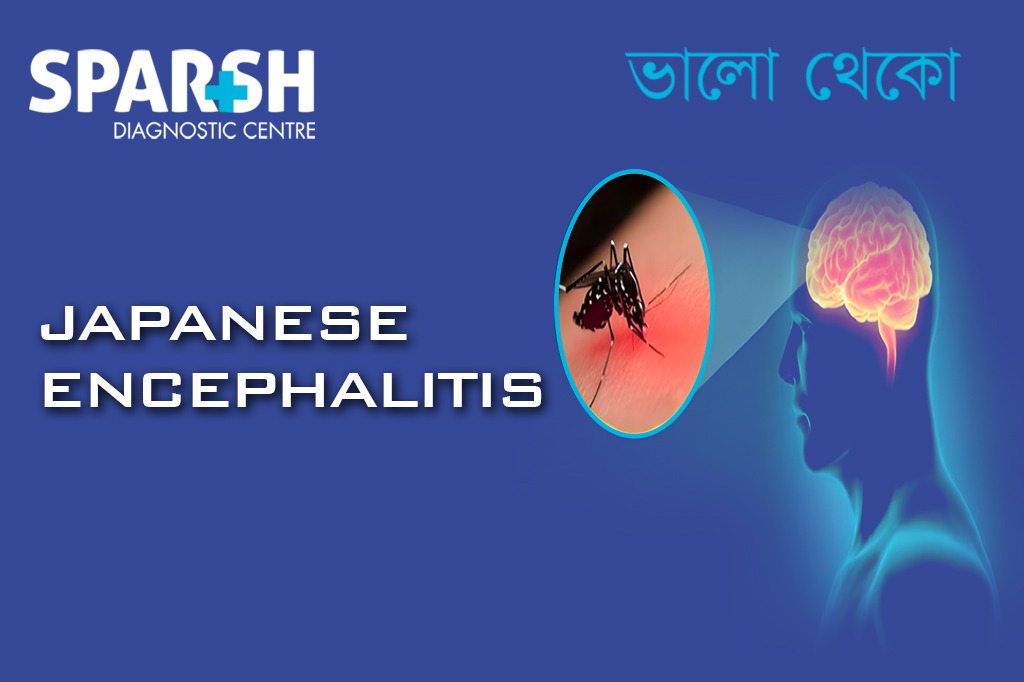
Japanese Encephalitis (JE) is a serious viral infection that affects the brain and can cause inflammation, leading to neurological complications and even death in severe cases. It is one of the leading causes of viral encephalitis in Asia, including India, and primarily spreads through mosquito bites. While most infections are mild or asymptomatic, severe cases can cause permanent brain damage or paralysis.
Early recognition of symptoms and prompt diagnosis are crucial for effective management. Let’s explore what Japanese Encephalitis is, how it spreads, its symptoms, diagnosis, treatment options, and preventive measures.
What is Japanese Encephalitis?
Japanese Encephalitis is caused by the Japanese Encephalitis Virus (JEV), a flavivirus closely related to dengue, West Nile, and yellow fever viruses. It is transmitted primarily by Culex mosquitoes, which breed in rice fields, ponds, and areas with stagnant water.
Humans are incidental hosts, meaning the virus does not spread directly from person to person. Instead, mosquitoes transmit the virus from infected animals (mainly pigs and wading birds) to humans.
The infection can range from mild fever to severe brain inflammation (encephalitis), making early detection and preventive care essential.
How Does Japanese Encephalitis Spread?
The transmission cycle involves mosquitoes, pigs, and wading birds:
Mosquitoes bite infected animals, acquiring the virus.
These infected mosquitoes then bite humans, transmitting the virus into the bloodstream.
The virus travels to the brain, causing inflammation and neurological symptoms.
JE is more common in rural and peri-urban areas, especially during and after monsoon seasons when mosquito populations are high.
Who is at Risk?
Anyone can be infected with Japanese Encephalitis, but the following groups are at higher risk:
Children under 15 years (most commonly affected)
People living in rural or semi-rural areas
Agricultural workers or those frequently outdoors
Travelers to endemic regions (particularly in South and Southeast Asia)
Unvaccinated individuals
In India, states like Assam, Uttar Pradesh, Bihar, and West Bengal report frequent outbreaks, especially during the monsoon.
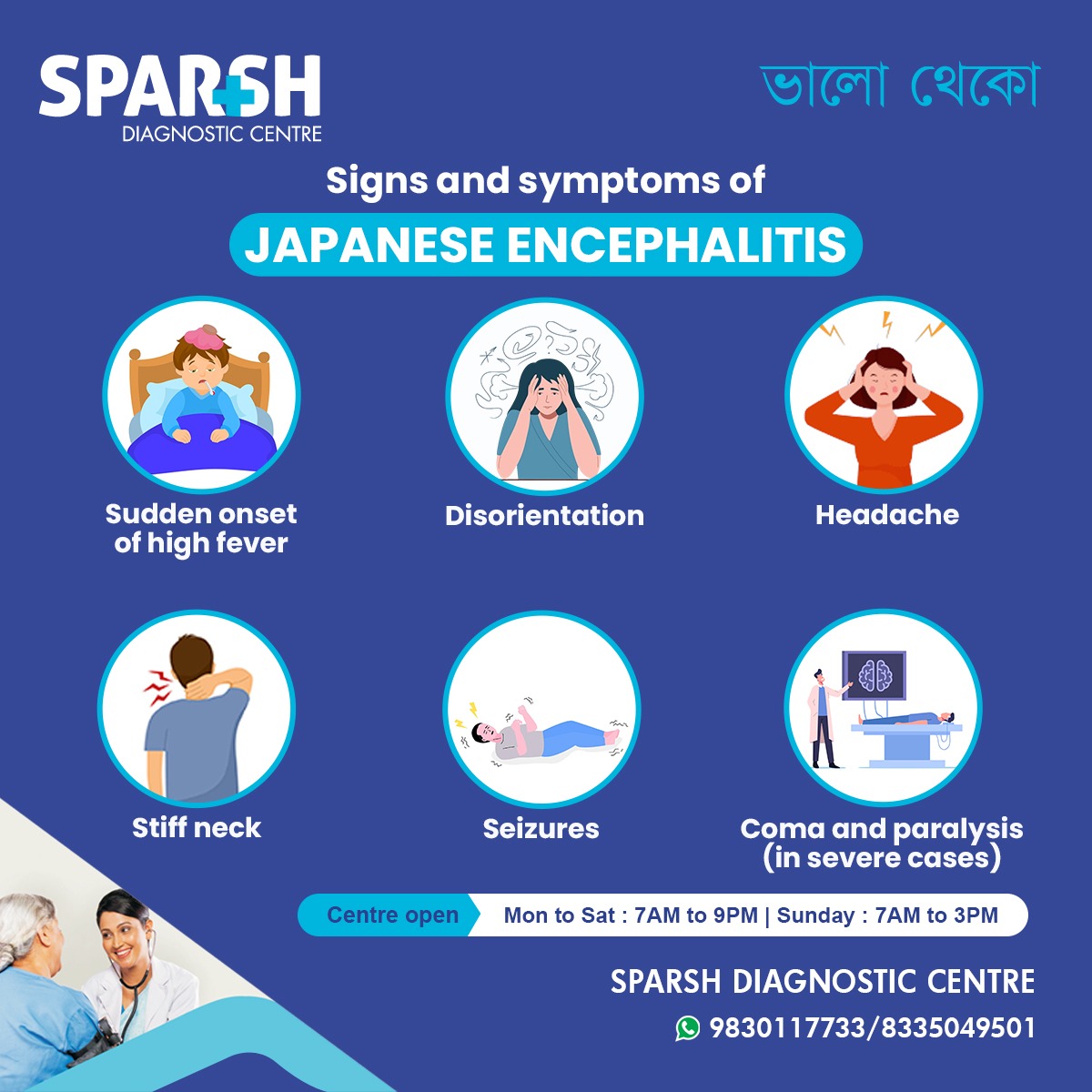
Signs and Symptoms of Japanese Encephalitis
Key symptoms include:
Disorientation or confusion
Stiff neck
Coma and paralysis (in severe cases)
Stages of Illness
Incubation Period (5–15 days):
The virus remains in the body without showing symptoms.Initial Symptoms:
Acute Encephalitic Stage:
High fever
Stiff neck
Tremors
Muscle rigidity
Behavioral changes
Recovery or Chronic Phase:
Some patients recover fully, while others may develop long-term complications such as:Speech difficulties
Cognitive impairment
Complications of Japanese Encephalitis
Severe JE can lead to life-threatening complications, including:
Coma
Paralysis
Psychiatric disturbances
Memory loss
Permanent neurological disabilities
Even with intensive care, the mortality rate can reach up to 30%, and 30–50% of survivors may experience long-term neurological problems.
Diagnosis of Japanese Encephalitis
Since symptoms resemble other viral infections like meningitis or dengue, laboratory testing is essential for confirmation.
Diagnostic Tests at Sparsh Diagnostic Centre
Blood Tests:
Detection of JEV-specific IgM antibodies using ELISA.
General blood tests to check for inflammation markers.
Cerebrospinal Fluid (CSF) Analysis:
Helps confirm brain infection by detecting antibodies in the CSF.
Neuroimaging (CT or MRI Scan):
Identifies brain swelling or lesions consistent with encephalitis.
Evaluates brain wave activity in patients with seizures or altered consciousness.
Prompt testing can help ensure timely diagnosis and treatment.
Treatment for Japanese Encephalitis
There is no specific antiviral treatment for Japanese Encephalitis. Care focuses on supportive management to relieve symptoms and prevent complications.
Supportive Treatment Includes:
Hospitalization for monitoring vital signs and neurological functions
Fluids and electrolyte balance to prevent dehydration
Medications to control fever and seizures
Assisted breathing in severe cases
Physiotherapy and rehabilitation for long-term recovery
Early medical intervention can significantly reduce the risk of permanent brain damage or death.
Prevention of Japanese Encephalitis
Since there’s no direct cure, prevention is the best approach to combat JE.
1. Vaccination
Vaccination is the most effective preventive measure.
The JE vaccine is recommended for:
Children living in or traveling to endemic areas
Adults who work outdoors in such regions
In India, the SA 14-14-2 vaccine is commonly used in the Universal Immunization Programme (UIP).
2. Mosquito Control Measures
Use mosquito repellents, coils, or vaporizers.
Install mosquito nets and window screens.
Avoid outdoor exposure during dawn and dusk, when mosquitoes are most active.
Eliminate stagnant water sources (e.g., pots, drains, buckets) to prevent mosquito breeding.
3. Personal Protective Measures
Wear long-sleeved clothing and covered footwear outdoors.
Apply DEET-based mosquito repellents on exposed skin.
4. Community-Level Measures
Proper drainage systems to avoid waterlogging.
Fogging and spraying in endemic areas.
Vaccination drives in high-risk districts.
Prognosis and Long-Term Effects
While mild infections recover fully, severe cases may result in lasting neurological issues. Early treatment and rehabilitation improve outcomes.
Possible long-term complications include:
Cognitive impairment
Speech or hearing loss
Muscle weakness
Seizure disorders
Behavioral changes
Children are more vulnerable to such complications, highlighting the importance of preventive vaccination and early detection.
Japanese Encephalitis vs. Other Types of Encephalitis
| Feature | Japanese Encephalitis | Viral Encephalitis (General) | Bacterial Meningitis |
|---|---|---|---|
| Causative Agent | JEV (Flavivirus) | HSV, CMV, West Nile Virus | Bacteria (Neisseria, Streptococcus) |
| Transmission | Mosquito bite | Variable (airborne, contact, mosquito) | Person-to-person |
| Common Symptoms | Fever, headache, seizures, coma | Fever, altered mental state | Fever, stiff neck, rash |
| Treatment | Supportive | Antivirals (in some cases) | Antibiotics |
| Prevention | Vaccine, mosquito control | Hygiene, vaccination (where available) | Vaccination |
Japanese Encephalitis in India
India reports thousands of JE cases annually, especially in eastern and northeastern regions. The government runs vaccination campaigns and awareness programs during the monsoon season.
States like Assam, Uttar Pradesh, Bihar, and West Bengal have dedicated monitoring units to control outbreaks.
At Sparsh Diagnostic Centre, patients can avail JE antibody tests, neurological evaluations, and imaging services for early detection and management.
When to See a Doctor
Seek medical attention immediately if you or your child experience:
Persistent high fever with headache
Disorientation or confusion
Seizures or muscle rigidity
Stiff neck and vomiting
Sudden weakness or paralysis
Early diagnosis can save lives and prevent long-term damage.
Why Choose Sparsh Diagnostic Centre
At Sparsh Diagnostic Centre, we are committed to early detection and comprehensive care. Our advanced diagnostic tools and expert team ensure accurate results and timely management of diseases like Japanese Encephalitis.
Services offered:
JE Antibody Testing (IgM ELISA)
Brain MRI and CT Scans
EEG for seizure evaluation
Complete blood and CSF analysis
FAQs About Japanese Encephalitis
1. What causes Japanese Encephalitis?
Japanese Encephalitis is caused by the Japanese Encephalitis Virus, transmitted through mosquito bites, primarily from the Culex species.
2. Is Japanese Encephalitis contagious?
No. The virus does not spread directly from person to person.
3. How is Japanese Encephalitis diagnosed?
Diagnosis is confirmed through IgM antibody tests, CSF analysis, and neuroimaging.
4. What is the treatment for Japanese Encephalitis?
There is no specific antiviral treatment; care focuses on managing symptoms, reducing brain swelling, and preventing complications.
5. Can Japanese Encephalitis be prevented?
Yes, through vaccination and mosquito control measures like repellents, nets, and eliminating stagnant water.
6. What are the chances of recovery?
Most patients recover with timely medical care, but severe cases may lead to permanent neurological damage or death.
7. Who should get vaccinated?
Children and adults living in or traveling to endemic areas should receive the JE vaccine.
8. What is the incubation period of JE?
Symptoms usually appear 5–15 days after being bitten by an infected mosquito.
9. How is JE different from dengue or malaria?
JE primarily affects the brain, while dengue and malaria target other organs like the liver and blood.
10. Where can I get tested for Japanese Encephalitis?
You can get JE testing and related diagnostic services at Sparsh Diagnostic Centre in Kolkata.
Japanese Encephalitis is a preventable yet potentially fatal disease. Awareness, vaccination, and mosquito control are key to safeguarding public health. Early detection through reliable diagnostic testing can make all the difference in recovery and long-term well-being.
If you notice any symptoms such as high fever, confusion, or seizures, don’t delay — visit Sparsh Diagnostic Centre for timely evaluation and expert guidance.
✅ Stay safe. Stay protected.
📞 Call 9830117733 / 8335049501 to book your JE test today.
🌐 Visit www.sparshdiagnostica.com
#BhaloTheko
Disclaimer:
No content on this site, regardless of date, should ever be used as a substitute for direct medical advice from your doctor or other qualified clinician.



[…] Mosquito-borne viruses (e.g., West Nile virus, Japanese encephalitis virus) […]