

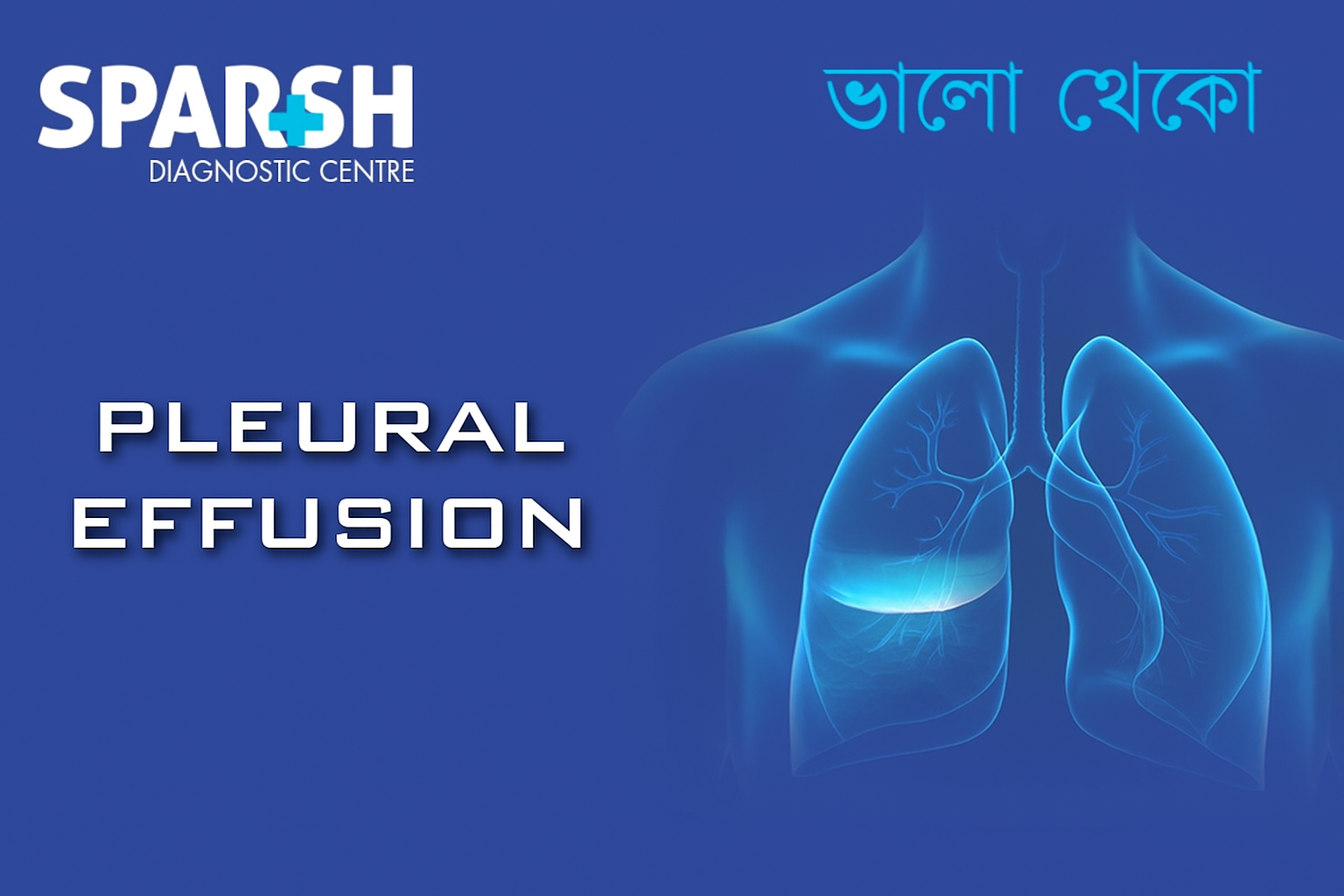
Pleural effusion, often called “water on the lungs,” is a condition in which excess fluid builds up between the layers of tissue that line the lungs and chest cavity. While a small amount of pleural fluid is normal to lubricate the lungs during breathing, an abnormal accumulation can interfere with lung expansion, causing shortness of breath, chest pain, and other complications.
Pleural effusion is not a disease itself but usually a sign of an underlying health problem, such as heart failure, pneumonia, tuberculosis, liver disease, kidney disease, or cancer. Understanding its causes, symptoms, diagnostic methods, and treatment options is essential for early intervention and effective management.
In this comprehensive guide, we’ll explore pleural effusion in detail, from what it is and why it happens to how it’s diagnosed and treated.
What is Pleural Effusion?
The pleura is a thin membrane with two layers – one covering the lungs (visceral pleura) and the other lining the chest wall (parietal pleura). The space between these two layers is called the pleural cavity. Normally, this cavity contains a small amount of fluid that acts as a lubricant during breathing.
When excess fluid accumulates in this cavity, it is referred to as pleural effusion. This buildup can be due to increased fluid production, reduced fluid absorption, or both.
Types of Pleural Effusion
Pleural effusions are broadly categorized based on the nature of the fluid:
Transudative Pleural Effusion
Caused by systemic factors such as increased pressure in blood vessels or low protein levels.
Commonly associated with congestive heart failure, cirrhosis, or nephrotic syndrome.
The fluid is usually clear and low in protein.
Exudative Pleural Effusion
Caused by local factors such as inflammation, infection, or malignancy.
Common causes include pneumonia, tuberculosis, pulmonary embolism, and cancer.
The fluid is rich in protein, white blood cells, and sometimes cancer cells.
Collection of blood in the pleural cavity, usually due to trauma, surgery, or cancer.
Chylothorax
Accumulation of lymphatic fluid (chyle) in the pleural cavity, often due to trauma or obstruction of the thoracic duct.
Pus in the pleural space, usually caused by bacterial infection.
Causes of Pleural Effusion
Pleural effusion can result from various medical conditions. The most common causes include:
Congestive Heart Failure (CHF): The most frequent cause, where increased pressure in the lungs’ blood vessels forces fluid into the pleural cavity.
Liver Cirrhosis: Reduced protein levels and increased pressure in abdominal veins (portal hypertension) lead to fluid leakage.
Kidney Disease: Low protein levels (hypoalbuminemia) cause fluid buildup.
Pneumonia: Infection and inflammation cause exudative effusion.
Tuberculosis: Particularly common in developing countries.
Cancer: Lung cancer, breast cancer, and lymphoma can cause malignant pleural effusion.
Pulmonary Embolism: Blockage in lung arteries can lead to pleural fluid accumulation.
Trauma or Surgery: Injury to the chest or surgical procedures can cause hemothorax or chylothorax.
Symptoms of Pleural Effusion
The severity of symptoms depends on the amount of fluid and the underlying cause. Common symptoms include:
Chest pain, especially sharp pain that worsens with deep breaths (pleuritic pain)
Dry cough
Fever and chills (if infection is present)
Hiccups (due to diaphragm irritation)
Reduced exercise tolerance
Weight loss and fatigue (in cases of cancer-related effusion)
In mild pleural effusions, patients may not experience noticeable symptoms until the fluid accumulation increases.
Complications of Pleural Effusion
If untreated, pleural effusion can lead to complications such as:
Lung Collapse (Atelectasis): Due to pressure from the fluid.
Empyema: Development of pus in the pleural cavity.
Fibrosis: Thickening of the pleural lining, restricting lung expansion.
Respiratory Failure: Severe cases may impair oxygen exchange.
Diagnosis of Pleural Effusion
Diagnosing pleural effusion involves a combination of medical history, physical examination, and imaging or lab tests.
Medical History and Physical Exam
Doctors listen for reduced or absent breath sounds and dullness on chest percussion.
Imaging Tests
Chest X-ray: Reveals fluid buildup, often first step in diagnosis.
Ultrasound: Detects small amounts of fluid and guides thoracentesis.
CT Scan: Provides detailed images to identify underlying causes like cancer or infection.
Pleural Fluid Analysis (Thoracentesis)
A sample of pleural fluid is taken using a needle.
The fluid is analyzed for protein, glucose, pH, white cells, bacteria, and cancer cells.
Helps differentiate between transudative and exudative effusion.
Blood Tests
Assess kidney function, liver function, infection markers, and cancer markers.
Biopsy (if needed)
Pleural tissue sample may be taken if malignancy or tuberculosis is suspected.
Treatment of Pleural Effusion
Treatment depends on the underlying cause, size of the effusion, and symptoms.
Treating the Underlying Cause
Heart failure: Diuretics and medications to reduce fluid overload.
Liver cirrhosis: Salt restriction, diuretics, and sometimes shunt procedures.
Kidney disease: Dialysis or medications to restore fluid balance.
Infections (pneumonia, TB): Antibiotics or anti-tuberculosis drugs.
Cancer: Chemotherapy, radiotherapy, or targeted therapy.
Draining the Fluid
Thoracentesis: A needle removes excess fluid, providing immediate relief.
Chest Tube Insertion: A tube drains fluid in cases of empyema or recurrent effusion.
Pleurodesis: A procedure that fuses the pleural layers to prevent recurrent fluid buildup, often used in cancer-related effusion.
Surgery (in severe or recurrent cases)
Video-Assisted Thoracoscopic Surgery (VATS): Minimally invasive procedure to remove fluid, perform pleurodesis, or biopsy.
Decortication: Removal of thickened pleura to allow lung expansion.
Prevention and Lifestyle Management
While pleural effusion itself may not always be preventable, managing underlying conditions can reduce risk:
Regular treatment for heart, liver, or kidney disease.
Completing full courses of antibiotics for infections.
Regular cancer screenings and follow-up.
Avoiding smoking and exposure to harmful chemicals.
Maintaining a healthy lifestyle with balanced diet and exercise.
Outlook and Prognosis
The prognosis of pleural effusion depends on the cause:
Heart failure-related effusion usually improves with proper medication.
Infection-related effusion often resolves with antibiotics and drainage.
Malignant effusion may recur and often indicates advanced cancer, requiring long-term management.
Early detection and appropriate treatment greatly improve outcomes.
Frequently Asked Questions (FAQ)
Q1. Is pleural effusion life-threatening?
Pleural effusion itself is not always life-threatening, but it can become dangerous if large amounts of fluid compress the lungs or if it’s caused by serious conditions like cancer, tuberculosis, or severe infections.
Q2. Can pleural effusion go away on its own?
Small effusions may resolve on their own, especially if caused by minor infections or heart failure controlled with medication. However, most cases require medical evaluation and treatment.
Q3. How much fluid is considered a pleural effusion?
Normally, the pleural cavity contains less than 20 ml of fluid. An effusion is usually detectable on X-ray when more than 200–300 ml accumulates.
Q4. What foods are good for pleural effusion patients?
A balanced diet low in sodium is recommended, especially for heart or liver-related effusion. High-protein foods may help in cases related to low albumin levels. Always follow a doctor’s dietary advice.
Q5. How is malignant pleural effusion treated?
Treatment may include repeated drainage, pleurodesis, or indwelling pleural catheters. The focus is often on symptom relief and improving quality of life.
Q6. Can pleural effusion come back after treatment?
Yes, especially in cases caused by cancer, liver cirrhosis, or kidney disease. Preventive measures like pleurodesis or long-term drainage tubes may be needed.
Q7. What is the difference between pleural effusion and pneumonia?
Pneumonia is an infection of the lung tissue, while pleural effusion is fluid accumulation around the lungs. Pneumonia can sometimes lead to effusion.
Q8. How long does it take to recover from pleural effusion?
Recovery depends on the cause and severity. Some cases improve within days after drainage, while others may require weeks to months of treatment and monitoring.
Pleural effusion is a sign of an underlying medical problem rather than a disease itself. From heart failure and infections to cancer, many conditions can lead to fluid buildup around the lungs. Recognizing symptoms such as shortness of breath, chest pain, and persistent cough is key to early diagnosis.
With timely evaluation, accurate diagnosis, and targeted treatment, most patients can find relief and prevent complications. However, recurrent effusions, particularly those linked to malignancy, may require long-term management strategies.
If you or a loved one experience unexplained breathing difficulties or chest discomfort, consult a healthcare provider for a thorough evaluation.
#BhaloTheko
Disclaimer:
No content on this site, regardless of date, should ever be used as a substitute for direct medical advice from your doctor or other qualified clinician.



[…] Pleural Effusion or Pneumothorax: Fluid or air accumulation around the lungs can cause shortness of breath and rapid breathing. […]
[…] and impairing breathing. This condition often arises as a complication of other diseases such as pleural effusion, empyema, or […]
[…] Pleural effusion: Fluid accumulation around the lungs. […]
[…] Pleural effusion: In more severe cases, fluid can accumulate in the pleural space, causing additional symptoms like increased difficulty breathing and a feeling of chest heaviness or tightness. […]
[…] of fluid (pleural effusion), air (pneumothorax), or blood (hemothorax) in the pleural […]
[…] Pleural effusion (fluid buildup around the lungs) […]
[…] M1a: Cancer has spread within the chest, affecting the pleura (lining of the lungs) or causing pleural effusion (fluid buildup around the lungs). […]