In today’s fast-paced world, lifestyle choices play a massive role in shaping our health. Unlike infectious diseases caused by bacteria or viruses, lifestyle diseases develop over time due to unhealthy daily habits such as poor diet, lack of exercise, smoking, alcohol consumption, and stress. These conditions are not only the leading cause of premature death worldwide but also significantly affect quality of life.
The good news is that lifestyle diseases are largely preventable with timely awareness, early diagnosis, and healthy living. In this comprehensive blog, we’ll explore what lifestyle diseases are, their most common types, causes, symptoms, prevention strategies, and treatment options.
What Are Lifestyle Diseases?
Lifestyle diseases, also known as non-communicable diseases (NCDs), are conditions linked to the way people live their daily lives. They usually develop slowly and progress over time, often due to poor lifestyle habits and environmental factors.
Key Features of Lifestyle Diseases:
Non-infectious: They are not spread from person to person.
Chronic: They often persist for years or even a lifetime.
Progressive: Symptoms may worsen if left untreated.
Preventable: A large proportion can be avoided by adopting healthy lifestyle choices.
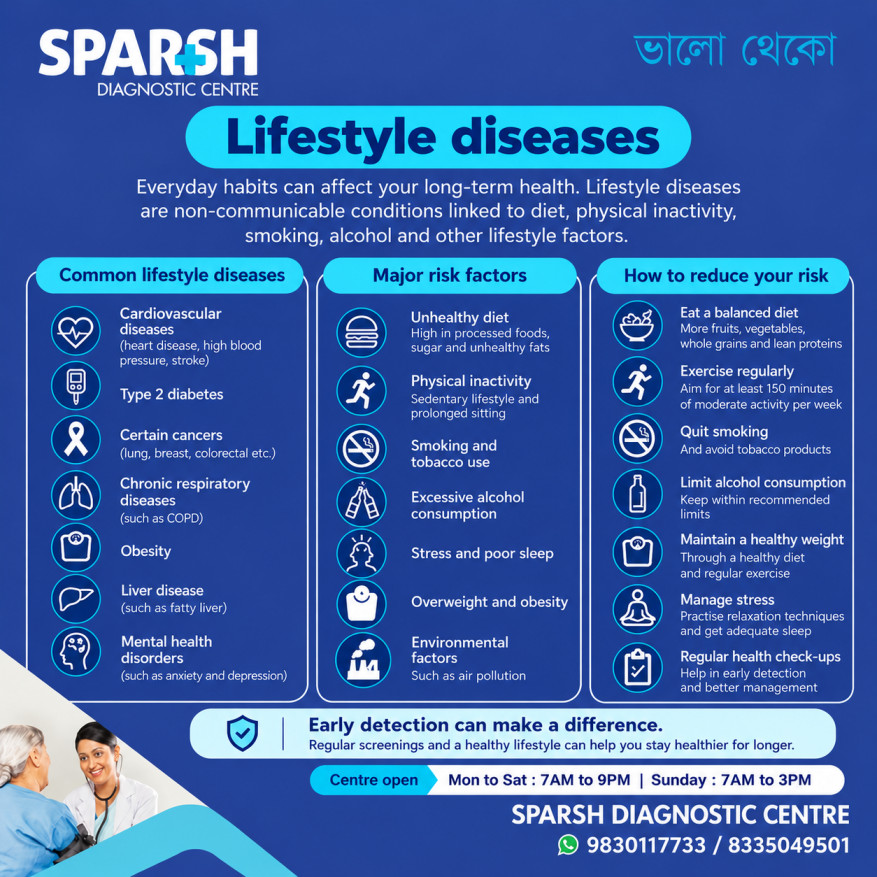
Common Lifestyle Diseases
1. Cardiovascular Diseases (CVDs)
These include heart attacks, stroke, hypertension, and coronary artery disease. Risk factors include poor diet, smoking, lack of physical activity, and obesity.
2. Type 2 Diabetes
Often called “adult-onset diabetes,” this condition results from insulin resistance and high blood sugar levels, mainly caused by obesity, poor diet, and inactivity.
3. Cancer
Certain cancers, such as lung, breast, colorectal, and liver cancer, are strongly linked to lifestyle factors like smoking, alcohol consumption, poor diet, and exposure to carcinogens.
4. Chronic Respiratory Diseases
Diseases such as chronic obstructive pulmonary disease (COPD) and asthma are often worsened by smoking, air pollution, and occupational hazards.
5. Obesity
A growing global epidemic, obesity increases the risk of heart disease, diabetes, joint problems, and even some cancers.
6. Stroke
A stroke occurs when blood flow to the brain is interrupted. High blood pressure, smoking, and poor diet are significant risk factors.
7. Liver Disease
Alcoholic liver disease and non-alcoholic fatty liver disease (NAFLD) are both linked to lifestyle factors, including heavy alcohol use, obesity, and poor nutrition.
8. Mental Health Disorders
Stress, anxiety, and depression are increasingly recognized as lifestyle-related conditions, exacerbated by work pressure, social isolation, and poor sleep habits.
Causes and Risk Factors of Lifestyle Diseases
Lifestyle diseases are primarily caused by poor habits and environmental influences.
Major Risk Factors:
Unhealthy Diet – High intake of processed foods, refined sugar, trans fats, and low fiber.
Physical Inactivity – Sedentary lifestyle due to desk jobs and lack of exercise.
Smoking and Tobacco Use – Strongly linked to lung cancer, heart disease, and respiratory illnesses.
Excessive Alcohol Consumption – Increases risk of liver disease, heart problems, and cancer.
Stress and Poor Sleep – Chronic stress and lack of sleep negatively impact the immune system and mental health.
Obesity – A key driver for diabetes, heart disease, and hypertension.
Environmental Factors – Exposure to pollution, chemicals, and unhealthy working conditions.
Warning Signs and Symptoms
Although lifestyle diseases develop gradually, some warning signs should not be ignored:
Sudden weight gain or loss
High blood pressure or blood sugar readings
Sleep disturbances
Digestive problems
Mood swings, anxiety, or depression
How to Prevent Lifestyle Diseases
Prevention is always better than cure, and lifestyle diseases are highly preventable through simple yet consistent changes.
1. Adopt a Balanced Diet
Eat plenty of fruits, vegetables, whole grains, and lean proteins.
Limit processed foods, sugary drinks, and fast food.
Reduce salt and trans fats.
2. Stay Physically Active
Engage in at least 150 minutes of moderate exercise per week.
Include cardio, strength training, and flexibility exercises.
3. Quit Smoking and Limit Alcohol
Seek professional help or counseling to quit smoking.
Stick to moderate or no alcohol consumption.
4. Maintain a Healthy Weight
Monitor BMI and waist circumference regularly.
Balance calorie intake with physical activity.
5. Manage Stress
Practice meditation, yoga, or mindfulness.
Get adequate sleep (7–9 hours per night).
6. Regular Health Check-Ups
Routine screenings such as blood pressure, cholesterol, and blood sugar tests help in early detection.
Diagnostic imaging like CT scans, MRIs, and ultrasounds can detect internal issues early.
Management and Treatment of Lifestyle Diseases
When prevention falls short, managing lifestyle diseases involves a combination of medical treatment and lifestyle modification.
Medical Management:
Medications: Antihypertensives, insulin, cholesterol-lowering drugs, antidepressants.
Surgery: In cases of blocked arteries, organ damage, or cancer.
Therapy: Pulmonary rehabilitation, physiotherapy, or psychotherapy.
Lifestyle Management:
Nutritional counseling
Regular physical activity under medical guidance
Stress management techniques
Support groups and community health programs
Impact of Lifestyle Diseases
Lifestyle diseases don’t just affect individuals—they also impact society and the economy.
Healthcare Costs: Long-term treatment is expensive.
Reduced Productivity: Frequent illness reduces work efficiency.
Emotional Burden: Chronic diseases affect mental well-being.
Family Strain: Caregiving responsibilities affect family members.
Global Burden of Lifestyle Diseases
According to the World Health Organization (WHO):
Non-communicable diseases account for 74% of global deaths.
Cardiovascular diseases are the leading cause, followed by cancer, respiratory diseases, and diabetes.
More than 85% of premature deaths from NCDs occur in low- and middle-income countries.
Lifestyle Diseases in India
India faces a growing epidemic of lifestyle diseases:
Over 77 million people in India live with diabetes.
1 in 4 adults has high blood pressure.
Lifestyle diseases account for 60% of all deaths in the country.
The urban population, due to sedentary jobs and unhealthy diets, is particularly vulnerable.
Role of Diagnostic Centres in Combating Lifestyle Diseases
Early detection plays a vital role in managing lifestyle diseases. Advanced diagnostic centres like Sparsh Diagnostic Centre offer a range of health check-ups, imaging scans, and blood tests that help in the early identification of risk factors and timely intervention.
Regular health screenings not only save lives but also reduce the burden of complications.
Lifestyle diseases are a growing health crisis worldwide, but they are not inevitable. By making informed lifestyle choices, undergoing regular health check-ups, and seeking timely treatment, we can significantly reduce their impact. Your health is in your hands—small changes today can protect you from major health issues tomorrow.
FAQs on Lifestyle Diseases
Q1. What are the most common lifestyle diseases?
The most common lifestyle diseases include cardiovascular disease, diabetes, cancer, chronic respiratory disease, and obesity.
Q2. Can lifestyle diseases be reversed?
In many cases, yes. With early intervention, weight loss, healthy diet, exercise, and medical support, conditions like Type 2 diabetes and hypertension can be managed and even reversed.
Q3. How often should I get health check-ups?
Adults should have at least one comprehensive health check-up annually, especially if they have risk factors like obesity, smoking, or family history of chronic disease.
Q4. Are lifestyle diseases genetic?
Genetics may increase susceptibility, but lifestyle choices play a greater role in their development.
Q5. Can stress really cause lifestyle diseases?
Yes. Chronic stress can lead to hypertension, heart disease, weakened immunity, and mental health disorders.
Q6. How can diagnostic centres help in preventing lifestyle diseases?
Diagnostic centres provide early detection through screenings like blood sugar, cholesterol, liver function, CT scans, MRIs, and ultrasounds, helping to catch problems before they worsen.
#BhaloTheko
Disclaimer:
No content on this site, regardless of date, should ever be used as a substitute for direct medical advice from your doctor or other qualified clinician.