A blood clot can develop quietly, without obvious warning signs, and sometimes lead to a life-threatening medical emergency. Although blood clotting is essential for stopping bleeding after an injury, a clot that forms inside a blood vessel can obstruct normal circulation and damage vital organs.
This is why World Thrombosis Day, observed every year on 13 October, is an important opportunity to raise awareness about blood clots, understand their risk factors and recognise symptoms that need urgent medical attention.
World Thrombosis Day 2026 places a special focus on women’s health, highlighting how the risk of developing blood clots can change throughout life. Hormonal changes, pregnancy, the period after childbirth and menopause-related treatments are among the factors that deserve attention.
At Sparsh Diagnostic Centre, we believe that better health begins with awareness and timely medical care. Understanding thrombosis can help people make informed decisions, recognise warning signs and speak to their doctors about prevention.
In this article, we explain what World Thrombosis Day means, the theme for 2026, what causes thrombosis, how to recognise a blood clot, and the steps that may help reduce your risk.
What is World Thrombosis Day?
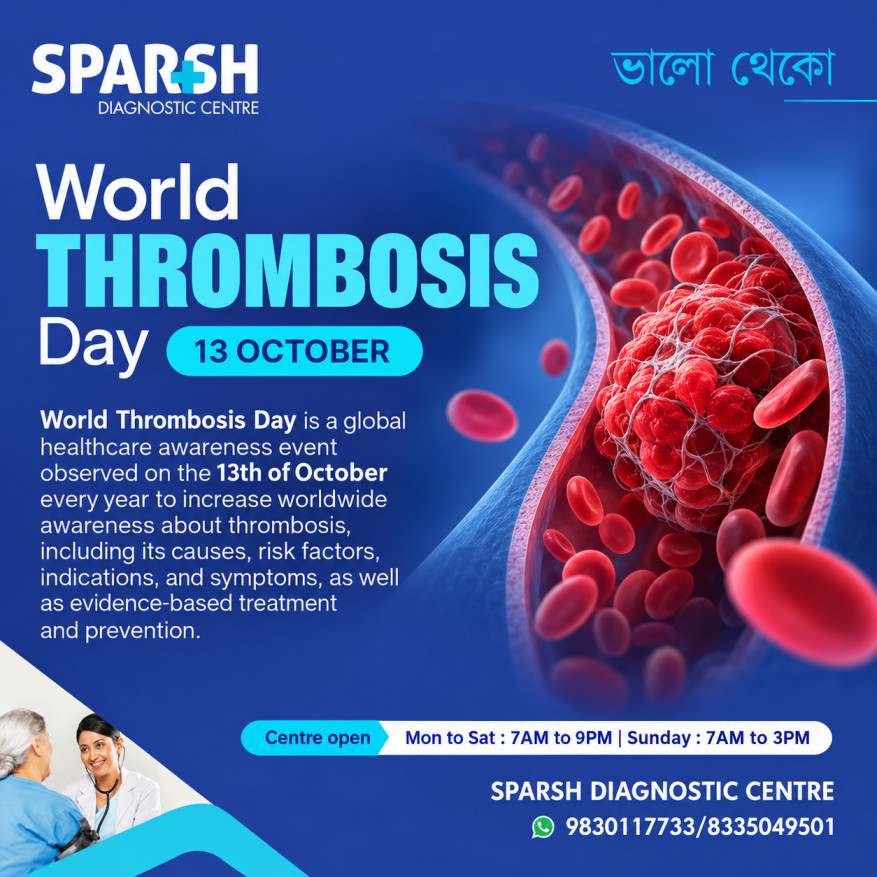
World Thrombosis Day is a global healthcare awareness campaign observed annually on 13 October. It was established in 2014 by the International Society on Thrombosis and Haemostasis (ISTH) to increase public understanding of thrombosis and its potentially serious consequences.
The campaign brings together healthcare professionals, hospitals, patient organisations, researchers and communities to spread awareness about blood clots, their causes, symptoms, prevention and treatment.
The date was chosen to coincide with the birthday of Rudolf Virchow, the German physician and pathologist whose work made important contributions to the understanding of thrombosis.
The purpose of World Thrombosis Day is straightforward: to help more people recognise blood clot risks, seek appropriate medical care and understand that some serious complications can be prevented.
Thrombosis is particularly important because it is associated with several major medical emergencies, including deep vein thrombosis, pulmonary embolism, heart attack and certain types of stroke.
Many people are familiar with conditions such as heart disease and stroke but may not realise that a blood clot can play a central role in these events.
World Thrombosis Day encourages people to look beyond the term “blood clot” and understand how clots develop, who may be at risk and why recognising symptoms early matters.
What is the theme for World Thrombosis Day in 2026?
The 2026 World Thrombosis Day campaign focuses on women’s health and blood clot risks across the lifespan.
Its central message is that blood clot risk can change at different stages of a woman’s life. Understanding these changes, recognising warning signs and discussing personal risk factors with a healthcare professional can help women make informed decisions about their health.
The campaign also carries the message: “From head to toe, take control: Prevent thrombosis. Protect your health.”
Although thrombosis can affect anyone, certain factors associated with women’s reproductive and hormonal health can influence the likelihood of developing a blood clot.
These include:
- Pregnancy: Changes in blood clotting help prepare the body for childbirth, but they also increase the risk of venous blood clots.
- The postpartum period: The risk remains elevated after delivery, particularly during the first six weeks.
- Hormonal contraception: Some contraceptives containing oestrogen can increase the risk of blood clots.
- Hormone therapy: Certain treatments used around menopause may affect clotting risk.
- Other medical conditions: Obesity, cancer, previous blood clots, surgery and prolonged immobility can further increase risk.
This focus does not mean that thrombosis is exclusively a women’s health issue. Men, children and older adults can also develop blood clots. The campaign highlights the importance of recognising risks that may otherwise be overlooked at different stages of life.
For women who are pregnant, planning a pregnancy, recently delivered a baby or considering hormonal treatment, discussing individual risk factors with a doctor is especially important.
What is thrombosis?
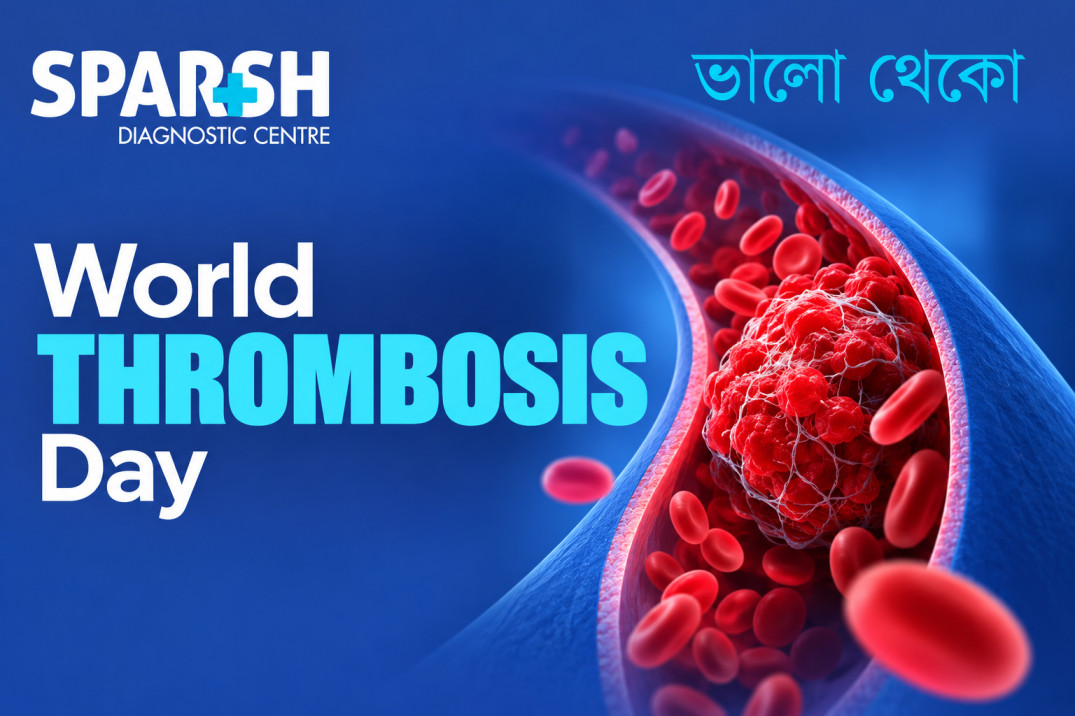
Thrombosis is the formation of a blood clot, also called a thrombus, inside a blood vessel. The vessel may be a vein or an artery.
Blood normally flows through the circulatory system to deliver oxygen and nutrients to tissues. When a clot forms inside a vessel, it can partially or completely block this flow.
The consequences depend on where the clot develops, how large it is and whether it travels to another part of the body.
There are two main types of thrombosis.
Venous thrombosis
Venous thrombosis occurs when a clot develops in a vein, which carries blood back towards the heart.
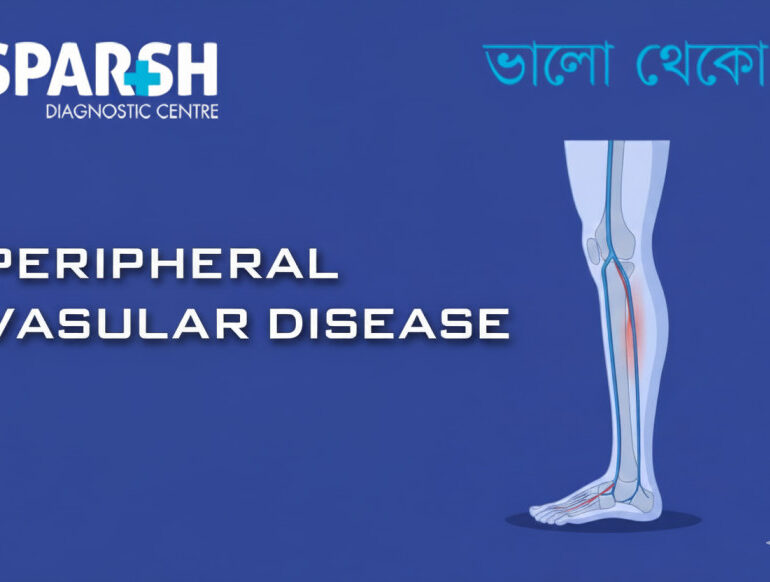
One of the best-known forms is deep vein thrombosis (DVT). It usually develops in a deep vein of the leg, although it can also occur in the pelvis, arm or other locations.
A DVT may cause swelling, pain, tenderness, warmth or changes in skin colour. However, some people experience few or no noticeable symptoms.
A major concern is that part of the clot can break away and travel through the bloodstream to the lungs, causing a pulmonary embolism (PE). This can be life-threatening.
Arterial thrombosis
Arterial thrombosis occurs when a clot forms in an artery. Arteries carry oxygen-rich blood away from the heart.
An arterial clot can interrupt blood supply to vital organs. Depending on its location, it may contribute to a heart attack, an ischemic stroke or acute limb ischaemia, in which blood flow to an arm or leg is suddenly reduced.
Both venous and arterial thrombosis require appropriate medical assessment, but their symptoms, causes and treatments may differ.
What is the main cause of thrombosis?
There is no single cause of thrombosis. Blood clots generally develop because of changes in blood flow, damage to blood vessels or an increased tendency of blood to clot.
These mechanisms are commonly explained through Virchow’s triad, which describes three major contributors to clot formation.
1. Slow blood flow
When blood moves more slowly than usual, clots may form more easily. Prolonged bed rest, hospitalisation, recovery after surgery, long journeys and limited mobility can contribute to this problem.
2. Damage to blood vessels
Injury to a blood vessel can activate the body’s clotting system. This is a normal response to bleeding, but vascular injury associated with surgery, trauma or certain medical procedures may also increase the risk of unwanted clot formation.
3. Increased blood clotting tendency
Some people have conditions that make their blood more likely to clot. These may be inherited or acquired. Examples include certain clotting disorders, active cancer, pregnancy and the use of some hormone-based medicines.
Often, thrombosis develops because several risk factors occur together rather than because of one isolated cause.
For example, a person recovering from major surgery may have reduced mobility, inflammation and other temporary changes that increase the likelihood of a clot.
Who is at risk of developing blood clots?
Blood clots can occur at any age. However, certain circumstances and medical conditions can increase the risk.
Common risk factors include:
- Previous deep vein thrombosis or pulmonary embolism.
- A family history of blood clots or an inherited clotting disorder.
- Major surgery, serious injury or hospitalisation.
- Prolonged sitting or bed rest.
- Active cancer and some cancer treatments.
- Pregnancy and the period after childbirth.
- Certain hormonal contraceptives and hormone therapies.
- Increasing age and obesity.
- Smoking.
- Certain chronic inflammatory or medical conditions.
Long-distance travel may increase risk when it involves sitting still for extended periods, particularly in people who already have other risk factors.
Having one or more risk factors does not mean that a blood clot will definitely develop. Equally, a person without an obvious risk factor can still experience thrombosis.
If you have a history of blood clots, are preparing for major surgery or have concerns about a medicine that may affect clotting, discuss prevention with your doctor.
What are the signs of a blood clot forming?
The symptoms of thrombosis depend on where the clot develops. Some clots produce clear warning signs, while others may initially cause little discomfort.
Recognising the symptoms is important because a clot can become dangerous if it blocks blood flow or travels to a vital organ.
Signs of deep vein thrombosis
A blood clot in a deep vein, particularly in the leg, may cause:
- Swelling in one leg or arm.
- Pain, aching or tenderness that may feel like cramping.
- Warmth in the affected area.
- Redness, darkening or another change in skin colour.
- Swelling that develops without an obvious explanation.
The symptoms may be subtle. Not every person with DVT develops all these signs, and the absence of severe pain does not rule out a clot.
If you develop unexplained swelling or pain in one leg, seek prompt medical assessment. Do not assume that it is simply a muscle strain.
Signs of a pulmonary embolism
A pulmonary embolism occurs when a clot blocks an artery in the lungs. Warning signs may include:
- Sudden or unexplained shortness of breath.
- Chest pain, particularly pain that worsens with a deep breath.
- A rapid heartbeat.
- Coughing up blood.
- Dizziness, fainting or collapse.
A suspected pulmonary embolism is a medical emergency. Seek emergency medical care immediately rather than waiting for symptoms to improve.
Signs of an arterial blood clot
An arterial clot may cause symptoms such as:
- Chest pressure or pain, potentially with sweating, nausea or breathlessness.
- Sudden weakness or numbness on one side of the body.
- Facial drooping or difficulty speaking.
- Sudden loss of vision or balance.
- Sudden severe pain, paleness, coldness or weakness in an affected limb.
These symptoms can indicate a heart attack, stroke or acute loss of blood supply to a limb. Emergency assessment is essential.
How is thrombosis diagnosed?
Symptoms alone cannot reliably confirm or exclude a blood clot. Doctors assess the person’s symptoms, medical history, physical examination and risk factors before deciding which investigations are appropriate.
Depending on the suspected type and location of thrombosis, tests may include:
D-dimer blood test: D-dimer is a substance released when the body breaks down a blood clot. A negative result can help exclude certain clots in appropriately selected patients with a low or unlikely clinical probability. A positive result does not prove that a clot is present because D-dimer can rise for several other reasons.
Venous Doppler ultrasound: This imaging test evaluates blood flow through veins and is commonly used when deep vein thrombosis is suspected.
CT pulmonary angiography: This specialised CT scan can help identify clots in the arteries of the lungs when pulmonary embolism is suspected.
Other investigations: Depending on the situation, doctors may recommend an ECG, heart-related blood tests, other imaging studies or selected tests for clotting disorders.
The choice of test depends on the clinical assessment. Not every person needs every investigation, and testing should be guided by a qualified healthcare professional.
At Sparsh Diagnostic Centre, appropriate diagnostic investigations can form part of a doctor’s assessment and help support timely medical decision-making. If you are experiencing emergency symptoms such as sudden breathlessness, chest pain or stroke-like signs, seek emergency care immediately rather than delaying treatment to arrange routine testing.
How can thrombosis be prevented?
Not every blood clot can be prevented, but several measures can reduce risk, particularly when a person has known risk factors.
Keep moving regularly
Movement helps the muscles in the legs support the return of blood towards the heart.
If you work at a desk, travel for long periods or spend much of the day sitting, take regular movement breaks when possible. During long journeys, move your ankles, flex your feet and walk around when it is safe to do so.
People recovering from surgery or illness should follow their healthcare team’s advice on when and how to resume movement.
Stay hydrated
Drinking enough fluids supports normal body function. Water is a sensible everyday choice, particularly in hot weather or when travelling.
However, drinking water does not dissolve an existing clot or guarantee protection from thrombosis. People who have been advised to restrict fluids because of a heart or kidney condition should follow their doctor’s recommendations.
Avoid smoking
Smoking harms blood vessels and contributes to cardiovascular risk. Quitting can improve overall vascular health and is an important part of reducing preventable health risks.
Maintain a healthy weight
A balanced diet and regular physical activity can help manage weight and support cardiovascular health. People with existing medical conditions should choose an activity plan appropriate to their abilities.
Discuss your individual risk
Tell your doctor if you have previously had a blood clot, have a family history of thrombosis, are pregnant, are taking hormonal medication or are preparing for major surgery.
If you are admitted to hospital, ask whether your risk of venous thromboembolism has been assessed. Depending on your circumstances, your medical team may recommend early movement, prescribed anticoagulant medicines or appropriately fitted compression devices.
Compression stockings are not necessary for everyone and should be used when clinically indicated.
Follow prescribed treatment
People who have had thrombosis may need anticoagulant medicines to prevent clots from growing or new clots from forming. These medicines require medical supervision because they can increase bleeding risk.
Never start aspirin, anticoagulants or other blood-thinning medicines on your own to prevent or treat a suspected clot.
What is the best drink for blood clots?
Water is a good everyday drink for maintaining hydration, but there is no specific drink that can dissolve a blood clot or reliably prevent thrombosis.
Dehydration can affect normal body function, so drinking enough fluids is sensible. However, hydration is only one part of general health and should not be considered a treatment for an existing clot.
You do not need a special juice, herbal drink, lemon water or detox beverage to prevent thrombosis. There is also no good reason to rely on home remedies if you suspect a blood clot.
An existing clot may require urgent medical evaluation and treatment with anticoagulant medicines or other specialist interventions, depending on its location and severity.
If you experience symptoms such as unexplained one-sided leg swelling, sudden breathlessness or chest pain, do not try to manage them by drinking extra water. Seek appropriate medical care.
Why women’s blood clot awareness matters in 2026
This year’s campaign highlights an important point: blood clot risk is not necessarily constant throughout life.
Pregnancy changes the body’s clotting system, helping prepare for childbirth but also increasing the likelihood of venous thrombosis. The period after delivery is another important time to recognise warning signs.
Some hormonal contraceptives and menopause-related hormone treatments may also affect clot risk. The level of risk varies with the type of treatment and an individual’s health history.
Women should not stop prescribed contraception or hormone therapy without medical advice. Instead, they can discuss personal risk factors and the benefits and risks of different options with their healthcare professional.
Awareness is particularly important when hormonal factors occur alongside other risks, such as smoking, obesity, a previous clot, prolonged immobility or major surgery.
The wider message of World Thrombosis Day remains relevant to everyone: understand your risk, recognise symptoms and seek timely care.
Frequently asked questions about World Thrombosis Day
1. What is Thrombosis Day?
World Thrombosis Day is an annual global awareness campaign observed on 13 October. It aims to educate people about blood clots, their risk factors, warning signs, prevention and treatment. The campaign was established by the International Society on Thrombosis and Haemostasis in 2014.
2. What is the theme for World Thrombosis Day in 2026?
The 2026 campaign focuses on women’s health and blood clot risks throughout life. It highlights how risks can change during pregnancy, after childbirth, with hormonal contraception and around menopause. The campaign’s wider message is to take control of your health and help prevent thrombosis.
3. What is the main cause of thrombosis?
There is no single cause. Thrombosis can develop when blood flow slows, a blood vessel is damaged or blood has an increased tendency to clot. Surgery, prolonged immobility, cancer, pregnancy and certain inherited or acquired clotting disorders can increase risk.
4. What is thrombosis called?
Thrombosis is the formation of a blood clot, known as a thrombus, inside a blood vessel. A clot in a deep vein is called deep vein thrombosis (DVT). If a clot travels to and blocks an artery in the lungs, it causes a pulmonary embolism (PE).
5. What are the signs of a blood clot forming?
Symptoms depend on the location. DVT may cause one-sided leg swelling, pain, tenderness, warmth or skin colour changes. Pulmonary embolism may cause sudden breathlessness, chest pain, rapid heartbeat or fainting. Sudden chest pain, stroke-like symptoms or severe breathlessness require emergency medical care.
6. What is the best drink for blood clots?
Water is a good choice for everyday hydration, but no drink can dissolve an existing blood clot. Suspected thrombosis requires medical assessment and may need prescription treatment. Do not rely on juices, herbal remedies or extra water instead of seeking care.
7. Can a blood clot go away on its own?
The body can gradually break down some clots, but it is not safe to assume that a clot will resolve without treatment. A clot may grow or travel to another part of the body. Suspected thrombosis should be assessed promptly by a healthcare professional.
8. Can young and otherwise healthy people develop thrombosis?
Yes. Although the risk increases in certain circumstances and with age, younger people can also develop blood clots. Pregnancy, hormonal medication, inherited clotting disorders, surgery, serious illness and prolonged immobility can increase risk.
9. Which test detects a blood clot?
The appropriate test depends on the symptoms and suspected location. D-dimer blood testing may help exclude a clot in selected patients, while venous Doppler ultrasound is commonly used to investigate DVT. CT pulmonary angiography may be used to investigate pulmonary embolism.
10. When should I seek medical help for a suspected blood clot?
Seek prompt medical assessment for unexplained swelling or pain in one leg. Call emergency services or go to an emergency department immediately for sudden breathlessness, chest pain, coughing up blood, fainting or symptoms suggestive of a stroke.
World Thrombosis Day, observed on 13 October, reminds us that blood clots are an important health concern, but awareness can help people recognise warning signs and understand their individual risks.
The 2026 campaign brings women’s health into focus, encouraging greater awareness of how blood clot risk can change during different stages of life. At the same time, thrombosis remains relevant to everyone, particularly people recovering from surgery, living with certain medical conditions or experiencing prolonged immobility.
Simple measures such as staying active, maintaining appropriate hydration, avoiding smoking and discussing personal risk factors with a doctor can support prevention. However, no lifestyle measure or drink can replace medical treatment when a clot is suspected.
Know the signs. Understand your risk. Seek medical help without delay when symptoms suggest a blood clot.
Sparsh Diagnostic Centre encourages everyone to make informed health decisions and consult qualified healthcare professionals about symptoms, appropriate investigations and preventive care.
To consult a Doctor at Sparsh Diagnostic Centre, call our helpline numbers 9830117733/8335049501.
#BhaloTheko
Disclaimer:
No content on this site, regardless of date, should ever be used as a substitute for direct medical advice from your doctor or other qualified clinician.
Sources for the blog
The following sources were reviewed to establish the 2026 campaign details and support the medical information presented in the article.
1. World Thrombosis Day — Official campaign website. Information on the 2026 theme, women’s health, blood clot risk factors and awareness initiatives. https://www.worldthrombosisday.org/
2. PACE Hospitals — World Thrombosis Day. Background on thrombosis, its causes, symptoms, risk factors and prevention. https://www.pacehospital.com/world-thrombosis-day
3. Cardinal Health — World Thrombosis Day: Why conversations about patient risk matter. Published 12 October 2026; discusses evolving patient risk and the importance of ongoing assessment and prevention. https://newsroom.cardinalhealth.com/2026-10-12-World-Thrombosis-Day-why-conversations-about-patient-risk-matter
4. medi — World Thrombosis Day. Background on thrombosis awareness, reduced blood flow, immobility and prevention in healthcare settings. https://www.medi.de/en/healthy-life/health-days/world-thrombosis-day/