COVID-19 may no longer dominate headlines the way it did during the height of the pandemic, but it hasn’t disappeared. New variants continue to emerge, seasonal waves still occur, and millions of people worldwide continue to experience infections each year. While vaccination, prior infections, and improved treatments have significantly reduced the risk of severe illness for most people, COVID-19 remains an important public health concern—especially for older adults, pregnant women, young infants, and people with weakened immune systems.
Understanding how COVID-19 spreads, recognizing its symptoms, and knowing when to seek medical attention can help protect both you and your loved ones. This guide covers the latest information about COVID-19 in 2026, including symptoms, causes, diagnosis, treatment, prevention, and answers to the most frequently asked questions.
What Is COVID-19?
COVID-19 is a contagious respiratory illness caused by the SARS-CoV-2 virus. It primarily affects the respiratory system but can also impact the heart, brain, kidneys, digestive system, and other organs.
The virus first emerged in late 2019 and rapidly spread worldwide, leading to a global pandemic. Although COVID-19 is now considered an ongoing endemic disease in many countries, outbreaks still occur regularly due to evolving variants.
Fortunately, widespread immunity from vaccination and previous infections has made severe disease much less common than during the early years of the pandemic.
What Causes COVID-19?
COVID-19 is caused by infection with the SARS-CoV-2 coronavirus. The virus spreads mainly through respiratory droplets and tiny airborne particles released when an infected person:
- Coughs
- Sneezes
- Talks
- Sings
- Breathes heavily
You can become infected by:
- Breathing in virus-containing droplets
- Close contact with an infected individual
- Touching contaminated surfaces and then touching your face (less common)
Transmission is highest indoors with poor ventilation.
Is COVID Going Around Again?
Yes. COVID-19 continues to circulate globally, including in 2026. Rather than disappearing completely, the virus now causes periodic waves, often during colder months or when new variants emerge.
Most infections today are milder than those seen during the early pandemic because many people have developed immunity through vaccination, prior infection, or both. However, vulnerable individuals remain at risk for severe illness.
Is COVID-19 Still Active?
Absolutely.
COVID-19 remains an active infectious disease worldwide. Although emergency restrictions have ended in most countries, hospitals continue to treat COVID patients, particularly among:
- Older adults
- People with chronic diseases
- Immunocompromised individuals
- Pregnant women
Public health agencies continue monitoring new variants and vaccination recommendations.
Is COVID-19 Again Coming?
COVID never completely went away.
Instead of disappearing, it now behaves similarly to influenza, with recurring waves driven by:
- New variants
- Waning immunity
- Seasonal changes
- Increased indoor gatherings
Health experts expect COVID to remain part of everyday life for the foreseeable future.
Is COVID Still Going Around in 2026?
Yes.
COVID continues to circulate in 2026 across many countries. Seasonal increases are expected, especially during winter months, though local trends vary.
Testing, vaccination for high-risk groups, and early treatment remain important strategies for reducing severe illness.
Common COVID-19 Symptoms
Symptoms usually appear between 2 and 14 days after exposure.
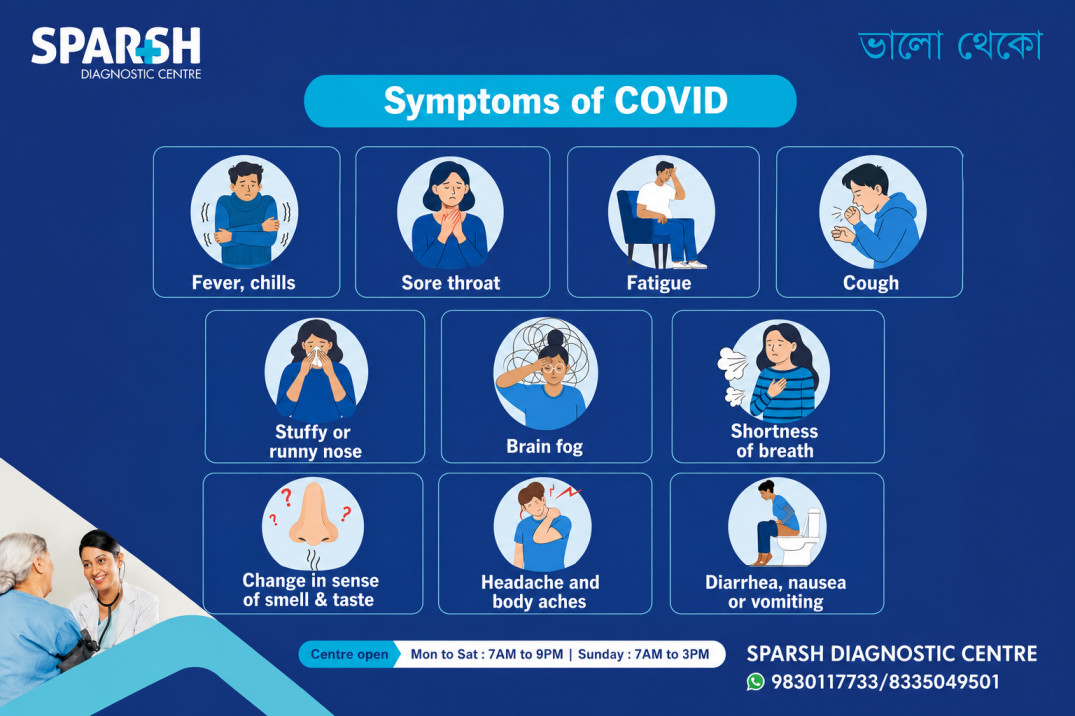
Common symptoms include:
- Fever
- Chills
- Dry cough
- Sore throat
- Runny nose
- Nasal congestion
- Fatigue
- Headache
- Muscle aches
- Loss of taste
- Loss of smell
- Shortness of breath
- Nausea
- Vomiting
- Diarrhea
Symptoms range from very mild to life-threatening.
What Are the Three New COVID Symptoms?
As the virus evolves, symptom patterns have shifted.
Recent variants commonly present with:
- Severe sore throat
- Nasal congestion or runny nose
- Extreme fatigue
Other frequently reported symptoms include:
- Hoarse voice
- Headache
- Persistent cough
- Gastrointestinal upset
Loss of taste and smell is now less common than during earlier variants.
Who Is at Higher Risk?
Certain groups remain more vulnerable to severe COVID.
Risk factors include:
- Age over 65
- Diabetes
- Heart disease
- Lung disease
- Kidney disease
- Cancer
- Obesity
- Pregnancy
- Organ transplant recipients
- Weakened immune systems
These individuals should seek medical advice promptly if symptoms develop.
How Is COVID-19 Diagnosed?
Doctors diagnose COVID using:
PCR Test
The most accurate test for detecting infection.
Rapid Antigen Test
Provides quick results and is useful during symptomatic illness.
Additional Investigations
Depending on severity, doctors may recommend:
- Chest X-ray
- CT scan
- Blood tests
- Oxygen saturation monitoring
COVID Treatment
Treatment depends on illness severity.
Mild Cases
Most people recover at home with:
- Rest
- Hydration
- Fever-reducing medications
- Nutritious food
Moderate to Severe Cases
Hospital treatment may include:
- Oxygen therapy
- Antiviral medications
- Steroids
- Blood thinners
- Intensive care support if required
People at high risk may benefit from antiviral treatment if started early after symptom onset.
Can COVID Come Twice?
Yes.
Reinfection is common.
Immunity from previous infection gradually decreases, and new variants can partially evade existing immunity.
Some people have had COVID multiple times despite vaccination or prior infections.
Fortunately, repeat infections are often milder, although this is not guaranteed.
Has Anyone Had COVID-19 Four Times?
Yes.
Many people around the world have experienced COVID four or more times.
Repeated infections are possible because:
- Immunity declines over time.
- New variants emerge.
- The virus continues to evolve.
Each infection still carries some risk of complications, including Long COVID.
How Much Immunity After COVID?
After recovering from COVID, most people develop temporary immunity.
Protection is generally strongest during the first few months after infection but gradually decreases over time.
The duration varies depending on:
- Age
- Immune system health
- Variant involved
- Vaccination status
Vaccination after recovery can strengthen and prolong protection.
Can You Prevent Long COVID?
Although Long COVID cannot always be prevented, the risk may be reduced by:
- Staying up to date with recommended vaccinations
- Seeking early medical care if you’re at high risk
- Managing chronic health conditions
- Resting adequately during recovery
- Avoiding repeated infections when possible
- Following public health advice during outbreaks
Researchers continue to study why some people develop Long COVID while others recover completely.
What Is Long COVID?
Long COVID refers to symptoms that continue for weeks or months after the initial infection.
Common symptoms include:
- Extreme fatigue
- Brain fog
- Shortness of breath
- Memory problems
- Poor concentration
- Chest pain
- Sleep disturbances
- Muscle pain
- Joint pain
- Palpitations
- Anxiety
- Depression
Symptoms may fluctuate over time.
Can COVID Cause Depression?
Yes.
COVID infection can contribute to depression through several pathways.
Some people experience:
- Inflammation affecting the brain
- Changes in brain chemistry
- Sleep disturbances
- Persistent fatigue
- Social isolation
- Stress related to illness
People with Long COVID appear to have a higher risk of anxiety and depression.
Anyone experiencing persistent low mood, hopelessness, or suicidal thoughts should seek professional medical help promptly.
Is COVID Brain Damage Reversible?
COVID can affect the brain in different ways.
Some people experience:
- Brain fog
- Memory problems
- Difficulty concentrating
- Slower thinking
For many individuals, these symptoms gradually improve over several months.
However, recovery varies from person to person. While many neurological symptoms are reversible, some people experience longer-lasting cognitive difficulties that require rehabilitation and ongoing medical care.
How Long After COVID Can You Exercise?
Returning to exercise should be gradual.
General guidance includes:
- Wait until fever has resolved.
- Ensure symptoms have significantly improved.
- Start with light walking or gentle stretching.
- Increase intensity slowly over several weeks.
People with chest pain, breathlessness, dizziness, or Long COVID symptoms should consult a healthcare provider before resuming vigorous exercise.
Athletes and those recovering from severe COVID may require medical clearance.
Is COVID Less Strong Now?
For most people, yes.
Current variants generally cause less severe disease than earlier strains, largely because:
- Many people have immunity.
- Vaccines reduce severe illness.
- Better treatments are available.
However, COVID can still cause serious illness, hospitalization, and death in vulnerable individuals.
Severity also varies depending on the specific variant and individual health.
Is COVID the Deadliest Virus?
No.
COVID-19 has caused millions of deaths globally and is one of the most significant infectious disease outbreaks in modern history.
However, several infectious diseases have historically had much higher fatality rates, including:
- Rabies (almost always fatal after symptoms appear)
- Ebola
- Marburg virus disease
- Untreated smallpox
- Certain strains of avian influenza
COVID’s enormous global impact resulted from its exceptionally high transmissibility rather than the highest individual fatality rate.
Possible COVID Complications
Although many recover fully, complications can occur.
These include:
- Pneumonia
- Blood clots
- Heart inflammation
- Stroke
- Kidney injury
- Long COVID
- Respiratory failure
- Secondary bacterial infections
Early treatment reduces the risk of severe complications.
Preventing COVID-19
Protect yourself by:
- Keeping recommended vaccinations up to date
- Washing hands regularly
- Staying home when unwell
- Improving indoor ventilation
- Wearing a well-fitting mask in crowded indoor settings during outbreaks or if you’re at high risk
- Covering coughs and sneezes
- Maintaining a healthy lifestyle
Simple precautions remain effective in reducing transmission.
When Should You See a Doctor?
Seek immediate medical care if you develop:
- Difficulty breathing
- Persistent chest pain
- Blue lips or face
- Confusion
- Severe dehydration
- Oxygen saturation below recommended levels (if monitored)
- High fever that does not improve
People at high risk should contact a healthcare provider soon after testing positive, as early antiviral treatment may be appropriate.
Outlook
The outlook for COVID-19 has improved dramatically compared with the early pandemic years. Vaccines, better treatments, and widespread immunity have reduced severe illness for many people.
Even so, COVID remains an active infection capable of causing significant illness and Long COVID in some individuals. Staying informed, taking sensible precautions, and seeking timely medical advice remain the best ways to protect your health.
Frequently Asked Questions (FAQs)
1. Is COVID going around again?
Yes. COVID continues to circulate globally, causing periodic waves as new variants emerge and immunity changes over time.
2. What are the three new COVID symptoms?
Recent variants commonly cause severe sore throat, nasal congestion or runny nose, and pronounced fatigue. Headache, cough, and hoarseness are also frequently reported.
3. Is COVID-19 again coming?
COVID never completely disappeared. Instead, it continues to circulate with recurring seasonal surges and the emergence of new variants.
4. Is COVID-19 still active?
Yes. COVID-19 remains an active infectious disease worldwide, although severe illness is less common than during the early pandemic because of vaccination, prior immunity, and improved treatments.
5. Is COVID still going around in 2026?
Yes. COVID continues to circulate in 2026, with seasonal increases and occasional waves linked to new variants.
6. Is COVID less strong now?
For many people, current infections tend to be milder than those seen early in the pandemic. However, COVID can still cause severe illness, especially in vulnerable individuals.
7. Is COVID the deadliest virus?
No. While COVID has caused millions of deaths globally, diseases such as rabies, Ebola, and untreated smallpox have much higher fatality rates.
8. Can COVID cause depression?
Yes. COVID and Long COVID have been associated with depression, anxiety, sleep disturbances, and other mental health symptoms in some individuals.
9. Can you prevent Long COVID?
There is no guaranteed way to prevent Long COVID, but staying up to date with vaccination, reducing the risk of infection, managing chronic conditions, and allowing adequate recovery may lower the risk.
10. Is COVID brain damage reversible?
Many people recover from COVID-related brain fog and cognitive symptoms over time, though recovery varies. Some individuals may experience persistent symptoms that benefit from rehabilitation and medical follow-up.
11. Has anyone had COVID-19 four times?
Yes. Multiple reinfections, including four or more episodes, have been documented, particularly as immunity wanes and new variants emerge.
12. Can COVID come twice?
Yes. Reinfection is possible because immunity decreases over time and the virus continues to evolve.
13. How long after COVID can you exercise?
Most people can begin light activity once fever has resolved and symptoms have substantially improved. Return to exercise should be gradual, and anyone with chest pain, breathlessness, or Long COVID symptoms should seek medical advice first.
14. How much immunity after COVID?
Most people develop temporary immunity after infection, with the strongest protection during the first few months. Immunity gradually declines over time, and vaccination helps strengthen and extend protection.
To consult a Doctor or get full body check-up done at Sparsh Diagnostic Centre, call our helpline numbers 9830117733/ 8335049501.
#BhaloTheko
Disclaimer:
No content on this site, regardless of date, should ever be used as a substitute for direct medical advice from your doctor or other qualified clinician.