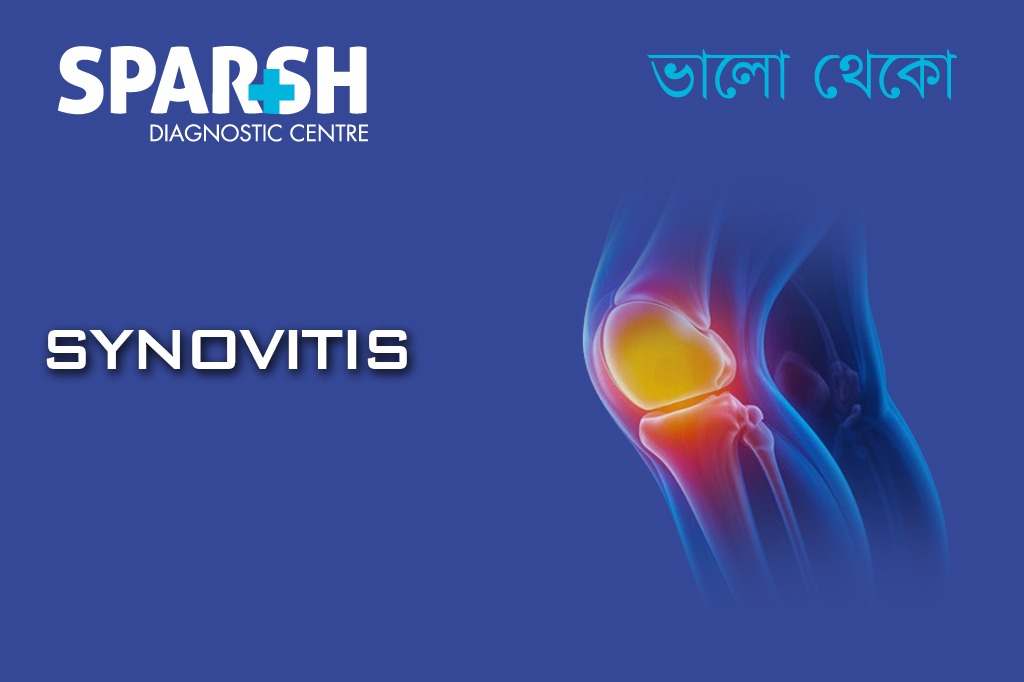
Joint health plays a vital role in our ability to move freely, perform daily activities, and maintain a good quality of life. When inflammation strikes the joints, mobility and comfort can quickly decline. One common inflammatory condition affecting joints is synovitis, which involves the inflammation of the synovial membrane that lines the joints.
Synovitis is often associated with underlying conditions like rheumatoid arthritis, lupus, gout, or injury. It can affect any joint in the body, but it most commonly targets the knees, hips, and shoulders. Understanding its causes, symptoms, diagnosis, and treatment can help patients take timely action and prevent long-term complications.
In this comprehensive guide, we’ll explore everything you need to know about synovitis—from its symptoms and causes to modern treatment approaches and prevention tips.
What is Synovitis?
The synovial membrane (also called synovium) is a thin layer of tissue that lines the inner surface of the joint capsule. Its main function is to produce synovial fluid, a lubricating substance that reduces friction between cartilage and bones during movement.
When this membrane becomes inflamed, the condition is referred to as synovitis. The inflammation leads to:
Excessive production of synovial fluid
Joint swelling
Pain and stiffness
Synovitis is not a disease on its own—it is often a symptom or complication of other conditions, such as autoimmune disorders or injuries.
Symptoms of Synovitis
The most common symptoms:
Joint Pain – Pain is typically constant and worsens with movement or physical activity.
Swelling – The joint may appear enlarged due to excess synovial fluid.
Warmth – Inflamed joints often feel warm to the touch.
Stiffness – Limited range of motion, especially in the morning or after periods of inactivity.

Other possible symptoms include:
Redness around the joint
Tenderness when touched
Muscle weakness around the affected area
Fatigue (especially if associated with autoimmune conditions)
Causes of Synovitis
Synovitis can develop due to various underlying conditions and triggers, including:
1. Autoimmune Diseases
Rheumatoid Arthritis (RA): The immune system mistakenly attacks healthy synovial tissue.
Lupus (SLE): An autoimmune condition that can inflame joints.
Psoriatic Arthritis: Joint inflammation associated with psoriasis.
2. Joint Injuries
Trauma such as sprains, ligament tears, or fractures can irritate the synovium.
Overuse injuries from repetitive motions may also cause inflammation.
3. Infections
Septic arthritis (bacterial infection inside the joint) can lead to acute synovitis.
4. Metabolic Conditions
Gout and Pseudogout: Accumulation of uric acid or calcium crystals inside the joint triggers inflammation.
5. Other Medical Conditions
Risk Factors
Certain factors may increase the likelihood of developing synovitis:
Age: Middle-aged and older adults are more at risk.
Genetics: Family history of autoimmune or joint diseases.
Lifestyle: Sedentary lifestyle, obesity, or high-impact sports.
Existing Health Conditions: Rheumatoid arthritis, lupus, or gout.
How is Synovitis Diagnosed?
A timely diagnosis is essential to prevent complications such as cartilage damage or joint deformity. Doctors use the following methods:
1. Medical History & Physical Examination
Assessing symptoms like swelling, stiffness, warmth, and tenderness.
2. Imaging Tests
X-rays: Rule out fractures or osteoarthritis.
MRI: Provides detailed images of soft tissues, including synovium.
Ultrasound: Detects fluid accumulation and inflammation.
3. Laboratory Tests
Blood Tests: Look for markers of inflammation (ESR, CRP) or autoimmune diseases (RF, ANA).
Joint Aspiration (Arthrocentesis): Analysis of synovial fluid for infection, crystals, or inflammation.
Treatment options for Synovitis
The treatment plan depends on the cause, severity, and overall health condition of the patient.
1. Medications
NSAIDs (Nonsteroidal Anti-inflammatory Drugs): Ibuprofen, naproxen for pain and inflammation.
Corticosteroids: Oral or injectable steroids to control severe inflammation.
DMARDs (Disease-Modifying Anti-Rheumatic Drugs): Methotrexate, hydroxychloroquine for autoimmune-related synovitis.
Biologics: Targeted therapies for conditions like rheumatoid arthritis.
Antibiotics: For infection-related synovitis.
2. Physical Therapy
Gentle stretching and strengthening exercises improve joint function.
Range-of-motion exercises reduce stiffness.
3. Lifestyle Modifications
Weight management reduces pressure on joints.
Low-impact exercises like swimming or cycling help maintain flexibility.
Hot and cold compresses can relieve swelling and stiffness.
4. Surgical Interventions
If conservative treatments fail:
Arthroscopy: Minimally invasive procedure to remove inflamed tissue.
Synovectomy: Surgical removal of the inflamed synovial membrane.
Joint Replacement: In severe cases with irreversible damage.
Complications of Synovitis
If left untreated, synovitis can cause:
Joint deformities
Cartilage erosion
Reduced mobility
Disability in severe autoimmune-related cases
Prevention Tips
While not all causes can be prevented, certain strategies may lower the risk:
Maintain a healthy weight.
Exercise regularly but avoid overuse injuries.
Use proper techniques during sports or physical activities.
Manage underlying conditions like arthritis, diabetes, or gout effectively.
Seek medical attention promptly for joint injuries.
Living with Synovitis
Managing synovitis is a long-term journey, especially when associated with chronic autoimmune diseases. Patients can benefit from:
Regular follow-ups with a rheumatologist.
Adhering to prescribed medication.
Engaging in physical therapy and exercise.
Joining support groups for emotional and psychological well-being.
Frequently Asked Questions (FAQs)
Q1. Is synovitis the same as arthritis?
No. Synovitis refers specifically to inflammation of the synovial membrane, while arthritis refers to inflammation of the entire joint. Synovitis can be a symptom of arthritis.
Q2. Can synovitis go away on its own?
Mild cases due to injury may resolve with rest and treatment. However, autoimmune-related synovitis usually requires long-term management.
Q3. Which joints are most commonly affected by synovitis?
Knees, hips, wrists, and shoulders are commonly affected.
Q4. How long does it take to recover from synovitis?
Recovery depends on the underlying cause. Acute cases may resolve within weeks, while chronic cases may last for months or years.
Q5. Can diet help manage synovitis?
Yes. Anti-inflammatory foods like omega-3 fatty acids (fish, flaxseeds), fruits, vegetables, and whole grains can help reduce inflammation. Avoid processed foods and excessive sugar.
Q6. Is synovitis curable?
If caused by an injury or infection, it can be fully cured with treatment. However, autoimmune-related synovitis may not be curable but can be managed effectively.
Q7. When should I see a doctor?
Seek medical help if you experience persistent joint pain, swelling, stiffness, or warmth that lasts more than a few days.
Synovitis is a painful and often debilitating condition that can significantly affect mobility and quality of life. Early diagnosis and treatment are key to preventing long-term complications such as joint damage and deformities. With proper medical care, lifestyle changes, and preventive strategies, individuals with synovitis can lead active and fulfilling lives.
If you or a loved one is experiencing symptoms like joint pain, swelling, stiffness, and warmth, consult a healthcare professional immediately.
👉 For expert care and advanced diagnostic solutions, visit Sparsh Diagnostic Centre today.
#BhaloTheko
Disclaimer:
No content on this site, regardless of date, should ever be used as a substitute for direct medical advice from your doctor or other qualified clinician.