


Noticing that your stool looks unusually greasy, floats in the toilet, smells particularly bad, or is difficult to flush can be unsettling. Sometimes this happens after eating a very fatty meal and is temporary. But when oily or fatty stools keep occurring, it may be a sign that your body is not properly digesting or absorbing dietary fat.
This condition is called steatorrhea.
Steatorrhea is not a disease by itself. It is a symptom of fat malabsorption, meaning the digestive system is unable to properly break down, absorb, or transport fats from food. Problems involving the pancreas, liver, gallbladder, bile ducts or small intestine can all interfere with this process.
The good news is that steatorrhea can often be improved once its underlying cause is identified and treated. The important thing is not to simply treat the stool changes at home for a prolonged period, because persistent fat malabsorption can eventually lead to nutritional deficiencies and weight loss.
What is steatorrhea?
Steatorrhea refers to an excessive amount of fat in the stool. Normally, dietary fats are broken down with the help of pancreatic enzymes and bile and then absorbed mainly in the small intestine.
If any part of this process is disrupted, too much undigested or unabsorbed fat can remain in the digestive tract and eventually leave the body in the stool.
Typical steatorrhea may be:
- Pale, light-coloured or clay-coloured
- Bulky or unusually large
- Loose or poorly formed
- Greasy or oily
- Foul-smelling
- Difficult to flush
- Likely to float in the toilet
- Sometimes accompanied by an oily film in the toilet water
These features are characteristic of fat malabsorption, although stool appearance alone cannot confirm steatorrhea.
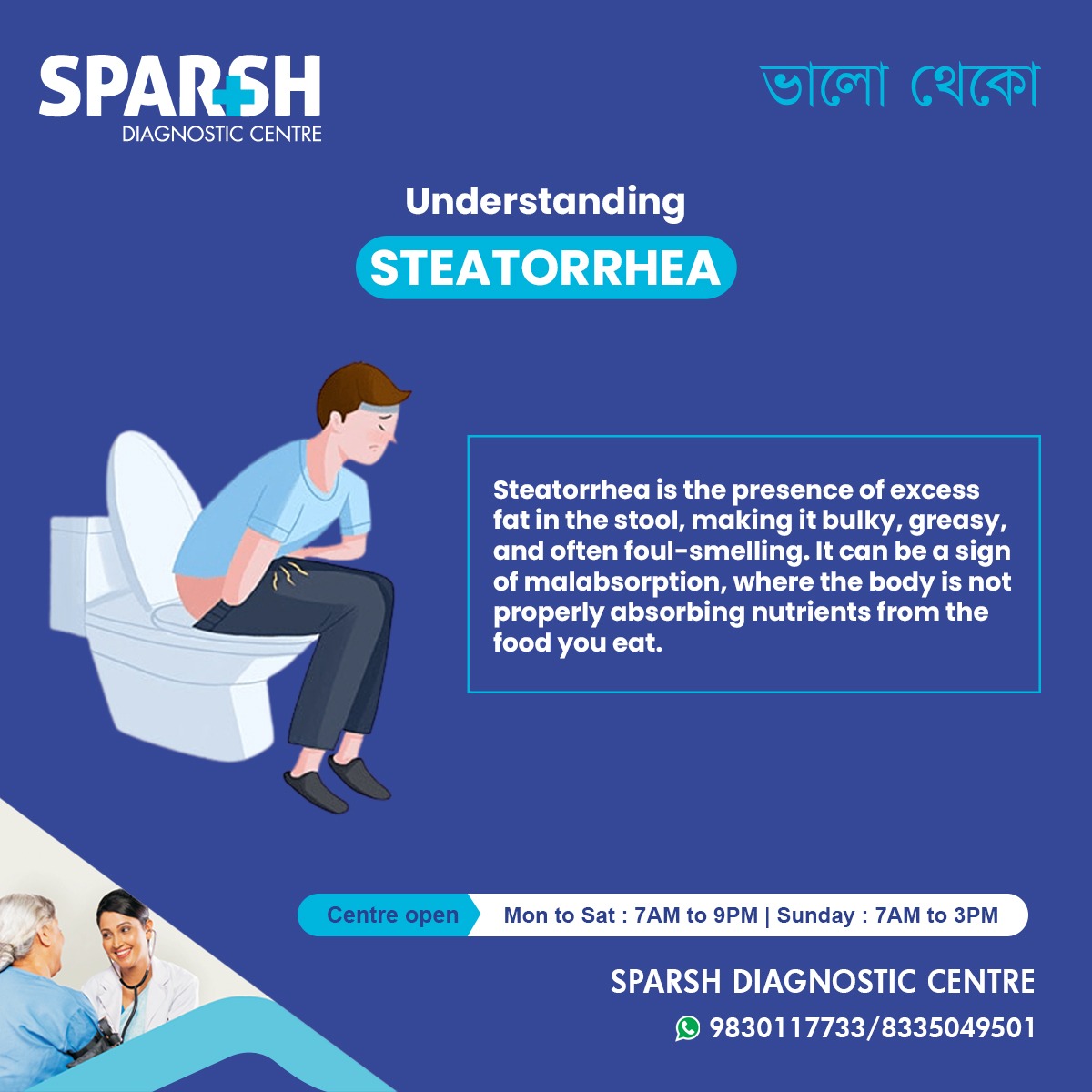
What does steatorrhea look like?
Steatorrhea often looks different from a person’s usual bowel movement. The stool may appear pale or yellowish, bulky, greasy and unusually shiny. It may float because of its fat content and can stick to the toilet bowl or be difficult to flush.
The smell can also be noticeably stronger and more unpleasant than usual.
However, not every floating or loose stool is steatorrhea. Stool consistency and appearance can change for many reasons, including diet, intestinal gas and temporary digestive disturbances.
Persistent greasy, oily or foul-smelling stools are more concerning, particularly when they occur together with diarrhoea, abdominal discomfort, bloating or unexplained weight loss.
What are the causes of steatorrhea?
There are three broad ways fat malabsorption can develop: the digestive system may not produce enough substances to break down fat, bile may not reach the intestine properly, or the small intestine may not be able to absorb fat normally.
1. Pancreatic problems
The pancreas produces enzymes that help digest fats. When the pancreas does not produce enough digestive enzymes, fat may pass through the intestine without being properly digested.
One important condition is exocrine pancreatic insufficiency (EPI).
EPI can occur with:
- Chronic pancreatitis
- Recurrent pancreatitis
- Cystic fibrosis
- Certain pancreatic disorders
- Pancreatic surgery
- Some pancreatic tumours
Pancreatic enzyme replacement therapy may be used when EPI is responsible for steatorrhea.
2. Liver and bile duct disorders
Bile is essential for the digestion and absorption of dietary fat. If the liver cannot produce enough bile, or if bile flow into the small intestine is blocked, fat absorption can be impaired.
Conditions affecting the bile ducts, gallbladder or liver can therefore contribute to steatorrhea. Cholestasis, for example, can prevent sufficient bile from reaching the intestine and result in fatty stools.
3. Small intestine disorders
The small intestine is the main site where nutrients are absorbed. Diseases that damage its lining can interfere with fat absorption.
Examples include:
- Celiac disease
- Crohn’s disease involving the small intestine
- Small intestinal bacterial overgrowth (SIBO)
- Certain intestinal infections
- Other disorders causing intestinal malabsorption
Celiac disease, for example, can cause pale, bulky, foul-smelling and greasy stools along with nutritional deficiencies and, in some people, weight loss.
4. Certain medications
Some medicines can interfere with fat digestion or absorption. A well-known example is orlistat, a weight-loss medicine that reduces the absorption of dietary fat. Its effects can include oily stools and increased bowel movements.
The presence of fatty stool after starting a medication should be discussed with a healthcare professional rather than stopping a prescribed medicine without advice.
What are the 5 common causes of steatorrhea?
If you are looking for a simple list, five important causes are:
- Exocrine pancreatic insufficiency, including that caused by chronic pancreatitis
- Celiac disease
- Bile flow problems, including cholestasis or bile duct obstruction
- Small intestinal disorders, including Crohn’s disease and SIBO
- Certain medications, particularly medicines that reduce fat absorption
These are not the only causes. The underlying problem can vary considerably from one person to another.
What are the early signs of fat malabsorption?
Early fat malabsorption may be subtle. You might initially notice changes in your bowel movements rather than feel seriously unwell.
Possible early signs include:
- Greasy or oily stools
- Pale or unusually light stools
- Stools that float more often
- Strong-smelling bowel movements
- Bulky stools
- Difficulty flushing stools
- Increased gas
- Abdominal bloating
- Loose stools or diarrhoea
- Unexplained difficulty maintaining weight
As fat malabsorption becomes more significant, deficiencies of fat-soluble vitamins and other nutrients can develop.
Can steatorrhea cause weight loss?
Yes. Steatorrhea can contribute to weight loss.
Fat is an energy-dense nutrient. If the digestive system repeatedly fails to absorb it, the body loses calories through the stool. Depending on the underlying condition, other nutrients may also be poorly absorbed.
People with significant malabsorption may lose weight despite eating a reasonable amount of food. Chronic malabsorption can also cause vitamin and mineral deficiencies.
Unexplained weight loss combined with persistent greasy stools deserves medical evaluation.
What diseases can cause steatorrhea?
A number of diseases can cause fatty stools, including:
- Celiac disease
- Chronic pancreatitis
- Exocrine pancreatic insufficiency
- Cystic fibrosis
- Crohn’s disease
- Small intestinal bacterial overgrowth
- Liver and bile duct disorders
- Cholestatic diseases
- Some intestinal infections
- Certain inherited disorders affecting fat absorption
- Pancreatic disorders and tumours
The important point is that steatorrhea can originate from different parts of the digestive system. Finding the cause is therefore more useful than simply trying to stop the fatty stools.
What cancers cause steatorrhea?
Pancreatic cancer can cause symptoms associated with fat malabsorption, particularly when the disease affects pancreatic function or obstructs the normal flow of digestive substances.
Pancreatic cancer can also cause jaundice, pale stools, abdominal or back pain, loss of appetite and unexplained weight loss. However, these symptoms are not specific to cancer and are much more commonly caused by other conditions.
Some pancreatic neuroendocrine tumours can also cause steatorrhea. Certain hormone-producing tumours may interfere with digestion and cause very foul-smelling, floating stools along with other symptoms.
Importantly, steatorrhea does not mean that you have cancer. There are many more common explanations, including pancreatic insufficiency, celiac disease and other digestive disorders.
What can be mistaken for steatorrhea?
Several bowel changes can look similar to steatorrhea.
For example, a person may mistake:
- Loose stool after a very fatty meal
- Temporary diarrhoea from an infection
- Stool that floats because of excess gas
- Mucus in the stool
- Rapid intestinal transit
- Food particles in stool
- Changes caused by certain medicines
for fatty stool.
A single unusual bowel movement usually does not establish steatorrhea. Persistent changes are more meaningful.
If greasy stools continue for days or weeks, particularly with weight loss, diarrhoea, abdominal pain or nutritional symptoms, a doctor may recommend stool and blood tests to investigate the cause.
How is steatorrhea diagnosed?
A healthcare professional will usually start by asking about your stool changes, diet, weight, digestive symptoms, medications and medical history.
Depending on the situation, investigations may include:
- Stool testing for fat
- Fecal elastase testing to assess pancreatic function
- Blood tests for nutritional deficiencies
- Tests for celiac disease
- Liver function tests
- Imaging of the pancreas, liver or biliary system
- Endoscopy or intestinal biopsy when appropriate
- Other tests based on the suspected underlying condition
A 72-hour fecal fat test can quantify the amount of fat being excreted in stool, although it is not necessary in every patient.
How to make steatorrhea go away?
There is no single treatment that works for every person with steatorrhea because steatorrhea is a symptom, not the underlying disease.
Treatment depends on the cause.
For example:
- Exocrine pancreatic insufficiency: pancreatic enzyme replacement therapy may be prescribed.
- Celiac disease: strict avoidance of gluten is the cornerstone of treatment.
- Bile duct obstruction: the obstruction needs to be evaluated and treated.
- SIBO: appropriate treatment may be required.
- Medication-related steatorrhea: the prescribing clinician may adjust the treatment if appropriate.
- Nutritional deficiencies: vitamin and mineral replacement may be recommended.
For EPI specifically, pancreatic enzyme replacement therapy is generally taken with meals and snacks to help digestion and nutrient absorption.
The key is to treat the reason the fat is not being absorbed rather than simply trying to suppress the stool changes.
What should I eat if I have steatorrhea?
Diet should be individualised according to the cause.
It is tempting to completely eliminate fat after noticing greasy stools, but that is not necessarily the right approach. Fat is an important source of calories and essential fatty acids, and unnecessarily restricting it can make it harder to maintain adequate nutrition.
Generally, focus on:
- Balanced meals with adequate protein
- Easily tolerated carbohydrates
- Fruits and vegetables according to individual tolerance
- Adequate fluids
- Nutrient-dense foods
- Smaller, more frequent meals if large meals worsen symptoms
If pancreatic insufficiency is responsible, the emphasis is usually on appropriate enzyme replacement and nutritional management rather than simply eliminating dietary fat. Your doctor or dietitian can determine whether your fat intake needs modification.
People with prolonged fat malabsorption may also require assessment for deficiencies of vitamins A, D, E and K, because these vitamins depend on normal fat absorption.
Avoid making major dietary restrictions without professional guidance, particularly if you are already losing weight.
What are the complications of steatorrhea?
Persistent steatorrhea can lead to complications because the underlying problem may prevent the body from absorbing essential nutrients.
Potential complications include:
- Weight loss
- Malnutrition
- Fat-soluble vitamin deficiencies
- Vitamin D deficiency and weakened bones
- Anaemia from associated nutrient deficiencies
- Weakness and fatigue
- Poor growth in children
- Other vitamin and mineral deficiencies
Long-standing fat malabsorption can particularly affect vitamins A, D, E and K. Vitamin D deficiency can contribute to poor bone health, while vitamin K deficiency can increase the risk of abnormal bleeding.
Can steatorrhea be normal?
Occasional changes in stool after eating a particularly fatty meal can happen and do not necessarily mean that you have a disease.
However, persistent or recurrent steatorrhea is not considered normal.
If fatty stools repeatedly occur without an obvious explanation, it is worth discussing them with a doctor. Persistent steatorrhea can indicate an underlying digestive or malabsorption disorder that needs treatment.
What should a person diagnosed with steatorrhea do?
If you have been diagnosed with steatorrhea, the next step is to identify why it is happening.
Follow the treatment plan recommended by your healthcare professional and take prescribed medicines correctly. If pancreatic insufficiency is involved, for example, pancreatic enzymes may need to be taken with meals and snacks.
You should also monitor:
- Body weight
- Stool frequency and appearance
- Abdominal symptoms
- Appetite
- Energy levels
- Signs of vitamin or mineral deficiency
Do not start high-dose vitamin supplements or drastically restrict dietary fat without medical advice.
Seek medical attention promptly if fatty stools are accompanied by significant or unexplained weight loss, persistent abdominal pain, jaundice, blood in the stool, severe diarrhoea, dehydration or other concerning symptoms.
When should you see a doctor?
Occasional digestive changes are common, but persistent steatorrhea deserves attention.
Make an appointment if you repeatedly notice greasy or oily stools, especially if you also have:
- Unexplained weight loss
- Chronic diarrhoea
- Persistent bloating
- Abdominal pain
- Excessive gas
- Fatigue or weakness
- Poor appetite
- Pale stools or jaundice
- A known pancreatic, liver or intestinal disorder
Early assessment can help identify malabsorption before significant nutritional deficiencies develop.
Frequently Asked Questions About Steatorrhea
1. What is the main cause of steatorrhea?
There is no single main cause. Important causes include pancreatic enzyme deficiency, celiac disease, disorders affecting bile flow, small intestinal diseases and certain medications.
2. What does steatorrhea look like?
Steatorrhea typically appears pale, bulky, greasy or oily and may float in the toilet. It can have a particularly foul smell and may be difficult to flush.
3. Does steatorrhea always mean malabsorption?
Steatorrhea is generally a manifestation of fat malabsorption. The underlying problem may involve digestion, bile delivery or absorption in the small intestine.
4. Can steatorrhea go away on its own?
Temporary fatty stool after an unusually rich meal may resolve. Persistent steatorrhea usually requires evaluation and treatment of the underlying cause.
5. Does steatorrhea lead to weight loss?
It can. Significant fat malabsorption can reduce calorie absorption and may cause weight loss or difficulty maintaining weight.
6. What should I eat if I have steatorrhea?
Eat a balanced, nutrient-rich diet unless your doctor recommends a specific restriction. Avoid automatically eliminating all dietary fat, because this can reduce calorie and nutrient intake. Diet should be tailored to the underlying condition.
7. What are the early signs of fat malabsorption?
Early signs can include greasy or floating stools, foul-smelling bowel movements, bloating, gas, diarrhoea and difficulty maintaining weight.
8. What cancers can cause steatorrhea?
Pancreatic cancer can be associated with fatty stools when pancreatic function or bile flow is affected. Certain pancreatic neuroendocrine tumours can also cause steatorrhea. However, most people with steatorrhea do not have cancer.
9. What are the complications of steatorrhea?
Untreated persistent fat malabsorption can cause weight loss, malnutrition and deficiencies of fat-soluble vitamins such as A, D, E and K.
10. Is steatorrhea dangerous?
Steatorrhea itself is a symptom, but persistent steatorrhea can indicate an underlying condition that requires treatment. The long-term consequences of untreated malabsorption can be significant.
The bottom line
Steatorrhea means there is too much fat in the stool, usually because the digestive system is not properly digesting or absorbing dietary fat. Greasy, pale, bulky, foul-smelling or floating stools are typical features.
The causes range from relatively treatable digestive problems to disorders involving the pancreas, liver, bile ducts or small intestine. Chronic pancreatitis, exocrine pancreatic insufficiency, celiac disease, bile flow disorders and small intestinal conditions are among the important causes.
If fatty stools keep occurring, don’t simply assume that it is something you ate. A medical evaluation can determine whether the problem is related to pancreatic enzymes, bile, the small intestine, medication or another condition. Once the underlying cause is identified, appropriate treatment can often significantly improve bowel symptoms and protect against nutritional deficiencies.
If you are experiencing persistent greasy stools, unexplained weight loss or other digestive symptoms, consult a qualified healthcare professional for appropriate evaluation and treatment.
This article is for general health education and is not a substitute for diagnosis or personalised medical advice.
If you’re experiencing symptoms of steatorrhea or are concerned about persistent changes in your stool, consult a gastroenterologist. Comprehensive evaluations and timely treatment can go a long way in restoring your gut health.
Centre Open:
🕘 Mon to Sat: 7 AM – 9 PM
🕘 Sunday: 7 AM – 3 PM
Contact:
📞 9830117733 / 8335049501
🌐 Website
#BhaloTheko
Disclaimer:
No content on this site, regardless of date, should ever be used as a substitute for direct medical advice from your doctor or other qualified clinician.



[…] foul-smelling stools (steatorrhea) due to […]
[…] Fat malabsorption (steatorrhea) – greasy, bulky stools […]
[…] Fatty stools (steatorrhea), which may float and be foul-smelling […]