Imagine experiencing symptoms of alcohol intoxication—slurred speech, dizziness, and confusion—without touching a drop of alcohol. Sounds unbelievable? This is the strange and fascinating reality for individuals suffering from Auto-Brewery Syndrome (ABS), also known as gut fermentation syndrome. This rare and often misunderstood condition can lead to significant physical, emotional, and social consequences.
In this blog, we explore the underlying causes, symptoms, diagnostic process, treatment strategies, and prevention tips for Auto-Brewery Syndrome.
What Is Auto-Brewery Syndrome?
Auto-Brewery Syndrome is a rare medical condition in which an individual’s digestive system produces ethanol (alcohol) through the fermentation of carbohydrates by fungi or bacteria—most commonly yeasts like Saccharomyces cerevisiae or Candida species. This fermentation process typically occurs in the gut, leading to elevated blood alcohol levels even when no alcoholic beverages are consumed.
Although the condition is rare, it can result in unexpected legal, social, and medical consequences due to apparent intoxication without alcohol intake.
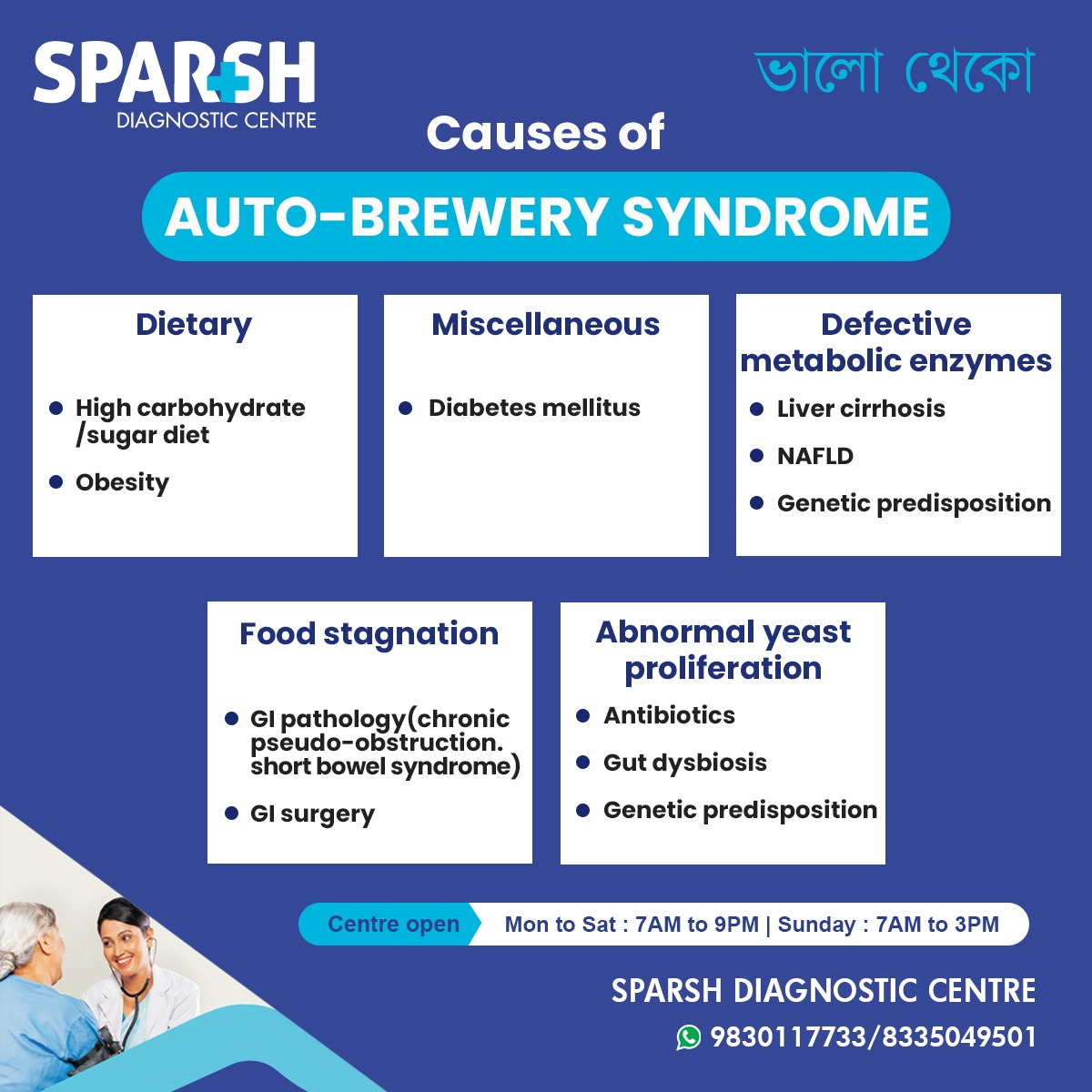
Causes of Auto-Brewery Syndrome
Auto-Brewery Syndrome can be triggered by various underlying factors, often in combination. The key contributing causes include:
1. Dietary Factors
High-carbohydrate or sugar diet: Excessive intake of carbs provides fuel for yeast fermentation, especially in individuals with yeast overgrowth.
Obesity: Associated metabolic disturbances may favor yeast colonization and fermentation.
2. Miscellaneous Conditions
Diabetes Mellitus: Uncontrolled blood glucose levels may encourage fungal overgrowth and fermentation within the gut.
3. Defective Metabolic Enzymes
Liver Cirrhosis: Impaired liver function reduces the body’s ability to metabolize alcohol efficiently.
NAFLD (Non-Alcoholic Fatty Liver Disease): Also hampers alcohol metabolism, making symptoms more pronounced.
Genetic Predisposition: Some individuals may have inherited enzyme deficiencies that affect how their body handles carbohydrates and alcohol.
4. Food Stagnation
Gastrointestinal (GI) pathology: Conditions like chronic pseudo-obstruction and short bowel syndrome slow digestion, allowing food to stagnate and ferment.
GI Surgery: Previous surgeries can alter gut anatomy and microbiota, predisposing the gut to fermentation.
5. Abnormal Yeast Proliferation
Use of antibiotics: These drugs can kill beneficial gut bacteria, allowing yeasts to overgrow.
Gut Dysbiosis: An imbalance in the gut microbiota can favor fermentation by yeasts.
Genetic Factors: Certain individuals may naturally host a higher number of fermenting organisms or lack the immune response to control them.
Symptoms of Auto-Brewery Syndrome
The symptoms of ABS can vary in severity and duration, often mimicking alcohol intoxication:
Drowsiness or extreme fatigue
Slurred speech
Poor coordination
Mood changes (e.g., irritability, depression)
Brain fog or difficulty concentrating
Gastrointestinal discomfort (e.g., bloating, belching)
Behavioral changes
In chronic cases, individuals may also experience long-term complications like social isolation, job loss, or legal problems (e.g., DUIs).
How Is Auto-Brewery Syndrome Diagnosed?
Diagnosing ABS can be challenging, particularly because its symptoms mimic alcohol intoxication, which is often dismissed or misattributed. A thorough evaluation is needed, involving:
1. Detailed History
Assessment of diet, alcohol intake, medication use (especially antibiotics), and history of gastrointestinal issues or surgeries.
2. Blood Alcohol Testing
Testing for elevated blood alcohol levels when the patient has not consumed alcohol can provide initial evidence.
3. Glucose Challenge Test
The patient consumes a high-carbohydrate meal, followed by serial blood alcohol measurements. Rising blood alcohol levels without alcohol intake support a diagnosis of ABS.
4. Stool and Gut Microbiota Testing
To identify yeast or fungal overgrowth, especially Candida or Saccharomyces species.
5. Endoscopy or Imaging
Occasionally used to assess gut anatomy, particularly in cases with suspected anatomical abnormalities or post-surgical changes.
Treatment of Auto-Brewery Syndrome
Treatment of ABS focuses on eliminating the underlying cause, controlling yeast overgrowth, and preventing recurrence. Key strategies include:
1. Dietary Management
Low-carbohydrate diet: Limiting sugar and refined carbs starves the fermenting organisms.
Anti-yeast diet: Avoiding yeast-containing foods such as bread, beer, and fermented products.
2. Antifungal Therapy
Oral antifungals like fluconazole or nystatin may be prescribed to reduce yeast load.
Treatment is often guided by stool cultures or sensitivity testing.
3. Probiotics
Replenishing healthy gut flora can help outcompete and suppress fungal overgrowth.
4. Treating Underlying Conditions
Managing diabetes, correcting GI pathology, or addressing liver disease is essential for long-term control.
5. Behavioral and Psychological Support
Counseling may be needed for individuals affected by the social and psychological consequences of ABS.
Legal documentation or medical records may help defend against false accusations of alcohol misuse.
Preventive Measures
Preventing ABS involves controlling risk factors and maintaining a healthy gut environment:
Avoid unnecessary antibiotic use.
Follow a balanced, low-sugar diet.
Maintain a healthy weight.
Manage chronic diseases such as diabetes and liver conditions.
Use probiotics, especially after antibiotic therapy.
Seek medical help for chronic bloating, GI discomfort, or unexplained “intoxication” symptoms.
Auto-Brewery Syndrome in Children
Though extremely rare, ABS has also been reported in children. Symptoms may include unusual behavior, lethargy, and developmental concerns. Pediatric ABS often results from antibiotic use or congenital digestive abnormalities and requires prompt diagnosis and treatment by specialists.
Legal and Social Implications
ABS can result in legal trouble, especially when individuals appear intoxicated in public or fail sobriety tests. In such cases:
Medical documentation is crucial.
Legal representation may need to be supported with a formal diagnosis.
Breathalyzer and blood alcohol results should be correlated with clinical history.
ABS has been successfully used as a defense in DUI cases when proven with proper medical evidence.
Case Studies and Research
Several case studies have brought attention to ABS:
2013, USA: A man was found to have a blood alcohol content (BAC) of 0.37% despite not drinking. Doctors later diagnosed him with ABS due to yeast overgrowth in his gut.
2020, India: A teenager repeatedly tested positive for alcohol at school. Medical investigation revealed underlying gut fermentation due to Candida overgrowth.
These cases highlight the importance of raising awareness about this rare condition and improving diagnostic protocols.
Challenges in Management
Misdiagnosis: Many healthcare professionals are unaware of ABS, leading to missed or incorrect diagnoses.
Stigma: Patients may be wrongly labeled as alcoholics.
Relapse: Even after treatment, relapse can occur if diet or gut health isn’t properly managed.
Auto-Brewery Syndrome may sound like a quirky anomaly, but for those living with it, the reality is far from amusing. It can severely affect a person’s quality of life, relationships, and mental health. Early diagnosis, proper treatment, and lifestyle management can help individuals reclaim their lives from this invisible and misunderstood illness.
Sparsh Diagnostic Centre is committed to raising awareness and providing diagnostic services for rare and chronic conditions like ABS. If you or someone you know is experiencing unexplained symptoms of intoxication or gut discomfort, consult a healthcare provider for evaluation.
Centre Timings:
🕖 Monday to Saturday: 7 AM – 9 PM
🕖 Sunday: 7 AM – 3 PM
📞 Call: 9830117733 / 8335049501
#BhaloTheko
Disclaimer:
No content on this site, regardless of date, should ever be used as a substitute for direct medical advice from your doctor or other qualified clinician.