

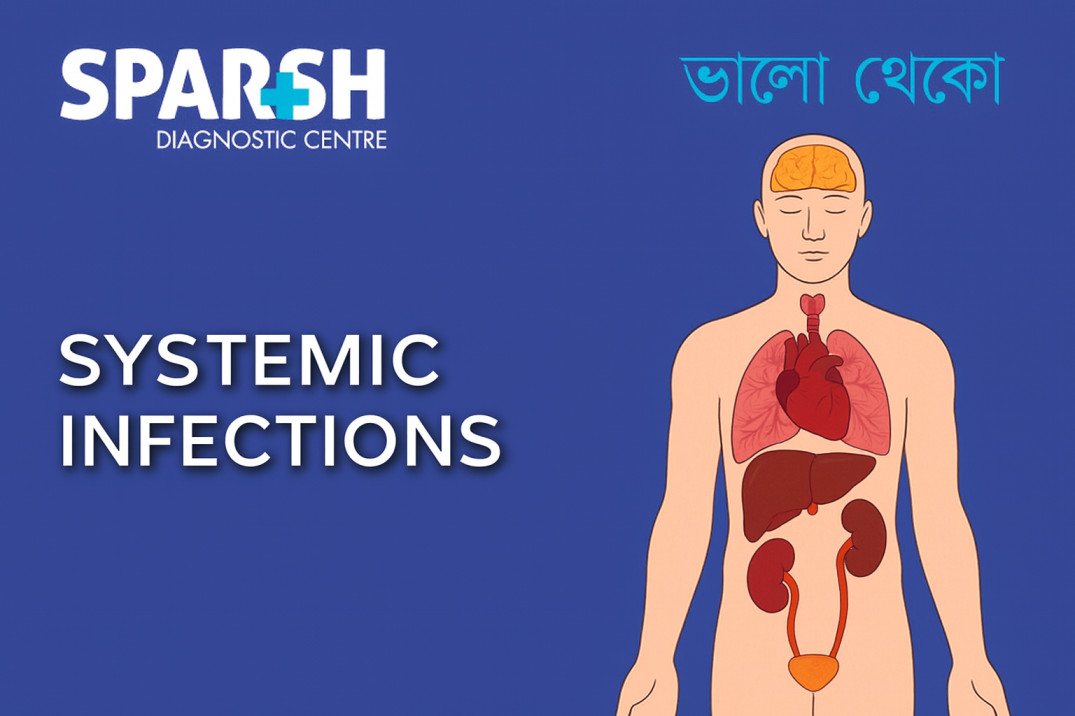
Systemic infections are among the most serious medical conditions because they affect the entire body rather than remaining confined to one area. While many infections begin in a single organ or tissue, some spread through the bloodstream or lymphatic system, triggering widespread inflammation and potentially life-threatening complications if left untreated.
Recognizing the early symptoms of a systemic infection can make a significant difference in treatment outcomes. Prompt diagnosis and appropriate medical care often prevent severe complications and improve recovery.
In this comprehensive guide, we’ll explain what systemic infections are, their causes, symptoms, diagnosis, treatment options, and prevention strategies while answering the most commonly asked questions.
What Are Systemic Infections?
A systemic infection is an infection that spreads throughout the body instead of remaining localized to one organ or tissue. These infections typically enter the bloodstream or lymphatic system, allowing bacteria, viruses, fungi, or parasites to affect multiple organs simultaneously.
Unlike localized infections—such as a skin abscess or ear infection—a systemic infection can involve the lungs, heart, kidneys, liver, brain, and other organs. The body’s immune response may become widespread, causing inflammation throughout the body.
In severe cases, systemic infections can lead to:
- Sepsis
- Septic shock
- Multiple organ failure
- Life-threatening complications
Because of these risks, systemic infections require prompt medical attention.
What Are Some Examples of Systemic Infections?
Several infectious diseases can become systemic. Common examples include:
- Sepsis
- Bloodstream infections (Bacteremia)
- Tuberculosis affecting multiple organs
- Malaria
- Typhoid fever
- Dengue fever
- COVID-19 with systemic involvement
- HIV infection
- Fungal bloodstream infections
- Disseminated candidiasis
- Meningococcemia
- Infective endocarditis
- Lyme disease (advanced stages)
Some localized infections can also become systemic if treatment is delayed.
What Are Examples of Systemic Diseases?
Not every systemic disease is caused by an infection. A systemic disease affects multiple organs or the entire body.
Examples include:
Infectious Systemic Diseases
- Tuberculosis
- HIV/AIDS
- Sepsis
- Dengue
- Malaria
- Typhoid fever
Autoimmune Systemic Diseases
- Lupus
- Rheumatoid arthritis
- Systemic sclerosis
- Vasculitis
Metabolic Systemic Diseases
Connective Tissue Disorders
- Sjögren’s syndrome
- Mixed connective tissue disease
What Causes Systemic Infections?
Systemic infections occur when disease-causing microorganisms overcome the body’s natural defenses.
Common causes include:
Bacteria
Examples:
- Staphylococcus aureus
- Streptococcus species
- Escherichia coli
- Salmonella Typhi
- Neisseria meningitidis
Viruses
Examples:
- Influenza
- COVID-19
- HIV
- Epstein-Barr virus
Fungi
Examples:
- Candida
- Aspergillus
- Cryptococcus
Parasites
Examples:
- Plasmodium (malaria)
- Toxoplasma gondii
Risk Factors
Certain individuals are more likely to develop systemic infections.
These include:
- Older adults
- Infants
- Pregnant women
- People with diabetes
- Cancer patients
- Organ transplant recipients
- HIV-positive individuals
- Patients receiving chemotherapy
- People taking immunosuppressive medications
- Individuals with chronic kidney disease
- Hospitalized patients
- Patients with intravenous catheters
What Are the Four Types of Infection?
Infections are generally classified into four main categories based on the type of microorganism responsible.
1. Bacterial Infections
Examples include:
- Pneumonia
- Urinary tract infections
- Tuberculosis
- Typhoid
2. Viral Infections
Examples include:
3. Fungal Infections
Examples include:
- Candidiasis
- Ringworm
- Aspergillosis
4. Parasitic Infections
Examples include:
Each type requires different treatment approaches.
What Are Four Signs of a Systemic Infection?
The four classic warning signs include:
1. Fever
Persistent high fever is often the earliest symptom.
2. Increased Heart Rate
The heart beats faster to meet the body’s increased demand.
3. Rapid Breathing
Patients may breathe quickly due to inflammation or infection.
4. Confusion or Altered Mental Status
This is especially common in older adults and may indicate severe infection.
Other symptoms may include:
- Chills
- Sweating
- Extreme fatigue
- Low blood pressure
- Weakness
- Reduced urine output
- Nausea
- Vomiting
What Are the Early Signs of Systemic Diseases?
Although symptoms vary depending on the cause, common early signs include:
- Persistent fatigue
- Mild fever
- Muscle aches
- Joint pain
- Unexplained weight loss
- Loss of appetite
- Night sweats
- Skin rashes
- Persistent cough
- Swollen lymph nodes
Recognizing these symptoms early allows timely evaluation before complications develop.
Symptoms of Systemic Infection
Symptoms depend on the underlying infection but commonly include:
- High fever
- Chills
- Rapid pulse
- Rapid breathing
- Extreme tiredness
- Body aches
- Headache
- Dizziness
- Low blood pressure
- Confusion
- Poor concentration
- Cold hands and feet
- Skin rash
- Nausea
- Vomiting
- Diarrhea
In severe infections:
- Difficulty breathing
- Chest pain
- Loss of consciousness
- Organ dysfunction
Is Systemic Infection Serious?
Yes.
Systemic infections should always be taken seriously because they can spread rapidly and affect vital organs.
Potential complications include:
- Sepsis
- Septic shock
- Kidney failure
- Liver failure
- Heart damage
- Lung injury
- Brain infection
- Blood clotting disorders
- Multiple organ failure
Without treatment, systemic infections may become fatal.
Fortunately, early diagnosis and prompt treatment significantly improve outcomes.
How Is a Systemic Infection Diagnosed?
Doctors evaluate symptoms, perform a physical examination, and recommend laboratory tests.
Common investigations include:
Blood Tests
Urine Tests
Useful if a urinary infection is suspected.
Imaging
- Chest X-ray
- CT scan
- MRI
- Ultrasound
Microbiological Tests
Samples from blood, sputum, urine, wounds, or spinal fluid help identify the causative organism.
How to Check for Systemic Infection?
There is no single test that confirms every systemic infection.
Doctors usually combine:
- Medical history
- Physical examination
- Blood cultures
- CBC
- CRP
- Procalcitonin
- Organ function tests
- Imaging studies
- Microbiology cultures
- PCR testing for viral infections
In critically ill patients, repeated blood tests help monitor disease progression.
Treatment for Systemic Infections
Treatment depends on the cause and severity.
Antibiotics
Used for bacterial infections.
Antiviral Medicines
Recommended for specific viral illnesses.
Antifungal Drugs
Prescribed for fungal bloodstream infections.
Antiparasitic Medicines
Used for malaria and other parasitic diseases.
Intravenous Fluids
Maintain blood pressure and hydration.
Oxygen Therapy
Supports breathing in severe cases.
Intensive Care
Patients with sepsis or organ failure may require ICU admission.
Surgical Treatment
Sometimes infected tissue or abscesses need drainage or removal.
Can You Recover from a Systemic Infection?
Yes.
Many people recover completely, especially when treatment begins early.
Recovery depends on:
- Cause of infection
- Age
- Overall health
- Immune status
- Speed of diagnosis
- Presence of complications
Mild bloodstream infections may resolve within days, while severe sepsis may require weeks or months of recovery.
Rehabilitation may be necessary for patients recovering from critical illness.
Can Systemic Disease Be Cured?
Some systemic diseases are completely curable, while others can only be managed.
Curable Examples
- Typhoid
- Malaria
- Certain bacterial bloodstream infections
- Tuberculosis (with complete treatment)
Long-Term Management
Conditions such as lupus, HIV, rheumatoid arthritis, and systemic sclerosis generally require lifelong management rather than a permanent cure.
Early diagnosis improves quality of life and reduces complications.
Possible Complications
Untreated systemic infections may lead to:
- Sepsis
- Septic shock
- Kidney failure
- Heart failure
- Liver dysfunction
- Respiratory failure
- Brain injury
- Disseminated intravascular coagulation (DIC)
- Death
Early treatment dramatically lowers these risks.
Prevention
Reducing the risk of systemic infections involves maintaining good health practices.
Tips include:
- Wash your hands regularly.
- Keep vaccinations up to date.
- Treat localized infections promptly.
- Practice safe food handling.
- Drink clean water.
- Control chronic conditions such as diabetes.
- Avoid unnecessary antibiotic use.
- Practice good wound care.
- Follow hospital infection-control measures if admitted.
- Seek medical attention for persistent fever or worsening symptoms.
When Should You See a Doctor?
Seek immediate medical attention if you experience:
- Fever above 102°F (38.9°C)
- Confusion
- Severe weakness
- Difficulty breathing
- Rapid heartbeat
- Persistent vomiting
- Low blood pressure
- Severe chills
- Bluish lips
- Loss of consciousness
These symptoms may indicate a serious systemic infection requiring urgent treatment.
Living Well After Recovery
Recovery doesn’t always end when the infection is gone. Some people experience lingering fatigue, weakness, or reduced stamina for several weeks. Eating a balanced diet, staying hydrated, getting adequate sleep, and gradually returning to normal activities can support healing. It’s also important to attend follow-up appointments, complete all prescribed medications, and report any recurring symptoms to your healthcare provider.
Frequently Asked Questions (FAQs)
1. What are systemic infections?
Systemic infections are infections that spread throughout the body via the bloodstream or lymphatic system, affecting multiple organs instead of remaining confined to one location.
2. What are examples of systemic diseases?
Examples include sepsis, tuberculosis, HIV/AIDS, malaria, dengue, lupus, rheumatoid arthritis, diabetes, and systemic sclerosis.
3. What are the four types of infection?
The four major types are bacterial, viral, fungal, and parasitic infections.
4. What are four signs of a systemic infection?
Common signs include fever, rapid heartbeat, rapid breathing, and confusion. Other symptoms may include chills, fatigue, and low blood pressure.
5. Is systemic infection serious?
Yes. Systemic infections can become life-threatening if left untreated and may lead to sepsis, organ failure, or septic shock. Early medical care is essential.
6. What are the early signs of systemic diseases?
Early signs often include fatigue, fever, muscle aches, weight loss, swollen lymph nodes, loss of appetite, and persistent weakness.
7. How to check for systemic infection?
Doctors typically use blood tests, blood cultures, inflammatory markers such as CRP and procalcitonin, imaging studies, and microbiological tests to identify the infection and assess its severity.
8. Can you recover from a systemic infection?
Yes. Most people recover with timely diagnosis and appropriate treatment. Recovery time varies depending on the cause, severity, and overall health of the patient.
9. Can systemic disease be cured?
Some systemic diseases, such as certain bacterial infections, typhoid, malaria, and tuberculosis, are curable with proper treatment. Others, including autoimmune diseases and HIV, are generally managed rather than cured.
10. What are some examples of systemic infections?
Examples include sepsis, bacteremia, malaria, typhoid fever, HIV infection, disseminated candidiasis, tuberculosis involving multiple organs, dengue fever, meningococcemia, and infective endocarditis.
Conclusion
Systemic infections are serious conditions that require prompt recognition and medical attention. Because these infections can affect multiple organs, delaying treatment increases the risk of severe complications, including sepsis and organ failure. Fortunately, advances in diagnostic testing, antimicrobial therapies, and supportive care have greatly improved recovery rates.
Understanding the early warning signs—such as fever, rapid heartbeat, fatigue, confusion, and difficulty breathing—can help you seek treatment before the infection becomes critical. Maintaining good hygiene, keeping vaccinations up to date, managing chronic illnesses, and addressing localized infections promptly are practical steps that can reduce your risk.
If you or a loved one experiences symptoms suggestive of a systemic infection, don’t ignore them. Early evaluation by a healthcare professional can be lifesaving and significantly improve long-term outcomes.
To consult a Doctor or get full body check-up done at Sparsh Diagnostic Centre, call our helpline numbers 9830117733/ 8335049501.
#BhaloTheko
Disclaimer:
No content on this site, regardless of date, should ever be used as a substitute for direct medical advice from your doctor or other qualified clinician.
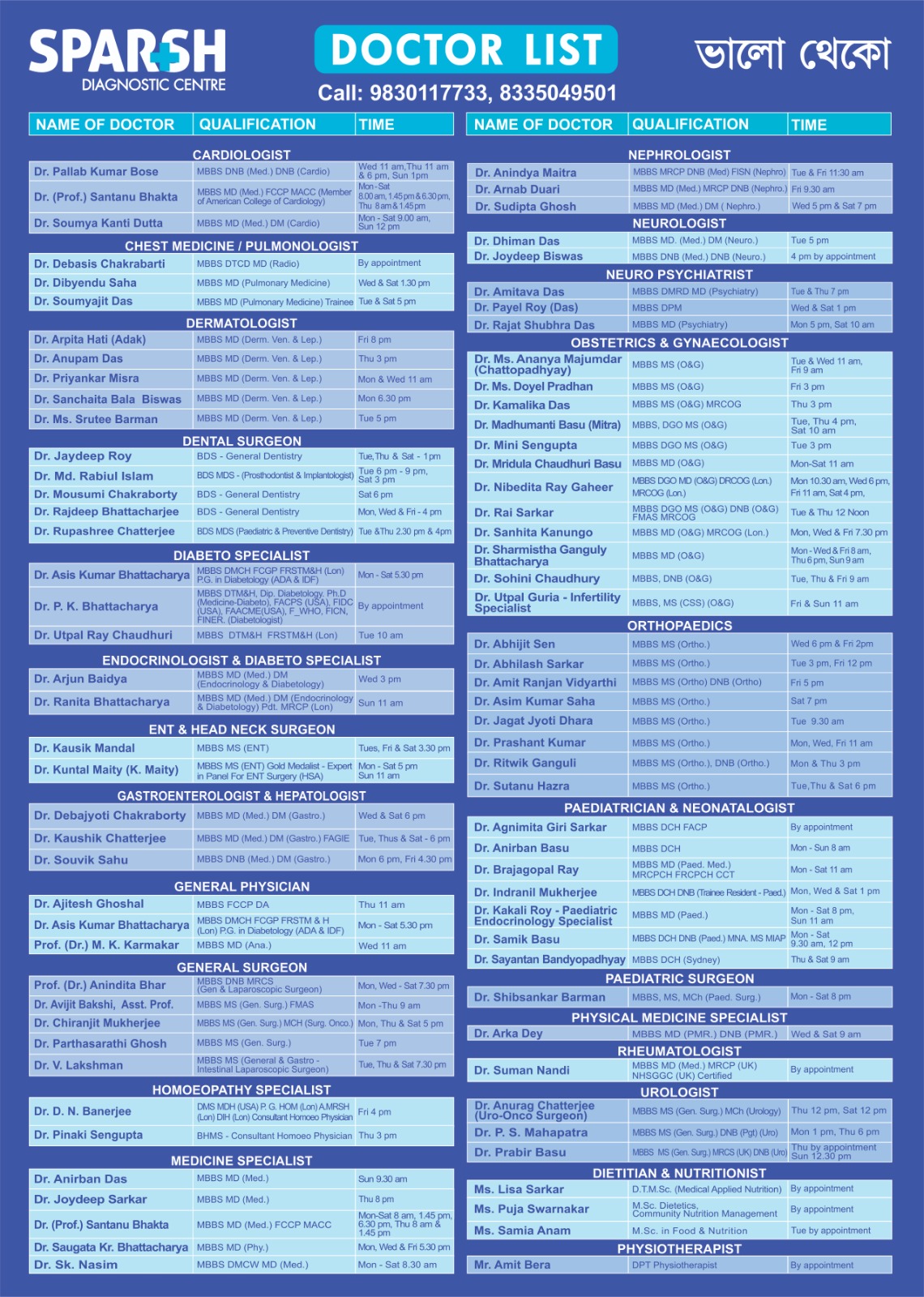
Sparsh Doctor List


[…] or systemic infections can lead to inflammation and clot formation in the splenic […]
[…] Severe systemic infections […]
[…] Bacterial and Fungal Infections: Less common but can occur in severe systemic infections. […]
[…] Some specific strains, such as Salmonella Typhi, cause typhoid fever, a more severe systemic infection. […]