

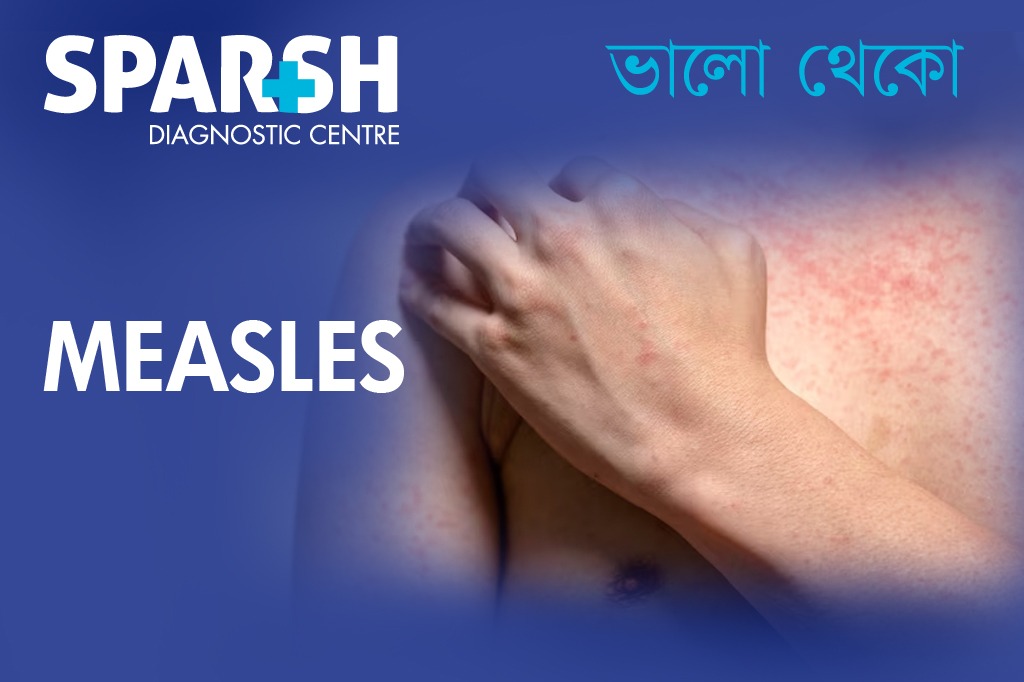
Measles is one of the most contagious viral diseases known to humans. Although vaccination has dramatically reduced the number of cases worldwide, outbreaks still occur, especially in communities with low vaccination coverage. While many people recover completely, measles can lead to serious complications, particularly in infants, pregnant women, older adults, and people with weakened immune systems.
Understanding the early signs of measles, knowing how it spreads, and recognizing when to seek medical attention can make a significant difference in preventing complications. Vaccination remains the safest and most effective way to protect yourself, your family, and your community.
In this comprehensive guide, we’ll discuss the causes, symptoms, diagnosis, treatment, prevention, and complications of measles to help you stay informed and prepared.
What Is Measles?
Measles is a highly contagious viral infection caused by the measles virus, a member of the Paramyxoviridae family. It primarily affects the respiratory system before spreading throughout the body.
The disease is characterized by:
- High fever
- Persistent cough
- Runny nose
- Red, watery eyes
- A distinctive red rash that spreads across the body
Before vaccines became widely available, measles affected millions of children every year. Today, vaccination has significantly reduced cases, but outbreaks continue in areas where immunization rates have declined.
What Are the Main Causes of Measles?
The primary cause of measles is infection with the measles virus. Unlike bacterial infections, measles cannot develop on its own or because of poor hygiene—it only occurs when someone is infected with the virus.
How does the virus spread?
The virus spreads through tiny respiratory droplets released into the air when an infected person:
- Coughs
- Sneezes
- Talks
- Breathes
A person can also become infected by touching contaminated surfaces and then touching their eyes, nose, or mouth.
One of the reasons measles spreads so easily is that the virus can remain in the air and on surfaces for up to two hours after an infected person leaves the area.
Risk factors include:
- Not receiving the MMR (Measles, Mumps, Rubella) vaccine
- Traveling to regions where measles outbreaks are occurring
- Vitamin A deficiency
- Weakened immune system due to illnesses or medications
- Living in crowded environments
How Does Measles Spread?
Measles is considered one of the most contagious infectious diseases. If one infected person enters a room filled with unvaccinated individuals, the majority are likely to become infected.
The virus spreads through:
- Airborne droplets
- Direct contact with respiratory secretions
- Sharing utensils or objects contaminated with saliva (less commonly)
An infected person can spread the virus:
- About 4 days before the rash appears
- Until 4 days after the rash develops
This means individuals can unknowingly infect others before realizing they have measles.
How Does Measles Start?
Measles usually develops gradually rather than appearing suddenly.
Incubation period
After exposure, symptoms generally appear 7–14 days later, although it can sometimes take up to 21 days.
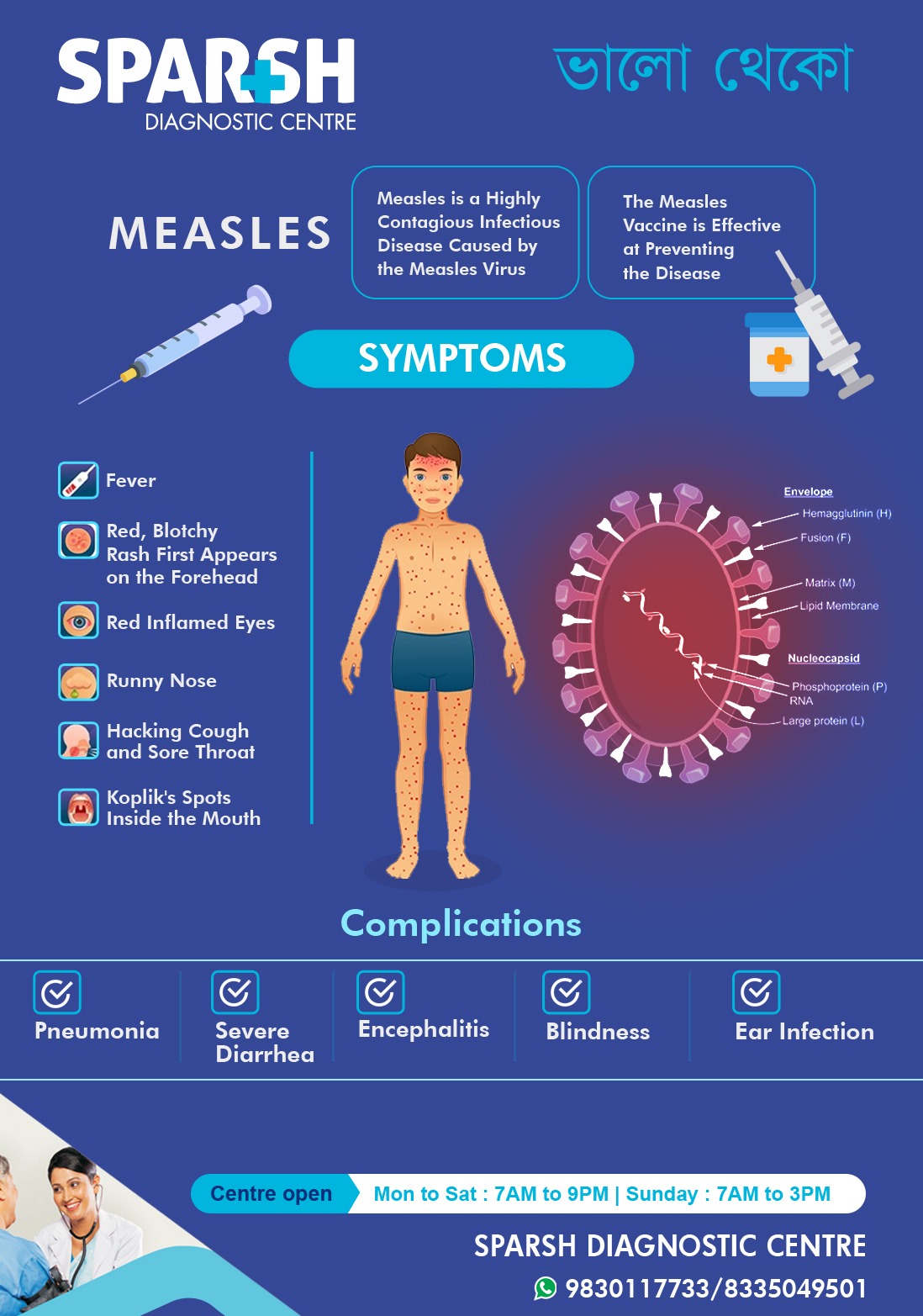
Early symptoms include:
- Mild to high fever
- Fatigue
- Runny nose
- Dry cough
- Red, watery eyes (conjunctivitis)
- Loss of appetite
These symptoms resemble a common cold, making early diagnosis difficult.
Within a few days, small white spots known as Koplik spots may develop inside the mouth. These are considered one of the earliest signs specific to measles.
Soon afterward, the classic measles rash begins on the face and gradually spreads downward over the neck, chest, trunk, arms, and legs.
What Are 5 Symptoms of Measles?
Measles causes a combination of respiratory symptoms and a characteristic skin rash.
The five most common symptoms include:
1. High Fever
Fever often begins before the rash appears and may exceed 39–40°C (102–104°F).
2. Red Skin Rash
The rash usually starts behind the ears or on the forehead before spreading across the body.
3. Persistent Dry Cough
Many people develop a dry, irritating cough that may last even after recovery.
4. Runny Nose
A constant runny nose is one of the earliest symptoms.
5. Red, Watery Eyes
Conjunctivitis causes eye redness, watering, irritation, and sensitivity to light.
Other symptoms include:
- Sore throat
- Fatigue
- Muscle aches
- Loss of appetite
- Koplik spots inside the mouth
- General weakness
Stages of Measles
Understanding the stages helps explain how the illness progresses.
Stage 1: Incubation
- Lasts around 7–14 days
- No visible symptoms
- Virus multiplies inside the body
Stage 2: Early Illness
Symptoms begin with:
- Fever
- Runny nose
- Cough
- Red eyes
- Fatigue
Koplik spots often appear during this stage.
Stage 3: Rash Stage
The rash develops on the face before spreading downward.
The fever often reaches its highest point during this phase.
Stage 4: Recovery
Over several days:
- Fever subsides
- Rash fades
- Energy gradually returns
- Skin may peel slightly
Who Is Most at Risk for Measles?
Although anyone who is unvaccinated can develop measles, certain groups face a higher risk of severe illness.
These include:
Infants
Babies younger than 12 months are generally too young for routine vaccination and are particularly vulnerable.
Young Children
Children who have not completed their vaccination schedule are at higher risk.
Pregnant Women
Measles during pregnancy increases the risk of miscarriage, premature birth, and low birth weight.
Adults Without Immunity
Adults who never received the MMR vaccine or have never had measles remain susceptible.
Immunocompromised Individuals
People with cancer, HIV/AIDS, organ transplants, or those taking immunosuppressive medications may experience more severe disease.
People with Vitamin A Deficiency
Vitamin A deficiency is associated with more serious infections and a higher risk of complications, particularly in children.
How Is Measles Diagnosed?
Doctors often suspect measles based on symptoms and a physical examination, particularly when a patient has fever, cough, conjunctivitis, Koplik spots, and the characteristic rash.
To confirm the diagnosis, healthcare providers may recommend laboratory testing.
Blood Test
A blood sample can detect antibodies produced in response to the measles virus.
PCR Test
A throat swab, nasal swab, or urine sample may be tested using polymerase chain reaction (PCR) to identify the virus.
Clinical Examination
Doctors also consider:
- Recent travel history
- Vaccination status
- Contact with someone who has measles
- Timing and pattern of symptoms
Prompt diagnosis helps prevent further spread of the infection.
How Can You Prevent Measles?
The most effective protection against measles is vaccination.
MMR Vaccine
The Measles, Mumps, and Rubella (MMR) vaccine provides excellent protection.
Most children receive:
- First dose at 9–12 months or 12–15 months (depending on national immunization schedules)
- Second dose at 15–18 months or 4–6 years
Adults without immunity may also benefit from vaccination after consulting their healthcare provider.
Other Preventive Measures
Besides vaccination:
- Wash hands regularly.
- Avoid close contact with infected individuals.
- Cover your mouth and nose when coughing or sneezing.
- Stay home when ill to prevent spreading the virus.
- Ensure children receive all recommended vaccinations on time.
Maintaining high vaccination rates within the community also helps protect infants and individuals who cannot be vaccinated for medical reasons.
What Is the Best Treatment for Measles?
There is no specific antiviral cure for uncomplicated measles. Treatment focuses on relieving symptoms, preventing dehydration, and managing complications while the body’s immune system clears the infection.
Treatment may include:
- Adequate rest
- Drinking plenty of fluids
- Fever-reducing medications such as paracetamol (acetaminophen), when appropriate
- Good nutrition
- Vitamin A supplementation for children when recommended by a healthcare provider, as it can reduce the severity of illness in those with deficiency
If bacterial complications such as pneumonia or an ear infection develop, antibiotics may be prescribed. However, antibiotics do not treat the measles virus itself.
Severe cases, particularly in infants, pregnant women, or individuals with weakened immune systems, may require hospitalization for close monitoring and supportive care.
How to Manage Measles at Home
Most people with uncomplicated measles recover at home with supportive care. Since there is no specific antiviral medication that cures measles, home management focuses on easing symptoms, preventing dehydration, and giving the body enough time to fight the infection.
If a child or adult has measles, they should stay home and avoid contact with others until at least four days after the rash appears. This helps prevent the virus from spreading to family members, classmates, or coworkers.
Tips for home care include:
- Get plenty of rest.
- Drink adequate fluids to stay hydrated.
- Eat soft, nutritious foods that are easy to digest.
- Use fever-reducing medicines such as paracetamol (acetaminophen) if advised by a doctor.
- Keep the room cool and well-ventilated.
- Wash hands frequently and practice good hygiene.
- Avoid exposure to cigarette smoke, which can worsen coughing.
Children should never be given aspirin during viral illnesses because of the risk of Reye’s syndrome, a rare but serious condition.
What to Drink During Measles
Fever and poor appetite can quickly lead to dehydration, making fluid intake especially important.
The best drinks during measles include:
- Water
- Oral rehydration solution (ORS)
- Coconut water
- Fresh fruit juices (without added sugar)
- Lemon water
- Clear vegetable soups
- Homemade chicken broth
- Warm herbal teas (for adults)
- Milk, if tolerated
Small, frequent sips are often easier than drinking large amounts at once, especially for children.
Avoid sugary soft drinks, caffeinated beverages, and alcohol, as they can contribute to dehydration or provide little nutritional value.
Which Fruit Is Best for Measles?
A healthy diet rich in vitamins and antioxidants supports recovery.
Some of the best fruits during measles include:
Oranges
Rich in vitamin C, oranges help support immune function and hydration.
Papaya
Soft, easy to digest, and packed with vitamins A and C.
Bananas
Gentle on the stomach and an excellent source of potassium.
Apples
Provide fibre and important nutrients. Stewed apples may be easier to eat if a sore throat is present.
Watermelon
Helps maintain hydration while supplying vitamins.
Kiwi
Contains high levels of vitamin C and antioxidants.
Berries
Blueberries and strawberries provide antioxidants that support overall health.
If mouth sores or Koplik spots make eating uncomfortable, soft fruits such as bananas or papaya are usually better tolerated.
What Foods Should Be Avoided During Measles?
There is no special “measles diet,” but some foods can irritate the throat or be difficult to digest during illness.
It is generally advisable to avoid:
- Deep-fried foods
- Oily or greasy meals
- Highly processed snacks
- Excessively spicy foods
- Sugary desserts
- Carbonated soft drinks
- Alcohol
- Very hard or crunchy foods if mouth sores are present
Instead, choose balanced meals containing:
- Fresh fruits
- Cooked vegetables
- Whole grains
- Lentils
- Eggs
- Lean meats
- Fish
- Dairy products, if tolerated
Good nutrition helps the immune system recover more effectively.
Can I Bathe a Child with Measles?
Yes. Contrary to popular myths, bathing does not worsen measles.
A lukewarm bath can actually help:
- Reduce discomfort
- Improve hygiene
- Lower body temperature slightly
- Relieve itching
Avoid using very hot water, harsh soaps, or vigorous scrubbing, as these may further irritate the skin.
After bathing, gently pat the skin dry with a soft towel.
Can I Apply Calamine Lotion on Measles?
Yes, calamine lotion may be used if the rash becomes itchy.
Calamine lotion can:
- Soothe irritated skin
- Reduce itching
- Provide temporary cooling relief
However, it does not treat the measles virus or shorten the illness.
If the rash becomes painful, develops pus, or shows signs of infection, medical evaluation is necessary.
Can Cetirizine Cure Measles?
No.
Cetirizine is an antihistamine that may reduce itching or allergy-like symptoms, but it does not kill the measles virus.
It should only be used if recommended by a healthcare provider.
Supportive care remains the cornerstone of measles treatment.
Which Medicines Are Used for Measles?
Since measles is caused by a virus, antibiotics are ineffective unless a secondary bacterial infection develops.
Common supportive medications include:
- Paracetamol (acetaminophen) for fever
- Ibuprofen (when appropriate and advised by a doctor)
- Oral rehydration solution for dehydration
- Vitamin A supplements in eligible children
- Antibiotics only if bacterial complications occur
Never self-medicate with antiviral drugs or antibiotics without medical advice.
Can Measles Be 100% Cured?
There is no medicine that instantly cures measles.
However, the good news is that most healthy children and adults recover completely with proper supportive care.
The immune system naturally clears the virus over time.
Recovery depends on several factors:
- Age
- Overall health
- Nutritional status
- Immune function
- Whether complications develop
People who recover usually develop lifelong immunity and are unlikely to get measles again.
Can You Fully Recover from Measles?
Yes.
The vast majority of healthy individuals recover completely without long-term health problems.
Most people gradually return to normal activities after:
- Fever resolves
- Rash fades
- Appetite improves
- Energy returns
Some individuals may continue to experience tiredness for a few weeks after the infection, but this usually improves with rest and proper nutrition.
How Long Does Measles Last?
The entire illness usually lasts about 10 to 14 days, although fatigue may persist for several weeks.
A typical timeline looks like this:
- Days 1–4: Fever, cough, runny nose, red eyes
- Days 3–5: Koplik spots may appear
- Days 4–7: Rash develops and spreads
- Days 7–10: Fever begins to settle
- Days 10–14: Rash gradually fades
- Following weeks: Energy slowly returns
The cough may linger longer than the rash.
Complications of Measles
Although many people recover fully, measles can sometimes lead to serious complications.
These include:
Ear Infection
One of the most common complications, particularly in children.
Diarrhea
Can contribute to dehydration and poor nutrition.
Pneumonia
A major cause of hospitalization and death associated with measles, especially in young children.
Encephalitis
A rare but serious inflammation of the brain that may cause seizures or permanent neurological damage.
Blindness
Vitamin A deficiency during measles increases the risk of severe eye complications.
Pregnancy Complications
Pregnant women with measles have a higher risk of:
- Premature labour
- Low birth weight
- Miscarriage
Why Does Vitamin A Deficiency Matter in Measles?
Vitamin A plays a vital role in maintaining healthy vision, immune function, and the integrity of the skin and mucous membranes.
During measles infection, vitamin A levels often decrease because of:
- Reduced dietary intake due to poor appetite
- Increased metabolic demands during infection
- Loss of nutrients during illness
Children with vitamin A deficiency are more likely to develop severe complications such as:
- Blindness
- Pneumonia
- Severe diarrhea
- Increased risk of death
For this reason, the World Health Organization recommends vitamin A supplementation for children with measles in areas where deficiency is common or when clinically indicated. Supplementation should be given under the guidance of a healthcare professional, as excessive vitamin A intake can also be harmful.
When Should You See a Doctor?
Seek immediate medical care if a person with measles develops:
- Difficulty breathing
- Persistent high fever
- Severe dehydration
- Extreme drowsiness or confusion
- Seizures
- Bluish lips or face
- Severe ear pain
- Persistent vomiting
- Chest pain
- Rash that becomes infected
Infants, pregnant women, older adults, and people with weakened immune systems should be evaluated promptly if measles is suspected.
Living with Measles: Recovery and Prevention
Recovering from measles requires patience, rest, and proper supportive care. While most healthy individuals recover fully, the illness can be serious and even life-threatening in vulnerable populations. Staying hydrated, eating a nutritious diet, and following your healthcare provider’s advice can help speed recovery and reduce the risk of complications.
The best way to protect yourself and your loved ones remains vaccination with the MMR vaccine. High vaccination coverage not only safeguards individuals but also helps prevent outbreaks by limiting the spread of the virus within the community.
If you or your child develops symptoms such as high fever, cough, red eyes, and a spreading rash, seek medical advice promptly. Early diagnosis, appropriate supportive care, and timely isolation are key steps in preventing complications and protecting others from infection.
Frequently Asked Questions (FAQs) About Measles
1. What are the main causes of measles?
Measles is caused by the measles virus, a highly contagious virus that spreads through respiratory droplets released when an infected person coughs, sneezes, talks, or breathes. You can also become infected by touching contaminated surfaces and then touching your eyes, nose, or mouth. The disease is most common in people who have not been vaccinated against measles.
2. What are 5 symptoms of measles?
The five most common symptoms of measles are:
- High fever
- Red, blotchy skin rash
- Persistent dry cough
- Runny nose
- Red, watery eyes (conjunctivitis)
Many people also develop Koplik spots—small white spots inside the mouth—which are a classic early sign of measles.
3. How does measles start?
Measles usually begins with symptoms similar to a common cold. During the first few days, a person may develop:
- Fever
- Runny nose
- Dry cough
- Red eyes
- Fatigue
After two to four days, Koplik spots may appear inside the mouth, followed by the characteristic red rash that starts on the face and gradually spreads downward across the body.
4. How can you prevent measles?
The best way to prevent measles is by receiving the Measles, Mumps, and Rubella (MMR) vaccine.
Additional preventive measures include:
- Avoiding close contact with infected individuals
- Washing hands regularly
- Covering your mouth and nose while coughing or sneezing
- Staying home when you are sick
- Keeping children’s vaccinations up to date
Vaccination not only protects you but also helps prevent outbreaks within the community.
5. Is measles 100% curable?
There is no medicine that directly cures the measles virus, but most healthy children and adults recover completely with supportive care. Recovery usually involves rest, hydration, proper nutrition, and treatment of symptoms. Serious complications can occur, particularly in infants, pregnant women, and people with weakened immune systems, making early medical care important.
6. What food should be avoided during measles?
There is no strict measles diet, but it is advisable to avoid foods that may irritate the throat or are difficult to digest, such as:
- Fried foods
- Oily or greasy meals
- Very spicy dishes
- Highly processed snacks
- Sugary desserts
- Carbonated soft drinks
- Alcohol
Instead, focus on soft, nutritious foods, fruits, vegetables, whole grains, and protein-rich meals.
7. What is the best treatment for measles?
There is no specific antiviral treatment for uncomplicated measles. Treatment focuses on relieving symptoms and preventing complications.
Supportive treatment includes:
- Plenty of rest
- Drinking fluids
- Fever-reducing medication such as paracetamol (acetaminophen), when appropriate
- Vitamin A supplementation for eligible children under medical supervision
- Antibiotics only if a bacterial infection, such as pneumonia or an ear infection, develops
8. Which fruit is best for measles?
Fruits rich in vitamins, antioxidants, and water can support recovery.
Good choices include:
- Oranges
- Papaya
- Bananas
- Watermelon
- Kiwi
- Apples
- Berries
Soft fruits are especially helpful if mouth sores make chewing uncomfortable.
9. How long does measles last?
Most people recover within 10 to 14 days.
Typically:
- Fever appears first.
- Rash develops after three to five days.
- Fever settles within a week.
- Rash gradually fades over several days.
Some people may continue to feel tired or have a lingering cough for a few weeks after the infection.
10. What age is measles worse for?
Measles can affect anyone, but it tends to be most severe in:
- Infants younger than one year
- Children under five years of age
- Adults over 20 years
- Pregnant women
- People with weakened immune systems
- Individuals with vitamin A deficiency
These groups are more likely to develop serious complications such as pneumonia or encephalitis.
11. How do you confirm if it’s measles?
Doctors usually diagnose measles based on:
- Medical history
- Vaccination status
- Symptoms
- Physical examination
- Presence of the characteristic rash and Koplik spots
To confirm the diagnosis, laboratory tests such as a blood test for measles antibodies or a PCR test using a throat, nasal, or urine sample may be recommended.
12. How do you manage measles at home?
Home care includes:
- Getting adequate rest
- Drinking plenty of fluids
- Eating nutritious meals
- Taking fever medicine as advised by your doctor
- Staying isolated until at least four days after the rash appears
- Monitoring for warning signs such as breathing difficulty or dehydration
If symptoms worsen, seek medical attention immediately.
13. What should you drink during measles?
Keeping well hydrated is essential.
Suitable drinks include:
- Water
- Oral rehydration solution (ORS)
- Coconut water
- Fresh fruit juices
- Clear soups
- Homemade broth
- Lemon water
- Milk, if tolerated
Avoid sugary soft drinks and alcohol, as they may contribute to dehydration.
14. Can I bathe a child with measles?
Yes. A lukewarm bath is safe and can help improve comfort, reduce itching, and maintain good hygiene.
Avoid using very hot water or harsh soaps, as these may irritate the skin further.
15. Can cetirizine cure measles?
No. Cetirizine does not cure measles.
It is an antihistamine that may help relieve itching if recommended by a doctor, but it has no effect on the measles virus itself.
16. Can I apply calamine lotion on measles?
Yes. Calamine lotion may be applied to relieve itching caused by the rash. It can provide soothing, cooling relief but does not treat the infection or shorten the illness.
If the rash becomes painful, develops blisters, or shows signs of infection, consult a healthcare professional.
17. Who is most at risk for measles?
People at the highest risk include:
- Unvaccinated children
- Babies younger than one year
- Pregnant women
- Adults without immunity
- Individuals with weakened immune systems
- People with vitamin A deficiency
- Travellers visiting areas experiencing measles outbreaks
Vaccination is the most effective way to reduce the risk of infection.
18. Which medicine is used for measles?
There is no medicine that eliminates the measles virus.
Treatment may include:
- Paracetamol (acetaminophen) for fever
- Ibuprofen when appropriate and recommended by a healthcare provider
- Vitamin A supplements in eligible children
- Oral rehydration solution for dehydration
- Antibiotics only for secondary bacterial infections
Always use medicines under the guidance of a healthcare professional.
19. Can you fully recover from measles?
Yes. Most healthy individuals recover completely without long-term complications.
After recovery, the body usually develops lifelong immunity, making it unlikely for a person to contract measles again.
However, severe cases can sometimes result in complications that require ongoing medical care, highlighting the importance of early diagnosis and proper treatment.
20. Why does vitamin A deficiency occur in measles?
Vitamin A levels often decrease during measles because:
- The infection increases the body’s nutritional requirements.
- Poor appetite reduces dietary intake.
- Fever and illness increase nutrient loss.
Vitamin A deficiency increases the risk of serious complications such as blindness, severe pneumonia, diarrhoea, and even death, particularly in young children. Healthcare providers may recommend vitamin A supplementation for eligible children with measles to reduce the severity of illness.
Measles is a highly contagious viral illness that can usually be prevented through timely vaccination. While most healthy individuals recover fully with supportive care, the disease can lead to serious complications in young children, pregnant women, older adults, and people with weakened immune systems. Recognizing the early symptoms, seeking prompt medical attention, and following appropriate home care measures can significantly reduce the risk of complications.
The MMR vaccine remains the most effective defence against measles, protecting both individuals and communities by reducing the spread of infection. Maintaining good nutrition, staying hydrated, and following your healthcare provider’s recommendations are equally important during recovery.
If you or a family member develops symptoms such as high fever, cough, red eyes, or a spreading rash, consult a healthcare professional promptly. Early diagnosis, supportive treatment, and isolation can help ensure a smoother recovery while protecting others from infection.
To consult a Doctor at Sparsh Diagnostic Centre, call our helpline number 9830117733.
#BhaloTheko
Disclaimer:
No content on this site, regardless of date, should ever be used as a substitute for direct medical advice from your doctor or other qualified clinician.


[…] after an infection such as measles, mumps, or […]
[…] symptoms can be mistaken for other illnesses like influenza or measles, making diagnosis challenging without proper […]
[…] Measles, mumps, and rubella viruses (especially in unvaccinated individuals) […]
[…] MMR vaccine (measles, mumps, rubella) protects against mumps-induced […]
[…] Routine immunization against Neisseria meningitidis, Haemophilus influenzae, and measles–mumps–rubella (MMR) can prevent certain forms of meningitis and […]
[…] Rash: Certain viral infections, such as measles, rubella, and dengue, can cause distinctive skin […]
[…] can weaken. This means that some adults are no longer fully protected against diseases like measles, mumps, or whooping cough, despite having been vaccinated as children. Booster shots are therefore […]
[…] A rash, especially when accompanied by fever, could suggest something more severe, like measles or […]
[…] Measles […]
[…] most effective way to prevent rubella is through vaccination. The MMR (measles, mumps, rubella) vaccine is highly effective and is typically administered in two doses, the first […]
[…] prevention. They have been developed for a wide range of infectious diseases, including polio, measles, mumps, rubella, influenza, and hepatitis B. Vaccines are highly effective in preventing these […]
[…] the areas of infectious diseases, measles and chickenpox stand out as two highly contagious diseases that mainly affect children, but can […]