

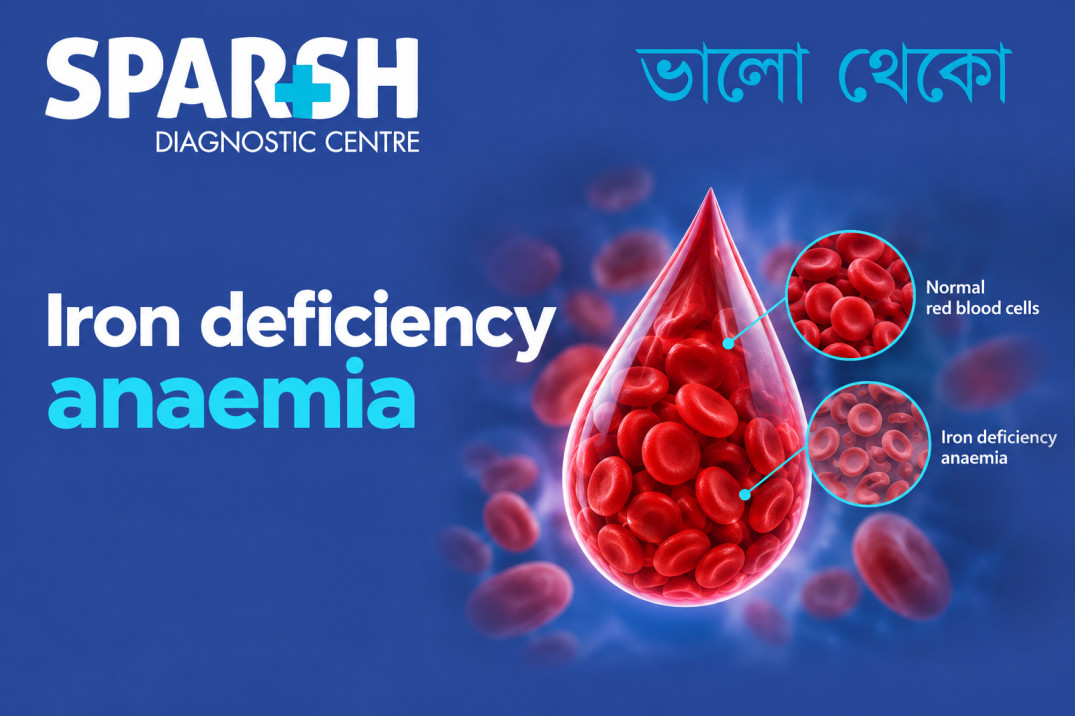
Feeling tired even after a good night’s sleep? Do you often feel weak, dizzy or breathless after climbing a flight of stairs? While these symptoms can have several causes, one possibility worth investigating is iron deficiency anaemia.
Iron deficiency anaemia is a common blood condition that develops when your body does not have enough iron to produce adequate haemoglobin. Haemoglobin is a protein in red blood cells that carries oxygen from the lungs to the rest of the body. When haemoglobin levels fall, your tissues receive less oxygen, which can affect your energy, concentration and overall well-being.
The condition can affect people of all ages, including children, women with heavy menstrual periods, pregnant women and older adults. Although it is often treatable, ignoring persistent symptoms may allow the underlying problem to worsen.
Understanding the signs of iron deficiency, recognising possible causes and getting the right blood tests can help you take timely action.
What is iron deficiency anaemia?
Iron deficiency anaemia occurs when your body does not have enough iron to produce the haemoglobin required for healthy red blood cells.
Iron plays an essential role in oxygen transport, muscle function, brain development and several other bodily processes. Your body obtains iron primarily through food and recycles iron from ageing red blood cells.
When iron intake is insufficient, iron absorption is impaired, or iron is lost through bleeding, the body’s iron stores gradually decrease. If the deficiency continues, haemoglobin production may fall, eventually resulting in anaemia.
It is important to understand that iron deficiency and iron deficiency anaemia are not exactly the same thing.
Iron deficiency means that the body’s iron stores are low. This can occur even when haemoglobin levels remain within the normal range. Iron deficiency anaemia develops when the lack of iron has progressed sufficiently to reduce haemoglobin levels.
This distinction matters because a person may experience symptoms of low iron before a routine blood test identifies anaemia.
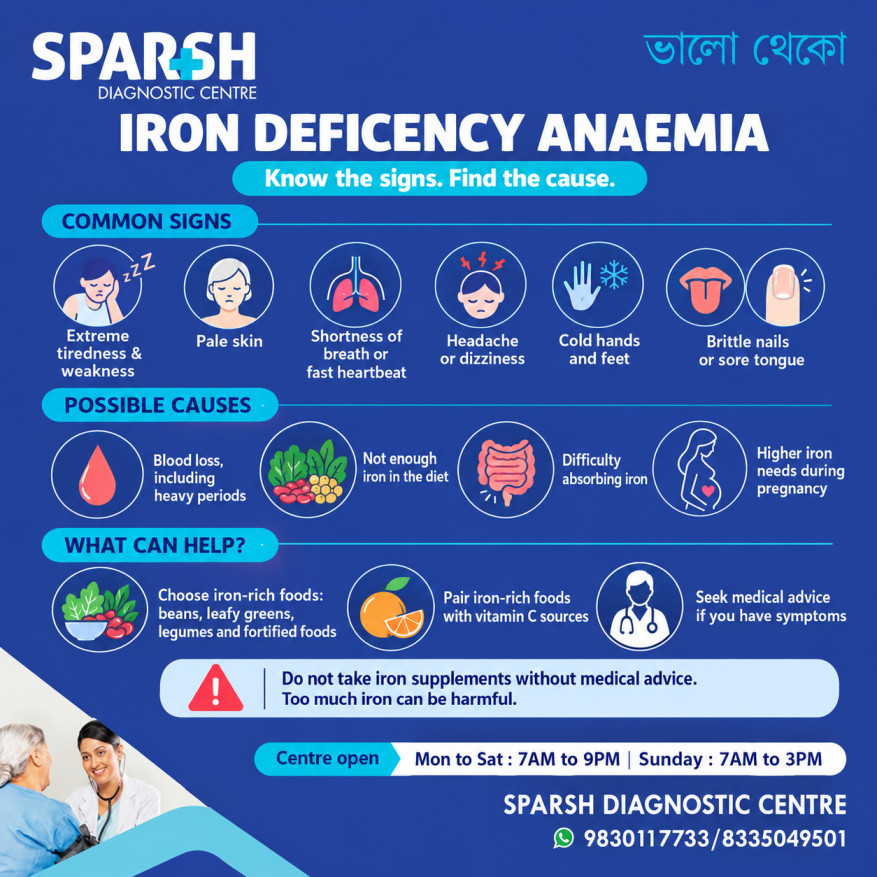
What are the signs of iron deficiency?
The signs of iron deficiency can develop gradually. Some people experience noticeable symptoms, while others may not realise anything is wrong until a blood test reveals low haemoglobin or depleted iron stores.
Common symptoms include the following.
1. Persistent tiredness and weakness
Feeling unusually tired is one of the most common signs of iron deficiency anaemia.
When haemoglobin levels are low, the body has less capacity to transport oxygen efficiently. Everyday activities that once felt easy may start requiring more effort.
You might experience fatigue even after adequate sleep, feel physically drained during the day or struggle to maintain your usual activity level.
2. Pale skin and pale inner eyelids
Reduced haemoglobin levels can make the skin appear paler than usual. Some people also notice paleness inside their lower eyelids, on their gums or on the palms of their hands.
However, skin colour alone cannot confirm or rule out anaemia. Blood tests are needed to establish the diagnosis.
3. Shortness of breath
Do you find yourself becoming breathless while walking quickly, climbing stairs or performing routine household tasks?
Iron deficiency anaemia can make physical activity more difficult because the blood carries less oxygen to the muscles and other tissues.
Breathlessness can also occur with heart, lung and other medical conditions, so persistent or unexplained symptoms should be assessed by a healthcare professional.
4. Headaches, dizziness and light-headedness
Low haemoglobin may contribute to headaches, dizziness or a feeling of light-headedness, particularly during physical exertion.
Some people also experience difficulty concentrating, reduced mental alertness or a general feeling of weakness.
These symptoms are not specific to iron deficiency, but they may justify further investigation when they occur alongside other signs.
5. A rapid or pounding heartbeat
When the blood carries less oxygen, the heart may compensate by pumping faster to deliver oxygen to the body’s tissues.
You might notice a racing heartbeat, palpitations or a pounding sensation in your chest.
A persistent rapid heartbeat, particularly when accompanied by breathlessness or dizziness, should not be ignored.
6. Cold hands and feet
People with iron deficiency anaemia sometimes report feeling unusually cold, especially in their hands and feet.
This symptom can occur for several reasons, including changes in circulation and the body’s response to reduced oxygen-carrying capacity.
Cold extremities alone do not necessarily indicate low iron levels.
7. Brittle nails and hair loss
Low iron levels may be associated with brittle nails, increased hair shedding and, in some cases, spoon-shaped nails that curve inward.
Hair loss has many possible causes, including thyroid disorders, nutritional deficiencies, hormonal changes and stress. Iron deficiency is one possibility that may need evaluation.
8. A sore tongue or cracks at the corners of the mouth
Some people develop a sore, smooth or inflamed tongue. Cracks at the corners of the mouth and recurring mouth discomfort may also occur.
These changes can sometimes be associated with other nutritional deficiencies, so the underlying cause should be assessed rather than assumed.
9. Unusual cravings for non-food items
An unusual craving to eat ice, soil, clay, paper or other non-food substances is known as pica.
Craving ice, specifically, is sometimes called pagophagia. Such cravings can be associated with iron deficiency, even when other symptoms are less obvious.
If you experience persistent cravings for non-food substances, discuss them with your doctor.
10. Restless legs and disturbed sleep
Some people with iron deficiency experience uncomfortable sensations in their legs, particularly when resting or trying to sleep.
These sensations may create an urge to move the legs and can interfere with sleep quality.
Remember: You do not need to experience every symptom to have iron deficiency anaemia. Equally, having one or more of these symptoms does not automatically mean that your iron levels are low.
What causes iron deficiency anaemia?
Iron deficiency anaemia generally develops because of blood loss, insufficient iron intake, poor iron absorption or an increased requirement for iron.
Identifying the cause is an essential part of treatment.
Blood loss
Blood loss is an important cause of iron deficiency.
In women, heavy or prolonged menstrual periods can gradually reduce iron stores. Blood loss during childbirth may also contribute.
Bleeding from the digestive tract is another possible cause. This may occur due to stomach ulcers, inflammation of the intestines, certain medicines or other gastrointestinal conditions.
In some cases, unexplained iron deficiency may be associated with intestinal polyps or cancers of the digestive tract. This is one reason why iron deficiency, particularly in adult men and postmenopausal women, should not automatically be attributed to diet.
Blood loss may be slow and difficult to notice. A person can develop iron deficiency even without seeing obvious blood in their stool.
Insufficient iron in the diet
Not consuming enough iron-rich foods can gradually deplete the body’s iron stores.
People who follow vegetarian or vegan diets may need to pay particular attention to their iron intake because plant-based iron is generally less readily absorbed than iron from meat and seafood.
However, a vegetarian diet does not automatically lead to iron deficiency. A well-planned diet containing pulses, beans, lentils, soy products, seeds, nuts, leafy greens and fortified foods can provide iron.
Increased iron requirements
The body needs additional iron during certain stages of life.
Pregnancy increases iron requirements because blood volume expands and iron is needed for the developing baby. Children and teenagers may also need more iron during periods of rapid growth.
Women who experience heavy menstrual bleeding may have increased iron requirements due to ongoing blood loss.
Problems with iron absorption
Even if your diet contains sufficient iron, your body may not absorb enough of it.
Conditions such as coeliac disease, inflammatory bowel disease and certain gastrointestinal disorders can interfere with iron absorption. Some people who have undergone stomach or intestinal surgery may also be at increased risk.
Persistent iron deficiency despite appropriate treatment may prompt a doctor to investigate possible absorption problems.
Frequent blood donation
Regular blood donation can reduce the body’s iron stores, particularly if iron is not adequately replenished between donations.
People who donate blood frequently may benefit from discussing their iron status with a healthcare professional.
Who is at a higher risk of iron deficiency anaemia?
Although anyone can develop iron deficiency, certain groups are more susceptible.
These include:
- Women with heavy or prolonged menstrual periods.
- Pregnant and recently postpartum women.
- Infants, children and adolescents during periods of rapid growth.
- People who follow diets low in iron.
- Vegetarians and vegans who do not consume sufficient iron-rich foods.
- People with digestive disorders that affect iron absorption.
- Individuals with chronic blood loss.
- Frequent blood donors.
- People with a history of gastrointestinal surgery.
Older adults may also develop iron deficiency because of nutritional problems, chronic illness or blood loss. New iron deficiency in this age group deserves particular attention because an underlying medical condition may be responsible.
Is iron deficiency anaemia serious?
Iron deficiency anaemia can be mild, moderate or severe. Its seriousness depends on the haemoglobin level, the speed at which the deficiency develops, the underlying cause and the person’s overall health.
Mild cases may cause little noticeable discomfort. However, untreated iron deficiency anaemia can gradually worsen and interfere with everyday activities, physical endurance, concentration and quality of life.
More significant anaemia can place additional strain on the heart because it must work harder to deliver enough oxygen throughout the body. In severe cases, this may contribute to an enlarged heart, abnormal heart rhythms or heart failure, particularly in people who already have cardiovascular disease.
During pregnancy, iron deficiency anaemia is associated with an increased risk of complications, including premature birth and low birth weight. Iron deficiency in children may also affect development and learning, particularly when it is prolonged.
Another important concern is the underlying cause. If iron deficiency results from persistent gastrointestinal bleeding, treating the deficiency without investigating the bleeding may delay the diagnosis of a more serious condition.
When should you seek medical attention?
Arrange a medical consultation if you experience persistent fatigue, unexplained weakness, frequent dizziness, breathlessness during routine activities, unusual cravings for ice or other non-food substances, or heavy menstrual bleeding.
Seek urgent medical attention if you develop chest pain, severe breathlessness at rest, fainting, a racing heartbeat accompanied by significant weakness, or signs of substantial bleeding.
Black, tarry stools or visible blood in the stool also require prompt medical assessment. Although iron supplements can darken stools, black, tarry stools should not automatically be attributed to supplements.
How is iron deficiency anaemia diagnosed?
Iron deficiency anaemia is diagnosed through a combination of medical history, examination and blood tests.
Your doctor may ask about your diet, menstrual history, medications, digestive symptoms, previous medical conditions and any signs of bleeding.
The following tests may be recommended depending on your symptoms and clinical circumstances.
Complete blood count (CBC)
A complete blood count measures haemoglobin and provides information about red blood cells.
In iron deficiency anaemia, haemoglobin is typically below the expected range. Red blood cells may also be smaller than usual, a finding known as microcytosis.
A CBC helps identify anaemia, but it does not always establish its cause.
Serum ferritin
Ferritin is a protein that stores iron in the body. A serum ferritin test helps assess the body’s iron reserves.
A low ferritin level is an important indicator of depleted iron stores. However, ferritin can rise during inflammation, infection and certain chronic illnesses, so results need to be interpreted in the appropriate clinical context.
Other iron studies
Depending on the situation, your doctor may recommend additional tests, such as serum iron, total iron-binding capacity (TIBC) and transferrin saturation.
These tests help provide a more complete picture of iron availability and metabolism.
Investigations to identify the underlying cause
If iron deficiency is confirmed, further investigations may be necessary.
For example, a doctor may recommend evaluation of heavy menstrual bleeding, testing for digestive disorders or investigations for gastrointestinal blood loss.
Not everyone requires the same set of tests. The appropriate approach depends on the person’s age, sex, symptoms, medical history and initial blood results.
How is iron deficiency anaemia treated?
Treatment aims to restore iron levels, improve haemoglobin and address the reason the deficiency developed.
Iron supplements
Oral iron supplements are commonly prescribed for iron deficiency anaemia. The type, dose and duration depend on the severity of the deficiency, the person’s health and their tolerance of treatment.
Some people experience side effects such as constipation, nausea, abdominal discomfort or dark stools.
If side effects become difficult to manage, speak to your doctor rather than stopping treatment or changing the dose independently. The treatment schedule or formulation may need adjustment.
Iron treatment often continues beyond the point when haemoglobin improves because the body’s iron stores also need time to recover. Follow-up blood tests help determine whether treatment is working and when it can be stopped.
Intravenous iron
Iron may sometimes be administered directly into a vein.
Intravenous iron may be considered when oral supplements are not tolerated, iron absorption is poor, iron requirements are substantial or a more rapid replacement strategy is clinically appropriate.
The decision should be made by a healthcare professional after evaluating the individual’s condition.
Treating the underlying cause
Replacing iron is only part of the solution.
If heavy menstrual bleeding is responsible, the bleeding may require treatment. If a digestive disorder is preventing iron absorption, that condition needs attention. If gastrointestinal bleeding is suspected, further investigations may be necessary.
Without addressing the underlying cause, iron deficiency can recur even after initial improvement.
What foods help prevent iron deficiency?
A balanced diet can help maintain healthy iron stores and support recovery alongside any treatment recommended by your doctor.
Vegetarian sources of iron
People following a vegetarian diet can include a variety of iron-containing foods, such as:
- Lentils, chickpeas, kidney beans and other pulses.
- Soybeans, tofu and other soy products.
- Dark green leafy vegetables.
- Sesame seeds, pumpkin seeds and other seeds.
- Nuts and selected dried fruits, such as raisins and apricots.
- Iron-fortified cereals and grain products.
- Whole grains and iron-containing millets.
The amount of iron available to the body varies between foods, and not all dietary iron is absorbed equally.
Combine iron-rich foods with vitamin C
Vitamin C helps improve the absorption of non-haem iron, the form of iron found in plant-based foods.
Consider combining iron-rich foods with vitamin C sources such as:
- Amla.
- Guava.
- Oranges and sweet lime.
- Lemon.
- Tomatoes.
- Capsicum.
- Other vitamin C-rich fruits and vegetables.
For example, adding lemon to a meal containing lentils, chickpeas or leafy greens can be a simple way to support iron absorption.
Pay attention to tea and coffee
Tea and coffee contain compounds that can reduce the absorption of non-haem iron when consumed with meals.
If you are trying to improve your iron intake, consider drinking tea or coffee between meals rather than immediately alongside iron-rich foods. Your doctor may also advise you on the timing of these drinks in relation to prescribed iron supplements.
Can food alone correct iron deficiency anaemia?
Diet is important, but food alone may not be sufficient to correct established iron deficiency anaemia, particularly when the deficiency is significant or caused by ongoing blood loss or poor absorption.
If blood tests confirm iron deficiency anaemia, follow your doctor’s advice about treatment and dietary changes.
How can iron deficiency anaemia be prevented?
Not every case can be prevented, but certain measures can reduce the risk.
- Include a variety of iron-containing foods in your regular diet.
- Combine plant-based iron sources with vitamin C-rich foods.
- Seek medical advice for heavy or prolonged menstrual bleeding.
- Attend recommended antenatal appointments during pregnancy.
- Discuss iron status with your healthcare professional if you donate blood frequently.
- Investigate persistent digestive symptoms or possible bleeding.
- Follow up on abnormal blood test results as recommended.
- Avoid taking iron supplements without medical advice.
People at higher risk may benefit from testing based on their symptoms, medical history and individual circumstances.
Iron deficiency anaemia is a common and often treatable condition, but it should not be dismissed as simply feeling tired or weak.
Persistent fatigue, pale skin, dizziness, shortness of breath, a rapid heartbeat, brittle nails and unusual cravings can be signs of low iron levels. However, these symptoms can also occur with other health conditions, making appropriate testing important.
A complete blood count, serum ferritin and other iron studies can help establish the diagnosis. Once iron deficiency is confirmed, treatment may involve iron supplements, dietary changes, intravenous iron in selected cases and investigation of the underlying cause.
If you are experiencing symptoms that could indicate iron deficiency anaemia, consult a healthcare professional rather than relying on symptoms alone or starting supplements on your own.
At Sparsh Diagnostic Centre, appropriate laboratory investigations can help support the assessment of anaemia and iron deficiency. Discuss the tests most suitable for your symptoms with your doctor.
Frequently asked questions about iron deficiency anaemia
1. What are the first signs of iron deficiency?
The earliest signs may include unusual tiredness, reduced energy, weakness, headaches or difficulty concentrating. Some people have depleted iron stores before haemoglobin levels fall enough to cause noticeable symptoms.
2. What happens if your iron is low?
When iron stores become low, your body may struggle to produce enough haemoglobin. You may experience fatigue, weakness, dizziness, pale skin or breathlessness. If the deficiency progresses, iron deficiency anaemia can develop.
3. Is iron deficiency anaemia serious?
It can be mild or severe. Untreated iron deficiency anaemia may affect daily functioning and, in more serious cases, place strain on the heart. It is also important to identify the underlying cause, particularly if blood loss is suspected.
4. Can you have iron deficiency without anaemia?
Yes. Iron stores can become depleted before haemoglobin falls below the normal range. A serum ferritin test, interpreted alongside your medical history and other results, can help identify iron deficiency before anaemia develops.
5. Which blood tests detect iron deficiency anaemia?
A complete blood count (CBC) helps assess haemoglobin and red blood cell characteristics. Serum ferritin helps evaluate iron stores. Serum iron, TIBC and transferrin saturation may also be recommended.
6. Which foods are rich in iron for vegetarians?
Useful plant-based sources include lentils, chickpeas, beans, soy products, leafy greens, seeds, nuts, whole grains and iron-fortified foods. Combining these foods with vitamin C-rich fruits and vegetables can improve iron absorption.
7. Does vitamin C help increase iron absorption?
Yes. Vitamin C improves the absorption of non-haem iron from plant-based foods. Including lemon, amla, guava, oranges, tomatoes or capsicum alongside iron-containing meals can help.
8. How long does it take to recover from iron deficiency anaemia?
Recovery varies according to the severity of the deficiency, the treatment used and whether the underlying cause has been addressed. Haemoglobin may improve over several weeks, but replenishing iron stores generally takes longer. Your doctor may recommend repeat blood tests to monitor progress.
9. Can iron deficiency cause hair loss?
Iron deficiency may contribute to increased hair shedding in some people. However, hair loss can also result from thyroid disorders, hormonal changes, stress and other nutritional deficiencies. Testing may help identify the cause when clinically indicated.
10. Can iron supplements be taken without a blood test?
It is best to consult a healthcare professional before taking iron supplements. Fatigue and weakness can have many causes, and unnecessary iron intake can be harmful. A doctor can determine whether testing and supplementation are appropriate.
11. Why does iron deficiency anaemia occur during pregnancy?
Iron requirements increase during pregnancy because the mother’s blood volume expands and iron is needed for the developing baby. If iron intake and available stores are insufficient, iron deficiency anaemia may develop. Antenatal blood tests help identify the problem so that appropriate treatment can be provided.
12. When should I get tested for iron deficiency?
Consider medical assessment if you have persistent unexplained fatigue, dizziness, breathlessness, palpitations, pale skin, heavy menstrual bleeding or other symptoms suggestive of anaemia. Your doctor can determine whether a CBC, ferritin or additional iron studies are appropriate.
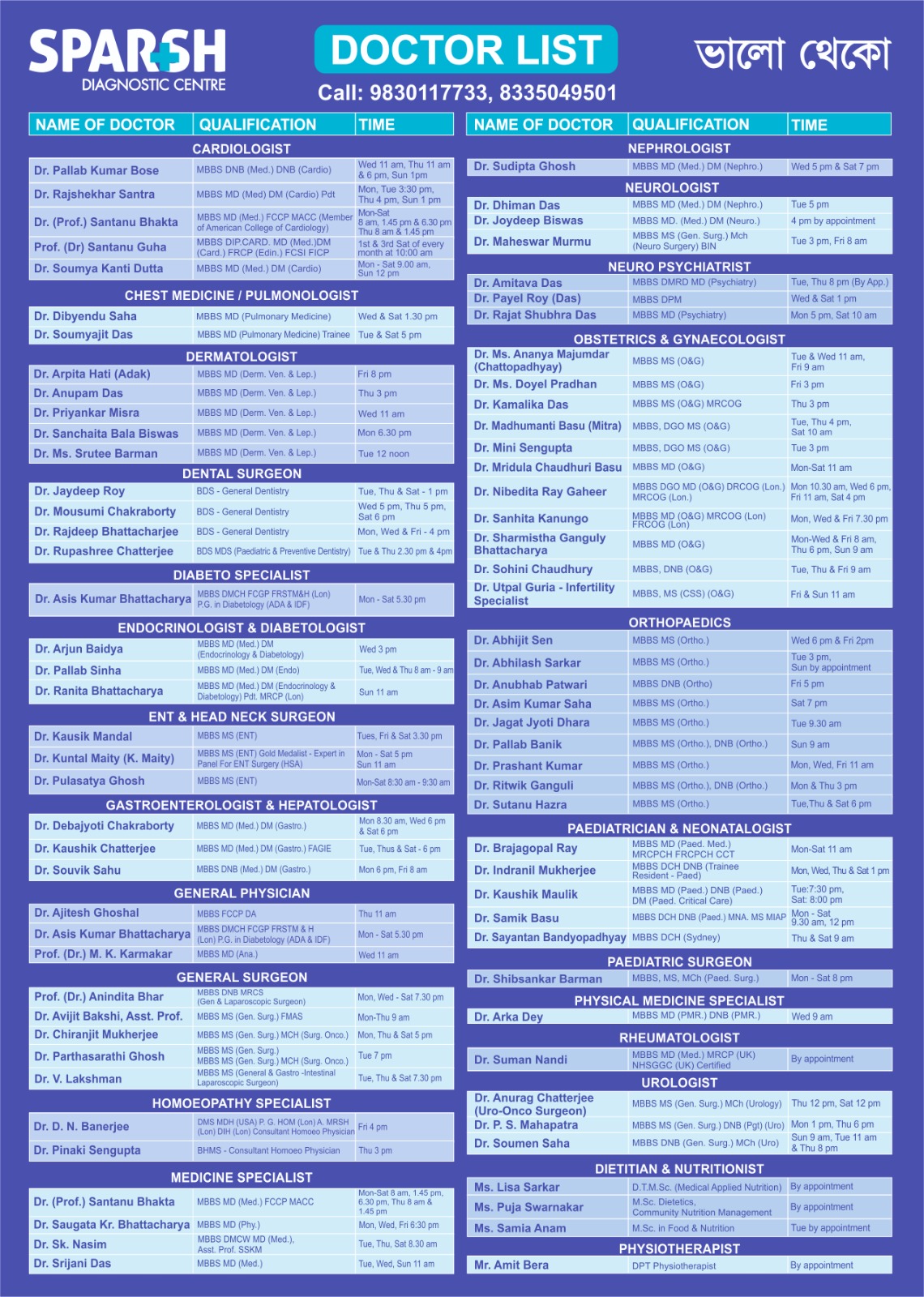
To consult a Doctor at Sparsh Diagnostic Centre, call our helpline numbers +91 98301 17733 and +91 83350 49501.
#BhaloTheko
Disclaimer:
No content on this site, regardless of date, should ever be used as a substitute for direct medical advice from your doctor or other qualified clinician.
Sources and further reading
The following medical resources were consulted to prepare this patient-education article:
- Mayo Clinic — Iron deficiency anaemia: symptoms and causes.
https://www.mayoclinic.org/diseases-conditions/iron-deficiency-anemia/symptoms-causes/syc-20355034 - American Society of Hematology — Iron-deficiency anaemia: patient education, risk factors, diagnosis and treatment.
https://www.hematology.org/education/patients/anemia/iron-deficiency - Cleveland Clinic — Iron-deficiency anaemia: symptoms, causes and treatment.
https://my.clevelandclinic.org/health/diseases/22824-iron-deficiency-anemia - MedlinePlus, U.S. National Library of Medicine — Iron deficiency anaemia: causes, symptoms, testing and treatment.
https://medlineplus.gov/ency/article/000584.htm - Johns Hopkins Medicine — Iron-deficiency anaemia: causes, symptoms, diagnosis and treatment.
https://www.hopkinsmedicine.org/health/conditions-and-diseases/irondeficiency-anemia - National Institutes of Health, PubMed Central — Review article on iron deficiency anaemia.
https://pmc.ncbi.nlm.nih.gov/articles/PMC3685880/ - Medscape — Iron deficiency anaemia: clinical overview.
https://emedicine.medscape.com/article/202333-overview
Medical disclaimer: This article is intended for general educational purposes and should not replace professional medical advice, diagnosis or treatment. Medical assessment and interpretation of laboratory results should be performed by a qualified healthcare professional.
Medical review
This article has been medically reviewed by Dr. Shubhayu Som, MBBS, General Physician, to support the accuracy and reliability of the health information presented.
Dr. Shubhayu Som is a general physician associated with Sparsh Diagnostic Centre, Kolkata. The medical review aims to ensure that the information shared in this article is appropriate for public health awareness and helps readers better understand malaria, its symptoms, prevention, and the importance of timely medical attention.
Medical reviewer: Dr. Shubhayu Som
WBMC Registration Number: 81060
Qualification: MBBS
Specialisation: General Physician
Reviewed on: 28th October 2026
Disclaimer: This article is intended for general health awareness and educational purposes only. It should not be considered a substitute for professional medical advice, diagnosis, or treatment.


