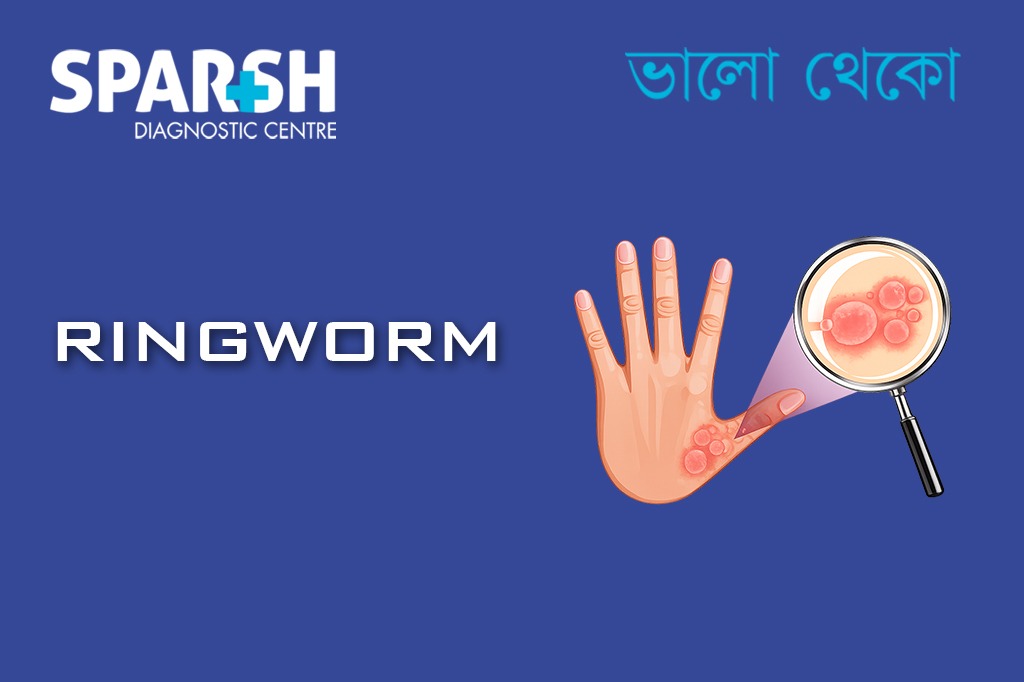
Despite its name, ringworm has nothing to do with worms. It is a common fungal infection that affects many people worldwide every year. It can appear on the skin, scalp, feet, groin, beard, or nails, causing itchy, red, circular rashes that often spread if left untreated.
The good news is that ringworm is usually easy to treat when diagnosed early. Most cases respond well to antifungal creams or medications, and following proper hygiene measures can prevent it from spreading to others.
In this comprehensive guide, you’ll learn everything about ringworm—its causes, symptoms, treatment options, prevention tips, home remedies, and answers to the most frequently asked questions.
What Is Ringworm?
Ringworm is a fungal infection of the skin caused by a group of fungi called dermatophytes. These fungi thrive in warm, moist environments and feed on keratin, a protein found in the skin, hair, and nails.
The medical term for ringworm is tinea, and different names are used depending on the body part affected:
- Tinea corporis – Body
- Tinea capitis – Scalp
- Tinea pedis – Athlete’s foot
- Tinea cruris – Jock itch
- Tinea unguium (onychomycosis) – Nails
- Tinea barbae – Beard area
- Tinea faciei – Face
Although ringworm is highly contagious, it is not usually dangerous in healthy individuals.
What Causes Ringworm?
Ringworm develops when dermatophyte fungi infect the outer layer of the skin.
Common fungal species include:
- Trichophyton
- Microsporum
- Epidermophyton
The fungi spread through direct or indirect contact.
Common Causes
- Skin-to-skin contact with an infected person
- Contact with infected pets or farm animals
- Sharing towels, clothing, combs, shoes, or bedding
- Walking barefoot in communal showers or swimming pools
- Touching contaminated gym equipment
- Contact with infected soil (less common)
Warm weather, humidity, sweating, and tight clothing also encourage fungal growth.
Why Did I Get Ringworm All of a Sudden?
Many people are surprised when ringworm appears seemingly overnight.
Possible reasons include:
- Recent contact with an infected person
- Playing with an infected pet
- Excessive sweating
- Wearing damp clothes for long periods
- Using shared towels or sports equipment
- Visiting public gyms or swimming pools
- Reduced immunity due to illness or medication
Sometimes the infection remains unnoticed for several days before the rash becomes visible.
Is Ringworm Due to Poor Hygiene?
No.
Poor hygiene alone does not cause ringworm.
However, inadequate hygiene may increase the risk because fungi survive better on dirty, sweaty skin.
Even people who bathe regularly can develop ringworm if they:
- Visit gyms frequently
- Play contact sports
- Have close contact with infected pets
- Live in hot and humid climates
- Have diabetes or weakened immunity
Good hygiene helps reduce risk but does not completely prevent infection.
Risk Factors
You are more likely to develop ringworm if you:
- Sweat excessively
- Wear tight clothing
- Have diabetes
- Have a weakened immune system
- Live in tropical climates
- Share sports equipment
- Play wrestling or contact sports
- Own infected pets
- Frequently use public showers
Children commonly develop scalp ringworm, while adults are more likely to experience athlete’s foot and nail infections.
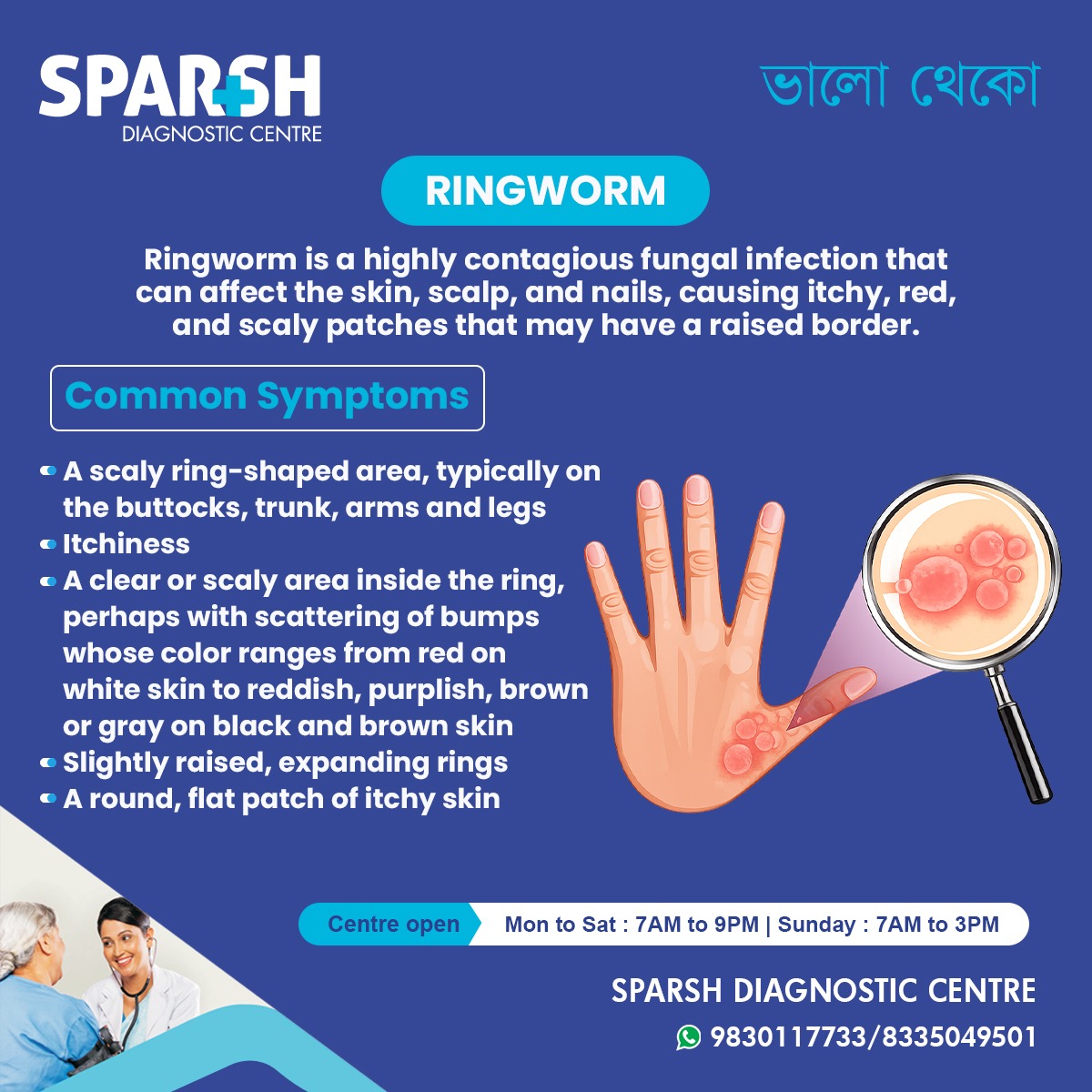
What Are the Symptoms of Ringworm?
Symptoms vary depending on the affected body part.
Five Common Symptoms of Ringworm
- Circular or ring-shaped rash
- Intense itching
- Red, scaly skin
- Raised edges with clearer skin in the center
- Gradually expanding rash
Other symptoms may include:
- Dry or flaky skin
- Burning sensation
- Blisters (especially on feet)
- Hair loss (scalp ringworm)
- Thick, brittle nails
- Nail discoloration
Ringworm Symptoms by Location
Body
- Round red patches
- Itching
- Scaling
- Expanding rings
Scalp
- Hair loss
- Black dots
- Scaly patches
- Tender scalp
Feet
- Cracked skin
- Peeling
- Itching between toes
- Burning
Groin
- Red itchy rash
- Well-defined border
- Skin irritation
Nails
- Thick nails
- Yellow discoloration
- Crumbling edges
- Brittleness
How Is Ringworm Diagnosed?
Doctors usually diagnose ringworm through:
Physical Examination
The characteristic ring-shaped rash is often enough for diagnosis.
Skin Scraping (KOH Test)
Skin cells are examined under a microscope to identify fungal elements.
Fungal Culture
A laboratory culture helps identify the exact fungus, especially in stubborn infections.
Wood’s Lamp Examination
Some fungal species glow under ultraviolet light.
How to Remove Ringworm
The best treatment depends on where the infection is located and how severe it is.
Mild Skin Ringworm
Usually treated with over-the-counter antifungal creams such as:
- Clotrimazole
- Terbinafine
- Miconazole
- Ketoconazole
- Butenafine
Treatment generally continues for 2–4 weeks, even if symptoms improve earlier.
Severe or Extensive Ringworm
Doctors may prescribe oral antifungal medications, including:
- Terbinafine
- Itraconazole
- Fluconazole
- Griseofulvin (commonly used for scalp ringworm)
Prescription medication is especially important for scalp, nail, or widespread infections.
What Is the Fastest Killer for Ringworm?
For most uncomplicated skin infections, terbinafine cream is often one of the fastest-acting antifungal treatments.
However, the “fastest” treatment depends on:
- Location of infection
- Severity
- Duration
- Individual response
Scalp and nail infections usually require oral medications because creams cannot penetrate deeply enough.
What Is the Strongest Cure for Ringworm?
There isn’t a single “strongest” cure for every case.
Doctors commonly prescribe:
- Oral terbinafine
- Itraconazole
- Fluconazole
- Griseofulvin
These medications are highly effective when taken exactly as prescribed.
Never start oral antifungal medication without medical advice, as these drugs may affect the liver or interact with other medicines.
What Kills Ringworm Permanently?
Ringworm can usually be cured completely by:
- Using antifungal medication for the full prescribed duration
- Keeping the affected area clean and dry
- Avoiding scratching
- Washing clothing and bedding regularly
- Treating infected pets if necessary
- Avoiding reinfection from contaminated items
Stopping treatment too early is one of the main reasons ringworm returns.
Does Ringworm Go Away by Itself?
Usually no.
Unlike some minor skin irritations, ringworm generally does not disappear without treatment.
Instead, it often:
- Expands
- Spreads to other body parts
- Infects family members
- Becomes more difficult to treat
Early treatment leads to faster recovery.
Can Ringworm Be Cured in 3 Days?
No.
Even with effective antifungal medication, visible improvement usually takes 1–2 weeks.
Complete treatment often requires:
- 2–4 weeks for skin
- 4–8 weeks for scalp
- Several months for nail infections
Three days is generally not enough to eliminate the fungus.
How to Make Ringworm Disappear Fast
Recovery can be accelerated by:
- Applying antifungal cream exactly as directed
- Keeping skin dry
- Wearing loose cotton clothing
- Washing hands frequently
- Avoiding scratching
- Washing towels daily
- Completing the full course of treatment
Consistency is far more important than using multiple products.
Home Remedies for Ringworm
Some natural remedies may help reduce symptoms, but they should never replace proven antifungal treatment, especially for persistent or widespread infections.
Commonly discussed home remedies include:
Tea Tree Oil
Has natural antifungal properties and may help mild infections when diluted properly.
Coconut Oil
Contains fatty acids that may inhibit certain fungi, though evidence is limited.
Aloe Vera
May soothe irritated skin but does not reliably eliminate fungal infections.
Turmeric
Laboratory studies suggest antifungal activity, but clinical evidence is limited.
Apple Cider Vinegar
Some people use diluted apple cider vinegar, but it can irritate the skin and is not considered a standard treatment.
If symptoms worsen or do not improve within two weeks, seek medical advice.
Can Salt Remove Ringworm?
No.
Salt is not an effective treatment for ringworm.
Applying salt may:
- Cause irritation
- Increase discomfort
- Delay proper treatment
Antifungal medications remain the recommended approach.
Can Stress Cause Ringworm?
Stress does not directly cause ringworm because the infection is caused by fungi.
However, chronic stress may weaken the immune system, making it easier for fungal infections to develop or recur.
Managing stress supports overall health but does not replace antifungal treatment.
What Food to Avoid During Ringworm?
No specific diet cures ringworm.
However, maintaining a balanced diet supports immune function.
Some healthcare professionals recommend limiting:
- Excess sugary foods
- Refined carbohydrates
- Highly processed foods
- Excess alcohol (especially if taking oral antifungal medication)
Instead, focus on:
- Fresh vegetables
- Fruits
- Lean protein
- Whole grains
- Probiotic-rich foods
- Adequate hydration
How to Stop Ringworm from Spreading
Preventing transmission is essential.
Follow these steps:
- Wash hands regularly.
- Keep the affected area clean and dry.
- Do not scratch the rash.
- Avoid sharing towels, clothing, hats, or bedding.
- Wash clothes in hot water.
- Wear slippers in public showers.
- Treat infected pets promptly.
- Clean gym equipment before and after use.
- Continue medication until the treatment course is complete.
Possible Complications
Without treatment, ringworm may lead to:
- Secondary bacterial infection
- Permanent hair loss (rare scalp infections)
- Chronic nail damage
- Widespread skin infection
- Recurrent fungal infections
- Spread to family members
Prompt treatment reduces these risks.
When Should You See a Doctor?
Seek medical attention if:
- The rash spreads rapidly.
- Symptoms persist after two weeks of treatment.
- The scalp or nails are affected.
- There is significant pain, swelling, or pus.
- You have diabetes or a weakened immune system.
- Ringworm keeps coming back.
Tips to Prevent Ringworm
Simple preventive measures include:
- Bathe after exercising.
- Dry skin thoroughly after bathing.
- Change sweaty clothes promptly.
- Wear breathable cotton fabrics.
- Avoid sharing personal items.
- Wash bedding regularly.
- Keep pets healthy and treated if infected.
- Wear footwear in public showers and pools.
- Maintain healthy blood sugar levels if you have diabetes.
Frequently Asked Questions (FAQs)
1. What is the cause of ringworm?
Ringworm is caused by dermatophyte fungi that infect the skin, hair, or nails. It spreads through contact with infected people, animals, contaminated objects, or soil.
2. How do you remove ringworm?
Most cases are treated with antifungal creams. More severe infections may require prescription oral antifungal medication.
3. Is ringworm a bad disease?
No. Ringworm is generally not dangerous, but it is contagious and should be treated promptly to prevent it from spreading.
4. Does ringworm go away itself?
Usually not. Without treatment, it often spreads and may become more difficult to manage.
5. What kills ringworm permanently?
Completing the full course of appropriate antifungal treatment, maintaining good hygiene, and preventing reinfection usually cures ringworm completely.
6. Is ringworm due to poor hygiene?
No. Poor hygiene is not the direct cause, although warm, sweaty skin can increase the risk of fungal growth.
7. What foods should be avoided during ringworm?
There is no strict ringworm diet. Eating fewer sugary and highly processed foods while maintaining a balanced diet may support overall immune health.
8. What are five symptoms of ringworm?
The most common symptoms are:
- Ring-shaped rash
- Itching
- Redness
- Scaling
- Raised border with clearer skin in the center
9. Why did I suddenly get ringworm?
Recent exposure to an infected person, animal, contaminated surface, or excessive sweating in warm conditions may trigger infection.
10. How can I stop ringworm from spreading?
Keep the area clean and dry, use antifungal medication as directed, avoid sharing personal items, wash clothing and bedding regularly, and avoid scratching the rash.
11. Can stress cause ringworm?
Stress does not directly cause ringworm, but prolonged stress may weaken the immune system and make infections more likely.
12. What are some home remedies for ringworm?
Tea tree oil (properly diluted), coconut oil, aloe vera, and turmeric are commonly used, but they should not replace medically recommended antifungal treatment.
13. Can salt remove ringworm?
No. Salt is not an effective treatment and may irritate the skin.
14. What is the fastest killer for ringworm?
Topical terbinafine is often among the fastest treatments for uncomplicated skin ringworm, while more severe cases may require oral medication.
15. How do I make ringworm disappear fast?
Start antifungal treatment early, keep the area dry, avoid scratching, and complete the full course of medication.
16. What is the strongest cure for ringworm?
Prescription oral antifungal medicines such as terbinafine, itraconazole, fluconazole, or griseofulvin may be recommended for severe, scalp, or nail infections.
17. Can ringworm be cured in three days?
No. Most skin infections take at least 2–4 weeks of treatment, while scalp and nail infections often require much longer.
Final Thoughts
Ringworm is a common fungal infection that can affect anyone, regardless of age or hygiene habits. While it is rarely serious, it is highly contagious and should be treated promptly to prevent it from spreading or recurring. Most cases respond well to antifungal medications, especially when treatment begins early and is completed as prescribed. Alongside good personal hygiene, keeping the skin dry, avoiding shared personal items, and treating infected pets when necessary can significantly reduce the risk of reinfection.
If you notice a persistent ring-shaped rash, itching, or scaling that does not improve with over-the-counter treatment, consult a healthcare professional for an accurate diagnosis and appropriate care. Early treatment not only speeds recovery but also helps protect those around you from infection.
To consult a Doctor or get full body check-up done at Sparsh Diagnostic Centre, call our helpline numbers 9830117733/ 8335049501.
#BhaloTheko
Disclaimer:
No content on this site, regardless of date, should ever be used as a substitute for direct medical advice from your doctor or other qualified clinician.