Septic shock is one of the most serious medical emergencies doctors treat in hospitals every day. It develops when an infection triggers a dangerous chain reaction throughout the body, causing blood pressure to drop to life-threatening levels and vital organs to struggle for oxygen. What makes septic shock especially dangerous is how quickly it can progress—sometimes within hours—and how easily early warning signs can be mistaken for fatigue, dehydration, stomach illness, or flu-like symptoms.
Many people first notice subtle changes such as dizziness, confusion, unusual weakness, or difficulty standing up before realizing something far more serious is happening. By the time symptoms become dramatic, the body may already be under severe stress. That is why understanding septic shock symptoms, causes, treatment, and prevention is critical for families, caregivers, and patients alike.
This guide explains septic shock in a clear and practical way, including why it happens, who is at risk, early warning signs, emergency treatment, possible complications, and answers to the most common questions.
What Is Septic Shock?
Septic shock is the most severe stage of sepsis, a condition in which the body’s response to infection becomes uncontrolled and starts damaging its own tissues and organs.
Normally, the immune system fights bacteria, viruses, fungi, or parasites effectively. But in sepsis, the immune response becomes excessive. Chemicals released into the bloodstream trigger widespread inflammation, blood vessel leakage, and abnormal clotting. When this process leads to dangerously low blood pressure that does not improve adequately with fluids, septic shock develops.
In septic shock:
- Blood circulation becomes unstable
- Organs receive less oxygen
- Cells cannot function properly
- Kidney, heart, brain, and lung damage may begin rapidly
Without urgent treatment, septic shock can become fatal.
How does Septic Shock develop
Most cases begin with an infection somewhere in the body. Common starting points include:
- Lung infections such as pneumonia
- Urinary tract infections
- Abdominal infections
- Skin infections
- Infected wounds
- Bloodstream infections
As infection spreads, inflammatory chemicals affect the blood vessels, causing them to widen and leak fluid. This reduces effective blood volume and lowers blood pressure.
The heart tries to compensate by beating faster, but eventually circulation becomes insufficient.
Common Causes of Septic Shock
Several infections can trigger septic shock depending on the person’s age, immunity, and health condition.
Respiratory infections
Severe pneumonia remains one of the most frequent causes.
Urinary infections
Untreated urinary infections may spread to the kidneys and bloodstream.
Abdominal infections
Appendicitis, bowel perforation, gallbladder infection, or abdominal abscesses can rapidly lead to sepsis.
Skin and soft tissue infections
Cellulitis, infected wounds, burns, and diabetic ulcers are major risks.
Post-surgical infections
After surgery, infections may develop internally or around surgical wounds.
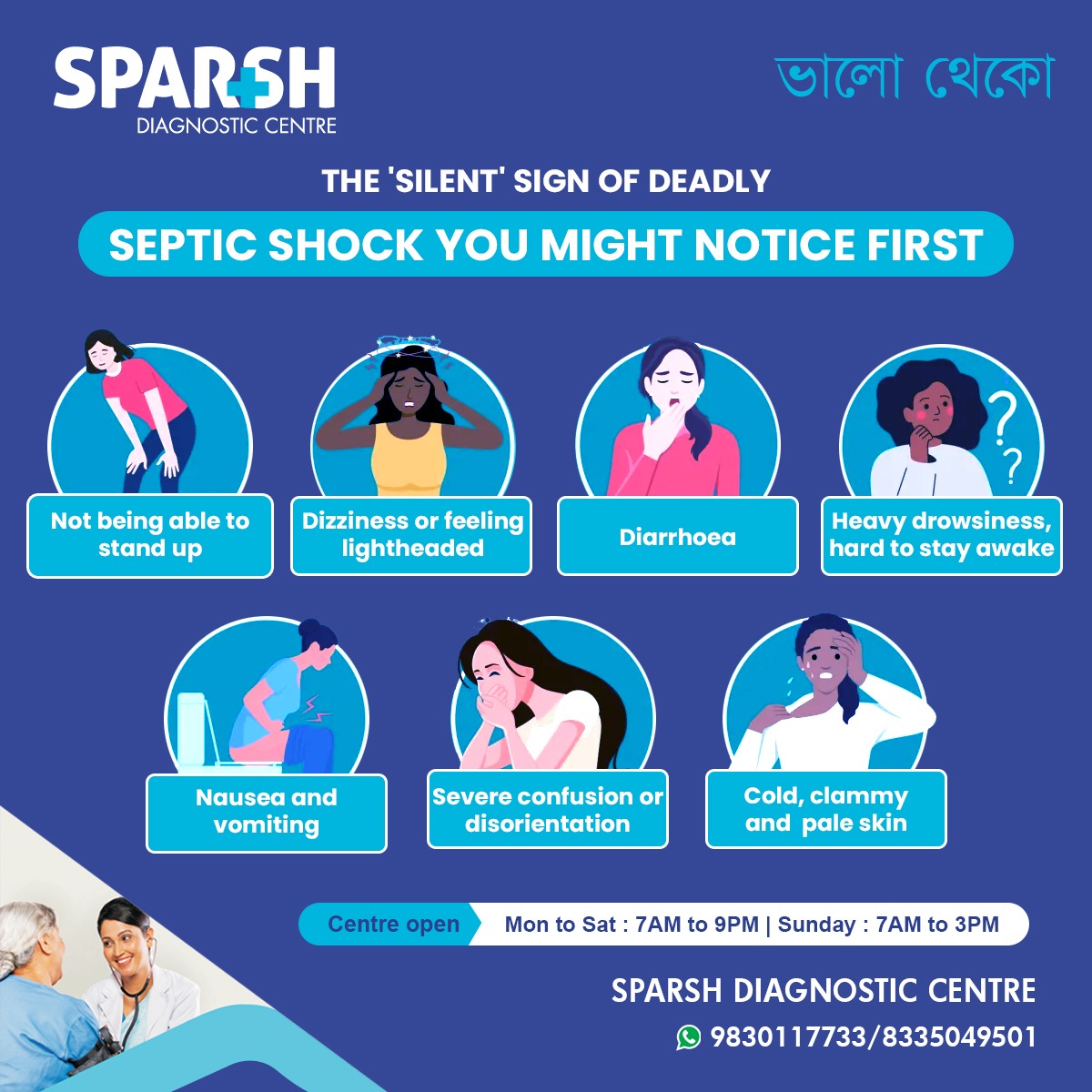
Early Signs of Septic Shock Many People Miss
The earliest warning signs often appear before dramatic collapse occurs.
Unusual weakness
A person may suddenly feel unable to stand or extremely fatigued.
Dizziness or lightheadedness
This often happens because blood pressure begins falling.
Heavy drowsiness
Extreme sleepiness or inability to stay awake can indicate poor brain circulation.
Confusion
A person may speak unclearly, seem disoriented, or fail to answer normally.
Cold, clammy skin
Hands and feet often become cool due to poor circulation.
Nausea, vomiting, or diarrhea
Digestive symptoms are common and often mistaken for stomach infection alone.
Fast heartbeat
The pulse may feel unusually rapid.
Rapid breathing
Breathing often becomes fast even before severe distress begins.
When does Septic Shock become an Emergency
The situation becomes immediately critical when symptoms include:
- Very low blood pressure
- Difficulty breathing
- Severe confusion
- Blue lips or fingertips
- Loss of consciousness
- Very little urine output
At this stage emergency medical treatment is essential.
Who Is Most at Risk?
Certain groups are far more vulnerable to septic shock.
Older adults
Immune response becomes weaker with age.
Infants and young children
Their immune systems are less mature.
People with diabetes
Type 2 Diabetes increases infection risk and delays healing.
Cancer patients
Chemotherapy weakens immune defense.
Kidney disease patients
Chronic kidney illness reduces resistance to infection.
ICU patients
Hospital-acquired infections are common in critically ill individuals.
People with weakened immunity
This includes transplant recipients and people using steroids.
Why does Blood Pressure drop in Septic Shock
A key feature of septic shock is persistent low blood pressure.
This happens because:
- Blood vessels widen abnormally
- Fluids leak from vessels into tissues
- Heart pumping efficiency decreases
- Small clots interfere with circulation
As blood pressure falls, organs stop receiving adequate oxygen.
Organs Commonly Affected by Septic Shock
Kidneys
Urine output falls sharply and kidney injury may occur.
Lungs
Breathing becomes difficult and oxygen levels drop.
Brain
Confusion, agitation, or unconsciousness may develop.
Heart
The heart may struggle to maintain circulation.
Liver
Liver function often declines during severe shock.
Diagnosis of Septic Shock
Doctors diagnose septic shock using symptoms, physical examination, and urgent tests.
Common investigations include:
- Blood pressure monitoring
- Blood tests
- Blood cultures
- Urine testing
- Chest imaging
- Oxygen measurement
- Organ function assessment
Doctors also search aggressively for the infection source.
Blood Tests Used in Septic Shock
Several blood markers help guide treatment.
Lactate level
High lactate suggests poor tissue oxygen delivery.
White blood cell count
Can rise or fall abnormally.
Kidney function tests
Reveal early organ stress.
Liver enzymes
Show liver involvement.
Blood cultures
Help identify bacteria in the bloodstream.
Emergency Treatment for Septic Shock
Treatment begins immediately, often before all test results return.
Intravenous Fluids
Large volumes of fluid help restore circulation.
Antibiotics
Broad-spectrum antibiotics are started urgently.
Piperacillin/tazobactam and other antibiotics are often chosen depending on suspected infection source.
Vasopressor Medicines
If fluids are not enough, drugs raise blood pressure.
Norepinephrine is commonly used in intensive care.
Oxygen Support
Patients may need oxygen masks or ventilators.
Source Control
Doctors remove infected tissue, drain abscesses, or treat infected devices.
Intensive Care Monitoring
Many patients require ICU admission for continuous monitoring.
Why Every Hour Matters
Research consistently shows early treatment greatly improves survival.
The first hour after septic shock recognition is often critical because:
- Delayed antibiotics worsen outcomes
- Organ injury progresses rapidly
- Blood pressure becomes harder to stabilize later
Fast treatment saves lives.
Can Septic Shock Be Prevented?
In many cases, yes.
Treat infections early
Never ignore fever, painful urination, persistent cough, or wound redness.
Complete antibiotics properly
Stopping antibiotics early can worsen infection.
Monitor wounds carefully
Especially after surgery or injury.
Manage chronic illness
Good diabetes and kidney disease control lowers infection risk.
Seek urgent care for sudden confusion
Confusion can be an early danger sign.
Recovery After Septic Shock
Recovery depends on:
- Age
- Organ damage severity
- Speed of treatment
- Underlying disease
Some people recover fully. Others experience lasting weakness for months.
Long-Term Effects of Septic Shock
After survival, some patients face:
- Muscle weakness
- Poor concentration
- Sleep problems
- Reduced stamina
- Kidney impairment
This is sometimes called post-sepsis syndrome.
Septic Shock in Older Adults
In elderly patients, symptoms may appear differently.
Instead of fever, they may show:
- Sudden confusion
- Weakness
- Reduced appetite
- Sleepiness
- Falls
Because symptoms are subtle, diagnosis is often delayed.
Septic Shock in Children
Children may show:
- Rapid breathing
- Pale skin
- Poor feeding
- Reduced alertness
- Cold hands and feet
Any child with infection plus lethargy needs urgent evaluation.
Difference Between Sepsis and Septic Shock
Sepsis means infection plus dangerous body-wide response.
Septic shock means sepsis has progressed to severe circulatory collapse.
This stage carries much higher mortality risk.
Survival Rates and Prognosis
Survival depends heavily on how quickly treatment begins.
Earlier ICU care dramatically improves chances.
Delayed diagnosis remains one of the biggest reasons outcomes worsen.
When to Go to Hospital Immediately
Seek urgent emergency care if infection is present with:
- Sudden dizziness
- Inability to stand
- Severe weakness
- Heavy drowsiness
- Confusion
- Cold clammy skin
- Fast breathing
These signs should never be ignored.
FAQ About Septic Shock
What is the first warning sign of septic shock?
Early warning signs often include dizziness, unusual weakness, confusion, or inability to stay awake.
Can septic shock happen without fever?
Yes. Some patients, especially older adults, may not develop obvious fever.
Is septic shock contagious?
Septic shock itself is not contagious, but the infection causing it may be.
How fast can septic shock develop?
It can worsen within hours, especially when infection spreads rapidly.
Can young healthy people get septic shock?
Yes, although older adults and people with chronic illness are at higher risk.
Does septic shock always require ICU treatment?
Severe cases usually need intensive care because blood pressure and organs must be monitored continuously.
Can septic shock be cured?
Yes, if treated early and aggressively, many patients recover.
What blood pressure is dangerous in septic shock?
Persistently low blood pressure despite fluids is a major danger sign doctors monitor closely.
To consult a Doctor at Sparsh Diagnostic Centre, call our helpline numbers 9830117733/ 8335049501.
#BhaloTheko
Disclaimer:
No content on this site, regardless of date, should ever be used as a substitute for direct medical advice from your doctor or other qualified clinician.