

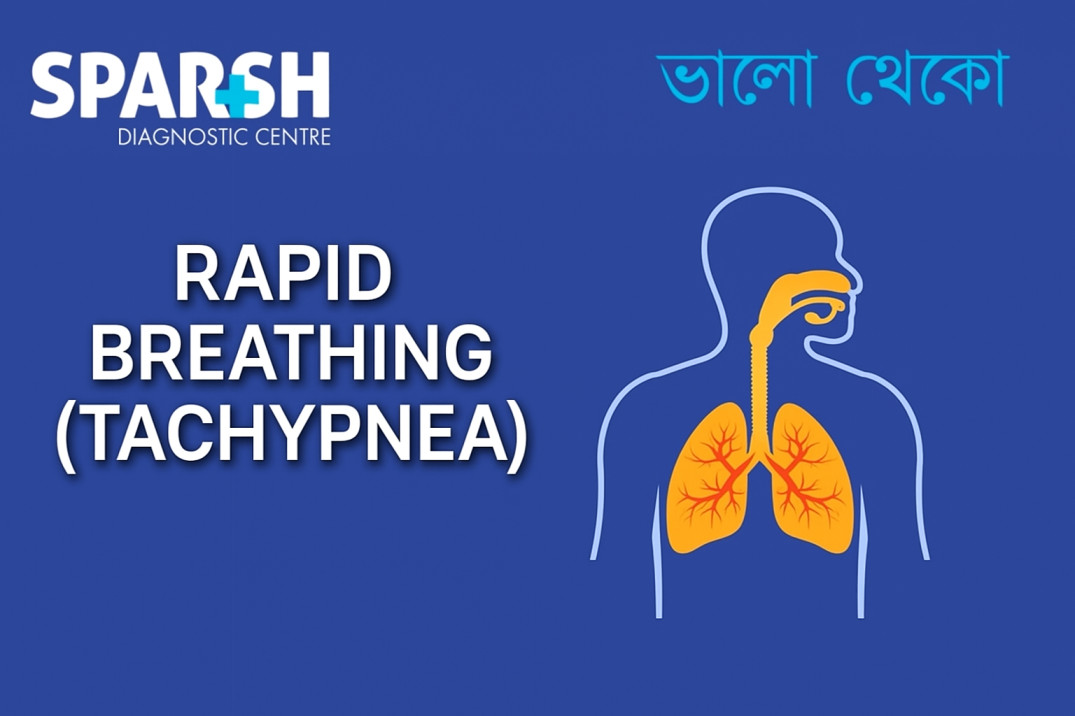
Breathing is one of the most vital processes of the human body. Normally, adults breathe around 12 to 20 times per minute, but sometimes this rate increases significantly — a condition known as tachypnea or rapid breathing.
Tachypnea is not a disease by itself but rather a symptom of an underlying issue such as lung disease, heart failure, infection, or metabolic imbalance. Recognizing rapid breathing early can help prevent severe complications, especially in infants, older adults, or individuals with chronic health conditions.
This article will help you understand what causes tachypnea, how it is diagnosed, and the best ways to manage and treat it.
What Is Tachypnea (Rapid Breathing)?
Tachypnea is defined as an abnormally fast breathing rate while at rest. It differs from hyperventilation, which involves deep and rapid breathing that causes excessive loss of carbon dioxide (CO₂) from the body.
Normal Breathing Rates
Adults: 12–20 breaths per minute
Children (1–5 years): 20–30 breaths per minute
Infants (under 1 year): 30–60 breaths per minute
Any persistent increase above these ranges is considered tachypnea.
Causes of Rapid Breathing
There are numerous reasons why a person may breathe rapidly. These can range from temporary physiological responses (like exercise or stress) to serious medical conditions affecting the lungs, heart, or metabolism.
1. Respiratory Causes
Asthma: Airway inflammation and narrowing make breathing difficult and cause rapid breathing.
Pneumonia: Infection in the lungs reduces oxygen exchange, triggering faster breathing.
Chronic Obstructive Pulmonary Disease (COPD): Damaged airways and alveoli force the lungs to work harder.
Pulmonary Embolism: A blood clot in the lung arteries restricts airflow, leading to tachypnea.
Pleural Effusion or Pneumothorax: Fluid or air accumulation around the lungs can cause shortness of breath and rapid breathing.
2. Cardiac Causes
Heart Failure: When the heart can’t pump blood efficiently, fluid backs up into the lungs, leading to tachypnea.
Cardiac Arrhythmia: Irregular heart rhythms reduce oxygen delivery, prompting faster breathing.
3. Metabolic Causes
Metabolic Acidosis: Conditions like diabetic ketoacidosis or renal failure cause an acid build-up, leading to compensatory rapid breathing (Kussmaul respiration).
Sepsis: A severe infection triggers a systemic inflammatory response that often includes tachypnea.
4. Neurological Causes
Head Injury or Stroke: Damage to the brain’s respiratory center can alter the breathing rate.
Anxiety or Panic Attacks: Emotional stress or panic may cause shortness of breath and hyperventilation.
5. Other Causes
Fever: Elevated body temperature increases metabolic demand, leading to faster breathing.
High Altitude: Lower oxygen levels stimulate the brain to increase the respiratory rate.
Pain: Severe pain can increase the breathing rate as part of the body’s stress response.
Anemia: Low red blood cell levels reduce oxygen-carrying capacity, triggering rapid breathing.
Symptoms of Tachypnea
While the main sign is rapid breathing, several other symptoms may accompany it depending on the cause:
Chest pain or tightness
Cough or wheezing
Sweating
Confusion or restlessness (in severe cases)
In infants, symptoms may include:
Flaring nostrils
Grunting sounds during breathing
Chest retractions (skin pulling in between ribs while breathing)
If rapid breathing is accompanied by chest pain, bluish skin, or confusion, it may signal a medical emergency that requires immediate attention.
Diagnosis of Tachypnea
At Sparsh Diagnostic Centre, a comprehensive diagnostic approach helps identify the root cause of rapid breathing. The process includes the following:
1. Medical History and Physical Examination
A doctor will ask about:
Duration and onset of rapid breathing
Associated symptoms (fever, chest pain, cough, anxiety)
Past medical history (heart, lung, or metabolic diseases)
They may also check oxygen saturation, respiratory rate, and effort.
2. Diagnostic Tests
a. Blood Tests
Arterial Blood Gas (ABG): Measures oxygen (O₂), carbon dioxide (CO₂), and blood pH levels.
Complete Blood Count (CBC): Detects infections or anemia.
Blood sugar and electrolyte tests: Identify diabetic ketoacidosis or metabolic issues.
b. Imaging Tests
Chest X-ray: Helps detect pneumonia, fluid buildup, or lung collapse.
CT Scan: Provides detailed imaging for conditions like pulmonary embolism or interstitial lung disease.
Echocardiogram: Evaluates heart function and detects heart failure.
c. Pulmonary Function Tests (PFTs)
Assess lung capacity and airflow obstruction in diseases like asthma and COPD.
d. Pulse Oximetry
A non-invasive test to measure oxygen saturation levels.
Treatment of Rapid Breathing (Tachypnea)
Treatment depends on the underlying cause. The goal is to restore normal oxygen and carbon dioxide levels while addressing the root issue.
1. Oxygen Therapy
If oxygen levels are low, supplemental oxygen through a mask or nasal cannula may be administered.
2. Medications
Bronchodilators: Used for asthma or COPD to open airways.
Antibiotics: For bacterial infections like pneumonia.
Diuretics: Reduce fluid overload in heart failure.
Steroids: Reduce airway inflammation.
Anxiolytics: Help manage anxiety-induced tachypnea.
3. Ventilatory Support
In severe cases, mechanical ventilation or non-invasive positive pressure ventilation (CPAP/BiPAP) may be required.
4. Treating Underlying Conditions
Diabetic ketoacidosis: Insulin and fluid therapy.
Sepsis: Intravenous fluids and antibiotics.
Anemia: Iron supplements or blood transfusion.
Pain: Analgesics to reduce discomfort-induced tachypnea.
5. Lifestyle and Supportive Care
Practice breathing exercises (like diaphragmatic breathing).
Stay hydrated and follow prescribed treatments for chronic conditions.
Tachypnea in Different Age Groups
1. In Infants
Tachypnea is common in newborns, especially premature babies, due to underdeveloped lungs.
Conditions like Transient Tachypnea of the Newborn (TTN) usually resolve within 48–72 hours.
2. In Children
Often linked to infections such as pneumonia or bronchiolitis. Monitoring and early medical care are essential.
3. In Adults
Can result from respiratory illnesses, heart conditions, or anxiety disorders. Persistent symptoms should be medically evaluated.
4. In Older Adults
Chronic lung disease, heart failure, or infections can cause tachypnea. Early diagnosis helps prevent respiratory failure.
Possible Complications
If left untreated, rapid breathing can lead to:
Organ dysfunction due to inadequate oxygen supply
Worsening of underlying diseases like heart failure or COPD
Prompt diagnosis and treatment can significantly improve outcomes.
When to Seek Medical Help
You should seek medical attention immediately if you experience:
Rapid breathing at rest lasting more than a few minutes
Chest pain or pressure
Blue lips or fingernails
Dizziness or fainting
Severe shortness of breath
Early intervention can be lifesaving, especially if tachypnea is caused by serious conditions like pneumonia, pulmonary embolism, or sepsis.
Prevention Tips
While not all cases are preventable, you can reduce your risk by:
Managing chronic conditions like asthma, diabetes, and heart disease
Getting regular health checkups and lung function tests
Avoiding smoking and exposure to pollutants
Staying hydrated and maintaining a balanced diet
Practicing relaxation techniques to manage anxiety
Diagnosis and Care at Sparsh Diagnostic Centre
At Sparsh Diagnostic Centre, we provide advanced respiratory diagnostics and comprehensive care for patients experiencing tachypnea.
Our services include:
State of the art imaging modalities
Pulmonary Function Tests (PFT)
ECG and Echocardiography
Laboratory Tests
Our multidisciplinary team ensures accurate diagnosis, effective treatment, and continuous monitoring to restore healthy breathing.
👉 To consult our specialists, visit Sparsh Diagnostic Centre or call 9830117733 for assistance.
Frequently Asked Questions (FAQs)
1. What is the difference between tachypnea and hyperventilation?
Tachypnea is an increased breathing rate without necessarily deep breaths, while hyperventilation involves both rapid and deep breathing that reduces CO₂ levels in the blood.
2. Can anxiety cause rapid breathing?
Yes. Anxiety and panic attacks can lead to short, shallow, and rapid breathing due to overactivation of the body’s stress response.
3. Is tachypnea always serious?
Not always. It can be a temporary response to exercise, fever, or stress. However, persistent tachypnea requires medical evaluation to rule out underlying conditions.
4. How is tachypnea diagnosed?
Doctors diagnose tachypnea through physical examination, oxygen monitoring, blood tests, and imaging such as chest X-rays or CT scans.
5. Can tachypnea occur during sleep?
Yes, especially in sleep disorders like sleep apnea, where breathing becomes shallow or rapid during sleep.
6. What should I do if I or someone else suddenly starts breathing rapidly?
Stay calm, sit upright, and try to take slow, deep breaths. If symptoms persist or are accompanied by chest pain, bluish skin, or confusion, seek emergency medical help immediately.
7. How can tachypnea be prevented?
Maintaining overall respiratory health, managing chronic diseases, avoiding smoking, and getting regular checkups can help prevent tachypnea.
Rapid breathing (tachypnea) is a warning signal that your body isn’t getting enough oxygen or is working harder than usual to meet oxygen demand. It can result from various conditions — from infections and metabolic imbalances to heart or lung diseases.
Timely diagnosis and treatment are crucial to prevent complications. If you notice persistent rapid breathing or associated symptoms, don’t ignore them. Visit Sparsh Diagnostic Centre for expert evaluation and comprehensive care.
#BhaloTheko
Disclaimer:
No content on this site, regardless of date, should ever be used as a substitute for direct medical advice from your doctor or other qualified clinician.



[…] Tachypnea (rapid breathing) […]
[…] Rapid breathing […]
[…] Rapid breathing […]
[…] Rapid breathing […]
[…] Rapid breathing […]
[…] Rapid breathing […]
[…] Rapid breathing […]
[…] HyperventilationRapid breathing or feeling like you can’t catch your breath often leads to dizziness and lightheadedness. […]
[…] Rapid breathing […]
[…] Rapid breathing and heart rate […]
[…] of Breath: Difficulty breathing or rapid breathing can indicate severe respiratory distress due to inflammation in the lungs or fluid […]
[…] Rapid breathing […]
[…] Rapid breathing […]
[…] Nervous System Imbalance:Stress stimulates the sympathetic nervous system, which promotes rapid breathing and suppresses the parasympathetic “rest and digest” mode. This imbalance reduces oxygen […]
[…] Tachypnea (rapid breathing) […]
[…] Rapid breathing (tachypnea) […]