

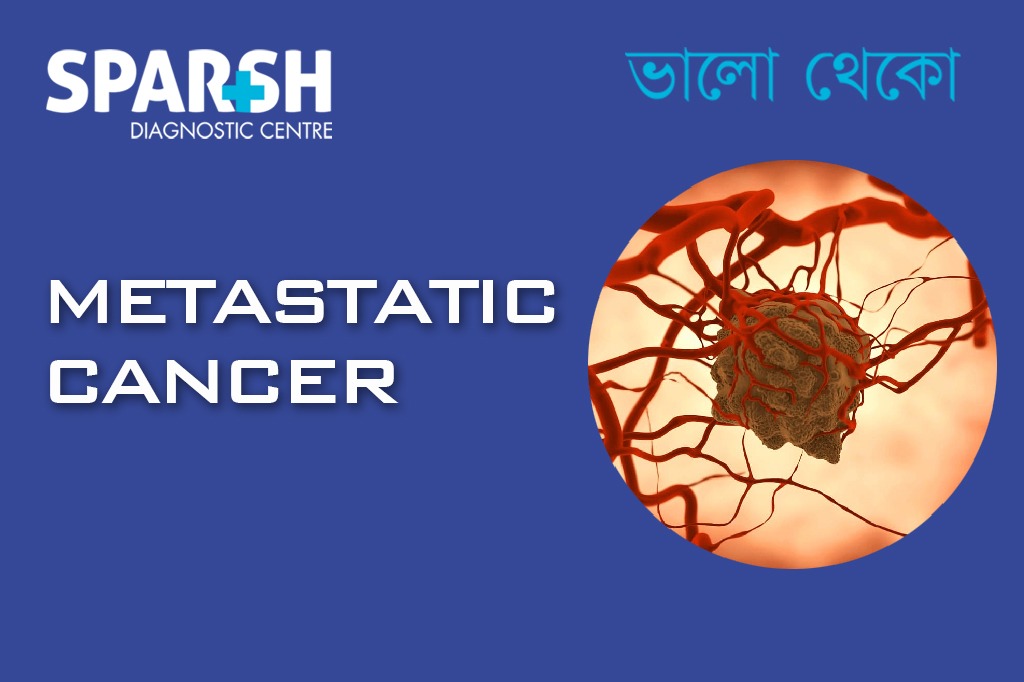
Cancer becomes more complex when it spreads beyond its original location. This stage is known as metastatic cancer, a condition that often raises difficult questions for patients and families because it changes how the disease behaves, how it is treated, and what outcomes may look like. While hearing the word “metastatic” can feel overwhelming, understanding what it means can make medical decisions clearer and less frightening.
Metastatic cancer does not mean a new cancer has formed independently. Instead, it means cancer cells from the original tumor have traveled to another part of the body and started growing there. For example, if breast cancer spreads to the liver, it is still called metastatic breast cancer, not liver cancer. The cells remain breast cancer cells even though they are now located in the liver.
Modern medicine has improved significantly in diagnosing and treating metastatic disease. Many people now live longer with metastatic cancer because of targeted therapies, immunotherapy, advanced imaging, and personalized treatment plans. In some cases, metastatic cancer can be controlled for years.
This article explains metastatic cancer in simple language—how it spreads, common symptoms, causes, diagnosis, treatment options, and what patients should know about living with the condition.
What Is Metastatic Cancer?
Metastatic cancer refers to cancer that has spread from its original site to another organ or tissue in the body. This spread happens when cancer cells break away from the primary tumor, move through the bloodstream or lymphatic system, and settle elsewhere.
The original tumor is called the primary cancer, while the new tumor is called a metastatic tumor or secondary cancer.
For example:
- Lung cancer that spreads to bones is metastatic lung cancer
- Colon cancer that spreads to the liver is metastatic colon cancer
- Kidney cancer that spreads to the lungs is metastatic kidney cancer
Even though the location changes, treatment is based on the original cancer type.
How Does Cancer Spread?
Cancer spreads through a process called metastasis, which usually follows several steps:
- Cancer cells invade nearby tissue
- They enter blood vessels or lymph vessels
- They travel through circulation
- They exit into another organ
- They begin forming a new tumor
Not all cancer cells that travel survive this process. Many die before they can form a secondary tumor, but some manage to adapt and grow in new environments.
Common Organs Affected by Metastatic Cancer
Certain cancers tend to spread to specific organs.
Bones
Bone metastasis is common in breast, prostate, thyroid, and lung cancers.
Liver
The liver often receives metastatic cells from colon, pancreatic, stomach, and breast cancers.
Lungs
Many cancers spread to the lungs because blood from much of the body passes through them.
Brain
Brain metastases are common in lung cancer, melanoma, breast cancer, and kidney cancer.
Lymph Nodes
Cancer often first spreads to nearby lymph nodes before reaching distant organs.
Which Cancers Are Most Likely to Become Metastatic?
Although almost any cancer can spread, some cancers are more likely to metastasize.
Breast Cancer
Breast cancer often spreads to bones, liver, lungs, and brain.
Lung Cancer
Lung cancer commonly spreads early, especially to brain, bones, and adrenal glands.
Prostate Cancer
This cancer frequently spreads to bones.
Colon Cancer
Colon cancer often spreads to the liver.
Pancreatic Cancer
Pancreatic cancer is aggressive and can spread quickly.
Kidney Cancer
Kidney cancer may spread to lungs and bones.
Thyroid Cancer
Some forms of thyroid cancer spread slowly, while others are more aggressive.

Symptoms of Metastatic Cancer
Symptoms depend on where the cancer has spread.
General Symptoms
- Unexplained weight loss
- Extreme fatigue
- Loss of appetite
- Persistent weakness
- Fever
If Cancer Spreads to Bones
- Bone pain
- Fractures
- High calcium levels
If Cancer Spreads to Lungs
- Shortness of breath
- Persistent cough
- Chest discomfort
If Cancer Spreads to Liver
If Cancer Spreads to Brain
Sometimes metastatic cancer causes symptoms before the primary tumor is discovered.
Why does Cancer Metastasize?
Metastasis happens because cancer cells lose normal growth control and gain the ability to invade other tissues.
Several factors increase spread risk:
- Aggressive tumor biology
- Delayed diagnosis
- Large tumor size
- Lymph node involvement
- Certain genetic mutations
Some cancers spread early even when the original tumor is small.
Stages of Cancer and Metastasis
Cancer staging helps determine how far disease has spread.
Stage 0 to Stage 3
These stages usually describe localized or regionally advanced cancer.
Stage 4 Cancer
Stage 4 generally means metastatic cancer.
Stage 4 does not always mean immediate poor outcome. Some stage 4 cancers respond very well to treatment.
How is Metastatic Cancer diagnosed
Doctors use several tools to confirm metastasis.
Imaging Tests
- CT scan
- MRI
- PET scan
- Bone scan
- Ultrasound
Biopsy
A tissue sample confirms whether the new tumor matches the original cancer.
Blood Tests
Blood markers may suggest spread or organ involvement.
Molecular Testing
Modern oncology often studies tumor genetics to guide targeted treatment.
Difference Between Recurrence and Metastatic Cancer
Cancer recurrence means cancer returns after treatment.
There are three types:
- Local recurrence: same location
- Regional recurrence: nearby lymph nodes
- Distant recurrence: spread to another organ
Distant recurrence is essentially metastatic cancer.
Treatment for Metastatic Cancer
Treatment depends on:
- Original cancer type
- Organs involved
- Number of metastatic sites
- Patient health
- Tumor genetics
Systemic Treatments
These treatments affect the whole body.
Chemotherapy
Chemotherapy kills rapidly dividing cells and remains widely used.
Targeted Therapy
These drugs attack specific cancer mutations.
Examples include therapies targeting HER2, EGFR, ALK, and others.
Immunotherapy
Immunotherapy helps the immune system attack cancer.
This has transformed treatment for several metastatic cancers.
Hormone Therapy
Used in hormone-sensitive cancers such as breast and prostate cancer.
Local Treatments
Sometimes doctors treat metastatic areas directly.
Radiation Therapy
Helps shrink tumors and reduce pain.
Surgery
Surgery may remove isolated metastases in selected cases.
Ablation Techniques
Heat or freezing can destroy small metastatic tumors.
Can Metastatic Cancer Be Cured?
This depends on the cancer type.
Some metastatic cancers are potentially curable, especially when spread is limited.
Examples include:
- Certain testicular cancers
- Some lymphomas
- Selected colorectal liver metastases
More often, treatment aims to control disease, reduce symptoms, and prolong life.
Living with Metastatic Cancer
Many people now live for years with metastatic cancer.
Treatment may continue in cycles, with regular scans to monitor progress.
Quality of life becomes an important focus.
Supportive care includes:
- Pain management
- Nutrition support
- Emotional counseling
- Physical rehabilitation
Emotional Impact of Diagnosis
A metastatic diagnosis often creates fear, uncertainty, and emotional stress.
Patients may experience:
- Anxiety
- Depression
- Sleep problems
- Fear of progression
Psychological support is often as important as medical treatment.
Advances in Metastatic Cancer Care
Cancer care has changed dramatically in recent years.
Important advances include:
- Precision medicine
- Liquid biopsy
- Immunotherapy combinations
- Genetic sequencing
- Better supportive care
Many cancers once considered rapidly fatal are now treated as chronic illnesses for extended periods.
Importance of Early Detection
Early cancer diagnosis remains the strongest defense against metastasis.
Routine screening helps detect cancer before spread.
Examples include:
- Mammography
- Colonoscopy
- Pap smear
- Low-dose lung CT in high-risk individuals
Preventing Metastatic Progression
While not all metastasis can be prevented, early treatment helps reduce risk.
Important measures:
- Follow treatment schedules carefully
- Attend regular follow-up scans
- Report new symptoms early
- Maintain overall health
Nutrition During Metastatic Cancer Treatment
Diet supports treatment tolerance.
Helpful nutrition habits:
- Small frequent meals
- Protein-rich foods
- Hydration
- Easily digestible foods during chemotherapy
A dietitian can help when appetite is poor.
Pain in Metastatic Cancer
Pain is common, especially when cancer spreads to bones.
Modern pain management includes:
- Oral medicines
- Nerve blocks
- Radiation
- Palliative procedures
Pain should never be ignored because good relief is often possible.
Prognosis of Metastatic Cancer
Prognosis varies greatly.
It depends on:
- Cancer type
- Spread extent
- Treatment response
- Patient age and strength
- Molecular features
Some metastatic cancers remain stable for many years.
Follow-Up Monitoring
Doctors usually monitor metastatic cancer through:
- Repeat imaging
- Tumor marker blood tests
- Clinical symptoms
- Organ function testing
Treatment plans may change over time based on results.
FAQ About Metastatic Cancer
What does metastatic cancer mean exactly?
It means cancer has spread from its original location to another organ or tissue in the body.
Is metastatic cancer always stage 4?
In most solid tumors, yes. Metastatic disease is generally classified as stage 4.
Can metastatic cancer go into remission?
Yes. Some patients experience partial or complete remission after treatment.
Is metastatic cancer painful?
It can be, especially when bones or nerves are involved, but pain can often be controlled effectively.
Can metastatic cancer be cured?
Some cases can be cured, but many are managed long term rather than permanently eliminated.
How fast does metastatic cancer spread?
Spread speed varies greatly depending on cancer type and biology.
Which cancer spreads the fastest?
Aggressive cancers such as pancreatic cancer, small cell lung cancer, and some melanomas may spread quickly.
Can metastatic cancer be detected in blood tests?
Blood tests may suggest spread, but imaging and biopsy usually confirm diagnosis.
Is surgery possible in metastatic cancer?
Yes, in selected cases where spread is limited.
Does metastatic cancer always shorten life expectancy?
Not always dramatically. Many modern treatments now extend survival significantly.
#BhaloTheko
Disclaimer:
No content on this site, regardless of date, should ever be used as a substitute for direct medical advice from your doctor or other qualified clinician.





I sincerely appreciate Sparsh Diagnostics for taking the initiative to publish essential information on Metastatic cancer. By making such critical knowledge accessible, they are helping raise awareness, support early understanding, and empower patients and caregivers alike. Efforts like these play a vital role in promoting informed healthcare decisions and fostering a more aware and proactive community