Radiation therapy is one of the most commonly used treatments for cancer. For many patients, it plays a crucial role in controlling tumors, relieving symptoms, and improving survival rates. While the word “radiation” can sound intimidating, modern radiation therapy is highly advanced, precise, and designed to target cancer cells while protecting healthy tissues as much as possible.
In this guide, we’ll walk through everything you need to know about radiation therapy—how it works, when it’s used, its benefits, possible side effects, and what patients can expect during treatment.
What Is Radiation Therapy?
Radiation therapy is a medical treatment that uses high-energy radiation beams to destroy cancer cells. These beams damage the DNA inside cancer cells, preventing them from growing, dividing, and spreading.
Healthy cells can also be affected, but they typically recover much faster than cancer cells. Because of this difference, radiation therapy can effectively shrink tumors and eliminate cancer while minimizing long-term harm to normal tissues.
Radiation therapy is commonly used to treat many types of cancer, including:
Head and neck cancers
Doctors may use radiation therapy alone or combine it with other treatments like surgery, chemotherapy, or immunotherapy.
How Radiation Therapy Works
Cancer cells grow and divide faster than normal cells. Radiation therapy targets this rapid growth.
High-energy rays—similar to X-rays—are directed at a tumor. These rays damage the cancer cells’ DNA, which stops them from multiplying. Over time, the damaged cells die, and the body naturally removes them.
The effects of radiation therapy are not always immediate. Tumors often shrink gradually over days or weeks after treatment.
Modern radiation therapy uses advanced imaging and computer-guided systems to deliver precise doses to the tumor while limiting exposure to surrounding tissues.
Types of Radiation Therapy
There are several types of radiation therapy, and the type used depends on the cancer type, location, and stage.
1. External Beam Radiation Therapy (EBRT)
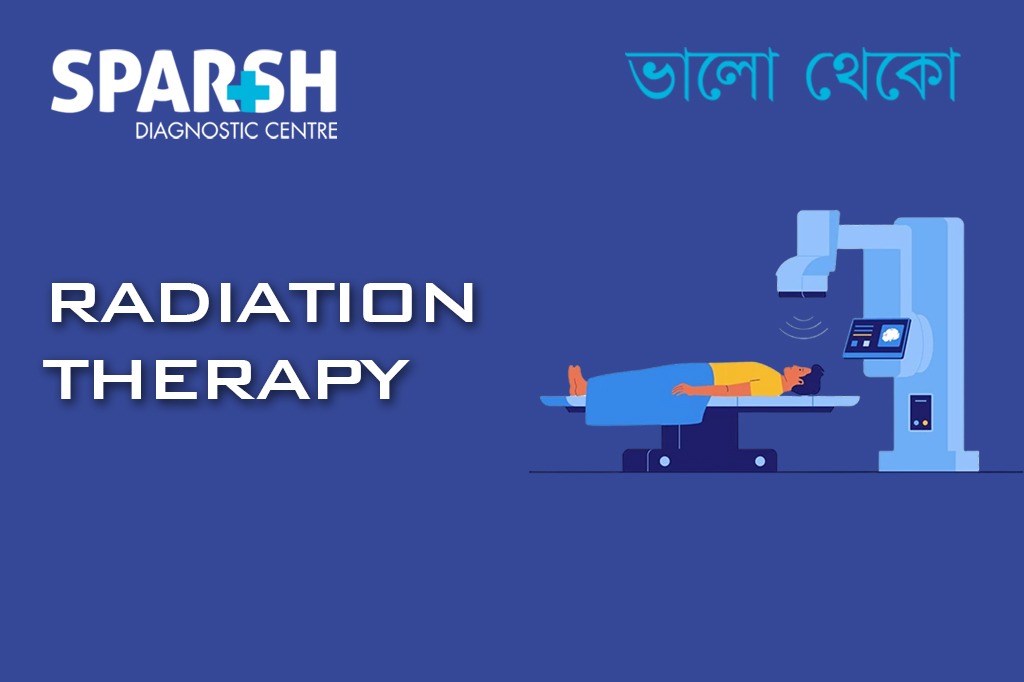
This is the most common type of radiation therapy. A machine outside the body directs radiation beams at the cancer.
Patients lie on a treatment table while the machine moves around them to deliver radiation from different angles. The procedure is painless and typically lasts only a few minutes.
2. Internal Radiation Therapy (Brachytherapy)
In this method, radioactive material is placed inside or very close to the tumor.
Doctors may insert radioactive seeds, wires, or capsules directly into the cancerous tissue. This allows high doses of radiation to target the tumor with minimal impact on surrounding areas.
Brachytherapy is commonly used for:
Prostate cancer
Cervical cancer
Breast cancer
3. Systemic Radiation Therapy
This type involves radioactive substances that travel through the bloodstream to reach cancer cells.
These substances may be taken orally or injected into the body. They are often used to treat certain thyroid cancers or cancers that have spread.
When Is Radiation Therapy Used?
Radiation therapy can serve several purposes in cancer treatment.
Curative Treatment
In many cases, radiation therapy is used to completely eliminate cancer. It may be the main treatment or combined with surgery or chemotherapy.
Adjuvant Therapy
After surgery, radiation therapy may be used to destroy any remaining cancer cells and reduce the risk of recurrence.
Neoadjuvant Therapy
Radiation may be given before surgery to shrink a tumor and make it easier to remove.
Palliative Treatment
For advanced cancers, radiation therapy can help relieve symptoms such as pain, bleeding, or pressure caused by tumors.
What Happens During Radiation Therapy?
Understanding the treatment process can help reduce anxiety for patients and families.
1. Consultation and Planning
Before treatment begins, the radiation oncologist evaluates the patient and develops a personalized treatment plan.
Imaging tests such as CT scans or MRI scans are used to identify the exact location of the tumor.
2. Simulation Session
During simulation, doctors determine the precise position the patient should maintain during treatment. Small marks may be placed on the skin to guide radiation delivery.
3. Treatment Sessions
Radiation therapy is usually delivered over several sessions called fractions.
Most patients receive treatment five days a week for several weeks. Each session typically lasts between 10 and 30 minutes.
The procedure is painless, and patients can usually go home immediately afterward.
Benefits of Radiation Therapy
Radiation therapy offers several important benefits for cancer patients.
Highly Targeted Treatment
Modern technology allows doctors to deliver radiation precisely to the tumor while minimizing damage to healthy tissues.
Non-Invasive Procedure
Unlike surgery, radiation therapy does not require incisions or anesthesia.
Effective Tumor Control
Radiation therapy can shrink tumors, slow cancer growth, and sometimes completely eliminate cancer.
Symptom Relief
For patients with advanced cancer, radiation therapy can reduce pain and improve quality of life.
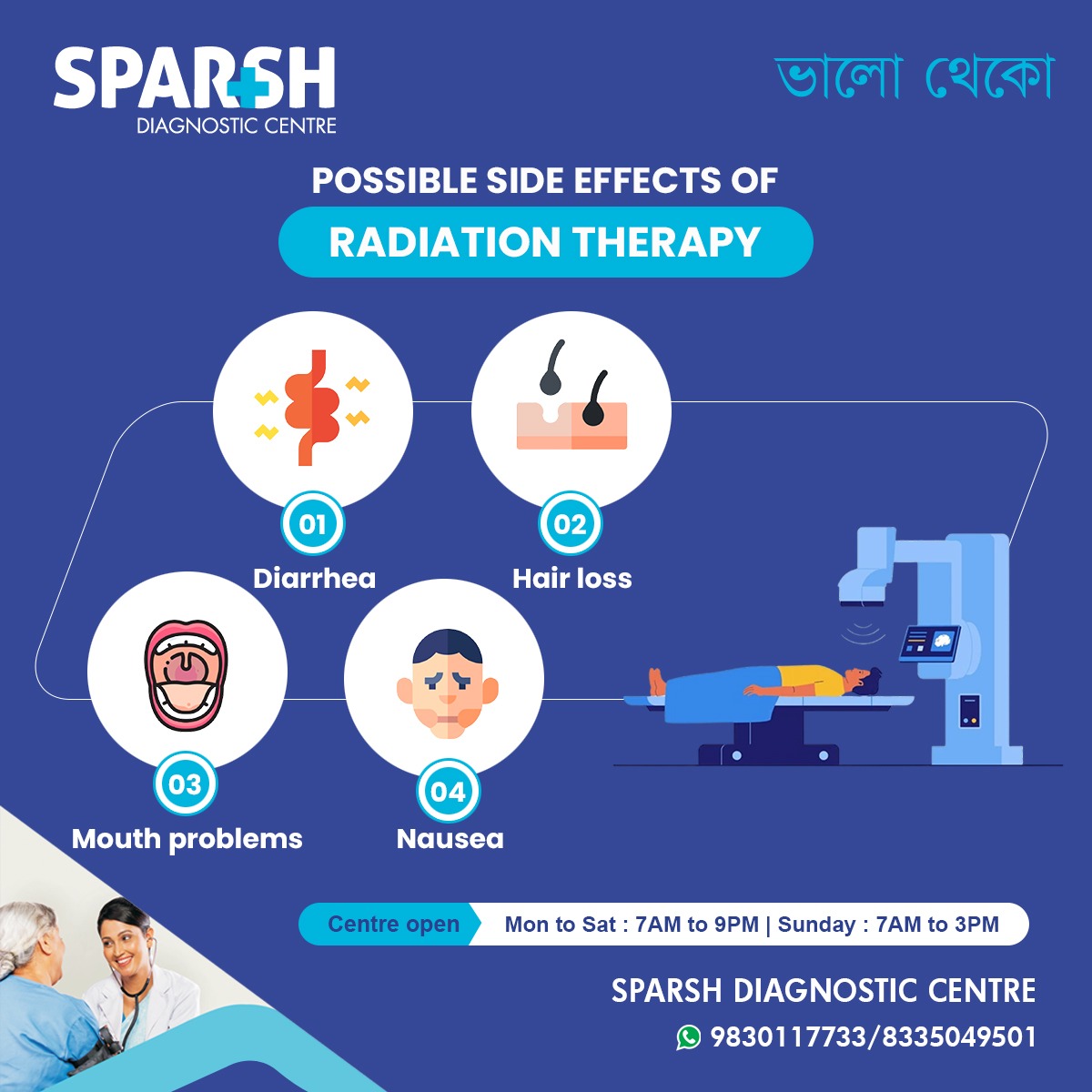
Possible Side Effects of Radiation Therapy
Like most cancer treatments, radiation therapy may cause side effects. These depend on the treatment area, radiation dose, and the patient’s overall health.
Not everyone experiences side effects, and many are temporary.
1. Fatigue
Fatigue is one of the most common side effects. Patients may feel tired during and after treatment.
Rest, proper nutrition, and gentle exercise can help manage fatigue.
2. Skin Changes
Skin in the treated area may become:
Red
Dry
Itchy
Sensitive
These changes are similar to mild sunburn and usually improve after treatment ends.
3. Hair Loss
Hair loss can occur in the area receiving radiation. For example, radiation to the head may cause scalp hair loss.
Hair often grows back after treatment, although it may be thinner.
4. Nausea
Radiation therapy near the abdomen or digestive organs may cause nausea or vomiting. Doctors may prescribe medications to help manage these symptoms.
5. Mouth and Throat Problems
Radiation therapy for head and neck cancers can lead to:
These side effects are usually temporary but may require supportive care.
6. Digestive Issues
Radiation near the pelvis or abdomen may cause:
Stomach discomfort
Changes in appetite
Dietary adjustments often help reduce these symptoms.
Managing Radiation Therapy Side Effects
Fortunately, many radiation therapy side effects can be managed effectively.
Maintain Good Nutrition
Eating balanced meals helps the body repair healthy cells damaged during treatment.
Patients may benefit from high-protein foods, fruits, vegetables, and adequate hydration.
Protect the Skin
Patients should:
Avoid harsh soaps
Wear loose clothing
Protect treated skin from sunlight
Doctors may recommend special creams to soothe irritated skin.
Stay Active
Light exercise such as walking can help reduce fatigue and improve overall well-being.
Communicate With the Healthcare Team
Patients should always inform their doctor about any new or worsening symptoms. Early intervention can prevent complications.
Is Radiation Therapy Safe?
Radiation therapy has been used safely for decades and continues to improve with modern technology.
New techniques such as intensity-modulated radiation therapy (IMRT) and image-guided radiation therapy (IGRT) allow doctors to target tumors with remarkable accuracy.
These innovations reduce side effects and improve treatment outcomes.
Radiation therapy teams follow strict safety protocols to ensure that patients receive the correct dose with minimal risk.
Life After Radiation Therapy
Recovery after radiation therapy varies depending on the type of cancer and treatment plan.
Some side effects disappear within weeks, while others may take longer to resolve.
Patients usually attend follow-up appointments where doctors monitor recovery and check for any signs of cancer recurrence.
Healthy lifestyle choices—such as eating well, exercising regularly, and avoiding tobacco—can support long-term recovery.
When to Contact Your Doctor
Patients undergoing radiation therapy should contact their healthcare provider if they experience:
Severe pain
Persistent vomiting
High fever
Difficulty breathing
Severe skin reactions
Prompt medical attention can prevent complications and ensure safe treatment.
Frequently Asked Questions (FAQs)
1. How long does radiation therapy take?
Most radiation therapy sessions last about 10 to 30 minutes. However, treatment may continue for several weeks depending on the cancer type and treatment plan.
2. Is radiation therapy painful?
No, radiation therapy itself is painless. Patients may experience side effects over time, but the treatment process does not cause pain during the session.
3. Will radiation therapy make me radioactive?
Patients receiving external beam radiation therapy do not become radioactive and can safely interact with family members and others.
However, patients receiving certain types of internal radiation therapy may need temporary precautions.
4. Can radiation therapy cure cancer?
In many cases, radiation therapy can cure cancer, especially when the disease is detected early. It is often used alongside surgery or chemotherapy for better outcomes.
5. What should I eat during radiation therapy?
A balanced diet rich in protein, fruits, vegetables, and whole grains is recommended. Patients should also stay well-hydrated and consult a dietitian if needed.
6. Can I work during radiation therapy?
Many patients continue working during treatment, although fatigue may require adjustments to daily routines.
7. Does hair loss from radiation grow back?
Hair loss caused by radiation therapy is usually temporary, though hair may grow back thinner or with a different texture.
Radiation therapy remains one of the most powerful tools in the fight against cancer. Thanks to advanced technology and improved treatment planning, modern radiation therapy is safer and more precise than ever before.
While side effects can occur, most are manageable and temporary. With the right medical care, lifestyle adjustments, and emotional support, patients can successfully navigate treatment and focus on recovery.
If you or a loved one is considering radiation therapy, speaking with a qualified healthcare professional can help you understand the benefits, risks, and expectations of this important cancer treatment.
#BhaloTheko
Disclaimer:
No content on this site, regardless of date, should ever be used as a substitute for direct medical advice from your doctor or other qualified clinician.