Psyllium husk is one of the most trusted natural sources of dietary fiber and has been used for centuries to support digestive health. Whether you’re dealing with constipation, trying to lower cholesterol, improve blood sugar control, or simply increase your daily fiber intake, psyllium husk can be a valuable addition to your diet.
In India, psyllium husk is commonly known as Isabgol and is found in many households as a natural remedy for digestive problems. Modern research has also shown that this humble fiber offers benefits beyond bowel regularity, including supporting heart health, weight management, and maintaining a healthy gut microbiome.
In this comprehensive guide, we’ll explore what psyllium husk is, its health benefits, how to use it safely, possible side effects, and answer the most commonly asked questions.
What Is Psyllium Husk?
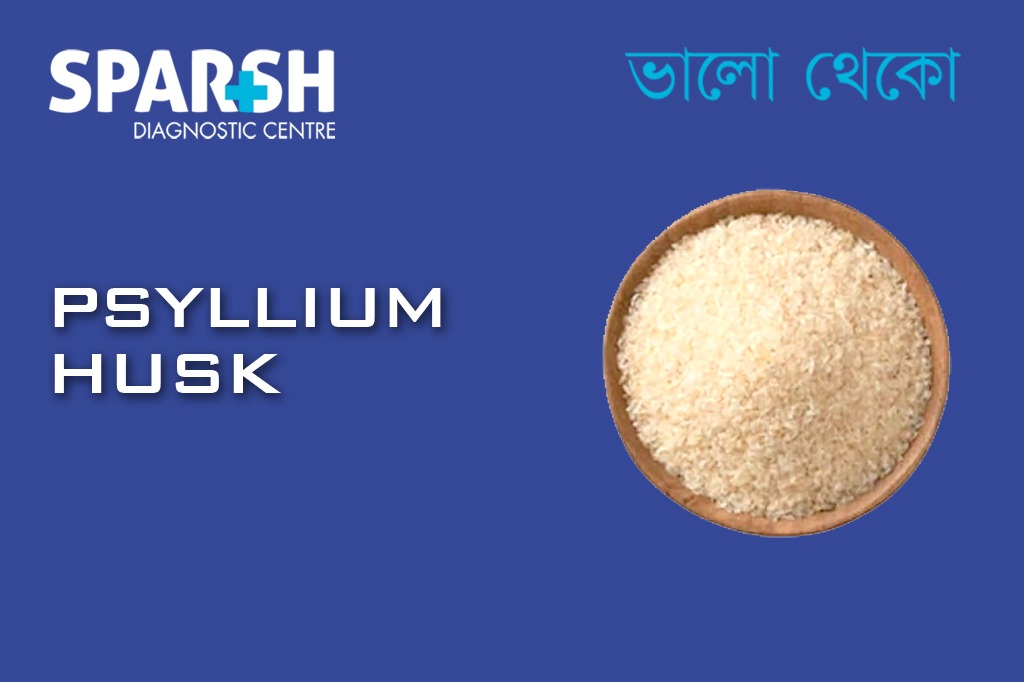
Psyllium husk is the outer coating of the seeds of the Plantago ovata plant, which is primarily cultivated in India. The husk is exceptionally rich in soluble fiber, meaning it absorbs water and forms a gel-like substance in the digestive tract.
Unlike stimulant laxatives, psyllium works naturally by increasing stool bulk and softness, making bowel movements easier and more regular.
Today, psyllium husk is available as:
- Powder
- Whole husk
- Capsules
- Fiber supplements
- Added ingredient in cereals and baked products
Nutritional Profile of Psyllium Husk
Although psyllium contains very few calories, it is packed with soluble fiber.
Per tablespoon (approximately 5 grams), psyllium husk provides:
- Calories: 18-20
- Dietary Fiber: 4-5 grams
- Fat: 0 grams
- Protein: Less than 1 gram
- Carbohydrates: Minimal digestible carbohydrates
Because most of its carbohydrates are fiber, it has very little impact on blood sugar levels.
What Is Taking Psyllium Husk Good For?
Psyllium husk offers numerous scientifically proven health benefits.
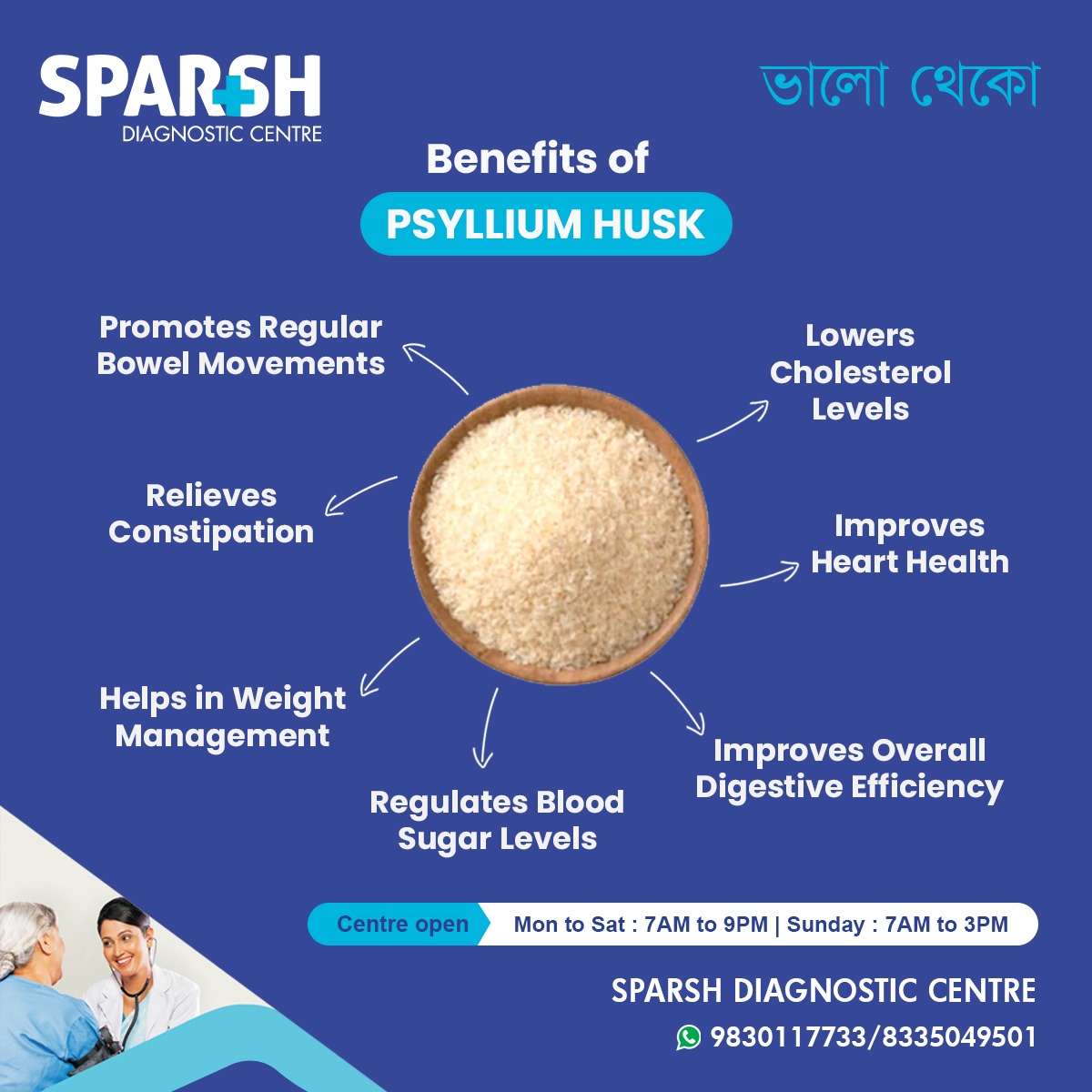
1. Relieves Constipation
This is its most well-known benefit.
The soluble fiber absorbs water, making stools softer and easier to pass while increasing stool bulk.
It is often recommended for people experiencing:
- Chronic constipation
- Occasional constipation
- Pregnancy-related constipation (after consulting a healthcare provider)
- Elderly individuals with slow bowel movements
2. Promotes Regular Bowel Movements
Regular bowel movements are essential for digestive health.
Psyllium helps normalize bowel habits by improving stool consistency and encouraging healthy intestinal movement.
3. Supports Heart Health
Research has shown that regular psyllium intake may help lower LDL (“bad”) cholesterol.
The fiber binds to bile acids, prompting the liver to use cholesterol to produce more bile.
This may contribute to:
- Lower LDL cholesterol
- Improved cardiovascular health
- Reduced heart disease risk
4. Helps Regulate Blood Sugar
Psyllium slows the absorption of glucose after meals.
People with diabetes or prediabetes may experience:
- Better blood sugar control
- Reduced post-meal glucose spikes
- Improved insulin sensitivity
However, individuals taking diabetes medications should consult their healthcare provider before regular use.
5. Supports Weight Management
Fiber increases feelings of fullness.
Because psyllium expands in the stomach, it may:
- Reduce hunger
- Prevent overeating
- Improve portion control
- Support healthy weight loss efforts
It is not a miracle weight-loss product but works well alongside a balanced diet and exercise.
6. Improves Digestive Health
Psyllium promotes healthy digestion by:
- Softening stools
- Supporting healthy intestinal bacteria
- Reducing digestive discomfort
- Improving stool consistency
7. May Help with Diarrhea
Interestingly, psyllium doesn’t only help constipation.
Its gel-forming nature also absorbs excess water, helping firm loose stools.
Because of this dual action, it can help normalize bowel movements in both constipation and mild diarrhea.
What Is the Indian Name for Psyllium Husk?
In India, psyllium husk is widely known as Isabgol or Ispaghula.
It is commonly available in grocery stores, pharmacies, and supermarkets under various brands.
Isabgol has long been used in traditional Indian households as a natural digestive remedy.
How Does Psyllium Husk Work?
When mixed with water, psyllium absorbs several times its weight in liquid.
Inside the digestive tract, it forms a thick gel that:
- Adds bulk to stool
- Softens stool
- Slows digestion
- Reduces cholesterol absorption
- Slows sugar absorption
- Supports beneficial gut bacteria
Is Psyllium a Prebiotic or Probiotic?
Psyllium is considered a prebiotic, not a probiotic.
Prebiotics
Prebiotics are fibers that feed beneficial bacteria already living in your gut.
Probiotics
Probiotics are live microorganisms found in foods like yogurt, kefir, and fermented vegetables.
Psyllium helps nourish healthy gut bacteria, allowing them to produce beneficial compounds such as short-chain fatty acids that support colon health.
Does Psyllium Husk Destroy Gut Bacteria?
No.
In fact, the opposite is true.
Research suggests psyllium supports a healthier gut microbiome by acting as a food source for beneficial bacteria.
Regular use may help increase microbial diversity and improve overall digestive health.
Is It Safe to Take Psyllium Husk Every Day?
Yes.
For most healthy adults, daily psyllium husk consumption is considered safe when:
- Taken with plenty of water
- Used within recommended doses
- Introduced gradually
Many people use psyllium daily for months or even years to maintain bowel regularity.
What Happens If You Eat Psyllium Husk Every Day for 30 Days?
After consistent daily use, many people notice improvements such as:
- More regular bowel movements
- Reduced constipation
- Better digestive comfort
- Increased feelings of fullness
- Improved cholesterol levels
- Better blood sugar control
- Healthier gut microbiome
Results vary depending on diet, hydration, physical activity, and individual health conditions.
Best Time to Take Psyllium Husk
There isn’t a single “best” time that suits everyone.
Before Meals
May increase fullness and help reduce calorie intake.
After Meals
May help regulate blood sugar levels.
At Night
Some people prefer taking it before bed to support morning bowel movements.
Morning
Taking psyllium with breakfast can help establish a regular daily routine.
The most important factor is consistency.
How to Take Psyllium Husk Correctly
Always mix psyllium with plenty of liquid.
A typical serving:
- 1 teaspoon to 1 tablespoon
- Mix with one full glass (250-300 ml) of water
- Drink immediately before it thickens
- Follow with another glass of water
Adequate hydration is essential to prevent choking or intestinal blockage.
Who Should Not Use Psyllium Husk?
Although safe for many people, psyllium may not be suitable for everyone.
Avoid or seek medical advice if you have:
- Difficulty swallowing
- Esophageal narrowing
- Bowel obstruction
- Severe abdominal pain of unknown cause
- Allergy to psyllium
- Certain gastrointestinal disorders requiring low-fiber diets
People taking prescription medications should also consult a healthcare provider because psyllium can affect medication absorption.
What Are the Disadvantages of Psyllium Husk?
Despite its benefits, psyllium does have some limitations.
Gas and Bloating
Increasing fiber too quickly may cause:
- Gas
- Bloating
- Mild abdominal discomfort
Introducing it gradually usually minimizes these symptoms.
Choking Risk
Without enough water, psyllium may swell before reaching the stomach.
Always drink plenty of fluids.
Medication Interactions
Psyllium can reduce the absorption of some medications.
It’s generally recommended to take medications at least 2 hours before or after psyllium.
Allergic Reactions
Rarely, some individuals may develop:
Seek immediate medical attention if this occurs.
Psyllium Husk for Cholesterol
Numerous clinical studies have shown that regular psyllium supplementation can lower LDL cholesterol.
This occurs because soluble fiber binds cholesterol-containing bile acids, reducing cholesterol reabsorption.
It works best alongside:
- Healthy eating
- Exercise
- Weight management
- Medical treatment when needed
Psyllium Husk for Diabetes
Because psyllium slows digestion and glucose absorption, it may help:
- Improve HbA1c
- Lower post-meal blood sugar
- Improve insulin response
However, it should complement—not replace—prescribed diabetes treatment.
Psyllium Husk for Weight Loss
Psyllium is often included in weight management plans because it:
- Increases satiety
- Reduces appetite
- Helps control portion sizes
- Slows stomach emptying
Successful weight loss still depends on maintaining a calorie-controlled, nutrient-rich diet and regular physical activity.
Psyllium Husk vs Chia Seeds
Both are excellent sources of fiber, but they serve slightly different purposes.
Which Is Better?
Neither is universally better.
Choose psyllium husk if your goal is:
- Constipation relief
- Cholesterol reduction
- Blood sugar control
Choose chia seeds if you want:
- Extra protein
- Healthy fats
- More vitamins and minerals
Many people successfully include both in their diets.
What Cancers Are Linked to Psyllium Husk?
Current scientific evidence does not show that psyllium husk causes cancer.
In fact, diets rich in dietary fiber have been associated with a lower risk of certain digestive cancers, particularly colorectal cancer.
There have been isolated concerns related to occupational exposure among workers handling large amounts of psyllium powder, where allergic reactions may occur. However, consuming psyllium husk as directed has not been shown to increase cancer risk.
As with any supplement, it should be used according to recommended guidelines and discussed with a healthcare provider if you have specific medical concerns.
Recommended Daily Intake
Most adults benefit from:
- 5–10 grams daily initially
- Up to 20–30 grams of total dietary fiber from all sources daily
Increase intake gradually while maintaining adequate water consumption.
Tips for Safe Use
- Drink plenty of water.
- Start with small doses.
- Increase gradually.
- Maintain a balanced diet.
- Stay physically active.
- Follow package instructions.
- Consult your doctor if symptoms persist.
Frequently Asked Questions (FAQs)
1. What is taking psyllium husk good for?
Psyllium husk helps relieve constipation, supports regular bowel movements, lowers LDL cholesterol, improves blood sugar control, promotes fullness for weight management, and supports overall digestive and heart health.
2. What is the Indian name for psyllium husk?
Psyllium husk is commonly known as Isabgol or Ispaghula in India.
3. Is it safe to take psyllium husk every day?
Yes. For most healthy adults, daily use is safe when taken with adequate water and within recommended doses. Introduce it gradually to minimize digestive discomfort.
4. Who should not use psyllium husk?
People with swallowing difficulties, bowel obstruction, severe unexplained abdominal pain, or a known psyllium allergy should avoid it unless advised by a healthcare professional. Those taking certain medications should also seek medical guidance.
5. What are the disadvantages of psyllium husk?
Potential disadvantages include gas, bloating, abdominal discomfort, medication interactions, choking risk if taken without enough water, and rare allergic reactions.
6. Which is better, chia seed or psyllium?
It depends on your goal. Psyllium is generally better for relieving constipation, lowering cholesterol, and improving blood sugar control, while chia seeds provide additional protein, omega-3 fatty acids, and essential minerals for overall nutrition.
7. What is the best time to take psyllium husk?
You can take it before meals to increase fullness, after meals to help regulate blood sugar, or at night to support morning bowel movements. Consistency is more important than the exact timing.
8. What cancers are linked to psyllium husk?
There is no evidence that consuming psyllium husk causes cancer. In contrast, diets high in dietary fiber may help reduce the risk of colorectal cancer.
9. Is psyllium a prebiotic or probiotic?
Psyllium is a prebiotic. It feeds beneficial gut bacteria but does not contain live bacteria like probiotics.
10. What happens if you eat psyllium husk every day for 30 days?
Many people experience improved bowel regularity, better digestive comfort, increased satiety, and, in some cases, improvements in cholesterol and blood sugar levels. Individual results vary based on overall diet and lifestyle.
11. Does psyllium husk destroy gut bacteria?
No. Psyllium supports gut health by nourishing beneficial bacteria and promoting a healthier gut microbiome.
Psyllium husk, or Isabgol, is one of the simplest yet most effective ways to increase your daily fiber intake. Its benefits extend well beyond relieving constipation, supporting heart health, improving blood sugar control, encouraging healthy digestion, and aiding weight management. When used correctly with adequate hydration, it is safe for most adults and can become a valuable part of a balanced lifestyle.
If you experience persistent digestive symptoms, unexplained changes in bowel habits, or require guidance on managing conditions such as diabetes, high cholesterol, or chronic constipation, consult a qualified healthcare professional. Early evaluation and personalized advice can help ensure you receive the most appropriate care.
To consult a Doctor or get full body check-up done at Sparsh Diagnostic Centre, call our helpline numbers 9830117733/ 8335049501.
#BhaloTheko
Disclaimer:
No content on this site, regardless of date, should ever be used as a substitute for direct medical advice from your doctor or other qualified clinician.