Cancer treatment has changed dramatically over the last few decades. While traditional treatments like chemotherapy and radiation remain important, newer approaches are helping doctors treat cancer in a more precise and personalized way. One of the most important advancements in modern oncology is targeted therapy.
Unlike conventional chemotherapy, which attacks rapidly dividing cells throughout the body, targeted therapy is designed to identify and attack specific molecules or genetic changes that help cancer cells grow and spread. This precision-based approach often leads to better outcomes and fewer side effects for many patients.
In this guide, we’ll explore what targeted therapy is, how it works, the different types available, benefits, risks, and what patients can expect during treatment.
What Is Targeted Therapy?
Targeted therapy is a type of cancer treatment that focuses on specific genes, proteins, or other substances that play a role in cancer growth and survival. These treatments are designed to interfere with the biological processes that allow cancer cells to multiply.
Cancer cells often carry mutations or abnormal proteins that make them behave differently from normal cells. Targeted therapies work by identifying these abnormalities and blocking their activity.
Because these treatments are more selective than chemotherapy, they may cause less damage to healthy cells.
How Does Targeted Therapy Work?
Targeted therapy works by interrupting the signals cancer cells use to grow, divide, and spread. Different targeted drugs act in different ways, including:
- Blocking growth signals sent to cancer cells
- Preventing tumors from forming new blood vessels
- Triggering cancer cell death
- Helping the immune system recognize cancer cells
- Delivering toxic substances directly into cancer cells
- Blocking hormones that fuel certain cancers
Many targeted therapies are developed after researchers identify specific genetic mutations linked to certain cancers.
For example, some breast cancers produce too much HER2 protein. Drugs that specifically target HER2 can slow or stop tumor growth.
Types of Targeted Therapy
There are several categories of targeted therapy used in cancer treatment.
Monoclonal Antibodies
Monoclonal antibodies are laboratory-made proteins designed to attach to specific targets on cancer cells. These drugs are usually given through an intravenous (IV) infusion.
They may:
- Mark cancer cells so the immune system can destroy them
- Block signals that promote tumor growth
- Deliver chemotherapy or radiation directly to cancer cells
Examples include treatments used for breast cancer, colorectal cancer, and lymphoma.
Small Molecule Inhibitors
These drugs are small enough to enter cancer cells and block internal processes that help tumors grow. Many are taken as oral medications.
Small molecule inhibitors often target:
- Tyrosine kinases
- Protein signaling pathways
- Cell growth enzymes
They are commonly used in lung cancer, leukemia, melanoma, and kidney cancer.
Angiogenesis Inhibitors
Tumors need blood vessels to receive oxygen and nutrients. Angiogenesis inhibitors block the formation of new blood vessels, essentially starving the tumor.
These drugs may help slow cancer progression and reduce tumor size.
Hormone Therapies
Some cancers depend on hormones to grow. Hormone-targeted therapies block the body’s hormone production or prevent hormones from attaching to cancer cells.
They are commonly used in:
PARP Inhibitors
PARP inhibitors target cancer cells that already have defects in DNA repair mechanisms, such as BRCA-mutated cancers. By blocking another repair pathway, these drugs cause cancer cells to die.
They are increasingly used in ovarian, breast, pancreatic, and prostate cancers.
Which Cancers Can Be Treated With Targeted Therapy?
Targeted therapy is used in many different cancer types. Some of the most common include:
- Breast cancer
- Lung cancer
- Colorectal cancer
- Leukemia
- Lymphoma
- Melanoma
- Ovarian cancer
- Kidney cancer
- Prostate cancer
- Thyroid cancer
Not every patient with these cancers is eligible for targeted therapy. Doctors usually perform biomarker testing or genetic testing to determine whether the cancer contains specific targets.
The Importance of Biomarker Testing
Before starting targeted therapy, doctors often test the tumor for genetic mutations, protein markers, or molecular changes.
This testing helps determine:
- Whether targeted therapy is likely to work
- Which drug may be most effective
- The likelihood of treatment resistance
Common biomarkers include:
- HER2
- EGFR
- ALK
- BRAF
- BRCA mutations
- PD-L1
This approach is part of precision medicine, where treatment is tailored to the individual characteristics of a patient’s cancer.
Benefits of Targeted Therapy
Targeted therapy has transformed cancer treatment for many patients. Some of the major benefits include:
More Precise Treatment
These therapies focus on specific cancer-related abnormalities instead of attacking all rapidly growing cells.
Fewer Side Effects Than Chemotherapy
While targeted therapies can still cause side effects, they are often different and sometimes less severe than traditional chemotherapy.
Improved Survival Rates
For certain cancers, targeted therapies have significantly improved survival and disease control.
Personalized Cancer Care
Treatment is based on the biology of the cancer rather than only its location in the body.
Oral Treatment Options
Many targeted therapies are available in pill form, allowing patients to take treatment at home.
Limitations of Targeted Therapy
Despite its advantages, targeted therapy also has limitations.
Not All Cancers Have Identifiable Targets
Some tumors do not contain mutations or proteins that can currently be targeted.
Drug Resistance Can Develop
Cancer cells can adapt over time, making the treatment less effective.
Side Effects Still Occur
Although often more selective, targeted therapies can still affect healthy tissues.
Cost Can Be High
Some targeted therapies are expensive and may require insurance approval or financial assistance programs.
Side Effects of Targeted Therapy
Side effects vary depending on the specific drug and cancer type. Some people experience mild symptoms, while others may develop more serious complications.
Common side effects include:
- Fatigue
- Skin rash
- Dry skin
- Diarrhea
- High blood pressure
- Mouth sores
- Nausea
- Liver problems
- Changes in hair or nail growth
- Increased risk of infection
Certain targeted drugs can also affect the heart, lungs, or immune system.
Patients should report new symptoms promptly so healthcare providers can manage side effects early.
Targeted Therapy vs Chemotherapy
Although both treatments are used to fight cancer, they work differently.
| Feature | Targeted Therapy | Chemotherapy |
|---|---|---|
| Main Action | Attacks specific cancer targets | Kills rapidly dividing cells |
| Precision | Highly selective | Less selective |
| Side Effects | Often more targeted | Often broader |
| Administration | Oral pills or IV | Usually IV or oral |
| Use | Depends on biomarkers | Used for many cancer types |
In many cases, doctors combine targeted therapy with chemotherapy, immunotherapy, surgery, or radiation for better results.
Targeted Therapy and Immunotherapy: What’s the Difference?
People often confuse targeted therapy with immunotherapy, but they are different treatments.
Targeted Therapy
- Directly attacks cancer-specific molecules
- Focuses on tumor biology
- Blocks cancer growth pathways
Immunotherapy
- Stimulates the immune system
- Helps immune cells recognize and destroy cancer
- Works differently from targeted drugs
Some treatment plans combine both approaches.
What to Expect During Treatment
The treatment process depends on the type of targeted therapy being used.
Before Treatment
Patients may undergo:
- Blood tests
- Imaging scans
- Biopsy and genetic testing
- Heart or liver function testing
During Treatment
Targeted therapy may be given:
- Daily pills
- Weekly or monthly IV infusions
Doctors monitor response through scans, lab tests, and symptom tracking.
Follow-Up Care
Regular follow-up appointments help identify:
- Side effects
- Treatment effectiveness
- Signs of resistance or progression
Some patients remain on targeted therapy for months or even years if it continues working.
Resistance to Targeted Therapy
One major challenge is treatment resistance. Over time, cancer cells may develop new mutations that allow them to survive despite therapy.
Doctors may respond by:
- Switching to a different targeted drug
- Combining treatments
- Enrolling patients in clinical trials
Research continues to explore ways to overcome resistance and improve long-term outcomes.
Advances in Targeted Therapy
Cancer research is evolving rapidly, leading to newer and more effective therapies.
Recent advances include:
- Next-generation sequencing for personalized treatment
- Antibody-drug conjugates
- Combination targeted therapies
- Tumor-agnostic treatments
- Precision oncology programs
Researchers are also developing therapies for cancers that previously lacked effective targeted options.
Who Is a Good Candidate for Targeted Therapy?
A patient may be considered for targeted therapy if:
- Their cancer has an identifiable molecular target
- Biomarker testing shows a likely response
- Standard treatments are ineffective
- The cancer has returned or spread
- Clinical guidelines recommend targeted drugs
Eligibility depends on the specific cancer type and overall health condition.
Lifestyle Tips During Targeted Therapy
Patients receiving targeted therapy can benefit from healthy lifestyle habits.
Stay Hydrated
Drink enough fluids, especially if experiencing diarrhea or nausea.
Protect Your Skin
Some drugs cause skin sensitivity or rash. Use sunscreen and gentle skincare products.
Maintain Good Nutrition
A balanced diet helps support energy and recovery.
Follow Medication Instructions Carefully
Take oral targeted therapies exactly as prescribed.
Attend Regular Appointments
Monitoring is essential to track side effects and treatment response.
Emotional and Mental Health Support
Cancer treatment can affect emotional well-being as much as physical health. Anxiety, uncertainty, and stress are common during therapy.
Support may include:
- Counseling
- Cancer support groups
- Family support
- Stress-management techniques
- Mental health care
Open communication with healthcare providers can also help patients feel more informed and supported.
The Future of Targeted Therapy
The future of cancer treatment is becoming increasingly personalized. Scientists are discovering new biomarkers and designing therapies tailored to specific tumor characteristics.
Emerging areas of research include:
- Artificial intelligence in cancer diagnosis
- Liquid biopsies
- Personalized vaccines
- Gene-editing technologies
- Combination precision therapies
These advances may continue improving survival rates and quality of life for cancer patients worldwide.
Targeted therapy represents a major breakthrough in cancer treatment. By focusing on the unique biological features of cancer cells, these therapies offer a more personalized and precise approach than traditional treatments alone.
Although targeted therapy is not suitable for every cancer or every patient, it has dramatically improved outcomes for many people living with cancer. Ongoing research continues to expand treatment options and create new possibilities in precision medicine.
If you or a loved one has been diagnosed with cancer, discussing biomarker testing and targeted therapy options with an oncologist may help determine the most effective treatment plan.
Frequently Asked Questions (FAQs)
What is targeted therapy used for?
Targeted therapy is mainly used to treat cancers that contain specific genetic mutations or abnormal proteins. It helps block cancer growth and spread.
Is targeted therapy the same as chemotherapy?
No. Chemotherapy attacks rapidly dividing cells broadly, while targeted therapy focuses on specific molecules involved in cancer growth.
What are the side effects of targeted therapy?
Common side effects include fatigue, skin rash, diarrhea, nausea, and high blood pressure. Side effects vary depending on the drug used.
How do doctors know if targeted therapy will work?
Doctors perform biomarker or genetic testing on the tumor to identify targets that specific drugs can attack.
Can targeted therapy cure cancer?
In some cases, targeted therapy can lead to long-term remission or disease control. However, it may not cure every cancer.
Is targeted therapy painful?
Most targeted therapies are not painful. Oral medications are taken by mouth, while IV infusions may involve mild discomfort from needle placement.
How long does targeted therapy last?
Treatment duration depends on the cancer type, response to therapy, and side effects. Some patients continue treatment for years.
Can targeted therapy be combined with other treatments?
Yes. It is often combined with chemotherapy, immunotherapy, surgery, or radiation therapy.
Does targeted therapy cause hair loss?
Hair loss is generally less common than with chemotherapy, but some targeted drugs may still cause hair thinning.
Is targeted therapy expensive?
Many targeted therapies are costly, but insurance coverage and financial assistance programs may help reduce expenses.
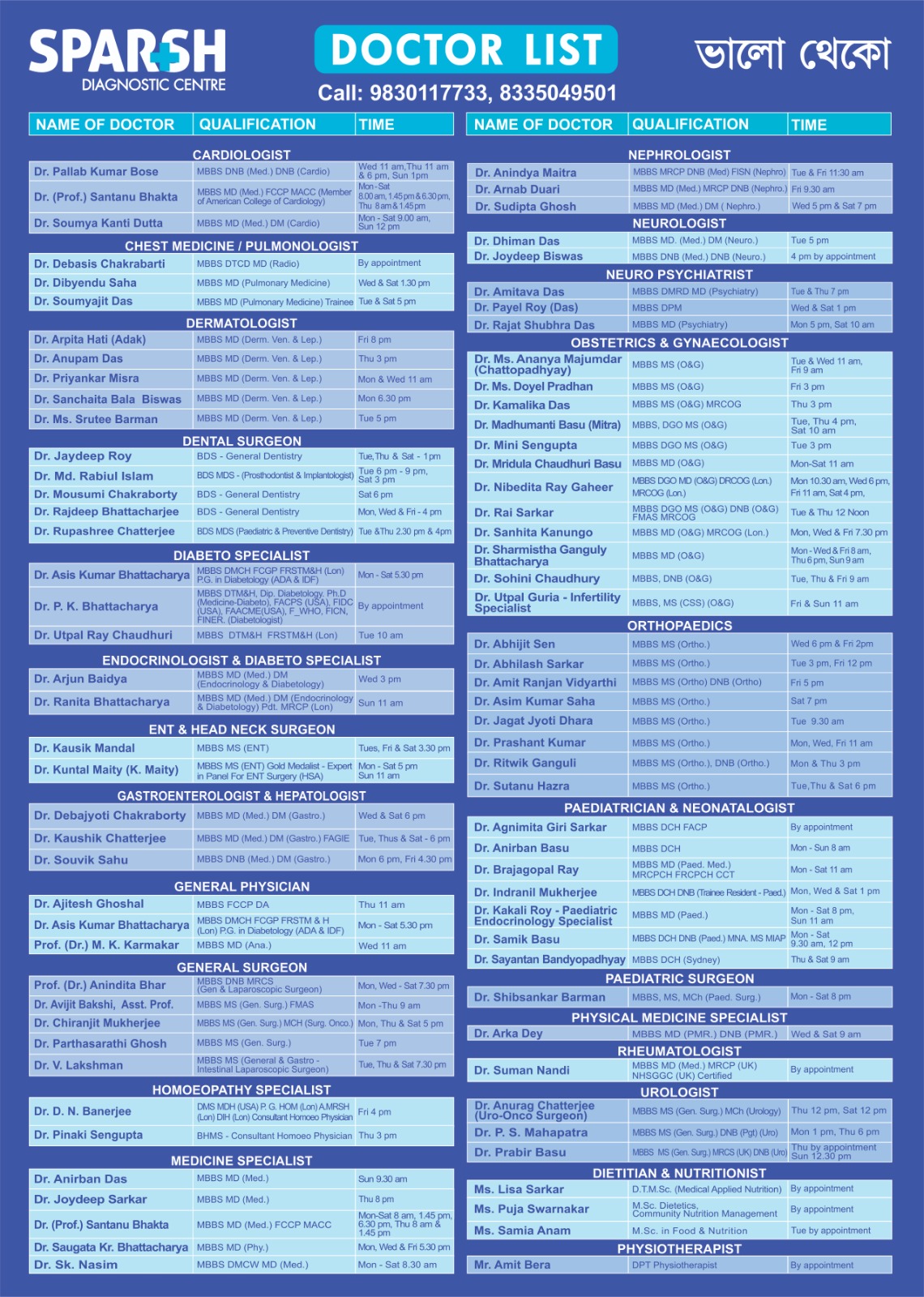
To consult a Doctor at Sparsh Diagnostic Centre, call our helpline numbers 9830117733/ 8335049501.
#BhaloTheko
Disclaimer:
No content on this site, regardless of date, should ever be used as a substitute for direct medical advice from your doctor or other qualified clinician.