Testicular cancer is one of the less common cancers overall, but it’s the most frequently diagnosed cancer in young men between the ages of 15 and 35. The encouraging news? It’s also one of the most treatable and often curable cancers—especially when detected early.
Despite this, many men delay seeking help due to embarrassment, lack of awareness, or simply not recognizing the warning signs. This guide breaks down everything you need to know about testicular cancer in a clear, conversational way—so you can stay informed, proactive, and confident about your health.
What Is Testicular Cancer?
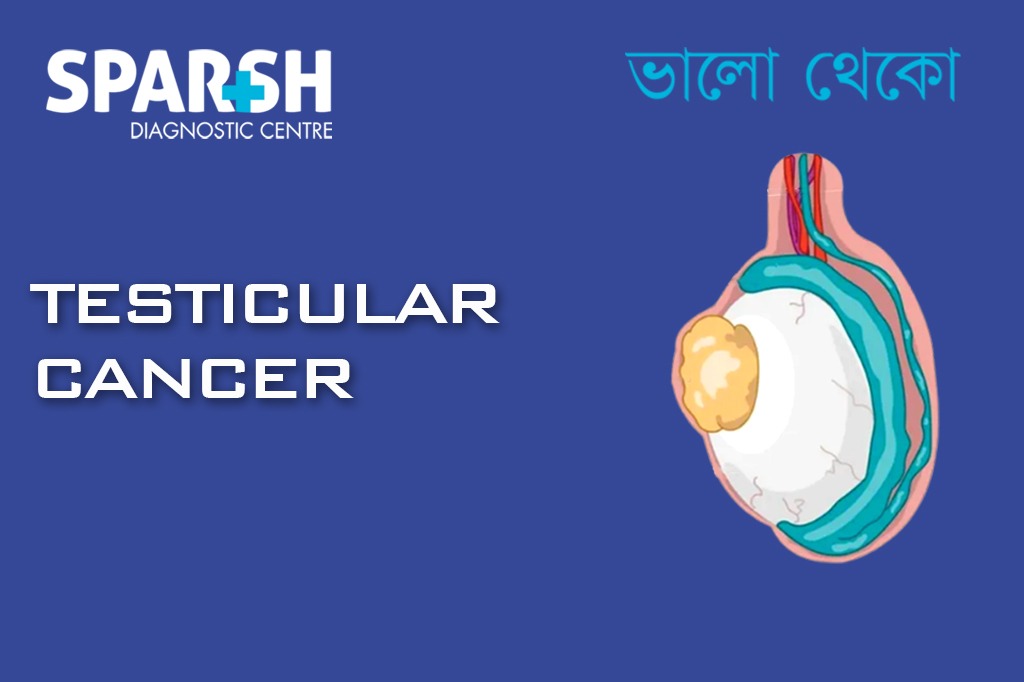
Testicular cancer develops in the testicles (testes), which are part of the male reproductive system. These organs are responsible for producing sperm and testosterone.
Cancer begins when abnormal cells in the testicles start to grow uncontrollably, forming a tumor. While this may sound alarming, the disease is highly treatable—even in later stages—thanks to modern medical advances.
Types of Testicular Cancer
Understanding the type of testicular cancer is important because it influences treatment decisions.
1. Germ Cell Tumors (Most Common)
These account for about 90–95% of cases and originate in the sperm-producing cells.
- Seminoma: Typically slow-growing and responds well to radiation therapy.
- Non-seminoma: Tends to grow faster and may spread more quickly.
2. Stromal Tumors
These develop in the supportive and hormone-producing tissues of the testicles. They’re less common and often behave differently than germ cell tumors.
3. Secondary Testicular Cancer
In rare cases, cancer from another part of the body spreads to the testicles.
Early Signs and Symptoms
Testicular cancer often starts quietly, with subtle symptoms that can easily be overlooked. Knowing what to watch for can make a big difference.
Common Symptoms Include:
- A painless lump or swelling in either testicle
- A feeling of heaviness in the scrotum
- Dull ache in the lower abdomen or groin
- Sudden fluid buildup in the scrotum
- Pain or discomfort in the testicle or scrotum
- Enlargement or tenderness of breast tissue (due to hormonal changes)
Not every lump is cancer—but every lump should be checked.
Causes and Risk Factors
The exact cause of testicular cancer isn’t always clear, but several risk factors increase the likelihood:
1. Undescended Testicle (Cryptorchidism)
Men born with a testicle that didn’t move down into the scrotum are at higher risk—even if surgery corrected it later.
2. Family History
Having a father or brother with testicular cancer raises your chances.
3. Age
Most cases occur between ages 15 and 35, although it can happen at any age.
4. Previous Testicular Cancer
If you’ve had cancer in one testicle, the risk increases in the other.
5. Ethnicity
It’s more common in white men compared to men of other ethnic backgrounds.
How Is Testicular Cancer Diagnosed?
If you notice anything unusual, a doctor will usually start with a physical examination and then recommend tests.
1. Ultrasound
A painless imaging test that helps distinguish between a fluid-filled cyst and a solid tumor.
2. Blood Tests
Certain tumor markers (like AFP, HCG, and LDH) can indicate cancer.
3. Surgery (Orchiectomy)
If cancer is suspected, the affected testicle is often surgically removed to confirm the diagnosis and prevent spread.
4. Imaging Tests
CT scans or X-rays may be used to check if the cancer has spread to other parts of the body.
Stages of Testicular Cancer
Cancer staging helps determine how far the disease has spread.
- Stage 1: Cancer is limited to the testicle
- Stage 2: Spread to nearby lymph nodes
- Stage 3: Spread to distant organs such as lungs or liver
Even advanced stages can often be treated successfully.
Treatment Options
Treatment depends on the type and stage of cancer, as well as your overall health.
1. Surgery
The primary treatment is removal of the affected testicle (radical inguinal orchiectomy). In some cases, nearby lymph nodes may also be removed.
2. Radiation Therapy
Often used for seminomas, radiation targets and destroys cancer cells.
3. Chemotherapy
Uses powerful drugs to kill cancer cells, especially when cancer has spread.
4. Active Surveillance
In early-stage cases, doctors may monitor closely instead of immediate additional treatment.
Life After Treatment
Many men go on to live full, healthy lives after treatment.
Fertility Considerations
- One healthy testicle is usually enough for normal fertility
- Sperm banking may be recommended before treatment
Hormonal Health
Most men maintain normal testosterone levels, but some may need hormone therapy.
Emotional Impact
It’s normal to experience anxiety or emotional stress. Support from healthcare professionals, family, and counseling can help.
Can Testicular Cancer Be Prevented?
There’s no guaranteed way to prevent testicular cancer, but early detection significantly improves outcomes.
Monthly Self-Examination
Performing a testicular self-exam once a month can help you spot changes early.
How to Do It:
- Do it after a warm shower
- Gently roll each testicle between your fingers
- Look for lumps, swelling, or changes in size
If something feels different, don’t ignore it—get it checked.
When Should You See a Doctor?
You should consult a doctor if you notice:
- Any lump or swelling in the testicles
- Persistent pain or discomfort
- Changes in size or firmness
- Heaviness in the scrotum
Early evaluation can provide peace of mind—or catch a problem early when it’s easiest to treat.
Prognosis and Survival Rate
Testicular cancer has one of the highest survival rates among cancers.
- Stage 1: Over 95% survival rate
- Overall survival: Around 95% or higher
Even when diagnosed late, many cases respond well to treatment.
Why Early Diagnosis Matters
The difference between early and late detection can mean simpler treatment, fewer complications, and faster recovery.
Regular awareness—not fear—is the key. Most cases are caught early because men notice something unusual and act on it.
Frequently Asked Questions (FAQs)
1. Is testicular cancer common?
No, it’s relatively rare compared to other cancers. However, it’s the most common cancer in young men.
2. Is a lump always cancer?
Not necessarily. Many lumps are harmless, but they should always be checked by a doctor.
3. Can testicular cancer spread?
Yes, if untreated, it can spread to lymph nodes and other organs. Early treatment prevents this.
4. Does removing a testicle affect masculinity?
No. One healthy testicle is enough to maintain testosterone levels and sexual function.
5. Can I still have children after treatment?
In many cases, yes. However, fertility may be affected, so sperm banking is often recommended beforehand.
6. Is testicular cancer painful?
It’s usually painless in the early stages, which is why regular self-checks are important.
7. How often should I do a self-exam?
Once a month is ideal, especially for men between 15 and 40.
8. What is the recovery time after surgery?
Most men recover within a few weeks, but it depends on the type of treatment received.
9. Can testicular cancer come back?
Yes, recurrence is possible, which is why regular follow-ups are essential.
10. Is it curable?
Yes, especially when detected early. Even advanced cases have high treatment success rates.
Final Thoughts
Testicular cancer may sound intimidating, but it’s one of the most treatable cancers when caught early. Awareness, regular self-exams, and timely medical consultation can make all the difference.
If something feels off, trust your instincts and get it checked. Taking that simple step could potentially save your life.
To consult a Urologist at Sparsh Diagnostic Centre, call our helpline numbers 9830117733/ 8335049501.
#BhaloTheko
Disclaimer:
No content on this site, regardless of date, should ever be used as a substitute for direct medical advice from your doctor or other qualified clinician.