


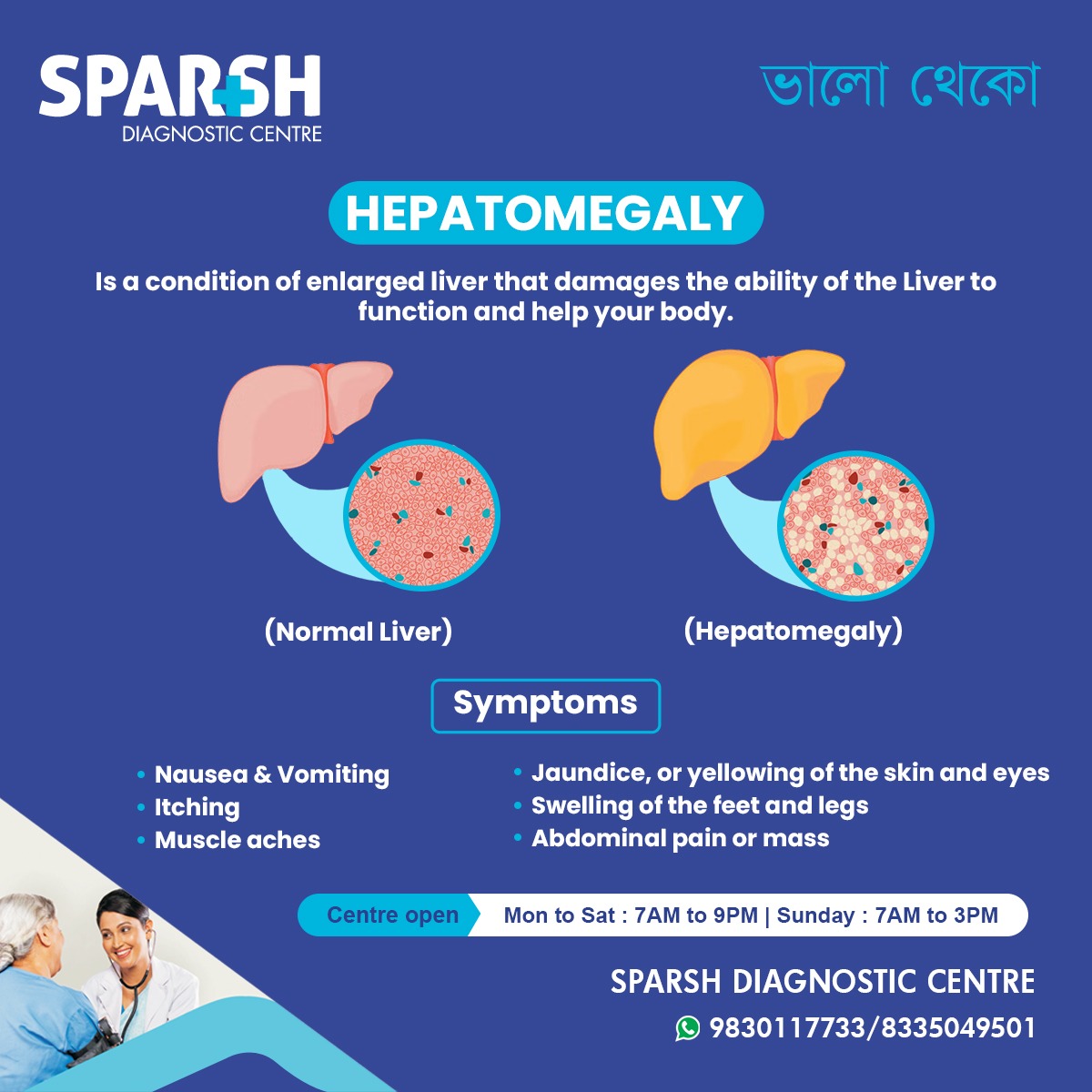
The liver is one of the body’s most important organs. It helps process nutrients, produces important proteins, stores energy and plays a major role in filtering substances from the blood. When the liver becomes larger than its normal size, the condition is called hepatomegaly.
Hepatomegaly is not usually a disease by itself. Instead, it is generally a sign of an underlying health problem. These problems can range from fatty liver and viral hepatitis to alcohol-related liver disease, heart problems and, less commonly, cancer.
The good news is that an enlarged liver does not always mean permanent liver damage. In some cases, treating the underlying cause can allow the liver to return toward its normal size and function. The important part is finding out why the liver is enlarged rather than simply trying to reduce its size.
What is hepatomegaly?
Hepatomegaly means an enlarged liver. A healthcare professional may detect it during a physical examination, or it may be identified during an abdominal ultrasound, CT scan or MRI performed for another reason.
An enlarged liver can occur because of inflammation, excess fat, congestion of blood within the liver, infections, abnormal growths or other diseases.
Importantly, hepatomegaly does not always produce noticeable symptoms. Some people discover that they have an enlarged liver only after an imaging test.
The seriousness depends largely on the underlying cause.
What are the symptoms of an enlarged liver?
An enlarged liver may cause no symptoms at all, particularly in its early stages. When symptoms do occur, they can include:
- Discomfort, pain or a feeling of fullness in the upper-right abdomen
- Abdominal bloating or fullness
- Fatigue or weakness
- Nausea or vomiting
- Loss of appetite
- Itchy skin
- Jaundice, which causes yellowing of the skin or whites of the eyes
- Dark urine
- Pale or light-coloured stools
- Swelling in the legs or feet
- Abdominal swelling
Not everyone with hepatomegaly will experience these symptoms. In fact, an enlarged liver may be discovered by a doctor before the person notices anything unusual.
What are the 7 signs of liver damage?
There isn’t one official list of exactly seven signs, but several symptoms can suggest significant liver dysfunction. Seven important warning signs are:
- Jaundice – yellowing of the skin or eyes.
- Dark urine – urine may become noticeably darker than usual.
- Pale stools – stools may lose their usual brown colour.
- Persistent fatigue or weakness.
- Easy bruising or bleeding.
- Swelling of the abdomen, legs, ankles or feet.
- Confusion, difficulty concentrating or changes in mental alertness.
These signs don’t necessarily mean that someone has severe liver disease, but they deserve medical assessment. Advanced liver disease can cause problems such as jaundice, ascites, bleeding and changes in mental function.
What is the main cause of hepatomegaly?
There is no single cause of hepatomegaly. Fatty liver disease is an important and common cause, but an enlarged liver can result from several different conditions.
Common causes include:
1. Fatty liver disease
Fat can accumulate inside the liver, causing it to become enlarged. Metabolic dysfunction-associated steatotic liver disease (MASLD), formerly called nonalcoholic fatty liver disease (NAFLD), is associated with factors such as overweight or obesity, insulin resistance and metabolic problems.
2. Alcohol-related liver disease
Regular excessive alcohol consumption can damage liver cells and lead to inflammation and enlargement.
3. Viral hepatitis
Hepatitis A, B and C can cause inflammation of the liver. Chronic hepatitis B and C can cause progressive liver damage if left untreated.
4. Cirrhosis
Cirrhosis involves significant scarring of the liver. Depending on the stage and cause, the liver may be enlarged, normal-sized or eventually become smaller.
5. Heart-related problems
Conditions such as congestive heart failure can increase pressure in the blood vessels around the liver, causing blood to back up and the liver to become enlarged.
6. Liver cysts or tumours
Benign growths, cysts and, less commonly, liver cancer can cause enlargement.
7. Genetic and metabolic disorders
Conditions such as haemochromatosis, Wilson disease and certain storage disorders can affect the liver and cause hepatomegaly.
This is why an enlarged liver should not automatically be assumed to be “fatty liver.” Proper evaluation is important.
How is hepatomegaly diagnosed?
Doctors generally begin with a medical history and physical examination. They may ask about alcohol consumption, medications, supplements, existing medical conditions and symptoms.
Tests can include:
- Liver function blood tests
- Complete blood count
- Tests for hepatitis B and C
- Blood sugar and lipid testing
- Abdominal ultrasound
- CT or MRI when necessary
- Elastography to assess liver stiffness in selected patients
- Additional blood tests for autoimmune, genetic or metabolic liver conditions
- Liver biopsy in selected situations
Ultrasound can help determine whether the liver is enlarged and can provide information about its appearance. Blood tests can help identify liver injury and possible causes.
Is hepatomegaly harmful?
Hepatomegaly can be harmless in some situations, but it should not be ignored.
The enlargement itself is generally a sign rather than the disease causing the problem. A temporary infection may cause liver enlargement that resolves after recovery. On the other hand, chronic hepatitis, alcohol-related liver disease, fatty liver with inflammation or cancer can potentially cause progressive damage.
So, how serious is an enlarged liver?
It depends entirely on the cause, the degree of enlargement and whether there is liver inflammation or scarring.
For example, mild enlargement associated with fatty liver may improve substantially with lifestyle changes. In contrast, enlargement associated with advanced liver disease requires careful medical management.
How do you treat an enlarged liver?
There is no single medicine that treats hepatomegaly itself. Treatment focuses on the underlying cause.
For example:
- Fatty liver: gradual weight loss when appropriate, regular physical activity and dietary changes.
- Alcohol-related liver disease: stopping alcohol and getting appropriate medical support.
- Hepatitis B or C: antiviral treatment may be recommended depending on the infection and individual circumstances.
- Autoimmune liver disease: specific medicines may be needed to control the immune response.
- Iron or copper storage disorders: treatment aims to reduce the abnormal accumulation.
- Heart-related liver congestion: treatment focuses on the underlying heart condition.
- Tumours: management depends on the type, size and stage and may involve surgery, medicines or other specialist treatment.
The correct treatment therefore cannot be decided simply from the finding of an enlarged liver.
Can an enlarged liver go back to normal?
Yes, in some cases an enlarged liver can return toward normal size.
The liver has a considerable capacity for repair when the underlying problem is addressed and enough healthy liver tissue remains. Cleveland Clinic notes that enlargement caused by a short-term condition may resolve when that condition is treated. Some chronic liver conditions can also improve with appropriate lifestyle changes and medical treatment.
For example, if excess liver fat is contributing to enlargement, gradual weight loss and improved metabolic health can reduce liver fat. Research-based guidance from NIDDK notes that losing at least 3% to 5% of body weight can reduce liver fat in people with NAFLD, while greater weight loss may be needed to reduce inflammation and fibrosis.
However, advanced scarring such as cirrhosis cannot simply be reversed by eating a particular food or drinking a detox beverage.
How to reduce enlarged liver fast
There is no safe overnight method to shrink an enlarged liver.
If the enlargement is related to fatty liver, the most effective approach is usually consistent lifestyle improvement rather than crash diets or “liver detox” products.
Helpful steps may include:
- Avoid alcohol, particularly if your liver is already affected.
- Lose excess weight gradually if you are overweight.
- Exercise regularly, according to your fitness and medical condition.
- Reduce sugary drinks and foods high in added sugar.
- Limit highly processed and fried foods.
- Choose vegetables, fruits, whole grains, legumes and healthier sources of protein.
- Manage diabetes, cholesterol and blood pressure.
- Take prescribed medicines correctly.
- Avoid unnecessary supplements or herbal remedies that may potentially harm the liver.
For fatty liver, gradual weight loss and physical activity can reduce liver fat and may improve inflammation and fibrosis.
How to reduce enlarged liver naturally
“Naturally” should not mean relying on detox drinks, fasting or unproven supplements.
A more sensible natural approach is to support the liver by improving the factors that may be contributing to liver disease.
Eat a balanced diet
Build meals around vegetables, fruits, whole grains, pulses, lean proteins and healthier fats.
Exercise regularly
Physical activity can benefit metabolic health and may improve fatty liver even without major weight loss.
Maintain a healthy weight
If excess weight is contributing to fatty liver, gradual weight reduction can make a meaningful difference.
Avoid unnecessary alcohol
Alcohol can add further stress to an already injured liver. People with alcohol-related liver disease are generally advised to stop drinking and seek appropriate support.
Be careful with supplements
“Natural” does not automatically mean safe. Some herbal and dietary products can cause liver injury. Always discuss supplements with your healthcare professional, particularly if liver tests are abnormal.
What foods should I avoid with hepatomegaly?
There is no universal hepatomegaly diet because the ideal diet depends on the cause.
However, many people with fatty liver or metabolic liver disease benefit from limiting:
- Deep-fried foods
- Foods high in saturated and trans fats
- Processed meats
- Sugary soft drinks
- Sweetened juices and energy drinks
- Sweets, cakes and pastries
- Excess refined carbohydrates
- Highly processed packaged foods
- Excessively salty foods, particularly when fluid retention or advanced liver disease is present
- Alcohol
NIDDK recommends limiting fats that are high in calories, replacing saturated and trans fats with unsaturated fats, eating more fruits, vegetables and whole grains, and avoiding foods and drinks containing large amounts of simple sugars, especially fructose.
What are 5 foods that are bad for your liver?
Rather than thinking of individual foods as automatically “bad,” it is more useful to look at dietary patterns. Five categories to limit are:
- Deep-fried foods
- Processed meats such as sausages and heavily processed meat products
- Sugary beverages
- Foods high in added sugar, including many sweets and desserts
- Foods high in saturated or trans fats
Alcohol deserves separate attention because it can directly contribute to liver injury.
Which fruit is good for hepatomegaly?
There isn’t one fruit that can cure hepatomegaly.
For most people, whole fruits can be part of a healthy liver-friendly diet. Apples, oranges, berries, guava, papaya and other whole fruits provide fibre and nutrients.
The important distinction is between whole fruit and fruit juice. Whole fruit contains fibre and generally produces a slower rise in blood glucose than many sweetened drinks or juices. NIDDK recommends eating more low-glycemic foods such as most fruits and vegetables for people managing fatty liver disease.
If you have diabetes or another metabolic condition, portion sizes still matter.
What are 5 foods to help detox your liver?
Your liver already performs the body’s detoxification functions, so you do not need a special “detox food” to cleanse it.
Instead, choose foods that support an overall healthy eating pattern. Five good options include:
- Leafy green vegetables – spinach, methi and other greens.
- Cruciferous vegetables – broccoli, cauliflower and cabbage.
- Whole fruits – such as apples, oranges, guava and berries.
- Whole grains – oats and other minimally processed whole grains.
- Legumes and pulses – lentils, beans and chickpeas.
NIDDK’s dietary guidance for fatty liver emphasises vegetables, fruits, whole grains, healthier unsaturated fats and limiting simple sugars.
The goal isn’t to “detox” the liver in a few days. It is to reduce the factors that contribute to ongoing liver stress.
Can an enlarged liver go back to normal?
Yes, it can in some cases, but the answer depends on why it became enlarged.
If the cause is temporary inflammation or a treatable condition, the liver may return toward its normal size after successful treatment. If excess fat is the main problem, improvements in diet, physical activity, weight and metabolic health can reduce liver fat.
If significant fibrosis or cirrhosis has developed, however, the situation is different. The aim becomes preventing further damage, treating complications and preserving remaining liver function.
When should you see a doctor?
An enlarged liver found on an ultrasound or examination should be discussed with a healthcare professional, even if you feel completely well.
Seek prompt medical attention if you develop:
- Yellow eyes or skin
- Severe or persistent abdominal pain
- Persistent vomiting
- Confusion or unusual drowsiness
- Significant abdominal swelling
- Swelling of the legs
- Dark urine with pale stools
- Easy or unexplained bleeding
- Persistent fever
- Severe weakness or lightheadedness
These symptoms can indicate significant liver or systemic disease and should not be managed with home remedies alone.
Frequently Asked Questions About Hepatomegaly
Is hepatomegaly the same as fatty liver?
No. Hepatomegaly means that the liver is enlarged, while fatty liver means that excess fat has accumulated in the liver. Fatty liver can cause hepatomegaly, but an enlarged liver has many other possible causes.
Is mild hepatomegaly dangerous?
Not necessarily. Mild enlargement may be associated with a relatively manageable condition, but it can also be an early sign of a problem that needs treatment. The cause matters more than the word “mild” alone.
Can exercise reduce an enlarged liver?
Exercise can help when enlargement is related to fatty liver or metabolic health. Physical activity can be beneficial even when it does not result in significant weight loss.
Does drinking more water shrink an enlarged liver?
Drinking adequate water is important for general health, but simply drinking extra water does not directly cure hepatomegaly. Treatment needs to address the underlying cause.
Are liver detox drinks useful?
There is no established detox drink that can reliably reverse hepatomegaly. Some supplements and herbal products may even harm the liver. A balanced diet and treatment of the underlying condition are much more important.
Does hepatomegaly always mean liver damage?
No. Liver enlargement can occur for several reasons, including conditions that are temporary or treatable. However, because it can also accompany significant liver disease, the cause should be investigated.
What test is best for an enlarged liver?
An abdominal ultrasound is commonly used to assess liver size and appearance. Depending on the findings, doctors may recommend blood tests, elastography, CT, MRI or other investigations.
Can hepatomegaly be cured?
Hepatomegaly itself isn’t usually treated as a separate disease. If the underlying cause can be treated, the liver may decrease in size and its function may improve. The outcome depends on the cause and extent of liver damage.
Final takeaway
Hepatomegaly means an enlarged liver, but it is a finding rather than a diagnosis. It can be caused by fatty liver, alcohol-related liver disease, hepatitis, heart problems, certain metabolic disorders, cysts, tumours and several other conditions.
The most important question isn’t simply “How do I shrink my liver?” but “Why is my liver enlarged?”
Once the underlying cause is identified, treatment can be targeted appropriately. In many people, especially when the problem is identified early, lifestyle changes and medical treatment can significantly improve liver health.
If an ultrasound or other scan has shown hepatomegaly, don’t panic—but don’t ignore it either. A discussion with your doctor, along with appropriate liver blood tests and imaging when required, is the best way to understand what is happening.
Medical disclaimer: This article is intended for general health education and does not replace a medical consultation, diagnosis or personalised treatment plan. If you have been diagnosed with an enlarged liver or have abnormal liver tests, consult a qualified healthcare professional.
Sparsh Diagnostic Centre: Your Partner in Liver Health
At Sparsh Diagnostic Centre, we offer advanced imaging services including Ultrasound, Fibroscan and Liver Function Tests to help detect and manage hepatomegaly effectively. Book your diagnostic appointment today and take the first step toward better liver health.
📞 Call us at 9830117733 / 8335049501
🕒 Centre open: Mon to Sat: 7 AM to 9 PM | Sunday: 7 AM to 3 PM
🌐 Visit: www.sparshdiagnostica.com
#BhaloTheko
Disclaimer:
No content on this site, regardless of date, should ever be used as a substitute for direct medical advice from your doctor or other qualified clinician.


[…] Enlarged liver and spleen […]
[…] Enlarged liver (detected during medical exams) […]
[…] Enlarged liver […]
[…] 4. Liver Enlargement (Hepatomegaly) […]
[…] spleen or liver in some […]
[…] Enlarged liver (hepatomegaly) and spleen […]
[…] Enlarged Spleen/Liver […]
[…] Enlarged liver or spleen (hepatosplenomegaly) […]
[…] Enlarged spleen or liver […]