


Hepatic encephalopathy (HE) is a serious complication of liver disease in which changes in liver function allow toxins to build up in the bloodstream and affect the brain. The resulting symptoms can range from subtle changes in concentration and sleep patterns to confusion, abnormal behaviour, severe drowsiness and, in advanced cases, coma.
Although hepatic encephalopathy can be frightening, an important point is that many episodes can improve significantly when the underlying trigger is identified and treated promptly. However, people with advanced chronic liver disease can experience recurrent episodes and may need long-term treatment and monitoring.
If someone with known liver disease suddenly becomes confused, unusually sleepy, disoriented or difficult to wake, this should be treated as a medical emergency rather than simply being considered part of their usual liver disease.
What Is Hepatic Encephalopathy?
Hepatic encephalopathy is a decline in brain function associated with liver dysfunction or abnormal blood flow that bypasses the liver.
Normally, blood from the digestive system passes through the liver, where potentially harmful substances are processed before the blood circulates through the rest of the body. When the liver is severely damaged, or when blood bypasses the liver through a portosystemic shunt, substances such as ammonia can accumulate in the bloodstream and affect brain function.
Hepatic encephalopathy is particularly associated with advanced cirrhosis and chronic liver disease, but it can also occur with acute liver failure or certain abnormal blood vessels and shunts.
The condition may be:
- Covert or minimal, where changes are subtle and may only be detected through specialised testing.
- Overt, where symptoms such as confusion, personality changes, disorientation or altered consciousness are clearly noticeable.
The West Haven system commonly grades hepatic encephalopathy from 0 to 4.
What Causes Hepatic Encephalopathy?
Hepatic encephalopathy does not always mean that the liver has suddenly become worse. In people with chronic liver disease, an additional trigger can push brain function from relatively stable to noticeably impaired.
Common triggers include:
- Gastrointestinal bleeding
- Bacterial or other infections
- Constipation
- Dehydration
- Electrolyte abnormalities
- Kidney problems
- Certain medicines, including sedatives and opioids
- Excessive alcohol consumption
- Surgery or another major physical stress
- Failure to take prescribed hepatic encephalopathy medication
- Large portosystemic shunts
Identifying and treating these triggers is one of the most important parts of managing an acute episode.
What Is the Earliest Symptom of Hepatic Encephalopathy?
The earliest symptoms can be subtle, and the person may not realise anything is wrong.
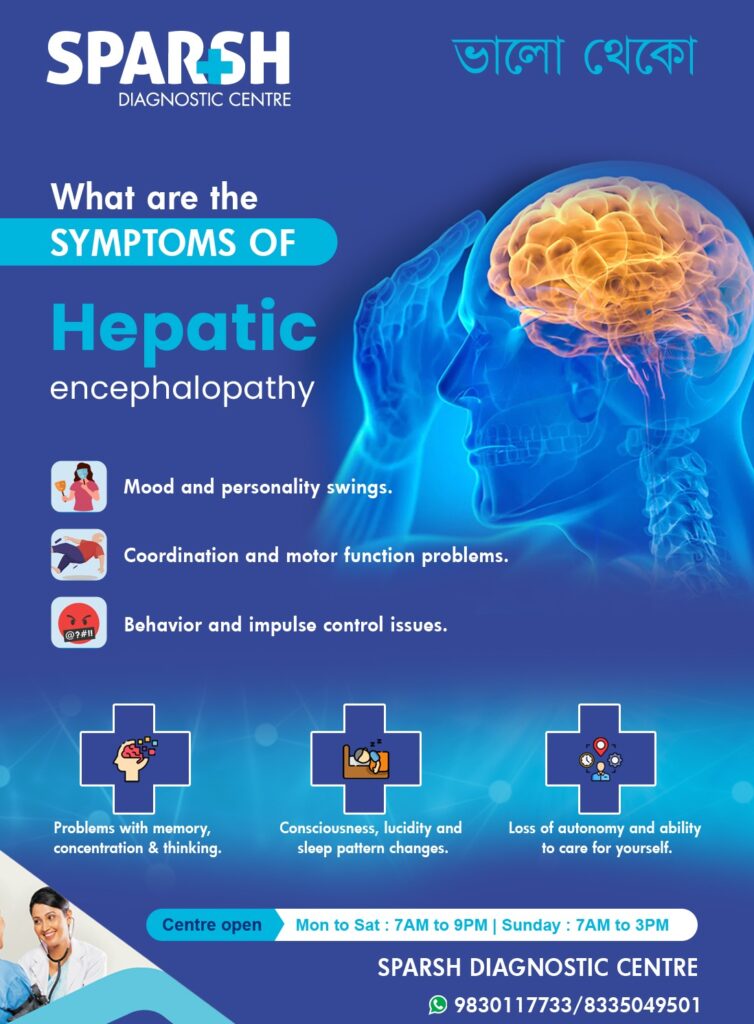
Changes in concentration, short-term memory, sleep patterns, mood, personality or the ability to perform familiar tasks may occur before obvious confusion develops. For example, someone may have difficulty concentrating, make simple mistakes, sleep during the day and remain awake at night, or show unusual irritability or anxiety.
In very early or minimal hepatic encephalopathy, changes may not be obvious during a routine conversation. Specialised neuropsychological testing may be required to detect them.
A useful practical warning sign is a new change in mental function in someone who already has significant liver disease. It should not simply be dismissed as tiredness, ageing or poor sleep.
What Are the Four Stages of Hepatic Encephalopathy?
Technically, the West Haven Criteria grades hepatic encephalopathy from Grade 0 through Grade 4. Grade 0 represents minimal or covert changes. When people refer to the “four stages” of hepatic encephalopathy, they generally mean the four overt stages, Grades 1 to 4.
Stage 1 – Mild Changes
At this stage, symptoms may include:
- Mild confusion or forgetfulness
- Difficulty concentrating
- Mood changes
- Anxiety or irritability
- Disturbed sleep pattern
- Reduced ability to perform simple calculations
- Minor problems with handwriting or fine motor skills
The person may still appear relatively normal to others.
Stage 2 – Moderate Hepatic Encephalopathy
Symptoms become more noticeable and can include:
- Clear personality changes
- Inappropriate or unusual behaviour
- Drowsiness
- Apathy or lethargy
- Disorientation regarding time
- Slurred speech
- Poor coordination
- Asterixis, sometimes described as a “flapping tremor”
At this stage, the person may require assistance with daily activities.
Stage 3 – Severe Hepatic Encephalopathy
The person may develop:
- Severe confusion
- Marked drowsiness
- Disorientation about where they are
- Slow thinking and movements
- Amnesia
- Delirium
- Significant behavioural changes
- Tremors or involuntary movements
Grade 3 hepatic encephalopathy requires urgent medical treatment.
Stage 4 – Coma
Grade 4 is the most severe stage and is characterised by loss of consciousness or hepatic coma.
This is a medical emergency requiring immediate hospital treatment.
Importantly, the progression isn’t always a simple step-by-step process. Hepatic encephalopathy can develop suddenly, fluctuate or improve once the underlying trigger is treated.
What Are the Symptoms of Hepatic Encephalopathy?
The symptoms depend on the severity of the condition. Common symptoms include:
Changes in thinking
A person may have difficulty concentrating, solving simple problems, remembering things or following a conversation.
Personality and mood changes
Someone who is normally calm may become irritable, anxious, unusually emotional or behave in ways that are out of character.
Sleep disturbances
Day-night reversal is relatively common. A person may sleep excessively during the day but remain awake or restless at night.
Confusion and disorientation
As hepatic encephalopathy becomes more severe, the person may become confused about the date, time, location or circumstances.
Slurred speech and poor coordination
Neurological changes can affect speech, movement and coordination.
Asterixis
A characteristic “flapping” movement of the hands may occur when the arms are held out and the wrists extended.
Reduced consciousness
Severe hepatic encephalopathy can progress to profound drowsiness, unresponsiveness and coma.
How Long Does Hepatic Encephalopathy Last?
There is no single duration for hepatic encephalopathy.
An acute episode may improve substantially once the precipitating factor is identified and treated. For example, if an episode is triggered by an infection, dehydration, constipation or gastrointestinal bleeding, correcting that problem can help the person’s mental status improve.
However, the recovery time varies depending on:
- The severity of hepatic encephalopathy
- The underlying liver condition
- The trigger responsible for the episode
- How quickly treatment begins
- Kidney function and other health problems
- Whether the person has had previous episodes
Some people improve relatively quickly after treatment, while severe episodes can require prolonged hospital care. People with advanced chronic liver disease may also experience repeated episodes rather than a single isolated event.
Therefore, it is better to ask why the episode occurred and how severe it is rather than expecting a specific number of days.
Can Hepatic Encephalopathy Be Cured?
Hepatic encephalopathy itself is often treatable and potentially reversible, particularly when a reversible trigger is responsible.
Treatment generally focuses on three areas:
- Finding and treating the precipitating cause.
- Reducing the amount of neurotoxins reaching the brain.
- Treating the underlying liver disease or abnormal blood flow where possible.
Lactulose is commonly used as a first-line treatment for overt hepatic encephalopathy. It helps reduce the absorption of ammonia and other gut-derived toxins. Rifaximin may be added, particularly for people who experience recurrent episodes.
However, “curing” hepatic encephalopathy is different from curing the underlying liver disease.
If a person has advanced cirrhosis, the cirrhosis itself may not be reversible. In selected patients with severe liver failure, liver transplantation may be considered.
So, an episode can resolve even though the underlying risk remains.
Is Hepatic Encephalopathy an End Stage?
Hepatic encephalopathy is not automatically the same thing as end-stage liver disease.
It is, however, an important sign of significant liver dysfunction, particularly when it occurs in someone with cirrhosis. It can also occur in acute liver failure or because of a portosystemic shunt.
Repeated episodes of overt hepatic encephalopathy in a person with cirrhosis indicate advanced disease and are associated with a poorer prognosis.
This distinction is important. A person should not assume that developing one episode means that death is imminent. At the same time, hepatic encephalopathy should never be taken lightly. It requires medical assessment because potentially reversible triggers may be present.
What Are the 7 Signs That My Liver Is Failing?
Liver failure can produce several symptoms, and not everyone experiences the same combination. Seven important warning signs include:
1. Yellowing of the skin or eyes
Jaundice occurs when bilirubin accumulates in the body. Yellowing of the whites of the eyes or skin should be evaluated, especially if it is new or worsening.
2. Confusion or unusual behaviour
Hepatic encephalopathy can cause confusion, personality changes, excessive sleepiness and eventually loss of consciousness.
3. Abdominal swelling
Fluid can accumulate in the abdomen, causing ascites and noticeable abdominal enlargement.
4. Easy bruising or bleeding
Severe liver dysfunction can interfere with the body’s ability to produce proteins needed for normal blood clotting. People may therefore bruise or bleed more easily.
5. Severe fatigue, weakness or weight loss
Advanced liver disease can be associated with poor appetite, muscle loss, weakness and significant fatigue.
6. Swelling of the legs and feet
Fluid retention can cause swelling, particularly around the ankles and lower legs.
7. Gastrointestinal bleeding
Vomiting blood or passing black, tarry stools can occur with serious complications of portal hypertension, including bleeding from esophageal varices. This requires emergency medical attention.
Other possible symptoms include dark urine, itching, nausea, poor appetite and changes in bowel habits. Importantly, these symptoms are not specific to liver failure and can have other causes. Diagnosis requires appropriate medical evaluation.
How Is Hepatic Encephalopathy Diagnosed?
Hepatic encephalopathy is primarily a clinical diagnosis. A doctor considers the person’s symptoms, medical history, liver disease and neurological examination while ruling out other causes of altered mental status.
Tests may include:
- Liver function tests
- Kidney function tests
- Electrolyte testing
- Blood glucose testing
- Blood ammonia measurement in appropriate circumstances
- Tests for infection
- Assessment for gastrointestinal bleeding
- Ultrasound or Doppler imaging
- CT or MRI of the brain when another neurological problem needs to be excluded
- EEG in selected cases
An important point about ammonia testing is that an ammonia level alone does not diagnose or accurately grade hepatic encephalopathy. Clinical assessment remains central to diagnosis.
How Is Hepatic Encephalopathy Treated?
Treatment depends on the severity of the episode and the underlying cause.
Treating the trigger
Doctors first look for conditions that may have precipitated the episode, such as infection, gastrointestinal bleeding, constipation, dehydration, electrolyte abnormalities or medication-related problems.
Lactulose
Lactulose is commonly prescribed to reduce the absorption of ammonia and other nitrogen-containing toxins from the intestine. It is usually adjusted according to the individual’s clinical response and bowel movements.
Patients should not increase the dose themselves without medical advice, because excessive diarrhoea can cause dehydration and electrolyte disturbances.
Rifaximin
Rifaximin is a minimally absorbed antibiotic that acts in the intestine. It is commonly used as an additional treatment in people with recurrent hepatic encephalopathy.
Managing the underlying liver disease
Long-term management may involve treatment for cirrhosis, viral hepatitis, alcohol-related liver disease, metabolic liver disease or another underlying condition.
In selected people with severe liver failure, liver transplantation may be considered.
Can Hepatic Encephalopathy Be Prevented?
Not every episode can be prevented, but the risk of recurrence can often be reduced.
People with liver disease should:
- Take prescribed medicines consistently.
- Avoid alcohol if advised by their doctor.
- Stay adequately hydrated.
- Prevent and promptly treat constipation.
- Seek medical attention for fever or suspected infection.
- Discuss sedatives, opioids and other medicines with their doctor.
- Follow their liver specialist’s dietary recommendations.
- Attend regular follow-up appointments.
- Learn to recognise early changes in behaviour, sleep or concentration.
For people who have already experienced overt hepatic encephalopathy, long-term treatment may be recommended to reduce the risk of another episode.
When Should You Seek Emergency Medical Care?
Hepatic encephalopathy can become life-threatening.
Seek urgent medical attention if someone with liver disease develops:
- Sudden confusion
- Severe disorientation
- Unusual or aggressive behaviour
- Extreme sleepiness
- Difficulty speaking
- New abnormal movements or tremors
- Loss of consciousness
- Vomiting blood
- Black stools
- Severe abdominal swelling or pain
A person with severe confusion or reduced consciousness should not drive themselves to a hospital.
Frequently Asked Questions About Hepatic Encephalopathy
What is the earliest symptom of hepatic encephalopathy?
The earliest symptoms can be subtle changes in concentration, memory, sleep, mood, personality or behaviour. Difficulty performing familiar tasks or changes in handwriting can also occur.
What are the four stages of hepatic encephalopathy?
The four commonly described overt stages are Grades 1 through 4: mild cognitive and behavioural changes, moderate confusion and personality changes, severe confusion and drowsiness, and finally coma. There is also Grade 0, which represents minimal or covert hepatic encephalopathy.
How long does hepatic encephalopathy last?
The duration varies. An acute episode may improve after its trigger is treated, but severe cases can require prolonged treatment. People with chronic liver disease can also have recurrent episodes.
Can hepatic encephalopathy be cured?
An episode of hepatic encephalopathy can often be reversed or substantially improved with appropriate treatment. However, if advanced cirrhosis or another permanent liver condition is responsible, the underlying disease may remain and future episodes can occur.
Is hepatic encephalopathy an end-stage condition?
Not necessarily. Hepatic encephalopathy is a serious complication of liver dysfunction and is particularly common in advanced cirrhosis, but it can also occur in acute liver failure or with portosystemic shunts. Its presence does not by itself mean that a person is in the final stage of life.
What are the 7 signs that my liver is failing?
Seven important warning signs include jaundice, confusion or personality changes, abdominal swelling from fluid, easy bruising or bleeding, severe fatigue or weakness, swelling of the legs and feet, and gastrointestinal bleeding. These symptoms need medical evaluation because they can have different causes.
Does a high ammonia level always mean hepatic encephalopathy?
No. Ammonia can contribute to hepatic encephalopathy, but an ammonia level by itself does not establish the diagnosis or reliably determine its severity. Doctors use the person’s symptoms and clinical examination along with other investigations.
Can someone recover from hepatic encephalopathy?
Yes. Recovery is possible, especially when the episode is caused by a reversible trigger and treatment begins promptly. However, people with permanent or advanced liver disease remain at risk of recurrence and may require ongoing treatment.
Final Takeaway
Hepatic encephalopathy is a serious but often treatable complication of liver disease. The earliest signs may be surprisingly subtle, such as poor concentration, sleep disturbance, forgetfulness or personality changes. As the condition progresses, confusion, disorientation, abnormal movements and reduced consciousness can develop.
The most important thing to remember is that a sudden change in mental status in someone with liver disease should never be ignored. Finding the trigger—such as infection, gastrointestinal bleeding, constipation, dehydration or medication-related problems—and treating it promptly can make a major difference.
For people living with chronic liver disease, regular medical follow-up, adherence to prescribed treatment and awareness of early warning signs can help reduce the risk of severe or recurrent hepatic encephalopathy.
Medical note: This article is intended for general health education and does not replace an evaluation by a qualified doctor. Sudden confusion, severe drowsiness, loss of consciousness, vomiting blood or black stools require urgent medical assessment.
Sources and further reading
This article has been informed by current patient and clinical information from:
- Cleveland Clinic – Hepatic Encephalopathy
- NCBI Bookshelf – Hepatic Encephalopathy
- Mayo Clinic – Hepatic Encephalopathy: Symptoms and Causes
- American Association for the Study of Liver Diseases (AASLD) – Hepatic Encephalopathy guidance
Sparsh Diagnostic Centre – Early Diagnosis Saves Lives
At Sparsh Diagnostic Centre, we provide advanced liver function testing and ammonia screening to detect hepatic encephalopathy and its underlying causes.
🕒 Centre Hours:
Mon–Sat: 7 AM to 9 PM
Sunday: 7 AM to 3 PM
📞 Call Now: 9830117733 / 8335049501
🌐 Visit: www.sparshdiagnostica.com
To consult a Gastroenterologist/Neurologist at Sparsh Diagnostic Centre, call our helpline number 9830117733.
#BhaloTheko
Disclaimer:
No content on this site, regardless of date, should ever be used as a substitute for direct medical advice from your doctor or other qualified clinician.


[…] Confusion (hepatic encephalopathy) […]
[…] Hepatic encephalopathy […]
[…] hypertension can cause life-threatening complications such as variceal bleeding, ascites, and hepatic encephalopathy. Understanding this condition is crucial for timely diagnosis and effective management. In this […]
[…] 1. Hepatic Encephalopathy […]
[…] Hepatic encephalopathy (confusion due to toxin buildup) […]
[…] Confusion and memory issues (hepatic encephalopathy) […]
[…] Ascites and hepatic encephalopathy […]
[…] Confusion and Memory Issues (Hepatic Encephalopathy in Advanced Stages) […]