

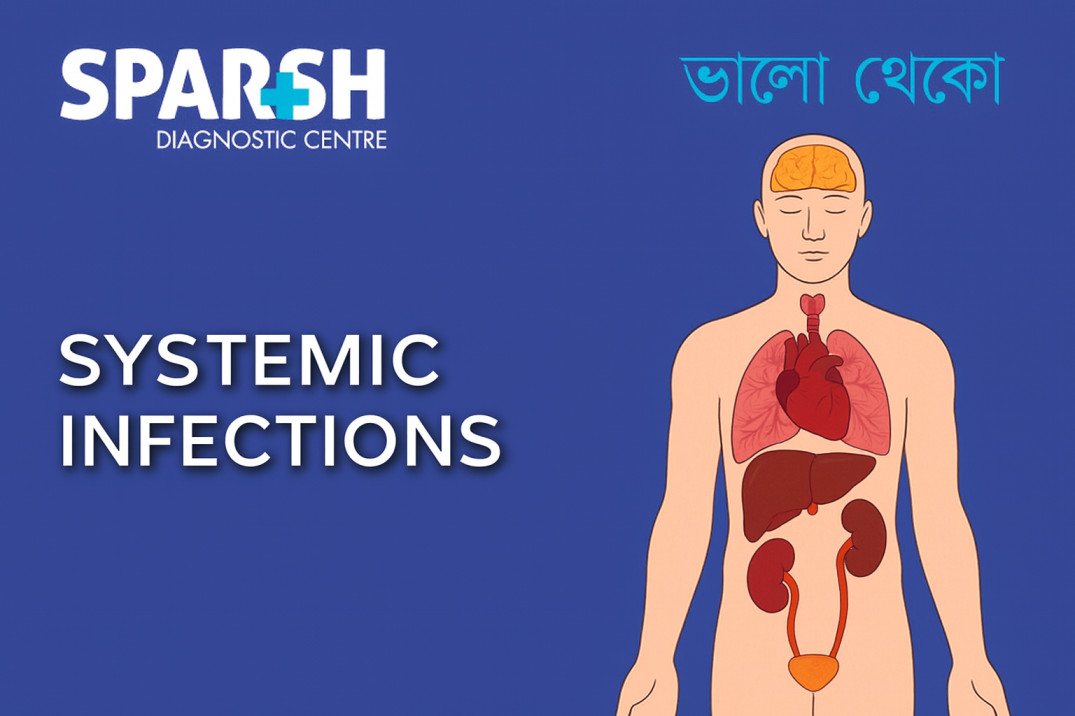
Systemic infections are serious medical conditions that occur when infectious agents spread throughout the body, affecting multiple organs or organ systems. Unlike localized infections that remain confined to one area, systemic infections can rapidly progress and become life-threatening if not diagnosed and treated promptly. They are a major cause of hospital admissions worldwide and require urgent medical attention.
This article provides a comprehensive overview of systemic infections, including their causes, symptoms, diagnostic approaches, treatment options, and preventive strategies.
What Are Systemic Infections?
A systemic infection occurs when bacteria, viruses, fungi, or parasites enter the bloodstream or lymphatic system and spread across the body. Once disseminated, these pathogens can trigger widespread inflammation, organ dysfunction, and immune system activation.
Systemic infections range in severity from mild, flu-like illnesses to severe conditions such as sepsis and septic shock, which carry a high risk of mortality.
How do Systemic Infections develop?
Systemic infections usually begin as localized infections that spread due to delayed treatment or compromised immunity. Common pathways include:
Entry of pathogens into the bloodstream (bacteremia or viremia)
Spread through the lymphatic system
Direct invasion following trauma, surgery, or invasive procedures
Individuals with weakened immune systems, chronic diseases, or prolonged hospital stays are at higher risk.
Common causes of Systemic Infections
Bacterial Infections
Bacteria are the most frequent cause of systemic infections. Common examples include:
Staphylococcus aureus
Streptococcus species
Klebsiella pneumoniae
These bacteria often originate from infections of the lungs, urinary tract, skin, or abdomen.
Viral Infections
Viruses can cause widespread illness affecting multiple organs. Examples include:
Fungal Infections
Fungal systemic infections are more common in immunocompromised individuals and include:
Candidemia
Aspergillosis
Cryptococcosis
Parasitic Infections
Certain parasites can cause systemic illness, especially in tropical regions:
Risk Factors for Systemic Infections
Several factors increase the likelihood of developing a systemic infection:
Cancer and chemotherapy
Long-term steroid use
Organ transplantation
Intensive care unit (ICU) admission
Indwelling catheters or medical devices
Recent surgery or trauma
Signs and Symptoms of Systemic Infections
Symptoms vary depending on the causative organism and organs involved, but common features include:
General Symptoms
High fever or abnormally low body temperature
Chills and rigors
Organ-Specific Symptoms
Confusion or altered mental status
Reduced urine output
If untreated, systemic infections can progress to sepsis, severe sepsis, or septic shock.
What Is Sepsis?
Sepsis is a life-threatening complication of systemic infection caused by an overwhelming immune response. It can lead to tissue damage, organ failure, and death.
Warning Signs of Sepsis
Persistent fever or hypothermia
Confusion or disorientation
Extreme weakness
Decreased urine output
Sepsis is a medical emergency and requires immediate treatment.
Diagnosis of Systemic Infections
Early and accurate diagnosis is critical for improving outcomes.
Clinical Evaluation
Doctors assess symptoms, vital signs, and medical history to identify possible sources of infection.
Laboratory Tests
Inflammatory markers (CRP, ESR, procalcitonin)
Lactate levels in suspected sepsis
Imaging Studies
Microbiological Tests
Urine culture
Sputum culture
Cerebrospinal fluid analysis (if CNS infection is suspected)
Treatment of Systemic Infections
Treatment depends on the severity of illness and the underlying cause.
Antibiotic Therapy
Broad-spectrum antibiotics are started early
Therapy is later adjusted based on culture results
Antiviral, Antifungal, or Antiparasitic Therapy
Used when non-bacterial causes are identified or suspected
Supportive Care
Intravenous fluids
Oxygen therapy
Blood pressure support
Mechanical ventilation (if required)
Intensive Care Management
Severe systemic infections often require ICU care for continuous monitoring and organ support.
Complications of Systemic Infections
If not treated promptly, systemic infections can result in:
Sepsis and septic shock
Death
Early recognition significantly reduces the risk of complications.
Prevention of Systemic Infections
Preventive strategies play a vital role in reducing infection-related morbidity.
General Preventive Measures
Proper hand hygiene
Timely vaccination
Safe food and water practices
Prompt treatment of localized infections
Hospital-Based Prevention
Sterile techniques during procedures
Early removal of unnecessary catheters
Infection control protocols
Antibiotic stewardship programs
When to Seek Medical Attention
Immediate medical care is required if a person experiences:
High fever with chills
Confusion or altered consciousness
Rapid breathing or heart rate
Persistent low blood pressure
Symptoms worsening despite treatment
Early intervention can be life-saving.
Frequently Asked Questions (FAQ)
What is the difference between systemic and localized infection?
A localized infection affects a single area, such as the skin or lungs, while a systemic infection spreads throughout the body via blood or lymphatic circulation.
Are thye contagious?
Some systemic infections are contagious, depending on the causative organism. However, not all systemic infections spread from person to person.
How serious are systemic infections?
Systemic infections can be very serious and may become life-threatening if they progress to sepsis or septic shock.
Can they be cured?
Yes, many systemic infections can be successfully treated if diagnosed early and managed appropriately with medications and supportive care.
Who is most at risk for systemic infections?
Elderly individuals, infants, people with chronic illnesses, and those with weakened immune systems are at higher risk.
How long does recovery take?
Recovery time varies based on severity, cause, and overall health. Mild cases may resolve in days, while severe infections may require weeks or months.
Can they be prevented?
Many systemic infections can be prevented through vaccinations, hygiene, early treatment of infections, and proper medical care.
Systemic infections are complex, potentially life-threatening conditions that require early recognition and prompt treatment. Understanding their causes, symptoms, and management strategies is essential for improving outcomes and preventing complications. With timely medical care and effective preventive measures, the risks associated with systemic infections can be significantly reduced.
#BhaloTheko
Disclaimer:
No content on this site, regardless of date, should ever be used as a substitute for direct medical advice from your doctor or other qualified clinician.
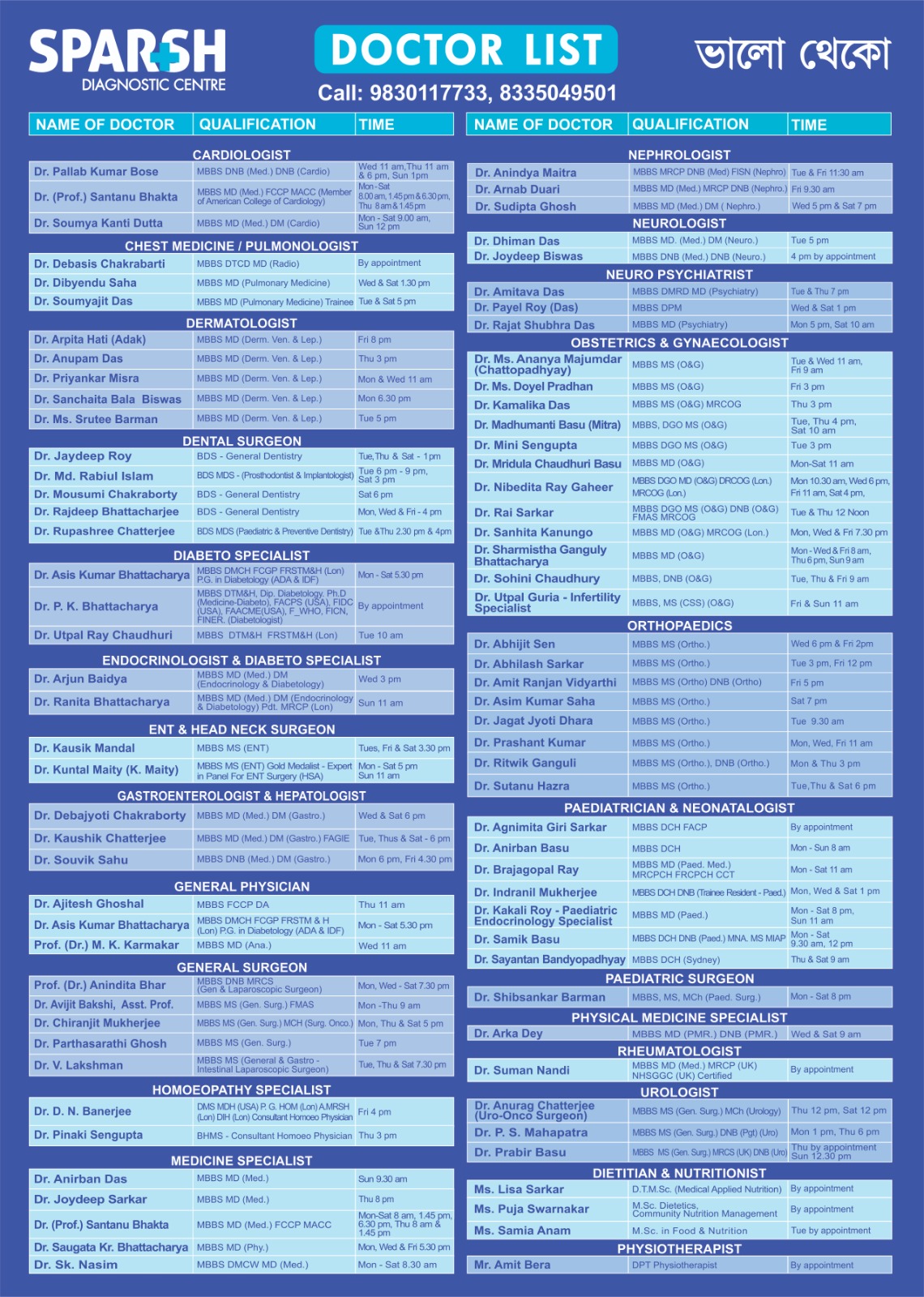
Sparsh Doctor List


[…] or systemic infections can lead to inflammation and clot formation in the splenic […]
[…] Severe systemic infections […]
[…] Bacterial and Fungal Infections: Less common but can occur in severe systemic infections. […]
[…] Some specific strains, such as Salmonella Typhi, cause typhoid fever, a more severe systemic infection. […]