


Hypothermia is a potentially life-threatening condition that occurs when the body loses heat faster than it can produce it, causing the core body temperature to drop below 35°C (95°F). Although it is commonly associated with extremely cold climates, hypothermia can occur in moderate temperatures as well—especially when a person is exposed to wind, rain, or wet clothing.
This condition affects people of all ages, but certain groups—such as infants, older adults, outdoor workers, and those with underlying medical issues—are at a higher risk. Recognizing the early signs of hypothermia is crucial because prompt action can save a life. Untreated hypothermia can lead to respiratory failure, heart rhythm disturbances, organ shutdown, and even death.
What Is Hypothermia?
Hypothermia occurs when the body’s thermoregulatory system fails to maintain its normal temperature. Normally, the human body keeps a constant internal temperature around 37°C (98.6°F). When exposed to cold conditions for too long, the body’s heat loss surpasses heat production.
Heat is lost primarily through:
Radiation
Conduction
Convection
Evaporation
If immediate steps aren’t taken to restore warmth, vital organs—including the heart and brain—begin to malfunction.
Causes of Hypothermia
1. Prolonged Exposure to Cold Weather
Remaining outside in snow, rain, or chilly winds for extended periods.
2. Immersion in Cold Water
Water extracts heat much faster than air, leading to rapid drop in body temperature.
3. Inadequate Clothing or Shelter
Improper gear significantly increases heat loss.
4. Air Conditioning Exposure
Older adults and infants may develop hypothermia indoors.
5. Alcohol or Drug Use
These substances impair the body’s natural thermoregulation.
6. Medical Conditions
Conditions such as diabetes, hypothyroidism, stroke, and dementia increase risk.
7. Trauma or Shock
Injuries and blood loss disrupt temperature regulation.
Signs and Symptoms of Hypothermia
Early Symptoms
Shivering
Cold, pale skin
Numbness in fingers and toes
Glassy stare
Confusion
Slurred speech
Poor coordination
Moderate Symptoms
Excessive or stopping of shivering
Increased confusion
Slow breathing
Severe Symptoms
Weak or no pulse
Shallow breathing
Unconsciousness
Dilated pupils
Stiff muscles

Stages of Hypothermia
1. Mild Hypothermia (32–35°C)
Shivering
Numbness
Rapid breathing
2. Moderate Hypothermia (28–32°C)
Confusion
Slurred speech
Slow heart rate
3. Severe Hypothermia (Below 28°C)
Unconsciousness
Risk Factors for Hypothermia
Infants and young children
Elderly adults
Outdoor workers
Hikers, trekkers, and swimmers
People with chronic diseases
Individuals consuming alcohol
Homeless persons
Diagnosis of Hypothermia
1. Physical Examination
Doctors evaluate mental status, breathing, and skin temperature.
2. Core Temperature Measurement
Rectal temperature is most accurate.
3. Blood Tests
Used to assess electrolyte imbalance and glucose levels.
4. ECG
Monitors abnormal heart rhythms associated with hypothermia.
Treatment of Hypothermia
Emergency First Aid
Move the person to a warm environment
Remove wet clothing
Wrap them in blankets
Use warm compresses on chest, neck, and groin
Provide warm drinks (if conscious)
Medical Treatment
Passive Rewarming
Blankets and warm clothing to support natural heat generation.
Active External Rewarming
Heating blankets, radiant warmers, warm air blowers.
Active Internal Rewarming
Warm IV fluids, airway rewarming, dialysis-based warming.
Doctors must monitor the patient closely to prevent complications like arrhythmias.
Complications of Hypothermia
Frostbite
Heart rhythm problems
Memory impairment
Muscle breakdown
Death
Prevention of Hypothermia
1. Dress in Layers
Wear thermal innerwear, gloves, socks, and jackets.
2. Avoid Getting Wet
Stay dry and avoid sweating in cold weather.
3. Limit Exposure
Reduce time outdoors during severe cold or wind.
4. Keep Indoor Spaces Warm
Especially for infants and older adults.
5. Avoid Alcohol
Alcohol increases heat loss.
6. Eat Well
Maintain good nutrition and energy levels.
7. Prepare for Outdoor Activities
Carry emergency supplies like blankets and heat packs.
8. Monitor Vulnerable Individuals
Ensure that children and elderly adults are dressed warmly.
Hypothermia in Infants and Elderly Adults
Infants
Cannot regulate body temperature well
Show fewer signs like shivering
Warning signs include low energy, bright red cold skin, weak crying
Elderly Adults
Reduced metabolism
May not feel cold easily
Higher risk from inadequate heating or poor diet
When to Seek Medical Attention
Seek emergency help if someone has:
Slowed breathing
Sudden confusion
Unconsciousness
Stiff muscles
Cold, blue skin
Stopped shivering
Immediate attention is crucial to avoid fatal outcomes.
FAQs on Hypothermia
1. Can hypothermia happen indoors?
Yes, especially among older adults exposed to cold environments for long periods.
2. How quickly does hypothermia occur?
It can start within minutes in cold water or develop over hours in cold air.
3. Is shivering always a sign of hypothermia?
Shivering is an early indicator that the body is losing heat rapidly.
4. What should not be done in hypothermia first aid?
Avoid rubbing arms/legs, using hot water directly, or giving alcohol.
5. Can hypothermia cause long-term damage?
Severe hypothermia may lead to brain damage, heart problems, or memory loss.
6. Who is most at risk?
Infants, elderly adults, people with chronic diseases, and those using alcohol.
7. Can hypothermia occur in India?
Yes. It is common in hill stations, winter seasons, flooded areas, and poorly heated homes.
8. What differentiates frostbite from hypothermia?
Frostbite affects local tissues; hypothermia affects the entire body.
Hypothermia is a preventable yet dangerous condition. Recognising the early warning signs—such as shivering, numbness, confusion, and slowed breathing—is crucial. Quick intervention and proper rewarming methods can save lives. Staying dressed appropriately, avoiding alcohol in cold environments, and keeping vulnerable individuals safe are essential preventive steps.
#BhaloTheko
Disclaimer:
No content on this site, regardless of date, should ever be used as a substitute for direct medical advice from your doctor or other qualified clinician.
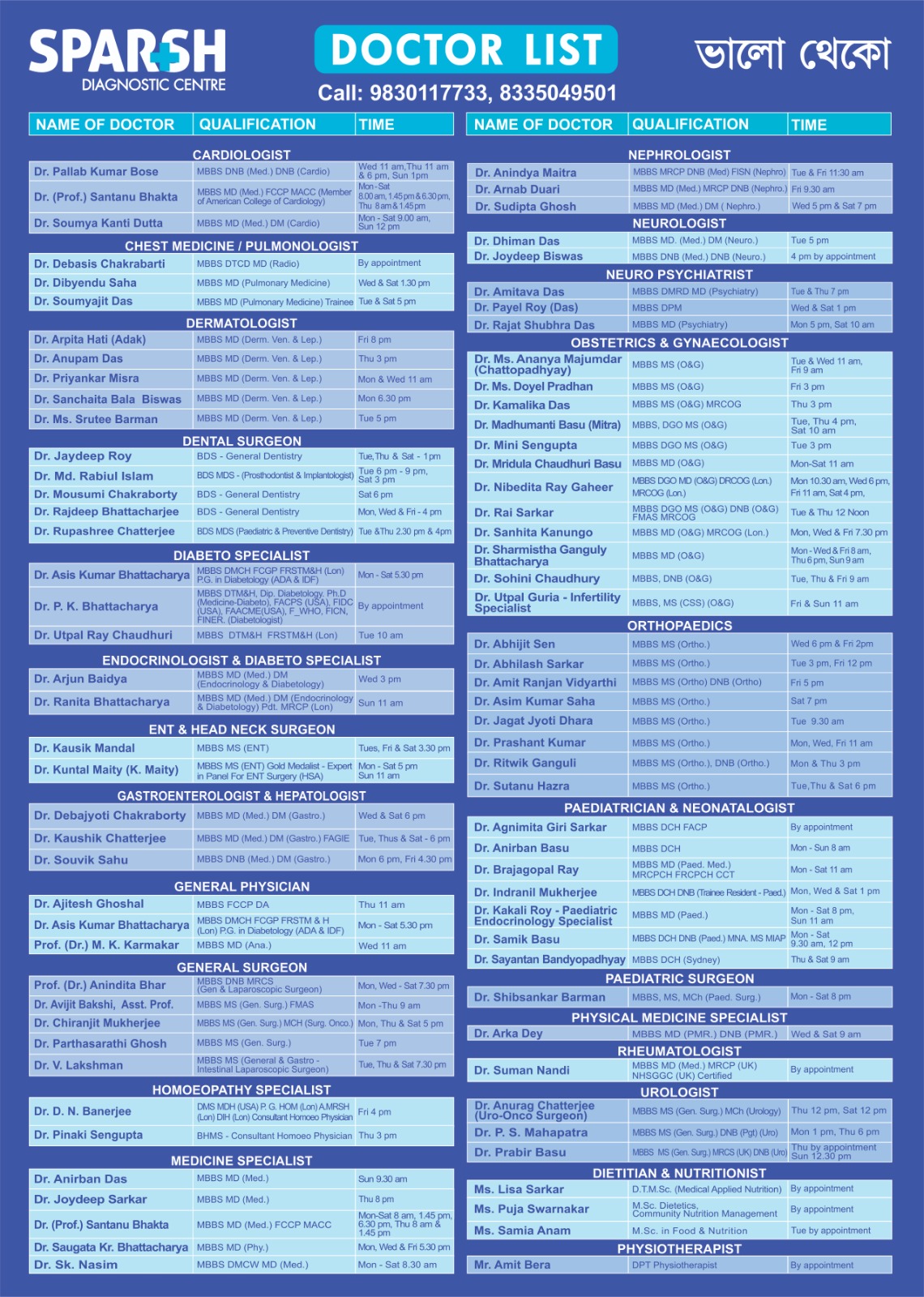
Sparsh Doctor List


[…] Fever or hypothermia […]
[…] Hypothermia […]
[…] or Hypothermia: A high fever (above 101°F) or abnormally low body temperature (below […]
[…] Hypothermia due to insufficient body fat […]