Hypoalbuminemia is a medical condition characterized by low levels of albumin in the blood. Albumin is a vital protein produced by the liver and plays a crucial role in maintaining fluid balance, transporting hormones and medications, supporting immune function, and preventing abnormal blood clotting. When albumin levels fall below normal, it can lead to edema, infections, blood clots, and metabolic disturbances, making early diagnosis and management essential.
Hypoalbuminemia is not a disease by itself but often a marker of an underlying health condition, such as liver disease, kidney disorders, malnutrition, or chronic inflammation. Understanding its causes, symptoms, and treatment options can help prevent serious complications.
What Is Albumin?
Albumin is the most abundant protein in human plasma, accounting for nearly 60% of total blood protein. It is synthesized in the liver at a rate of approximately 10–15 grams per day.
Key Functions of Albumin
Maintains oncotic pressure, preventing fluid leakage from blood vessels
Transports hormones, fatty acids, bilirubin, drugs, and electrolytes
Acts as an antioxidant
Supports immune system function
Helps regulate blood clotting mechanisms
Normal Albumin Levels
Normal range: 3.5–5.0 g/dL
Hypoalbuminemia: < 3.5 g/dL
Severe hypoalbuminemia: < 2.5 g/dL
What Is Hypoalbuminemia?
Hypoalbuminemia refers to a decreased concentration of albumin in the blood, resulting from either:
Reduced albumin production
Increased albumin loss
Increased albumin breakdown
Dilution of albumin due to excess body fluids
It is commonly seen in hospitalized patients and those with chronic illnesses.
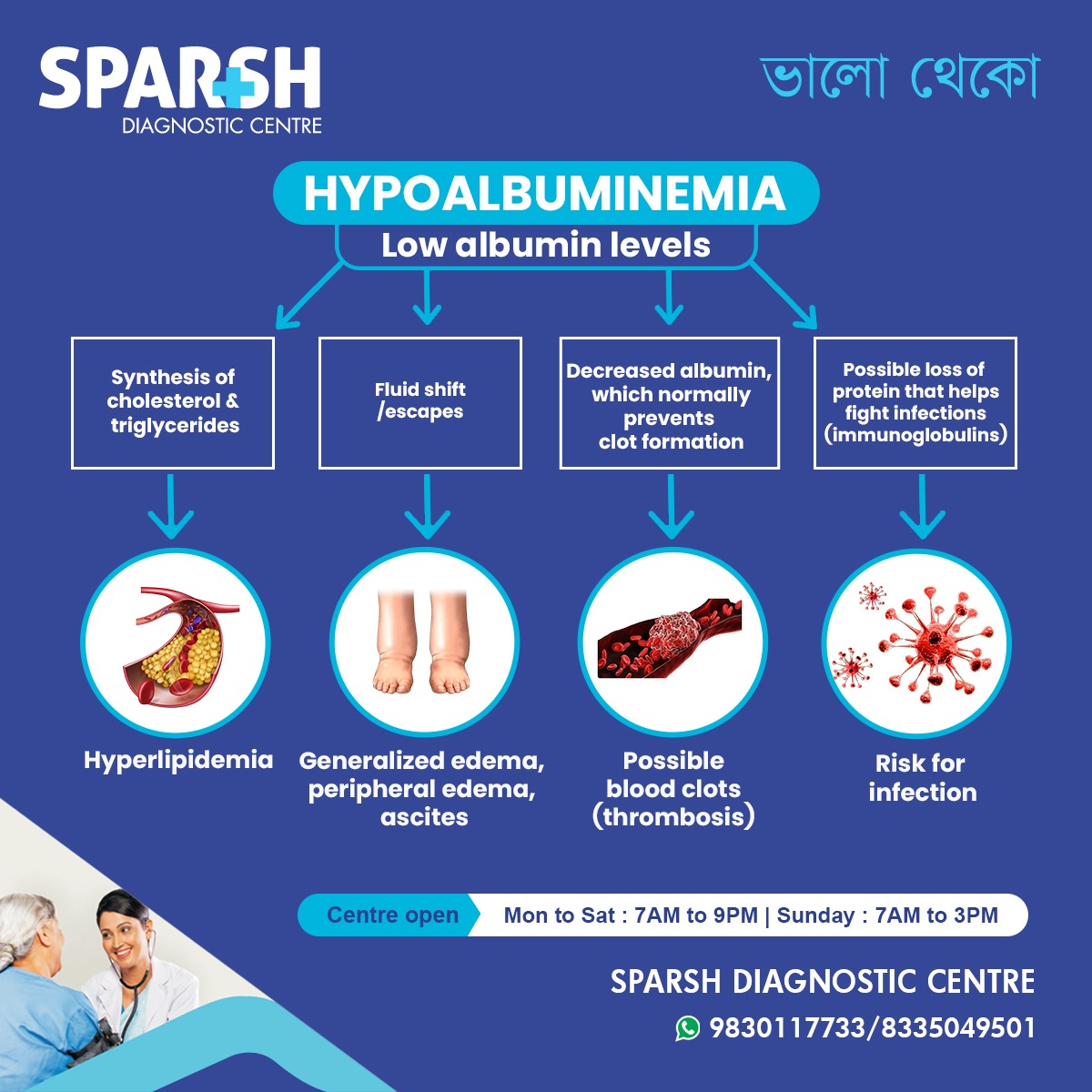
Causes of Hypoalbuminemia
1. Liver Diseases
Since albumin is produced in the liver, liver dysfunction directly affects albumin synthesis.
2. Kidney Disorders
In certain kidney conditions, albumin is lost through urine.
3. Malnutrition and Poor Protein Intake
Protein-energy malnutrition
Elderly patients with poor dietary intake
Chronic alcoholism
4. Gastrointestinal Protein Loss
Protein-losing enteropathy
5. Chronic Inflammation and Infection
6. Burns and Trauma
Severe burns
Major surgeries
Extensive tissue injury
7. Heart Failure
Fluid overload causes dilutional hypoalbuminemia
Pathophysiology of Hypoalbuminemia
Low albumin levels lead to multiple systemic effects:
1. Fluid Shift and Edema
Albumin maintains oncotic pressure. When levels fall:
Fluid leaks into tissues
Causes peripheral edema, facial puffiness, ascites, and pleural effusion
2. Hyperlipidemia
Low albumin stimulates increased lipid synthesis, leading to:
3. Increased Risk of Blood Clots
Albumin normally inhibits clot formation. Reduced levels increase:
Risk of thrombosis
4. Reduced Immunity
Loss of immunoglobulins and transport proteins results in:
Increased susceptibility to infections
Symptoms of Hypoalbuminemia
Symptoms vary depending on severity and underlying cause.
Common Symptoms
Swelling of feet, ankles, face, or abdomen
Fatigue and weakness
Weight gain due to fluid retention
Poor wound healing
Severe Symptoms
Recurrent infections
Blood clots
Muscle wasting
Complications of Hypoalbuminemia
If untreated, hypoalbuminemia can lead to:
Chronic edema
Recurrent infections
Thromboembolic events
Delayed recovery from illness or surgery
Increased hospital stay and mortality
Diagnosis of Hypoalbuminemia
1. Blood Tests
Serum albumin test (primary diagnostic test)
Total protein and globulin levels
2. Urine Tests
Urine albumin
24-hour urine protein
3. Imaging Studies
4. Additional Tests
Nutritional assessment
Stool studies (for protein loss)
Treatment of Hypoalbuminemia
Treatment focuses on addressing the underlying cause rather than just increasing albumin levels.
1. Treat Underlying Disease
Liver disease management
Kidney disease treatment
Control infections or inflammation
2. Nutritional Support
High-protein diet (eggs, dairy, pulses, lean meat)
Oral protein supplements
Enteral or parenteral nutrition if needed
3. Albumin Infusion
Used in selected cases:
Severe hypoalbuminemia
Liver cirrhosis with ascites
Nephrotic syndrome
Shock or sepsis
4. Fluid Management
Diuretics (with caution)
Salt restriction
Diet for Hypoalbuminemia
Protein-Rich Foods
Eggs
Milk and dairy products
Pulses and legumes
Soy products
Fish and chicken
Nuts and seeds
Additional Nutritional Tips
Small, frequent meals
Adequate calorie intake
Vitamin and mineral supplementation if deficient
Prevention of Hypoalbuminemia
Early treatment of liver and kidney diseases
Balanced, protein-rich diet
Regular health checkups
Timely diagnosis of chronic illnesses
Avoid excessive alcohol intake
Prognosis
The outlook of hypoalbuminemia depends on:
Severity of albumin deficiency
Underlying cause
Patient’s nutritional status
Timeliness of treatment
Early diagnosis and appropriate management significantly improve outcomes.
When to See a Doctor
Seek medical attention if you experience:
Persistent swelling
Unexplained weight gain
Fatigue with edema
Recurrent infections
Known liver or kidney disease with worsening symptoms
Frequently Asked Questions (FAQs)
1. What is the most common cause of hypoalbuminemia?
Liver disease and kidney disease are the most common causes, followed by malnutrition and chronic inflammation.
2. Is hypoalbuminemia life-threatening?
It can be serious if untreated, especially when associated with severe liver disease, infections, or blood clots.
3. Can hypoalbuminemia be reversed?
Yes, in many cases, albumin levels improve once the underlying cause is treated and proper nutrition is restored.
4. What foods increase albumin levels?
Protein-rich foods such as eggs, milk, pulses, lean meat, fish, and soy products help raise albumin levels.
5. Does low albumin cause swelling?
Yes, low albumin leads to fluid leakage into tissues, causing edema and ascites.
6. How is hypoalbuminemia diagnosed?
It is diagnosed through a blood test measuring serum albumin levels.
7. Is albumin infusion safe?
Albumin infusion is safe when used appropriately under medical supervision but is not required in all cases.
8. Can kidney disease cause low albumin?
Yes, kidney disorders like nephrotic syndrome cause albumin loss through urine.
9. What is a dangerously low albumin level?
Albumin levels below 2.5 g/dL are considered severe and require urgent medical attention.
10. How often should albumin levels be checked?
Patients with chronic illness should monitor albumin levels as advised by their doctor.
Hypoalbuminemia is a significant clinical condition that reflects underlying systemic disease or nutritional deficiency. Early detection through routine blood tests, combined with targeted treatment and dietary support, can prevent serious complications. If you experience symptoms such as swelling, fatigue, or recurrent infections, timely evaluation at a reliable diagnostic centre is crucial.
#BhaloTheko
Disclaimer:
No content on this site, regardless of date, should ever be used as a substitute for direct medical advice from your doctor or other qualified clinician.

Sparsh Diagnostic Centre Doctor List