Swollen feet after a long day? Ankles leaving sock marks that weren’t there in the morning? Rings suddenly feeling tight?
You might be dealing with peripheral edema.
While mild swelling can be harmless and temporary, persistent or worsening edema can signal an underlying medical issue. Understanding what’s normal, what’s not, and when to seek help can make all the difference.
Let’s break it down in simple, practical terms.
What Is Peripheral Edema?
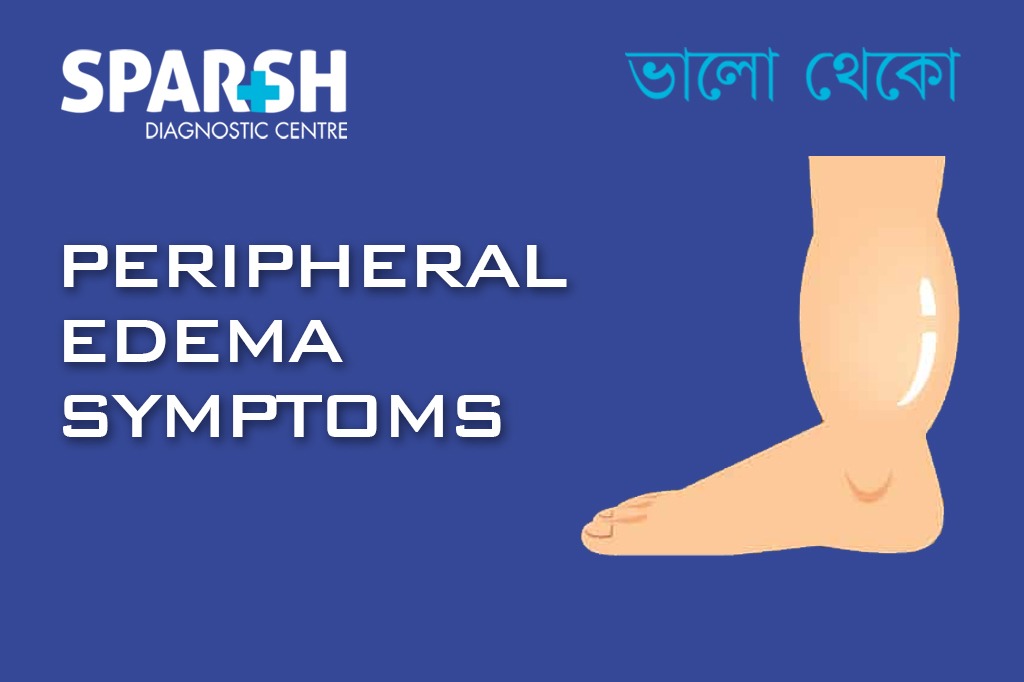
Peripheral edema refers to swelling in the lower limbs — most commonly the feet, ankles, and legs — but it can also affect the hands and arms. The word “peripheral” simply means the outer parts of the body.
This swelling happens when excess fluid builds up in the tissues. Instead of staying inside blood vessels, fluid leaks into surrounding tissues, causing puffiness, tightness, and sometimes pain.
In many cases, it’s temporary. In others, it may point to issues involving the heart, kidneys, liver, or veins.

Why Does Peripheral Edema Happen?
To understand edema, think of your circulatory system as a carefully balanced plumbing network.
Blood carries nutrients and oxygen through arteries. Veins return blood to the heart. Meanwhile, tiny blood vessels (capillaries) allow fluid to move in and out of tissues. When this balance is disturbed, fluid accumulates.
Here are the most common causes:
1. Prolonged Standing or Sitting
Gravity pulls fluid downward. If you sit or stand for long hours — especially without movement — fluid can collect in the legs and ankles.
This is common during:
Long flights
Desk jobs
Extended travel
Pregnancy
2. Venous Insufficiency
When leg veins struggle to push blood back toward the heart, pressure builds up. This forces fluid into surrounding tissues.
Signs often include:
Swelling worse at the end of the day
Skin discoloration around ankles
3. Heart Conditions
If the heart isn’t pumping efficiently (such as in heart failure), blood can back up in the veins. This increases pressure and leads to fluid leakage into tissues.
Swelling in both legs, especially along with breathlessness, needs prompt evaluation.
4. Kidney Problems
Kidneys regulate fluid and salt balance. When they aren’t functioning properly, the body retains excess fluid.
Swelling may appear in:
Legs
Hands
Face (especially around the eyes)
5. Liver Disease
Liver problems can reduce protein levels in the blood. Protein helps keep fluid inside blood vessels. When protein drops, fluid leaks out into tissues.
6. Medications
Certain medications may cause fluid retention, including:
Blood pressure medications (like calcium channel blockers)
Steroids
Hormonal therapies
Some diabetes drugs
7. Pregnancy
Mild swelling is common in pregnancy due to hormonal changes and increased blood volume. However, sudden or severe swelling — especially with high blood pressure — may signal preeclampsia.
8. Injury or Infection
Swelling in one limb may result from:
Sprains or fractures
Infections
Deep vein thrombosis (DVT), which requires urgent care
Signs and Symptoms of Peripheral Edema
Peripheral edema doesn’t always hurt. Sometimes it’s simply noticeable swelling.
Common symptoms include:
Puffiness in feet, ankles, or hands
Tight or shiny skin
Indentation when you press on the swollen area (called pitting edema)
Heavy or full sensation in limbs
Reduced flexibility or joint stiffness
Shoes, socks, or jewelry feeling tight
Skin warmth or mild tenderness
If swelling appears suddenly, worsens quickly, or is accompanied by chest pain or shortness of breath, seek immediate medical attention.
Pitting vs. Non-Pitting Edema
Doctors often check swelling by pressing a finger into the skin.
Pitting Edema
A dent remains after pressure is applied. This often occurs in:
Heart failure
Venous insufficiency
Non-Pitting Edema
Skin does not leave a dent. This may occur in:
The distinction helps guide diagnosis.
When Should You Be Concerned?
Mild swelling after standing all day is usually not alarming.
However, seek medical evaluation if:
Swelling is sudden or severe
Only one leg is swollen and painful
You experience breathlessness
Skin becomes red, hot, or tender
Swelling persists for several days
You have known heart, kidney, or liver disease
Early assessment prevents complications.
How Is Peripheral Edema Diagnosed?
A doctor will start with:
1. Medical History
Questions about:
Duration of swelling
Medication use
Recent travel
Pregnancy
Existing medical conditions
2. Physical Examination
They’ll examine:
Location of swelling
Skin texture
Presence of pitting
Signs of vein problems
3. Diagnostic Tests
Depending on suspicion, tests may include:
Blood tests (kidney, liver, thyroid function)
Urine analysis
Diagnosis focuses on identifying the root cause.
Treatment of Peripheral Edema
Treatment depends entirely on the underlying cause.
1. Lifestyle Adjustments
For mild cases:
Elevate legs above heart level
Avoid prolonged sitting or standing
Engage in regular walking
Reduce salt intake
Maintain healthy body weight
Simple habits can significantly reduce swelling.
2. Compression Therapy
Compression stockings improve circulation and prevent fluid pooling.
They’re particularly helpful in:
Venous insufficiency
Chronic leg swelling
Post-surgical recovery
Always consult a healthcare professional before use if you have arterial disease.
3. Medications
Doctors may prescribe:
Diuretics (water pills) – Help eliminate excess fluid
Medication adjustments if swelling is drug-induced
Treatment for heart, kidney, or liver conditions
Never self-medicate with diuretics without medical supervision.
4. Treating Underlying Conditions
Managing:
Heart disease
Kidney disorders
Liver disease
Thyroid imbalances
Blood clots
Addressing the cause resolves the symptom.
Home Remedies That Can Help
While medical care is essential when needed, supportive measures can help:
Gentle ankle rotations and calf exercises
Staying hydrated (ironically, dehydration can worsen retention)
Reducing processed food intake
Wearing comfortable footwear
Sleeping with legs slightly elevated
These won’t cure underlying disease but may reduce discomfort.
Complications of Untreated Peripheral Edema
Persistent swelling can lead to:
Skin breakdown
Infections (cellulitis)
Ulcers
Reduced mobility
Increased risk of blood clots
That’s why ongoing swelling should never be ignored.
Peripheral Edema in Older Adults
Swelling is more common with age due to:
Reduced vein elasticity
Decreased mobility
Higher medication use
Chronic diseases
In elderly individuals, edema should always be evaluated carefully.
Peripheral Edema vs. Lymphedema
Though similar in appearance, they differ:
| Peripheral Edema | Lymphedema |
|---|---|
| Often pitting | Usually non-pitting |
| Related to fluid overload | Caused by lymphatic blockage |
| May affect both legs | Often one limb |
| Improves with elevation | May persist despite elevation |
Correct diagnosis ensures proper treatment.
Can Peripheral Edema Be Prevented?
Not always — but risk can be reduced.
Preventive tips:
Stay active
Avoid sitting cross-legged for long periods
Limit salt intake
Control blood pressure
Manage diabetes
Follow prescribed treatments
Attend regular health check-ups
Prevention largely depends on managing underlying health conditions.
Living with Peripheral Edema
For chronic cases, management becomes part of daily life.
Helpful habits include:
Daily leg elevation
Wearing compression stockings consistently
Monitoring weight changes
Tracking swelling patterns
Reporting sudden changes promptly
Staying proactive improves comfort and prevents complications.
Frequently Asked Questions (FAQ)
1. Is peripheral edema dangerous?
It can be harmless if caused by prolonged standing or pregnancy. However, it may signal serious conditions like heart, kidney, or liver disease. Persistent or sudden swelling requires medical evaluation.
2. How long does peripheral edema last?
Temporary swelling may resolve within hours or days. Chronic edema may persist until the underlying cause is treated.
3. Can dehydration cause edema?
Yes. When dehydrated, the body may retain fluid as a protective response, leading to swelling.
4. What foods should I avoid with edema?
Limit:
High-sodium foods
Processed snacks
Canned soups
Fast food
Packaged meals
Excess salt promotes fluid retention.
5. Does drinking more water help edema?
In many cases, yes. Adequate hydration supports kidney function and reduces fluid retention caused by salt imbalance.
6. Is walking good for swollen legs?
Absolutely. Walking activates calf muscles, which act as a pump to push blood back toward the heart.
7. When should I go to the emergency room?
Seek urgent care if swelling is accompanied by:
Chest pain
Shortness of breath
Sudden one-sided leg swelling
Severe pain
Redness and warmth
These may indicate blood clots or heart complications.
8. Can peripheral edema go away on its own?
Yes, if caused by temporary factors like prolonged standing. But chronic or unexplained swelling should be evaluated.
Final Thoughts
Peripheral edema is more than just swollen feet. It’s a signal — sometimes minor, sometimes serious — that your body’s fluid balance needs attention.
The key is awareness.
If swelling is occasional and mild, simple lifestyle adjustments may help. But if it’s persistent, painful, or associated with other symptoms, don’t ignore it. Early diagnosis leads to better outcomes.
Your body always communicates. Swelling is one of its ways of asking for care.
To consult a Doctor at Sparsh Diagnostic Centre, call our helpline numbers 9830117733/8335049501.
#BhaloTheko
Disclaimer:
No content on this site, regardless of date, should ever be used as a substitute for direct medical advice from your doctor or other qualified clinician.