Food poisoning is often blamed on common bacteria like Salmonella or E. coli, but Yersinia enterocolitica is another important bacterial pathogen that deserves attention. Although less common than other foodborne infections, it can cause significant gastrointestinal illness, particularly in children. In some cases, the infection closely mimics acute appendicitis, leading to unnecessary surgical procedures.
The good news is that most people recover completely with supportive care. However, severe infections, complications, or infections in people with weakened immune systems may require prompt medical attention and antibiotic treatment.
In this comprehensive guide, we’ll explain everything you need to know about Yersinia enterocolitica, including symptoms, causes, diagnosis, treatment, prevention, long-term effects, and frequently asked questions.
What is Yersinia Enterocolitica?
Yersinia enterocolitica is a Gram-negative bacterium that causes yersiniosis, an infection affecting the digestive tract. It belongs to the Yersinia genus, which also includes Yersinia pestis, the bacterium responsible for plague. Fortunately, Yersinia enterocolitica causes a much milder illness.
The bacteria infect the small intestine and nearby lymph nodes, producing symptoms ranging from mild diarrhea to severe abdominal pain that can resemble appendicitis.
The organism thrives in cooler temperatures and is unusual because it can continue growing even under refrigeration, making contaminated refrigerated food a potential source of infection.
What Does Yersinia Enterocolitica Cause?
Yersinia enterocolitica causes yersiniosis, a bacterial infection that primarily affects the gastrointestinal tract.
Common illnesses include:
- Gastroenteritis
- Enterocolitis
- Acute diarrhea
- Mesenteric lymphadenitis
- Terminal ileitis
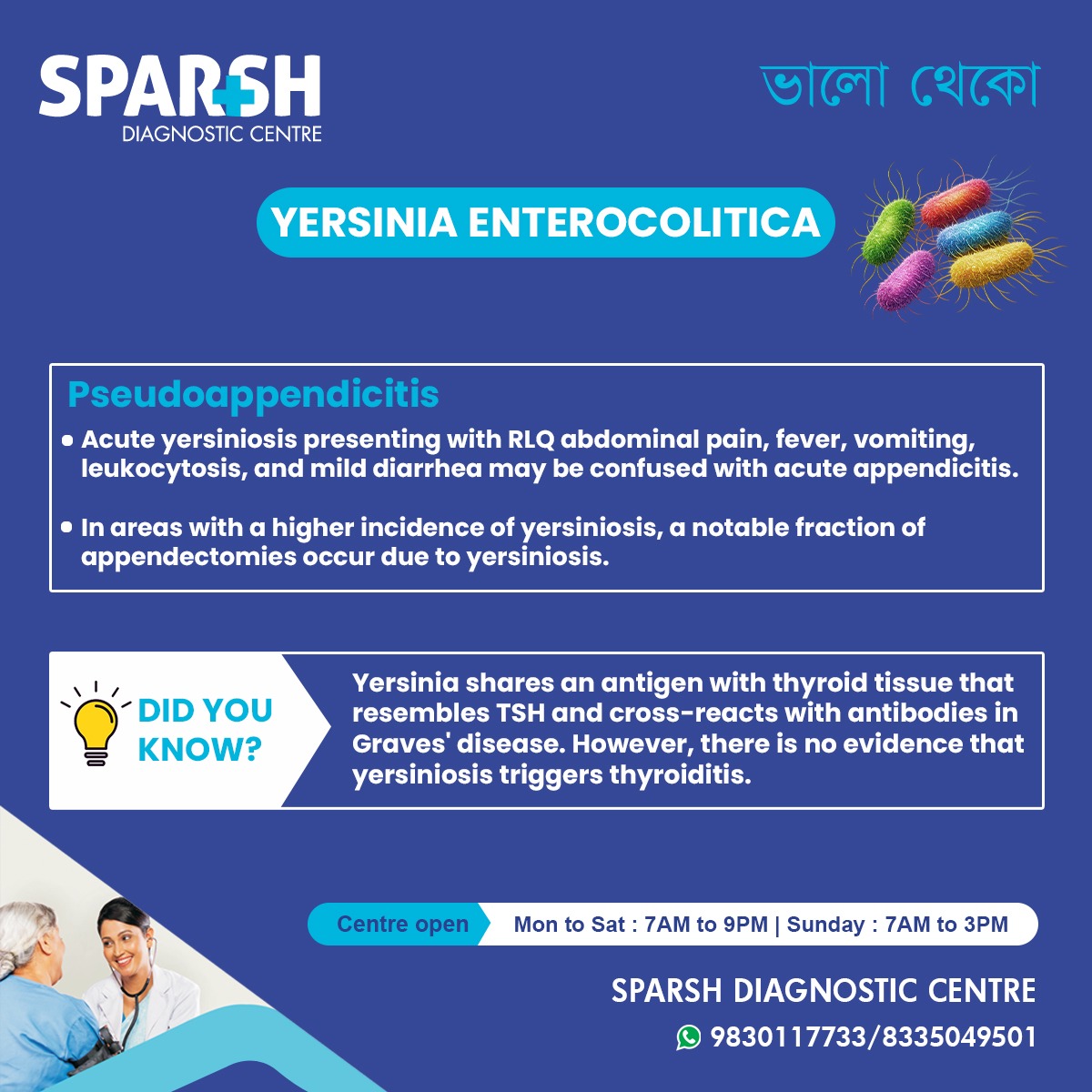
- Pseudoappendicitis
In severe cases, especially in immunocompromised individuals, the bacteria may spread into the bloodstream and cause systemic infection.
What is the Cause of Yersinia Enterocolitica?
The infection occurs after swallowing food or water contaminated with Yersinia enterocolitica bacteria.
The bacteria commonly originate from infected animals, especially pigs, which serve as the primary reservoir.
Other causes include:
- Eating contaminated pork products
- Drinking contaminated water
- Consuming unpasteurised milk
- Cross-contamination during food preparation
- Rarely, blood transfusion from infected donors
Poor food handling practices increase the likelihood of infection.
How is Yersinia Transmitted?
Transmission mainly occurs through the faecal-oral route.
Common routes include:
- Eating undercooked pork
- Consuming contaminated food
- Drinking untreated water
- Unpasteurised milk
- Poor kitchen hygiene
- Contact with infected animals
- Person-to-person spread through poor hand hygiene (less common)
Proper food safety practices significantly reduce the risk.
What Foods Are Associated with Yersinia Enterocolitica?
Several foods have been linked to outbreaks of yersiniosis.
High-risk foods include:
- Raw or undercooked pork
- Pork intestines (chitterlings)
- Unpasteurised milk
- Soft cheeses made from raw milk
- Contaminated tofu
- Raw vegetables contaminated during handling
- Untreated drinking water
Cross-contamination between raw meat and ready-to-eat foods is another important source.
Who is Most at Risk for Yersinia Infection?
Although anyone can become infected, certain groups face a higher risk.
These include:
Young children
Children under five years are the most commonly affected group.
Older adults
Reduced immunity increases susceptibility.
People with weakened immune systems
Including those with:
- HIV/AIDS
- Cancer
- Organ transplants
- Chemotherapy
- Long-term steroid therapy
Individuals with iron overload
People with haemochromatosis or those receiving iron therapy may develop more severe infections.
Food handlers
Improper hygiene increases occupational exposure.
How Rare is Yersinia Enterocolitica?
Yersiniosis is considered relatively uncommon compared with infections caused by Salmonella or Campylobacter.
However, the disease is likely underdiagnosed because:
- Symptoms resemble viral gastroenteritis
- Mild infections often go untested
- Special laboratory techniques may be required
In many countries, only several thousand confirmed cases are reported annually, although the true number is likely much higher.
Symptoms of Yersinia Enterocolitica
Symptoms usually appear 4–7 days after exposure, although the incubation period may range from 1 to 14 days.
Adults commonly experience:
- Fever
- Diarrhea
- Bloody diarrhea (occasionally)
- Severe abdominal pain
- Nausea
- Vomiting
- Loss of appetite
- Fatigue
Children often develop:
- Fever
- Watery diarrhoea
- Vomiting
- Abdominal cramps
- Dehydration
What are the Symptoms of Yersinia in Adults?
Adults frequently experience pain in the lower right side of the abdomen, making the illness resemble appendicitis.
Symptoms include:
- Persistent abdominal pain
- Fever
- Diarrhoea
- Bloody stools
- Nausea
- Vomiting
- Joint pain after recovery
- General weakness
Pseudoappendicitis: Why Yersinia Can Mimic Appendicitis
One of the unique features of Yersinia enterocolitica infection is pseudoappendicitis.
The bacteria infect lymph nodes near the appendix, producing:
- Right lower abdominal pain
- Fever
- Elevated white blood cell count
- Tenderness
Because these findings closely resemble appendicitis, some patients undergo surgery before the correct diagnosis is established.
Doctors often use imaging studies and laboratory testing to distinguish between the two conditions.
How Long Do Symptoms Last?
The duration varies depending on the severity.
Typical timeline:
- Mild illness: 5–7 days
- Moderate illness: 1–3 weeks
- Severe diarrhoea: Up to 4 weeks
Some people continue experiencing fatigue or bowel disturbances for several weeks after recovery.
What is the Duration of the Symptoms of Yersinia Enterocolitica?
Most patients improve within:
- One week for uncomplicated illness
- Two to three weeks if diarrhoea is severe
- Several months for reactive arthritis in rare cases
Persistent symptoms warrant further medical evaluation.
How to Test for Yersinia Enterocolitica?
Diagnosis involves combining symptoms, examination, and laboratory investigations.
Common tests include:
Stool Culture
This remains the standard diagnostic test.
The laboratory attempts to grow the bacteria from a stool sample using specialised media.
Stool PCR Testing
Many modern laboratories now perform multiplex gastrointestinal PCR panels that rapidly detect Yersinia enterocolitica.
Blood Tests
Doctors may order:
Imaging
Ultrasound or CT scan may be required when appendicitis cannot be ruled out.
What is a Yersinia Stool Culture?
A Yersinia stool culture is a laboratory test that identifies the bacterium in a stool sample.
The sample is placed on special culture media that encourage bacterial growth.
The test helps:
- Confirm infection
- Differentiate Yersinia from other causes of diarrhea
- Guide antibiotic treatment when necessary
Although highly useful, PCR testing is increasingly replacing traditional cultures because it provides faster results.
Treatment for Yersinia Enterocolitica
Fortunately, most infections resolve without antibiotics.
Supportive Treatment
The mainstay of treatment includes:
- Drinking plenty of fluids
- Oral rehydration solution
- Rest
- Light meals
- Electrolyte replacement
Antibiotics
Doctors prescribe antibiotics only when necessary, including:
- Severe disease
- Bloodstream infection
- Immunocompromised patients
- Elderly patients with complications
Antibiotics that may be used include:
- Ciprofloxacin
- Trimethoprim-sulfamethoxazole
- Doxycycline (adults)
- Third-generation cephalosporins
Antibiotic selection depends on age, medical history, and susceptibility testing.
What is the Treatment for Yersinia Enterocolitica?
Treatment depends on disease severity.
Mild infections
- Hydration
- Rest
- Symptom control
Moderate infections
- Medical evaluation
- Stool testing
- Monitoring
Severe infections
- Hospitalisation if needed
- Intravenous fluids
- Antibiotics
- Monitoring for complications
How to Treat Yersinia Enterocolitica Naturally
Many people ask about natural treatment.
While no natural remedy kills the bacteria, supportive care helps recovery.
Helpful measures include:
- Staying well hydrated
- Eating bland foods
- Getting adequate sleep
- Avoiding alcohol
- Avoiding spicy foods during recovery
- Taking probiotics after discussing them with a healthcare provider
Natural remedies should never replace medical care in severe illness.
Seek medical attention immediately if symptoms worsen.
Does Yersinia Go Away on Its Own?
Yes.
Most healthy people recover without antibiotics.
The immune system usually clears the infection within one to three weeks.
Medical care is recommended if:
- Fever remains high
- Bloody diarrhoea develops
- Symptoms persist
- Dehydration occurs
- Severe abdominal pain develops
Will Yersinia Enterocolitica Go Away?
In the majority of healthy adults and children, Yersinia enterocolitica infection resolves completely.
Complete recovery may take:
- One week for mild illness
- Several weeks for more severe infections
Rare complications may prolong recovery.
Long-Term Effects of Yersinia
Although uncommon, complications can occur.
Possible long-term effects include:
Reactive Arthritis
Joint inflammation developing several weeks after infection.
Erythema Nodosum
Painful red skin nodules, particularly on the legs.
Irritable Bowel Syndrome
Some patients report prolonged bowel symptoms.
Bloodstream Infection
Rare but serious, especially in immunocompromised individuals.
Autoimmune Associations
Researchers have observed cross-reactivity between Yersinia antigens and thyroid tissue. The bacterium shares antigenic similarities with structures resembling the thyroid-stimulating hormone (TSH) receptor, and antibodies in some people with Graves’ disease may react with these bacterial antigens. However, current evidence does not show that Yersinia infection directly causes thyroiditis or Graves’ disease.
How Can You Prevent Yersinia Infection?
Simple food safety measures greatly reduce the risk.
Recommendations include:
- Cook pork thoroughly
- Avoid raw pork products
- Drink pasteurised milk
- Wash vegetables
- Wash hands before eating
- Prevent cross-contamination
- Refrigerate foods properly
- Wash hands after handling animals
Is Yersinia a Notifiable Disease?
This depends on the country.
In many countries, including Australia, the United Kingdom, and several European nations, laboratory-confirmed yersiniosis is a notifiable disease, meaning healthcare providers or laboratories must report cases to public health authorities for surveillance and outbreak monitoring.
Reporting requirements vary between countries and, in some cases, between states or regions. If you are unsure about local regulations, your healthcare provider or public health department can advise you.
When Should You See a Doctor?
Seek medical care if you experience:
- Severe abdominal pain
- Persistent high fever
- Bloody diarrhoea
- Signs of dehydration
- Symptoms lasting longer than one week
- Symptoms in infants, older adults, or immunocompromised individuals
Early diagnosis can help prevent complications and avoid unnecessary surgery when appendicitis is suspected.
Frequently Asked Questions (FAQs)
1. What does Yersinia enterocolitica cause?
It causes yersiniosis, a bacterial infection that affects the intestines and may lead to diarrhoea, fever, abdominal pain, mesenteric lymphadenitis, and pseudoappendicitis.
2. Does Yersinia go away on its own?
Yes. Most healthy individuals recover without antibiotics within one to three weeks.
3. What foods are associated with Yersinia enterocolitica?
Undercooked pork, pork intestines, unpasteurised milk, contaminated water, raw vegetables, and foods contaminated during preparation are the most common sources.
4. Who is most at risk for Yersinia infection?
Young children, older adults, people with weakened immune systems, individuals with iron overload disorders, and those exposed to contaminated food or animals are at greater risk.
5. Is Yersinia a notifiable disease?
In many countries, laboratory-confirmed yersiniosis is a notifiable disease. Reporting rules vary by jurisdiction.
6. What is the treatment for Yersinia enterocolitica?
Most cases require hydration, rest, and supportive care. Antibiotics are reserved for severe infections, bloodstream infections, or people at high risk of complications.
7. How is Yersinia transmitted?
The bacteria spread mainly through the faecal-oral route by eating contaminated food, especially undercooked pork, drinking contaminated water, consuming unpasteurised milk, or through poor hand hygiene.
8. What are the long-term effects of Yersinia?
Most people recover fully. Rare complications include reactive arthritis, erythema nodosum, post-infectious bowel symptoms, and bloodstream infection in vulnerable individuals.
9. How do you test for Yersinia enterocolitica?
Diagnosis is usually made with a stool culture or stool PCR test. Blood tests and imaging may also be used when complications or appendicitis are suspected.
10. What is the duration of the symptoms of Yersinia enterocolitica?
Symptoms usually last from one to three weeks, although some people experience lingering fatigue or joint pain for longer.
11. How do you treat Yersinia enterocolitica naturally?
Supportive measures such as staying hydrated, eating bland foods, resting, and gradually returning to a normal diet can aid recovery. Natural remedies should not replace medical care when symptoms are severe.
12. Will Yersinia enterocolitica go away?
Yes. Most infections resolve completely without antibiotics, although severe cases require medical treatment.
13. What is the cause of Yersinia enterocolitica?
The infection is caused by ingesting food or water contaminated with the bacterium, most commonly from raw or undercooked pork or unpasteurised dairy products.
14. What animals carry yersiniosis?
Pigs are the primary reservoir. Other animals that may carry the bacteria include cattle, sheep, goats, dogs, cats, rodents, rabbits, deer, and wild boar.
15. How rare is Yersinia enterocolitica?
It is less common than many other bacterial causes of food poisoning, but it is likely underdiagnosed because mild cases often go untested.
16. What are the symptoms of Yersinia in adults?
Adults commonly develop fever, diarrhoea, severe abdominal pain (often in the lower right abdomen), nausea, vomiting, fatigue, and occasionally bloody stools.
17. What is a Yersinia stool culture?
A Yersinia stool culture is a laboratory test that grows the bacteria from a stool sample to confirm infection and, when needed, help guide antibiotic treatment.
Final Thoughts
Although Yersinia enterocolitica is less well known than other foodborne bacteria, it remains an important cause of gastrointestinal illness worldwide. Its ability to mimic appendicitis makes accurate diagnosis especially important, helping patients avoid unnecessary surgery while ensuring that those with severe disease receive appropriate care.
Most infections are mild and resolve with hydration, rest, and supportive care. However, persistent symptoms, severe abdominal pain, high fever, bloody diarrhoea, or illness in young children, older adults, pregnant women, or people with weakened immune systems should prompt timely medical evaluation. Good food hygiene, thorough cooking of pork, avoiding unpasteurised dairy products, and careful handwashing remain the most effective ways to reduce the risk of infection.
To consult a Doctor or get full body check-up done at Sparsh Diagnostic Centre, call our helpline numbers 9830117733/ 8335049501.
#BhaloTheko
Disclaimer:
No content on this site, regardless of date, should ever be used as a substitute for direct medical advice from your doctor or other qualified clinician.