


Pancreatitis is inflammation of the pancreas, a flat gland located behind the stomach. The pancreas plays two important roles in the body: it produces digestive enzymes that help break down food, and it produces hormones such as insulin that help regulate blood sugar.
Pancreatitis can develop suddenly or persist for a long time. Acute pancreatitis occurs suddenly and often improves within several days with appropriate treatment. Chronic pancreatitis, on the other hand, is a long-term condition that can progressively damage the pancreas and affect digestion and blood sugar control.
The condition should not be ignored. Mild pancreatitis may resolve with treatment, but severe pancreatitis can lead to complications involving the pancreas, lungs, kidneys and other organs.
What is pancreatitis?
The pancreas normally produces digestive enzymes in an inactive form. These enzymes are released into the small intestine, where they become active and help digest food.
In pancreatitis, digestive enzymes can become activated too early, causing irritation and inflammation within the pancreas. This can result in abdominal pain, swelling and, in severe cases, tissue damage.
There are two main types:
- Acute pancreatitis: develops suddenly and usually lasts for days.
- Chronic pancreatitis: persists over time and can cause permanent scarring and loss of pancreatic function.
Repeated episodes of acute pancreatitis can sometimes contribute to chronic pancreatic damage.
What is the main cause of pancreatitis?
The main causes of pancreatitis are gallstones and heavy alcohol use, although the most common cause depends on whether the pancreatitis is acute or chronic.
Gallstones are the most common cause of acute pancreatitis. A gallstone can move into and block the bile or pancreatic duct, interfering with the normal drainage of digestive juices and triggering inflammation.
Heavy alcohol use is particularly important in chronic pancreatitis and can also cause acute attacks.
Other possible causes include:
- Very high triglyceride levels
- High calcium levels
- Certain medicines
- Genetic disorders
- Autoimmune pancreatitis
- Abdominal injury
- Certain infections
- Pancreatic or bile duct obstruction
- Complications following procedures such as ERCP
- Pancreatic cancer
Sometimes, despite detailed investigation, no clear cause is identified. This is called idiopathic pancreatitis.
What are the top 3 causes of pancreatitis?
For a simple answer, the three important causes to remember are:
- Gallstones, particularly for acute pancreatitis.
- Heavy alcohol use, particularly associated with chronic pancreatitis.
- Metabolic, genetic or other medical causes, such as very high triglycerides, high calcium, inherited conditions, autoimmune disease or certain medicines.
It is important not to assume that every case is caused by alcohol. Gallstones, metabolic problems, medications and other conditions can cause pancreatitis even in someone who does not drink alcohol.
What are the first signs of pancreas problems?
Pancreatic problems can cause a variety of symptoms, and the early symptoms depend on the underlying condition.
When pancreatitis is developing, one of the most characteristic warning signs is pain in the upper abdomen, particularly pain that may extend toward the back. Nausea and vomiting can occur along with it.
Other possible warning signs include:
- Abdominal tenderness
- Fever
- A rapid heartbeat
- Abdominal swelling
- Loss of appetite
- Unexplained weight loss
- Diarrhea
- Oily or foul-smelling stools
Chronic pancreatic disease can sometimes develop quietly, with symptoms appearing only after pancreatic function has already been affected.
What are 7 common symptoms of pancreatitis?
Seven commonly recognised symptoms are:
- Upper abdominal pain
- Pain spreading to the back
- Nausea
- Vomiting
- Fever or chills
- Abdominal tenderness or swelling
- Fast heartbeat
Chronic pancreatitis can additionally cause weight loss, diarrhea and greasy, foul-smelling stools because the damaged pancreas may not produce enough digestive enzymes.
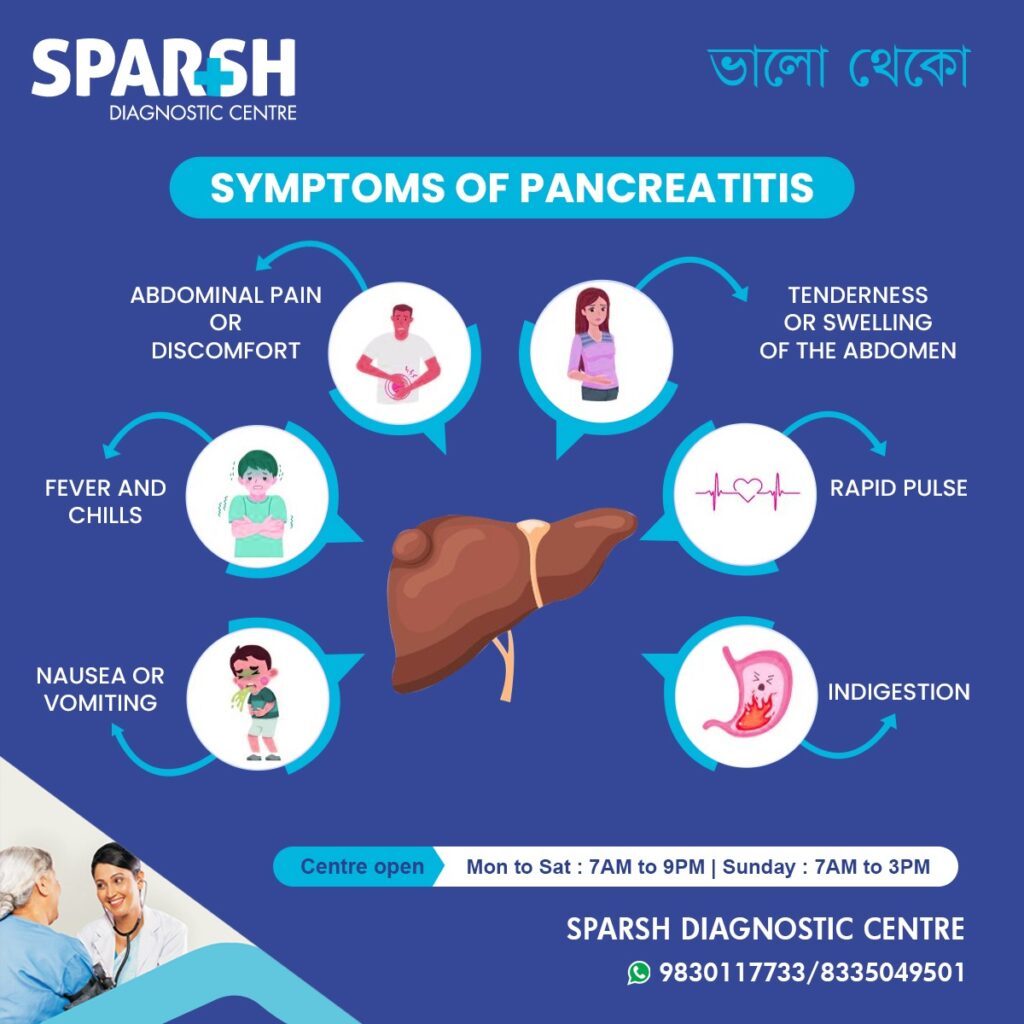
The infographic accompanying this article highlights abdominal pain, abdominal tenderness or swelling, fever and chills, rapid pulse, nausea or vomiting and indigestion. While these can occur with pancreatitis, severe upper abdominal pain is the more characteristic symptom, while indigestion alone is not enough to diagnose pancreatitis.
If left untreated, both acute and chronic pancreatitis can lead to complications such as infection, pancreatic necrosis, pseudocysts, or systemic organ failure.
What are the early warning signs of pancreatitis?
Early warning signs can include:
- Sudden or gradually developing upper abdominal pain
- Pain that moves toward the back
- Nausea or vomiting
- Abdominal tenderness
- Fever
- Fast heartbeat
- Abdominal swelling
A person experiencing sudden, severe or persistent abdominal pain, especially when accompanied by repeated vomiting, fever, difficulty breathing, fainting or a rapid heartbeat, should seek urgent medical attention. Acute pancreatitis can become serious quickly.
What does pancreatitis stool look like?
Pancreatitis itself does not always cause an obvious change in stool, particularly during an acute attack.
However, chronic pancreatitis can cause greasy, oily, pale or foul-smelling stools. The stool may be difficult to flush and may leave an oily film in the toilet.
This happens when pancreatic damage reduces the production of digestive enzymes, particularly enzymes needed to digest fats. Poor fat digestion can lead to fat malabsorption and nutritional deficiencies.
Persistent oily or greasy stools, especially when accompanied by unexplained weight loss, should be medically evaluated.
Is pancreatitis very serious?
It can be, but the severity varies considerably.
Many people with mild acute pancreatitis recover within several days with appropriate treatment. However, severe acute pancreatitis can cause pancreatic tissue death, infection, fluid collections and failure of organs such as the kidneys or lungs.
Chronic pancreatitis presents a different concern. Repeated or ongoing inflammation can permanently damage the pancreas, resulting in digestive problems, malnutrition and diabetes.
This is why severe or persistent symptoms should never be managed solely with home remedies.
What are the four stages of pancreatitis?
There is not one universally accepted four-stage system for pancreatitis.
Acute pancreatitis is generally classified according to severity rather than four fixed stages. The commonly used severity classification describes:
- Mild acute pancreatitis: no organ failure or local complications.
- Moderately severe acute pancreatitis: temporary organ failure and/or local complications.
- Severe acute pancreatitis: persistent organ failure.
Chronic pancreatitis is also not simply divided into four standard stages. It is a progressive condition in which repeated inflammation can lead to fibrosis, loss of digestive enzyme production and impaired insulin production.
Therefore, websites describing exactly “four stages of pancreatitis” should be interpreted carefully because the staging system may refer to a particular classification or clinical context rather than a universal medical standard.
What are the first stages of pancreatitis?
The early phase of acute pancreatitis usually begins with inflammation of the pancreas, commonly presenting with upper abdominal pain, nausea and vomiting.
The condition may remain mild and settle within a few days, or it may progress to complications involving fluid collections, infection or organ dysfunction. Doctors therefore monitor patients closely, particularly during the early period of an acute attack.
How is pancreatitis diagnosed?
Doctors diagnose pancreatitis using a combination of symptoms, physical examination, blood tests and imaging.
A typical evaluation may include:
Blood tests
Blood tests can measure pancreatic enzymes, particularly:
- Lipase
- Amylase
Doctors may also check blood glucose, triglycerides, calcium, liver-related tests and markers of infection or inflammation.
Ultrasound
An abdominal ultrasound can be especially useful for looking for gallstones, one of the most common causes of acute pancreatitis.
CT scan
A CT scan can show inflammation and complications involving the pancreas and surrounding tissues.
MRI or MRCP
MRCP is a specialised MRI examination that can provide detailed images of the pancreatic and bile ducts and help identify blockages or other abnormalities.
Endoscopic ultrasound
Endoscopic ultrasound may be used when doctors need a more detailed examination of the pancreas and surrounding structures.
How do you confirm pancreatitis?
For acute pancreatitis, doctors commonly establish the diagnosis when at least two of three key findings are present:
- Typical upper abdominal pain consistent with pancreatitis.
- Elevated pancreatic enzymes, particularly lipase, to an appropriate diagnostic level.
- Imaging findings consistent with pancreatic inflammation.
Not every patient needs a CT scan to confirm acute pancreatitis if the symptoms and blood tests already provide sufficient evidence. Imaging may be used when the diagnosis is uncertain or when complications need to be assessed.
What is pancreatitis mistaken for?
Pancreatitis can resemble several other causes of upper abdominal pain. Depending on the symptoms, doctors may need to distinguish it from:
- Gallstones or gallbladder inflammation
- Peptic ulcer disease
- Gastritis
- Gastroesophageal reflux disease
- Liver or bile duct problems
- Intestinal disorders
- Heart-related conditions
- Certain infections
- Other abdominal emergencies
This is one reason self-diagnosis can be risky. NIDDK notes that doctors may need to investigate other conditions with similar symptoms, particularly when evaluating chronic pancreatitis.
What is the best treatment for pancreatitis?
There is no single treatment that is “best” for every person because treatment depends on whether pancreatitis is acute or chronic, how severe it is and what caused it.
For acute pancreatitis, treatment may include:
- IV fluids
- Pain relief
- Monitoring of vital organs
- Appropriate nutritional support
- Treatment of the underlying cause
- Removal of a blocked gallstone when indicated
- Treatment of complications
In mild acute pancreatitis, current guidance supports early oral feeding as tolerated, rather than automatically keeping every patient without food for prolonged periods. A low-fat solid diet can be appropriate for many patients with mild disease.
Antibiotics are not routinely given simply because pancreatitis is severe; they are used when there is an appropriate indication such as infection.
For chronic pancreatitis, treatment may include pain management, pancreatic enzyme replacement therapy, nutritional support, diabetes treatment, endoscopic procedures and, in selected cases, surgery.
What is the most common treatment for pancreatitis?
For uncomplicated acute pancreatitis, treatment is primarily supportive care, including fluids, pain control, monitoring and appropriate nutrition while the underlying cause is addressed.
If gallstones caused the attack, treatment may also involve procedures or gallbladder removal to reduce the risk of another episode.
What foods cause pancreatitis?
There is no single food that causes pancreatitis in everyone.
However, heavy alcohol consumption is an important cause, while very fatty meals may worsen symptoms in people who already have pancreatic disease. High-fat diets can also be problematic for people with chronic pancreatitis.
Other causes such as gallstones, very high triglycerides, medications and genetic conditions have nothing to do with eating one particular food.
For someone recovering from pancreatitis, doctors may recommend a low-fat, balanced diet, tailored to the person’s nutritional needs and medical condition.
What foods calm down pancreatitis?
Food does not directly “cure” pancreatitis, but once a person is medically stable and able to eat, lower-fat foods may be easier to tolerate.
Options can include:
- Rice and other whole grains as tolerated
- Oats
- Vegetables
- Fruits
- Low-fat dairy products
- Dal and other suitable plant proteins
- Lean protein sources
- Lightly cooked foods
Large, greasy meals are generally best avoided, particularly if they trigger pain or digestive symptoms.
People with chronic pancreatitis may have different nutritional requirements, especially if they have pancreatic enzyme insufficiency or weight loss. A doctor or dietitian can create an appropriate plan.
What drink is good for pancreatitis?
Water is generally the best everyday drink for hydration.
During an acute attack, however, hydration needs may be significant enough to require IV fluids in hospital. People with pancreatitis should also avoid alcohol.
Sugary drinks and very high-calorie beverages may not be appropriate for everyone, particularly when blood sugar or triglycerides are elevated.
Can stress cause pancreatitis?
Stress by itself is not considered one of the established major causes of pancreatitis.
Gallstones, heavy alcohol use, certain medications, high triglycerides, genetic conditions and other medical problems are recognised causes.
Stress can certainly affect digestion, appetite, sleep and how a person experiences pain, but persistent abdominal pain should not automatically be attributed to stress.
How do I repair my pancreas naturally?
There is no proven home remedy that can reverse pancreatic inflammation or repair established pancreatic scarring.
The most useful steps are to:
- Avoid alcohol
- Stop smoking
- Maintain a healthy weight
- Follow the diet recommended by your healthcare professional
- Stay adequately hydrated
- Control triglycerides and blood sugar
- Take prescribed pancreatic enzymes or other medicines correctly
- Treat gallstones or other underlying causes when required
- Attend follow-up appointments
NIDDK and Mayo Clinic both emphasise avoiding alcohol and smoking and maintaining a healthy lifestyle as important measures for reducing further pancreatic damage.
“Natural” does not necessarily mean safe. Herbal products and supplements should not be used to treat pancreatitis without discussing them with a healthcare professional.
How long can pancreatitis last?
The answer depends on the type and severity.
Mild acute pancreatitis often improves within several days with treatment. More severe attacks can require a longer hospital stay and may take weeks to recover from.
Chronic pancreatitis is different. It is a long-term disease that can progressively damage the pancreas and does not simply disappear after a few days. Symptoms may come and go, and treatment focuses on controlling pain, maintaining nutrition, supporting digestion and managing complications.
Can a person live without a pancreas?
Yes, a person can live without a pancreas, but it requires lifelong medical management.
A total pancreatectomy removes the organ’s ability to produce digestive enzymes and insulin. As a result, people generally need pancreatic enzyme replacement therapy to digest food and insulin therapy to control blood glucose.
Removal of the entire pancreas is a major operation and is reserved for selected situations. It is not a routine treatment for ordinary pancreatitis.
How to avoid pancreatitis?
Not every case can be prevented, but several measures can reduce risk:
- Avoid heavy alcohol consumption.
- Do not smoke.
- Maintain a healthy weight.
- Avoid crash diets and very rapid weight loss.
- Keep triglyceride and calcium levels under control.
- Eat a balanced diet.
- Seek medical advice if you have gallstones.
- Review medicines with your doctor if a medication-related cause is suspected.
- Manage conditions such as diabetes and metabolic syndrome appropriately.
If someone has already experienced pancreatitis, identifying and treating the underlying cause is particularly important to reduce the chance of another episode.
What is the danger level of pancreatitis?
There is no single “danger level” based only on symptoms. Doctors assess severity using the person’s clinical condition, laboratory results, imaging findings and whether complications or organ failure develop.
Severe or worsening abdominal pain, repeated vomiting, fever, rapid heartbeat, fainting, difficulty breathing or jaundice require prompt medical assessment.
Severe acute pancreatitis can result in pancreatic necrosis, infection, kidney problems, breathing difficulties and organ failure. Chronic pancreatitis can cause malnutrition, pancreatic enzyme deficiency and diabetes over time.
Frequently asked questions about pancreatitis
What is the main cause of pancreatitis?
Gallstones are the most common cause of acute pancreatitis, while heavy alcohol use is a major cause of chronic pancreatitis. Other causes include high triglycerides, medications, genetic conditions and autoimmune disease.
Is pancreatitis very serious?
It can be. Mild cases often recover within days, but severe acute pancreatitis can cause infection, tissue death and organ failure.
What are the first signs of pancreatitis?
Upper abdominal pain, often spreading to the back, is the most characteristic early symptom. Nausea, vomiting and abdominal tenderness may also occur.
What foods cause pancreatitis?
There is no single food responsible for all pancreatitis. Alcohol is an important cause, while fatty meals may aggravate symptoms. Underlying causes such as gallstones and high triglycerides are also important.
What foods calm down pancreatitis?
A low-fat, balanced diet may be easier to tolerate during recovery. Individual dietary needs vary, particularly in chronic pancreatitis.
How is pancreatitis diagnosed?
Doctors use symptoms and physical examination along with blood tests such as lipase and imaging such as ultrasound, CT, MRI/MRCP or endoscopic ultrasound when appropriate.
Can stress cause pancreatitis?
Stress is not considered a major established cause of pancreatitis. Persistent abdominal symptoms should be evaluated rather than assumed to be stress-related.
What is the most common treatment for pancreatitis?
Acute pancreatitis is generally treated with supportive care such as fluids, pain control, monitoring and appropriate nutrition, while the underlying cause is addressed.
What does pancreatitis stool look like?
Chronic pancreatic damage can cause greasy, oily, foul-smelling stools because of poor fat digestion.
Can a person live without a pancreas?
Yes, but complete removal requires lifelong pancreatic enzyme replacement and insulin treatment.
How do I repair my pancreas naturally?
There is no proven natural treatment that reverses pancreatic damage. Avoiding alcohol and tobacco, following an appropriate diet and treating the underlying cause are important.
When should you see a doctor?
Do not ignore sudden or severe upper abdominal pain, particularly when it radiates to the back or is accompanied by vomiting, fever, abdominal swelling, rapid heartbeat, jaundice, fainting or breathing difficulty.
Because pancreatitis can sometimes become serious quickly, severe or persistent abdominal pain warrants prompt medical assessment rather than self-treatment.
Early diagnosis can help doctors identify the cause, assess severity and begin appropriate treatment before complications develop.
To consult a Doctor at Sparsh Diagnostic Centre for treatment of Pancreatitis, call our helpline number 9830117733.
#BhaloTheko
Disclaimer:
No content on this site, regardless of date, should ever be used as a substitute for direct medical advice from your doctor or other qualified clinician.


[…] pancreas (causing pancreatitis or […]
[…] Pancreatitis […]
[…] Acute or chronic pancreatitis: Inflammation can erode ductal walls, forming fistulas. […]
[…] necrosis refers to the death of pancreatic tissue due to severe inflammation, often following acute pancreatitis. When the pancreatic enzymes meant for digestion begin to attack the pancreas itself, it causes […]
[…] 10. Pancreatitis […]
[…] Chronic pancreatitis […]
[…] Chronic pancreatitis […]
[…] 3. Pancreatitis […]
[…] Chronic pancreatitis […]
[…] Chronic pancreatitis: Long-standing inflammation of the pancreas can irritate or compress the splenic vein. […]
[…] Pancreatitis: Inflammation of the pancreas. […]
[…] Pancreatitis: Inflammation of the pancreas, often due to alcohol consumption or gallstones, leading to severe, persistent pain in the upper abdomen. […]
[…] Pancreatitis (especially with high triglycerides) […]
[…] Acute Pancreatitis: Inflammatory enzymes from the pancreas impacting other organs. […]
[…] 10. Pancreas (Pancreatitis) […]