Nasopharyngeal cancer is a rare type of head and neck cancer that begins in the nasopharynx, the upper part of the throat located behind the nose. Since this area is not easily visible, the disease often goes unnoticed in its early stages. Many of its symptoms, such as a blocked nose or ear discomfort, can resemble common infections, making early diagnosis challenging.
Although nasopharyngeal cancer is uncommon in many parts of the world, it is seen more frequently in certain regions of Asia, North Africa, and the Middle East. Advances in imaging, radiation therapy, and chemotherapy have significantly improved outcomes, especially when the cancer is detected early.
This guide explains everything you need to know about nasopharyngeal cancer, including its causes, symptoms, stages, treatment options, and long-term outlook.
What Is Nasopharyngeal Cancer?
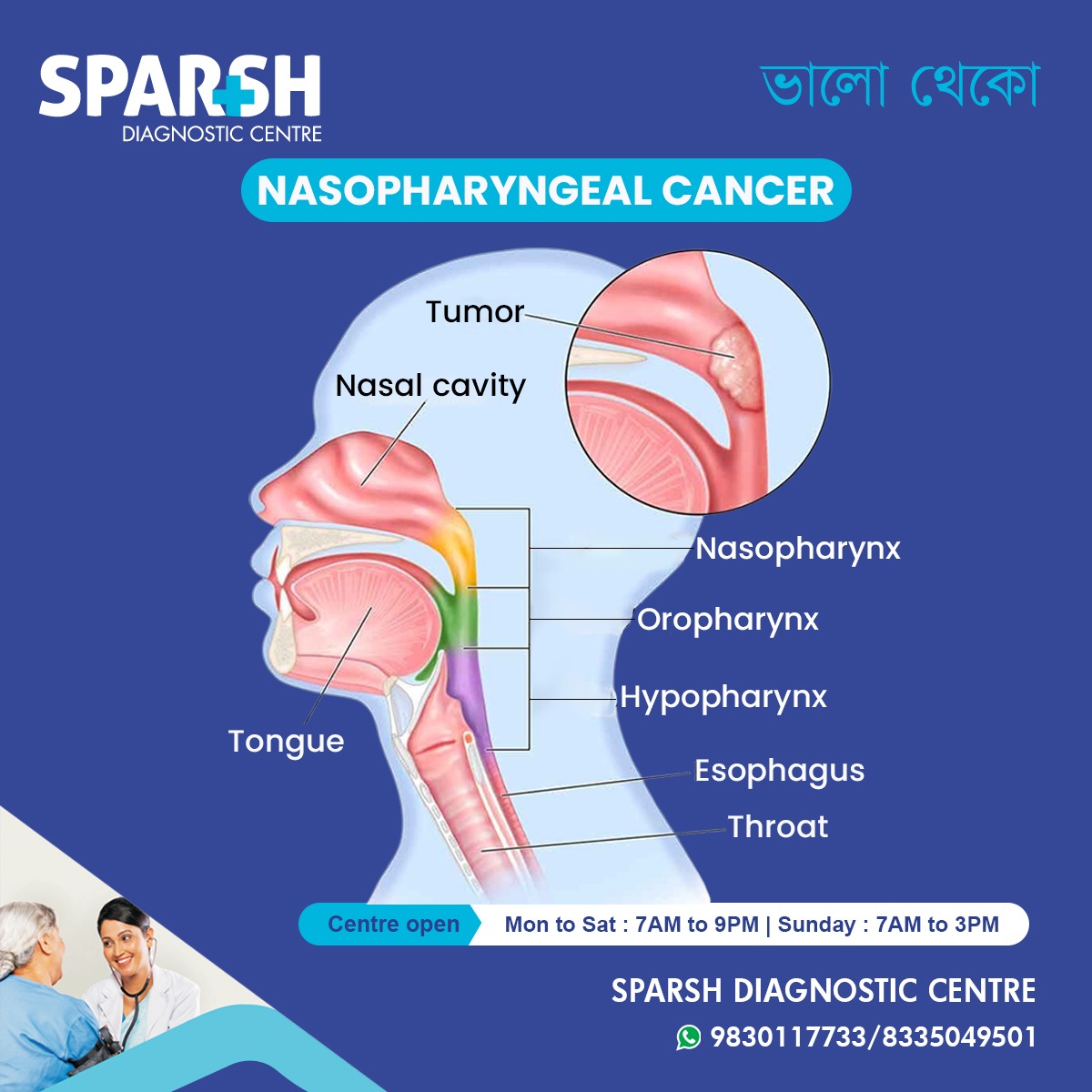
Nasopharyngeal cancer, also known as nasopharyngeal carcinoma (NPC), develops in the tissues lining the nasopharynx. The nasopharynx connects the nasal passages to the throat and plays an important role in breathing and swallowing.
Because of its location, a growing tumor may affect nearby structures such as:
- The nasal cavity
- The throat
- The ears
- Lymph nodes in the neck
- Cranial nerves
In some cases, the cancer may spread to distant organs such as the lungs, liver, or bones.
What Are the First Symptoms of Nasopharyngeal Cancer?
The first symptoms of nasopharyngeal cancer are often subtle and may be mistaken for allergies, sinus infections, or common colds.
Early signs can include:
- A painless lump in the neck
- Persistent nasal congestion on one side
- Frequent nosebleeds
- Hearing loss in one ear
- Ringing in the ears (tinnitus)
- Recurrent ear infections
- Mild headaches
- Facial numbness
A painless swollen lymph node in the neck is one of the earliest and most common signs of nasopharyngeal cancer.
Symptoms that last for several weeks without improvement should always be evaluated by a healthcare professional.
What Is the Main Cause of Nasopharyngeal Cancer?
There is no single cause of nasopharyngeal cancer. Instead, it develops due to a combination of genetic, environmental, and viral factors.
The strongest known risk factor is infection with the Epstein-Barr virus (EBV). Most people are exposed to EBV during their lifetime, but only a small percentage develop nasopharyngeal cancer.
Other factors that may increase the risk include:
Family History
People with close relatives who have had nasopharyngeal cancer may have a higher risk.
Tobacco Use
Smoking damages cells and increases the risk of several head and neck cancers, including NPC.
Heavy Alcohol Consumption
Excessive alcohol use can contribute to cancer development.
Diet High in Salted and Preserved Foods
Frequent consumption of salted fish and preserved meats has been associated with a higher incidence of NPC.
Occupational Exposure
Long-term exposure to wood dust, formaldehyde, and certain industrial chemicals may increase risk.
Male Gender
Men are diagnosed more frequently than women.
What Are the Red Flags of Nasopharyngeal Cancer?
Certain symptoms should never be ignored because they may indicate an underlying tumor.
Important red flags include:
- A persistent lump in the neck
- Repeated nosebleeds
- One-sided hearing loss
- Double vision
- Persistent headaches
- Facial weakness or numbness
- Difficulty opening the mouth
- Persistent nasal blockage
- Unexplained weight loss
- Difficulty swallowing
The presence of multiple symptoms together increases the likelihood that further medical evaluation is needed.
How Fast Does Nasopharyngeal Cancer Grow?
The growth rate of nasopharyngeal cancer varies from person to person.
Some tumors grow slowly over several months, while others are more aggressive and spread rapidly to nearby lymph nodes or distant organs. The growth rate depends on:
- The type of cancer cells
- Genetic factors
- Immune system response
- Stage at diagnosis
In many cases, nasopharyngeal cancer may already have spread to neck lymph nodes by the time symptoms become noticeable.
Regular medical evaluations and prompt attention to persistent symptoms can significantly improve outcomes.
Can Nasopharyngeal Cancer Spread?
Yes. Nasopharyngeal cancer can spread to nearby tissues and distant organs.
Local Spread
The tumor may grow into:
- Nasal cavity
- Sinuses
- Skull base
- Cranial nerves
- Mouth and throat structures
Lymph Node Spread
Cancer frequently spreads to lymph nodes in the neck.
Distant Metastasis
Advanced-stage disease may spread to:
- Bones
- Lungs
- Liver
Metastatic disease is more difficult to treat, although modern therapies can still help control symptoms and prolong survival.
What Is the First Stage of Nasopharyngeal Cancer?
Stage I is considered the earliest stage of nasopharyngeal cancer.
At this stage:
- Cancer is confined to the nasopharynx.
- It has not spread to distant organs.
- Nearby tissues are minimally involved.
Many people in Stage I have few symptoms, which is one reason early diagnosis can be challenging.
The advantage of Stage I disease is that it responds extremely well to treatment, especially radiation therapy.
Stages of Nasopharyngeal Cancer
Stage I
Cancer remains localized to the nasopharynx.
Stage II
Cancer spreads to nearby tissues or lymph nodes.
Stage III
Larger tumors and more extensive lymph node involvement are present.
Stage IV
Cancer has spread to surrounding structures or distant organs such as the lungs, liver, or bones.
What Is the Last Stage of Nasopharyngeal Cancer?
Stage IV is the most advanced stage.
It is divided into several subcategories depending on the extent of spread.
Features of advanced disease may include:
- Large tumors affecting nearby structures
- Extensive lymph node involvement
- Spread to distant organs
- Severe pain
- Difficulty swallowing
- Breathing problems
- Significant weight loss
Although Stage IV disease is serious, treatments can still improve quality of life and extend survival.
How Painful Is Nasopharyngeal Cancer?
Pain levels vary widely.
Early-stage disease may cause little or no discomfort. As the tumor grows, symptoms may become more painful.
Possible pain symptoms include:
- Persistent headaches
- Facial pain
- Ear pain
- Neck discomfort
- Pain during swallowing
- Jaw pain
Advanced cancer may cause severe symptoms if nerves, bones, or surrounding tissues become involved.
Pain management is an important part of treatment and may involve medications, radiation therapy, or supportive care.
How Is Nasopharyngeal Cancer Diagnosed?
Diagnosis usually involves several tests.
Physical Examination
The doctor evaluates symptoms and examines the neck and throat.
Endoscopy
A thin flexible tube with a camera is inserted through the nose to view the nasopharynx.
Biopsy
A tissue sample is collected and examined under a microscope to confirm the diagnosis.
Imaging Tests
These may include:
Blood Tests
Blood tests may identify markers associated with Epstein-Barr virus infection.
How Do They Remove Nasopharyngeal Cancer?
Unlike many cancers, surgery is usually not the first treatment because the nasopharynx is difficult to access surgically.
Treatment often includes:
Radiation Therapy
Radiation therapy is considered the main treatment for most cases.
Advanced techniques such as intensity-modulated radiation therapy (IMRT) allow doctors to target tumors precisely while minimizing damage to healthy tissues.
Chemotherapy
Chemotherapy may be given:
- Before radiation
- During radiation
- After radiation
It helps destroy cancer cells and reduce the risk of recurrence.
Surgery
Surgery may occasionally be needed to:
- Remove residual tumors
- Remove affected lymph nodes
- Treat recurrent disease
Targeted Therapy and Immunotherapy
These newer treatments may be recommended in advanced or recurrent cases.
Can Nasopharyngeal Cancer Be Cured?
Yes. Nasopharyngeal cancer can often be cured, particularly when diagnosed early.
Factors affecting the chances of cure include:
- Stage at diagnosis
- Tumor size
- Response to treatment
- Overall health
- Presence of metastasis
Early-stage cancers often have excellent outcomes after radiation therapy, with many patients achieving long-term remission.
Even in advanced stages, modern treatments can significantly improve survival and quality of life.
What Is the Survival Rate of Nasopharyngeal Cancer?
The survival rate depends largely on the stage of disease.
Approximate five-year survival rates are:
| Stage | Five-Year Survival Rate |
|---|---|
| Stage I | Over 90% |
| Stage II | Around 80–90% |
| Stage III | Around 70–80% |
| Stage IV | Around 40–60% |
These numbers are estimates and can vary based on individual circumstances and treatment response.
Continuous improvements in cancer therapies have steadily improved survival outcomes over the past few decades.
Can Nasopharyngeal Cancer Cause Death?
Yes. Untreated or advanced nasopharyngeal cancer can be life-threatening.
Complications may include:
- Spread to vital organs
- Severe infections
- Malnutrition
- Breathing difficulties
- Organ failure
However, many people diagnosed today receive successful treatment and live for many years after diagnosis.
Early detection remains one of the most important factors in preventing serious complications.
How to Avoid Nasopharyngeal Cancer
While it is impossible to prevent every case, certain lifestyle choices may reduce risk.
Avoid Smoking
Quitting tobacco significantly lowers cancer risk.
Limit Alcohol Intake
Reducing alcohol consumption can help protect overall health.
Eat a Balanced Diet
Consume:
- Fresh fruits
- Vegetables
- Whole grains
- Lean proteins
Limit heavily salted and preserved foods.
Reduce Chemical Exposure
Use protective equipment if working around industrial chemicals or wood dust.
Seek Prompt Medical Attention
Persistent symptoms such as neck lumps, hearing loss, or recurrent nosebleeds should never be ignored.
Maintain General Health
Regular checkups and healthy lifestyle habits support the immune system and overall well-being.
Living With Nasopharyngeal Cancer
A cancer diagnosis can be emotionally and physically overwhelming. Treatment may cause temporary side effects such as:
- Fatigue
- Dry mouth
- Difficulty swallowing
- Changes in taste
- Hearing problems
- Weight loss
Supportive care, nutritional counseling, speech therapy, and emotional support can help patients manage treatment and recovery more effectively.
Many individuals return to normal activities and enjoy a good quality of life following successful treatment.
Frequently Asked Questions (FAQs)
What are the first symptoms of nasopharyngeal cancer?
The first symptoms often include a painless neck lump, persistent nasal congestion, nosebleeds, hearing problems, and ringing in one ear.
What is the main cause of nasopharyngeal cancer?
The strongest known risk factor is infection with the Epstein-Barr virus, along with genetic factors and environmental exposures.
Can nasopharyngeal cancer be cured?
Yes. Early-stage nasopharyngeal cancer is often highly treatable and can be cured with radiation therapy and other treatments.
What is the survival rate of nasopharyngeal cancer?
Five-year survival rates range from over 90% for Stage I disease to approximately 40–60% for advanced Stage IV disease.
What is the first stage of nasopharyngeal cancer?
Stage I is the earliest stage, where cancer remains confined to the nasopharynx without distant spread.
How to avoid nasopharyngeal cancer?
Avoid smoking, limit alcohol, eat a healthy diet, reduce exposure to harmful chemicals, and seek medical attention for persistent symptoms.
Can nasopharyngeal cancer cause death?
Yes. Untreated or advanced disease can become life-threatening, but early diagnosis and treatment significantly improve outcomes.
How do they remove nasopharyngeal cancer?
Most cases are treated with radiation therapy and chemotherapy. Surgery is used only in selected situations.
How fast does nasopharyngeal cancer grow?
Growth rates vary. Some tumors progress slowly, while others spread rapidly to lymph nodes or distant organs.
What are the red flags of nasopharyngeal cancer?
Persistent neck lumps, one-sided hearing loss, recurrent nosebleeds, facial numbness, headaches, and unexplained weight loss are important warning signs.
What is the last stage of nasopharyngeal cancer?
Stage IV is the most advanced stage and may involve extensive local spread or metastasis to distant organs.
How painful is nasopharyngeal cancer?
Pain varies by stage. Early disease may cause little discomfort, while advanced cancer can cause significant headaches, facial pain, and swallowing difficulties.
Can nasopharyngeal cancer spread?
Yes. It commonly spreads to neck lymph nodes and may eventually spread to the lungs, liver, and bones.
Nasopharyngeal cancer is a rare but serious cancer that develops in the upper part of the throat behind the nose. Because its early symptoms often mimic common conditions, many cases are diagnosed later than ideal. Persistent nasal blockage, unexplained hearing problems, and neck lumps should never be ignored.
The good news is that modern treatments, particularly radiation therapy and chemotherapy, have dramatically improved outcomes. When diagnosed early, nasopharyngeal cancer is often highly treatable and, in many cases, curable. Awareness of the warning signs and seeking prompt medical care can make a significant difference in survival and quality of life.
To consult a Doctor or get full body check-up done at Sparsh Diagnostic Centre, call our helpline numbers 9830117733/ 8335049501.
#BhaloTheko
Disclaimer:
No content on this site, regardless of date, should ever be used as a substitute for direct medical advice from your doctor or other qualified clinician.