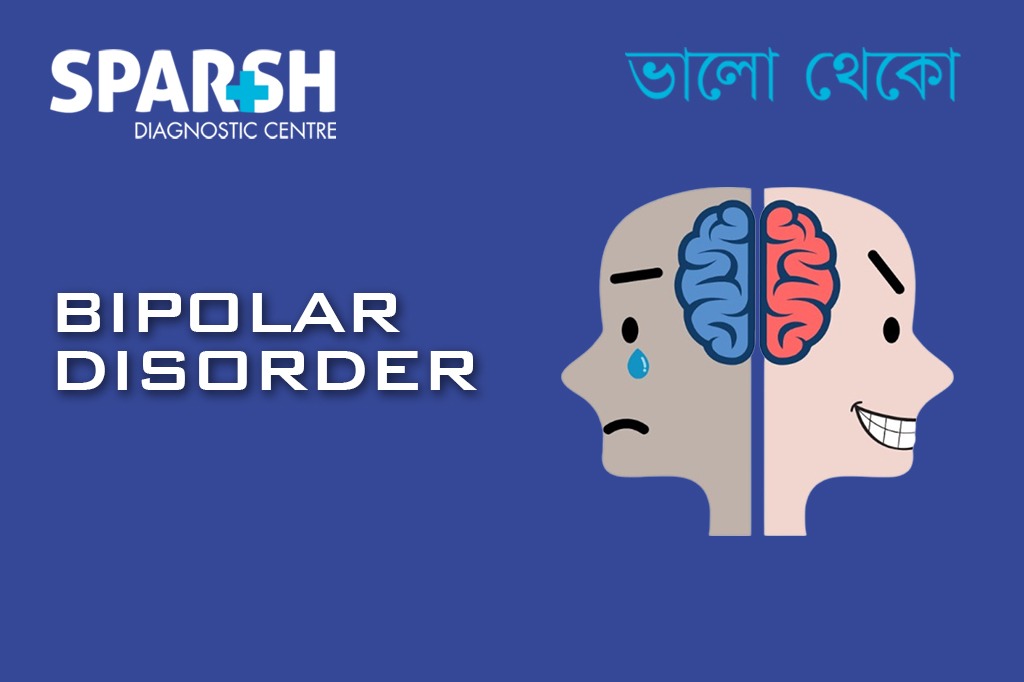
Mental health is just as important as physical health, yet many mental illnesses remain misunderstood. One of the most commonly misinterpreted conditions is bipolar disorder, a mental health condition that causes significant changes in mood, energy, activity levels, and the ability to perform everyday tasks.
People often describe someone as “bipolar” simply because they appear moody, but bipolar disorder is far more complex than occasional emotional ups and downs. It involves episodes of mania, hypomania, and depression, which can last for days, weeks, or even months. These episodes affect relationships, work, education, finances, and overall quality of life.
The good news is that bipolar disorder is highly treatable. With the right combination of medication, therapy, healthy lifestyle habits, and family support, many people with bipolar disorder lead fulfilling, successful lives.
In this comprehensive guide, we’ll explore the symptoms, causes, diagnosis, treatment options, and practical strategies for living well with bipolar disorder.
What Is Bipolar Disorder?
Bipolar disorder is a chronic mental health condition characterized by dramatic shifts in mood, energy, concentration, and activity levels.
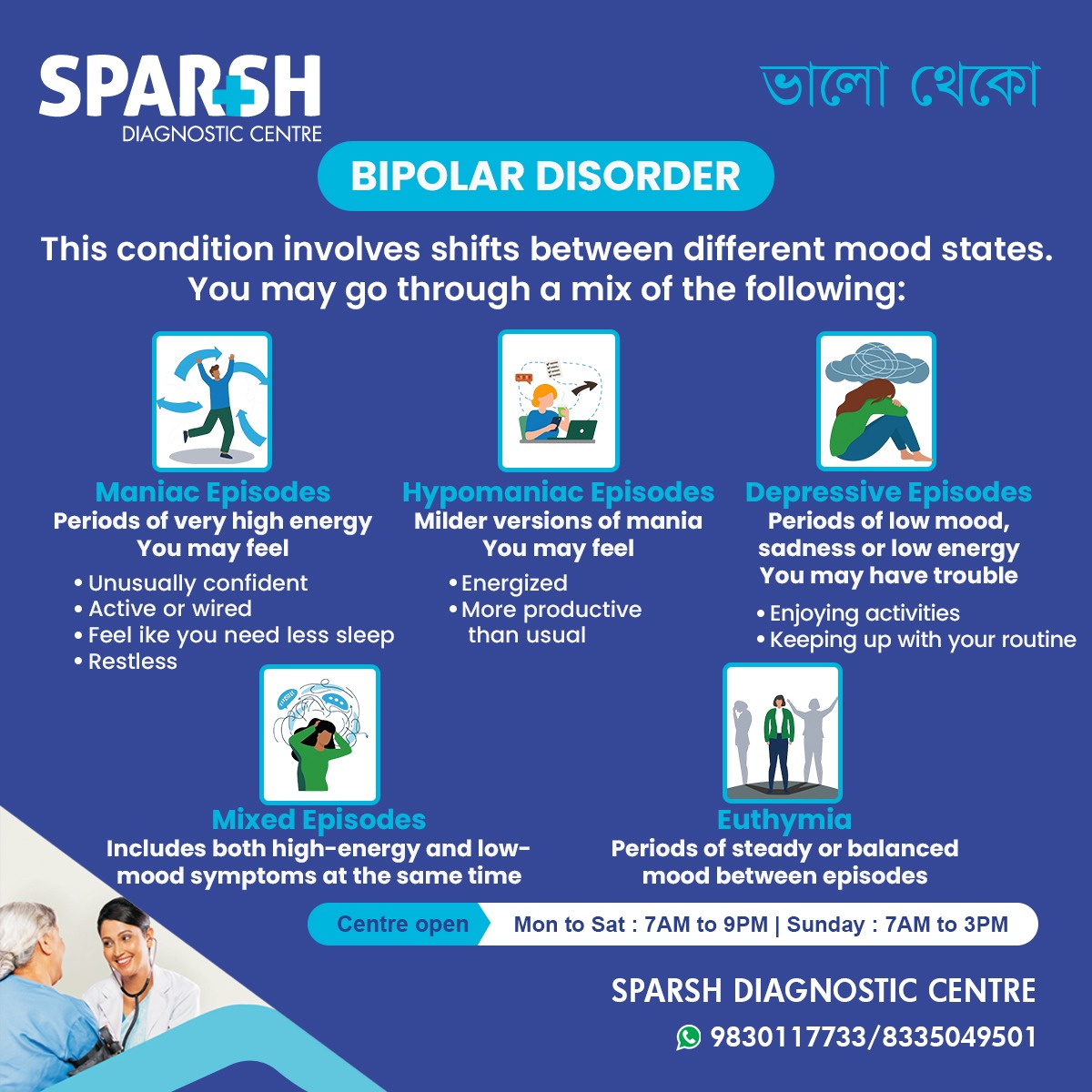
Unlike normal mood fluctuations, bipolar mood episodes are intense and interfere with daily life. People may experience periods of unusually elevated mood (mania or hypomania), followed by episodes of depression, with intervals of relatively stable mood (called euthymia).
These mood changes are not a sign of weakness, poor character, or lack of self-control. They result from complex interactions between brain chemistry, genetics, and environmental factors.
Types of Bipolar Disorder
Bipolar I Disorder
This type involves at least one manic episode lasting at least seven days or severe enough to require hospitalization. Most individuals also experience depressive episodes.
Bipolar II Disorder
Bipolar II includes recurring depressive episodes along with hypomania, a milder form of mania that does not usually require hospitalization.
Cyclothymic Disorder
Cyclothymia involves frequent mood fluctuations with milder symptoms that continue for at least two years in adults.
Other Specified and Unspecified Bipolar Disorders
Sometimes people experience bipolar symptoms that do not fit the standard diagnostic categories but still require medical attention.
Understanding Mood Episodes
Manic Episode
During mania, individuals may experience:
- Excessive happiness or euphoria
- Increased confidence
- Reduced need for sleep
- Racing thoughts
- Rapid speech
- Risky decision-making
- Increased energy
- Poor judgment
- Irritability
Severe mania may include hallucinations or delusions.
Hypomanic Episode
Hypomania resembles mania but is less severe. A person may appear unusually energetic, productive, creative, or talkative without significant impairment in daily functioning.
Depressive Episode
Depression in bipolar disorder often includes:
- Persistent sadness
- Loss of interest in enjoyable activities
- Fatigue
- Difficulty concentrating
- Changes in appetite
- Sleep disturbances
- Feelings of guilt or worthlessness
- Thoughts of death or suicide
Mixed Episodes
Some individuals experience symptoms of depression and mania simultaneously, making emotions particularly confusing and distressing.
What Are 5 Signs of Bipolar?
Although symptoms vary between individuals, five common warning signs include:
1. Extreme Mood Swings
The most recognizable sign is alternating periods of elevated mood and depression.
2. Reduced Need for Sleep
Someone may sleep only a few hours while still feeling energetic.
3. Increased Energy
Periods of unusually high activity, excessive talking, or restlessness are common.
4. Risk-Taking Behaviour
People may spend excessively, drive recklessly, gamble, or make impulsive life decisions.
5. Deep Depression
Low mood, hopelessness, and withdrawal from loved ones often follow manic episodes.
Recognizing these early signs can lead to earlier diagnosis and better outcomes.
What Does Bipolar Feel Like?
People describe bipolar disorder differently depending on the phase they’re experiencing.
During mania, they may feel:
- Invincible
- Extremely confident
- Highly productive
- Creative
- Restless
- Full of endless energy
During depression, they may feel:
- Emotionally numb
- Exhausted
- Hopeless
- Worthless
- Unable to enjoy life
- Overwhelmed by simple tasks
Between episodes, many individuals feel completely normal.
What Causes Bipolar?
Researchers believe bipolar disorder develops from multiple interacting factors.
Genetics
A family history significantly increases the risk.
Brain Chemistry
Imbalances involving dopamine, serotonin, and norepinephrine may contribute.
Brain Structure
Certain brain regions involved in emotional regulation may function differently.
Stressful Life Events
Major stress, trauma, grief, abuse, or significant life changes can trigger episodes.
Sleep Disturbances
Disrupted sleep is one of the strongest triggers for manic episodes.
Substance Abuse
Alcohol and recreational drugs can worsen symptoms and trigger relapses.
Risk Factors
People are more likely to develop bipolar disorder if they have:
- Family history
- Childhood trauma
- Chronic stress
- Substance misuse
- Major life transitions
How Is Bipolar Disorder Diagnosed?
Diagnosis involves a detailed evaluation by a psychiatrist or qualified mental health professional.
The assessment may include:
- Medical history
- Family history
- Mood history
- Physical examination
- Psychological assessment
- Screening questionnaires
Blood tests and imaging studies may help rule out medical conditions that mimic mood disorders.
Is Bipolar Disorder Curable?
Currently, there is no permanent cure for bipolar disorder.
However, it is highly manageable.
Many individuals remain symptom-free for years with:
- Regular medication
- Psychotherapy
- Healthy sleep
- Stress management
- Consistent medical follow-up
The goal of treatment is long-term mood stability and improved quality of life rather than a permanent cure.
What Is the Best Treatment for Bipolar?
Treatment is personalized because symptoms differ from person to person.
Medication
Common medications include:
- Mood stabilizers
- Certain atypical antipsychotics
- Antidepressants (used cautiously and usually alongside a mood stabilizer)
Psychotherapy
Evidence-based therapies include:
- Cognitive Behavioural Therapy (CBT)
- Family-focused therapy
- Interpersonal and Social Rhythm Therapy (IPSRT)
- Psychoeducation
Lifestyle Changes
Healthy routines play a major role.
Important habits include:
- Regular sleep schedule
- Daily exercise
- Balanced nutrition
- Avoiding alcohol and drugs
- Stress reduction
- Medication adherence
Support System
Family education and support groups improve long-term outcomes.
Can Bipolar Disorder Affect Memory?
Yes.
Memory problems are common during both manic and depressive episodes.
People may notice:
- Poor concentration
- Forgetfulness
- Difficulty learning new information
- Slower thinking
- Trouble recalling conversations
Some medications and severe mood episodes may also temporarily affect cognitive function.
Fortunately, many people experience improvement as their mood stabilizes.
Is Anger a Bipolar Symptom?
Yes.
Although not everyone experiences it, irritability and anger can occur during both manic and depressive episodes.
During mania:
- Impatience
- Aggression
- Easily frustrated
- Argumentative behaviour
During depression:
- Irritability
- Emotional sensitivity
- Low frustration tolerance
Persistent anger alone does not mean someone has bipolar disorder, but it can be one symptom among many.
How to Calm a Bipolar Person?
If someone is experiencing emotional distress:
Remain calm.
Speak gently.
Avoid arguing.
Reduce environmental stimulation.
Encourage them to take prescribed medications.
Help them contact their psychiatrist if symptoms worsen.
Offer reassurance without dismissing their feelings.
If the person expresses suicidal thoughts, becomes violent, or loses touch with reality, seek emergency medical care immediately.
What Not to Say to Someone with Bipolar?
Certain comments may unintentionally increase emotional distress.
Avoid saying:
- “Just snap out of it.”
- “Everyone gets moody.”
- “You’re overreacting.”
- “You’re crazy.”
- “It’s all in your head.”
- “You don’t need medication.”
Instead, try saying:
- “I’m here for you.”
- “How can I help?”
- “Would you like to talk?”
- “You’re not alone.”
Compassion and active listening often make a meaningful difference.
What Irritates a Bipolar Person?
Triggers differ between individuals, but common ones include:
- Sleep deprivation
- High stress
- Family conflict
- Substance use
- Major life changes
- Skipping medication
- Financial stress
- Criticism
- Overstimulation
- Lack of routine
Learning personal triggers can help reduce the risk of future episodes.
What Do People Mistake for Bipolar?
Several conditions may resemble bipolar disorder.
These include:
- Major depressive disorder
- Borderline personality disorder
- ADHD
- Anxiety disorders
- PTSD
- Thyroid disorders
- Substance-induced mood disorders
Accurate diagnosis by a mental health professional is essential because treatment differs for each condition.
Are People with Bipolar Successful?
Absolutely.
Many people with bipolar disorder have built successful careers, businesses, artistic pursuits, and fulfilling personal lives.
Success is possible because:
- Treatment is effective.
- Symptoms can be managed.
- Creativity and resilience often become strengths.
- Support systems improve long-term outcomes.
The condition does not define a person’s abilities or potential.
Is Bipolar Related to High IQ?
There is no clear scientific evidence that bipolar disorder is directly linked to high IQ.
Some studies have explored possible associations between bipolar disorder and creativity or certain cognitive strengths, but findings are mixed and do not support the idea that people with bipolar disorder are generally more intelligent than others.
Intelligence varies widely among individuals, regardless of mental health status.
Living Well with Bipolar Disorder
Successful long-term management often includes:
- Taking medications consistently
- Keeping regular appointments
- Prioritizing sleep
- Exercising regularly
- Eating nutritious meals
- Avoiding alcohol and recreational drugs
- Practicing mindfulness
- Maintaining daily routines
- Tracking mood changes
- Seeking help early when symptoms return
Consistency is often one of the strongest protective factors against relapse.
When Should You Seek Medical Help?
Consult a mental health professional if you or someone you know experiences:
- Extreme mood swings
- Long-lasting depression
- Unusually high energy with poor judgment
- Hallucinations
- Risk-taking behaviour
- Suicidal thoughts
- Difficulty functioning at work or home
Early intervention often leads to better outcomes and reduces the risk of complications.
Frequently Asked Questions (FAQs)
1. What are 5 signs of bipolar?
Five common signs include extreme mood swings, decreased need for sleep, unusually high energy, impulsive or risky behaviour, and episodes of deep depression.
2. Is bipolar disorder curable?
There is no permanent cure, but bipolar disorder can be effectively managed with medication, therapy, healthy lifestyle habits, and regular follow-up.
3. What does bipolar feel like?
People may experience periods of intense energy, confidence, and reduced need for sleep during mania, followed by episodes of sadness, fatigue, hopelessness, and loss of interest during depression.
4. What causes bipolar?
Bipolar disorder is believed to result from a combination of genetic factors, differences in brain chemistry, environmental stressors, sleep disruption, and life events.
5. How to calm a bipolar person?
Stay calm, listen without judgment, avoid arguing, reduce stress or overstimulation, encourage treatment adherence, and seek professional help if symptoms become severe or safety is a concern.
6. What is the best treatment for bipolar?
The most effective treatment typically combines mood-stabilizing medication, psychotherapy, healthy sleep, regular exercise, stress management, and ongoing psychiatric care.
7. Is anger a bipolar symptom?
Yes. Some people experience irritability and anger during manic, hypomanic, or depressive episodes, although anger alone does not diagnose bipolar disorder.
8. What not to say to someone with bipolar?
Avoid dismissive statements such as “Just get over it” or “You’re overreacting.” Instead, offer empathy, listen, and ask how you can support them.
9. What irritates a bipolar person?
Common triggers include sleep deprivation, stress, criticism, conflict, skipped medications, substance use, and sudden changes in routine.
10. What do people mistake for bipolar?
Conditions such as major depressive disorder, borderline personality disorder, ADHD, anxiety disorders, PTSD, thyroid disorders, and substance-related mood changes can have overlapping symptoms and may be mistaken for bipolar disorder.
11. Are people with bipolar successful?
Yes. With appropriate treatment and support, many people with bipolar disorder achieve success in their careers, education, relationships, and creative pursuits.
12. Is bipolar related to high IQ?
Current evidence does not show a direct relationship between bipolar disorder and high intelligence. Intelligence varies among individuals with and without bipolar disorder.
13. Can bipolar disorder affect memory?
Yes. During mood episodes, some people experience difficulties with concentration, attention, and memory. These symptoms often improve when mood symptoms are well managed.
Bipolar disorder is a lifelong mental health condition, but it does not have to limit a person’s future. Early diagnosis, evidence-based treatment, supportive relationships, and healthy daily routines can help individuals achieve lasting stability and lead meaningful, productive lives.
If you or someone you care about is experiencing symptoms of bipolar disorder, don’t ignore the signs. Seeking professional help early can make a significant difference in symptom control, recovery, and overall well-being.
To consult a Doctor or get full body check-up done at Sparsh Diagnostic Centre, call our helpline numbers 9830117733/ 8335049501.
#BhaloTheko
Disclaimer:
No content on this site, regardless of date, should ever be used as a substitute for direct medical advice from your doctor or other qualified clinician.