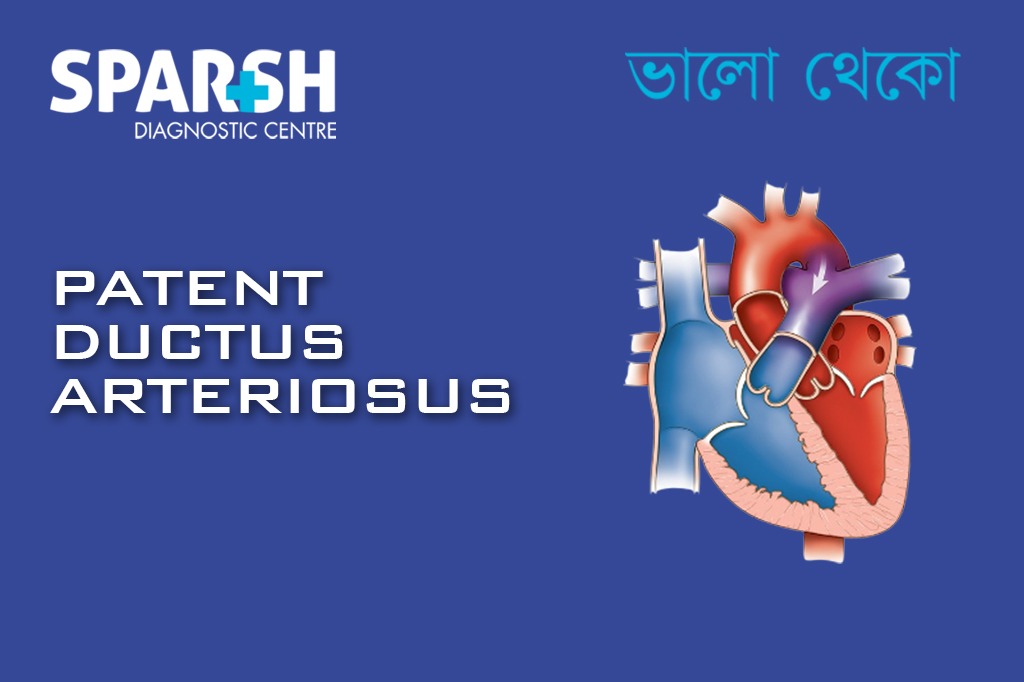
Patent Ductus Arteriosus (PDA) is one of the most common congenital heart conditions seen in newborns, especially premature babies. While hearing that your baby has a heart condition can be frightening, modern medicine has made PDA one of the most treatable congenital heart defects, with excellent success rates and long-term outcomes.
In a healthy baby, a small blood vessel called the ductus arteriosus naturally closes shortly after birth. However, when this vessel remains open, it is known as Patent Ductus Arteriosus (PDA). Depending on its size, PDA may cause little to no symptoms or lead to serious complications if left untreated.
The good news is that early diagnosis using Echocardiography (2D Echo) allows doctors to detect PDA quickly and recommend the most appropriate treatment, whether that involves observation, medication, catheter-based closure, or surgery.
This guide explains everything parents need to know about PDA, including its causes, symptoms, treatment options, surgery costs, recovery, and frequently asked questions.
What Is Patent Ductus Arteriosus (PDA)?
Patent Ductus Arteriosus is a congenital heart defect where the ductus arteriosus, a normal fetal blood vessel, fails to close after birth.
Before birth, babies do not use their lungs for breathing. Instead, oxygen comes from the placenta. The ductus arteriosus connects the pulmonary artery to the aorta, allowing blood to bypass the lungs.
After birth, when the baby begins breathing independently, this blood vessel is no longer needed. It usually closes naturally within the first few hours or days of life.
When it remains open (patent), blood flows abnormally between the aorta and pulmonary artery.
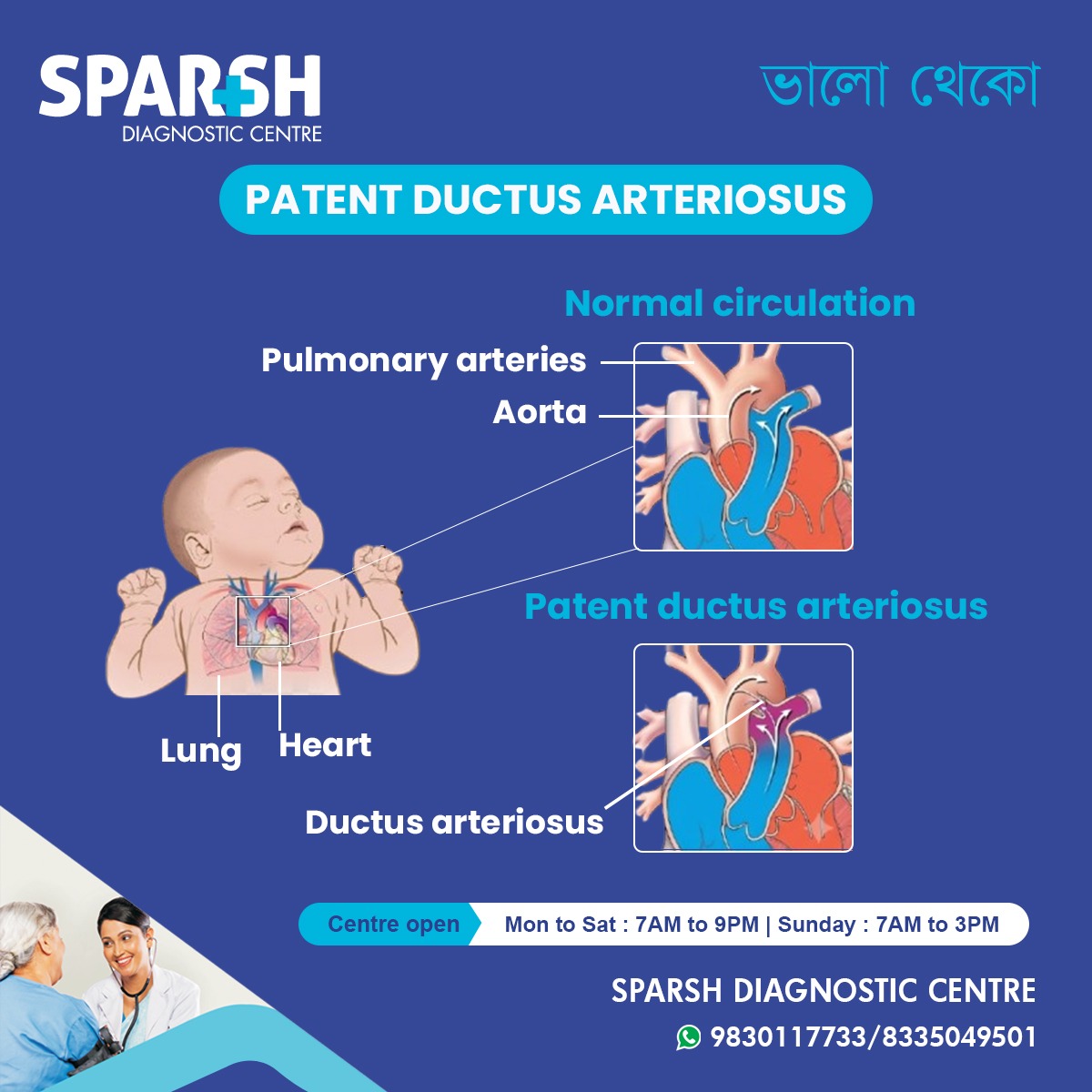
What Happens in a Patent Ductus Arteriosus?
Normally, oxygen-rich blood flows from the left side of the heart into the body.
When PDA remains open:
- Oxygen-rich blood from the aorta flows back into the pulmonary artery.
- Extra blood enters the lungs.
- The heart has to pump harder.
- Over time, the lungs and heart become overloaded.
Large PDAs can eventually cause:
- Heart enlargement
- Pulmonary hypertension
- Congestive heart failure
- Poor growth in infants
Small PDAs may cause no symptoms and sometimes remain undetected until adulthood.
How Does the Ductus Arteriosus Normally Close?
The ductus arteriosus usually closes because:
- Oxygen levels rise after birth.
- Prostaglandin hormone levels decrease.
- The blood vessel naturally contracts and seals.
In most healthy full-term babies:
- Functional closure occurs within 12–24 hours.
- Complete anatomical closure usually occurs within 2–3 weeks.
At What Age Does PDA Close?
The timing depends on whether the baby is born full-term or prematurely.
Full-term babies
- Begins closing within the first day of life
- Usually completely closes within 2 to 3 weeks
Premature babies
Closure may take much longer, and in many premature infants, the ductus does not close on its own.
Some premature babies require medication or intervention to close the PDA.
What Causes Patent Ductus Arteriosus?
The exact cause isn’t always known, but several risk factors increase the likelihood of PDA.
Premature birth
Premature babies have immature blood vessels that may not respond normally after birth.
Genetics
Certain inherited syndromes increase the risk.
Congenital heart disease
Some babies with other heart defects also have PDA.
Maternal infections
Rubella during pregnancy has historically been associated with PDA.
High altitude
Babies born at higher altitudes have a slightly increased risk.
Female gender
PDA occurs more commonly in girls than boys.
Is PDA Genetic or Hereditary?
Most cases occur sporadically without a clear inherited pattern.
However, genetics can play a role in some families, particularly when PDA occurs alongside chromosomal disorders or congenital syndromes such as Down syndrome.
Having one child with PDA slightly increases the risk in future pregnancies, but most families will not have another affected child.
Early Warning Signs of PDA
Symptoms depend largely on the size of the opening.
Small PDA
Many babies have:
- No symptoms
- Normal growth
- Normal feeding
These cases may only be discovered during a routine examination when a doctor hears a heart murmur.
Moderate to Large PDA
Symptoms may include:
- Rapid breathing
- Difficulty feeding
- Poor weight gain
- Sweating during feeding
- Frequent respiratory infections
- Fatigue
- Fast heartbeat
- Poor exercise tolerance in older children
Severe untreated PDA can eventually lead to heart failure.
How Is PDA Diagnosed?
Doctors usually suspect PDA after hearing a characteristic heart murmur.
Diagnostic tests include:
Echocardiography (2D Echo)
This is the gold standard test.
It shows:
- Size of the PDA
- Blood flow
- Heart function
- Pressure in the lungs
ECG
Assesses heart rhythm and enlargement.
Chest X-ray
May reveal an enlarged heart or increased blood flow to the lungs.
Pulse Oximetry
Measures oxygen saturation.
What Is a Normal PDA Size in a Newborn?
A healthy newborn does not normally have a persistently open PDA after the early newborn period.
When doctors refer to PDA size, they typically classify it as:
| PDA Size | Approximate Diameter |
|---|---|
| Tiny | Less than 1.5 mm |
| Small | 1.5–3 mm |
| Moderate | 3–5 mm |
| Large | More than 5 mm |
The significance depends not only on size but also on the baby’s weight, age, and blood flow pattern.
Can You Live With a Patent Ductus Arteriosus?
Yes—but it depends on the size.
Small PDAs may never cause problems and some people live normal lives without symptoms.
Large untreated PDAs increase the risk of:
- Heart failure
- Pulmonary hypertension
- Arrhythmias
- Infective endocarditis
- Reduced life expectancy
Most moderate and large PDAs should be treated.
Is Patent Ductus Arteriosus Life-Threatening?
Not always.
Small PDAs often cause minimal problems.
However, untreated large PDAs can become life-threatening due to complications such as:
- Heart failure
- Severe lung hypertension
- Eisenmenger syndrome
- Endocarditis
Fortunately, early diagnosis and treatment significantly reduce these risks.
Treatment Options for Patent Ductus Arteriosus
Treatment depends on:
- Baby’s age
- Symptoms
- PDA size
- Prematurity
- Heart function
Observation
Tiny PDAs sometimes close naturally during infancy.
Medicines
Premature babies often respond to medications that reduce prostaglandin levels.
Common drugs include:
- Indomethacin
- Ibuprofen
- Acetaminophen (Paracetamol) in selected cases
Medication is generally ineffective in older infants and children.
Catheter-Based PDA Closure
This is now the preferred treatment for many children and adults.
A catheter is inserted through a blood vessel in the leg.
A tiny coil or closure device seals the PDA.
Benefits include:
- No chest incision
- Faster recovery
- High success rate
- Minimal pain
PDA Surgery
Surgery may be needed when:
- PDA is very large
- The baby is extremely small
- Catheter closure is unsuitable
- Associated heart defects are present
The surgeon closes the duct through a small incision in the chest.
Is Surgery Required for PDA Closure?
Not always.
Many PDAs can now be closed using catheter-based procedures.
Surgery is reserved for selected cases where catheter closure is not feasible or safe.
Which Drug Is Used for Patent Ductus Arteriosus?
Common medications include:
- Indomethacin
- Ibuprofen
- Paracetamol (Acetaminophen) in selected premature infants
These drugs work by lowering prostaglandin levels, helping the ductus arteriosus close naturally.
How to Close PDA in Babies
The approach depends on age and severity.
Possible treatments include:
- Careful monitoring
- Medication (especially in premature infants)
- Catheter device closure
- Surgical ligation
Your paediatric cardiologist will recommend the safest option based on your child’s condition.
What Is the Success Rate of PDA Closure?
Modern PDA treatment has outstanding outcomes.
Approximate success rates are:
- Catheter closure: More than 95–99%
- Surgical closure: More than 98–99%
Most children recover completely and lead normal, healthy lives.
What Is the Success Rate of PDA Heart Surgery?
PDA surgery has one of the highest success rates among congenital heart procedures.
In experienced centres, success exceeds 98–99%, with very low complication rates.
How Risky Is PDA Surgery?
For otherwise healthy children, PDA surgery is considered low risk.
Possible complications include:
- Bleeding
- Infection
- Temporary hoarseness
- Rare nerve injury
- Anaesthesia-related risks
Serious complications are uncommon when performed by experienced paediatric cardiac surgeons.
Can PDA Reopen After Surgery?
Reopening after successful closure is extremely rare.
Occasionally:
- A tiny residual leak may remain after device closure.
- Most close spontaneously.
- Very few require repeat treatment.
Long-term follow-up ensures the repair remains complete.
What Happens If PDA Is Not Treated?
Untreated significant PDA may lead to:
- Heart enlargement
- Pulmonary hypertension
- Heart failure
- Arrhythmias
- Delayed growth
- Recurrent lung infections
- Infective endocarditis
- Reduced life expectancy
Early treatment prevents these complications in most children.
What Is the Survival Rate for PDA?
With timely diagnosis and appropriate treatment, survival is excellent.
Most children grow up with:
- Normal heart function
- Normal physical activity
- Normal life expectancy
- Excellent quality of life
Untreated severe PDA carries a higher risk of long-term complications, which is why early evaluation is important.
Recovery After PDA Closure
Recovery depends on the treatment method.
Catheter Closure
- Hospital stay: 1 day
- Return to routine: 2–7 days
- Minimal discomfort
Surgical Closure
- Hospital stay: 3–7 days
- Recovery: 2–6 weeks
- Follow-up echocardiography recommended
Most children return to school and regular activities after their cardiologist confirms healing.
What Is the Cost of PDA Closure Surgery in India?
The cost varies depending on:
- Hospital
- City
- Child’s age
- Procedure type
- ICU stay
- Insurance coverage
Approximate costs are:
- Catheter device closure: ₹1.8 lakh to ₹4 lakh
- Surgical PDA closure: ₹1.5 lakh to ₹3.5 lakh
Government hospitals and health insurance schemes may significantly reduce out-of-pocket expenses.
When Should You See a Doctor?
Seek medical attention if your baby has:
- Rapid breathing
- Poor feeding
- Excessive sweating while feeding
- Failure to gain weight
- Blue lips or skin
- Frequent chest infections
- Persistent heart murmur
Early diagnosis leads to better outcomes and helps prevent complications.
Frequently Asked Questions (FAQs)
1. What happens in a patent ductus arteriosus?
The ductus arteriosus remains open after birth, allowing oxygen-rich blood to flow abnormally from the aorta into the pulmonary artery, increasing blood flow to the lungs and placing extra strain on the heart.
2. At what age does PDA close?
In full-term babies, the ductus arteriosus usually begins closing within 12–24 hours after birth and is anatomically closed within 2–3 weeks. In premature infants, closure may be delayed or may require treatment.
3. What is the cause of PDA?
The exact cause is often unknown. Risk factors include premature birth, genetic conditions, maternal rubella infection during pregnancy, congenital heart defects, and female sex.
4. Is patent ductus arteriosus life threatening?
A small PDA is often not dangerous. However, a large untreated PDA can become life-threatening by causing heart failure, pulmonary hypertension, or infective endocarditis.
5. How long can you live with a PDA?
Many people with a small PDA live a normal lifespan without symptoms. A large untreated PDA can shorten life expectancy due to heart and lung complications.
6. What is a normal PDA size in a newborn?
A persistently open PDA is not considered normal beyond the early newborn period. When present, PDAs are classified by size, with tiny defects being less than 1.5 mm and larger defects requiring closer evaluation.
7. How to close PDA in a baby?
Depending on the baby’s age and the size of the PDA, treatment may include observation, medication, catheter-based device closure, or surgery.
8. What are the early warning signs of PDA?
Rapid breathing, poor feeding, excessive sweating during feeding, poor weight gain, recurrent respiratory infections, and a heart murmur are common early signs.
9. What is the success rate of PDA closure?
Catheter-based closure has a success rate of over 95–99%, while surgical closure is successful in more than 98–99% of cases.
10. What is the cost of PDA closure surgery in India?
The cost generally ranges from ₹1.5 lakh to ₹4 lakh, depending on the procedure, hospital, city, and overall clinical needs.
11. Can you live with a patent ductus arteriosus?
Yes. Many people with a small PDA live normal lives. Larger PDAs usually require treatment to prevent complications.
12. Is PDA genetic or hereditary?
Most cases are not inherited, although genetic factors and certain syndromes can increase the risk.
13. Is surgery required for PDA closure?
Not always. Many PDAs can be closed using a minimally invasive catheter procedure. Surgery is typically reserved for selected cases.
14. Do all babies have a patent ductus arteriosus?
No. All babies have a ductus arteriosus before birth, but it normally closes shortly after birth. PDA occurs when it remains open.
15. What are the treatment options for patent ductus arteriosus?
Treatment options include observation, medication (in premature infants), catheter-based closure, and surgical ligation.
16. How risky is PDA surgery?
PDA surgery is generally considered safe, with a low risk of complications when performed by experienced paediatric cardiac surgeons.
17. Which drug is used for patent ductus arteriosus?
Indomethacin and ibuprofen are commonly used in premature infants. In selected cases, paracetamol (acetaminophen) may also be used.
18. Can PDA reopen after surgery?
It is very uncommon. Most surgical and catheter-based closures are permanent, although follow-up is recommended to ensure complete closure.
19. What happens if PDA is not treated?
A significant untreated PDA can lead to heart enlargement, pulmonary hypertension, heart failure, recurrent infections, and other serious complications.
20. What is the survival rate for PDA?
With timely diagnosis and treatment, survival is excellent, and most children enjoy normal heart function and life expectancy.
21. What is the recovery time for PDA surgery?
Recovery after catheter closure is usually within a few days. Surgical recovery typically takes 2–6 weeks, depending on the child’s age and overall health.
22. What is the success rate of PDA heart surgery?
PDA heart surgery has a success rate exceeding 98–99% in experienced centres.
23. How long does it take for a patent ductus arteriosus to close?
In healthy full-term babies, functional closure generally occurs within the first 24 hours after birth, with complete anatomical closure within 2–3 weeks. Some premature infants require medical or surgical intervention.
24. Is PDA surgery considered heart surgery?
Yes. Surgical PDA closure is a form of congenital heart surgery, although it is generally less complex than many other cardiac operations.
Final Thoughts
Patent Ductus Arteriosus is a common congenital heart condition, but it is also one of the most treatable. Advances in neonatal care, echocardiography, catheter-based interventions, and paediatric cardiac surgery mean that most children with PDA can expect an excellent prognosis. Recognising symptoms early, obtaining a timely diagnosis, and following the advice of a paediatric cardiologist can help prevent complications and ensure your child enjoys a healthy, active future.
If your child has been diagnosed with PDA or is showing signs such as a heart murmur, poor feeding, or rapid breathing, consult a qualified paediatric cardiologist promptly. Early intervention offers the best chance for a full recovery and long-term heart health.
To consult a Doctor or get full body check-up done at Sparsh Diagnostic Centre, call our helpline numbers 9830117733/ 8335049501.
#BhaloTheko
Disclaimer:
No content on this site, regardless of date, should ever be used as a substitute for direct medical advice from your doctor or other qualified clinician.