

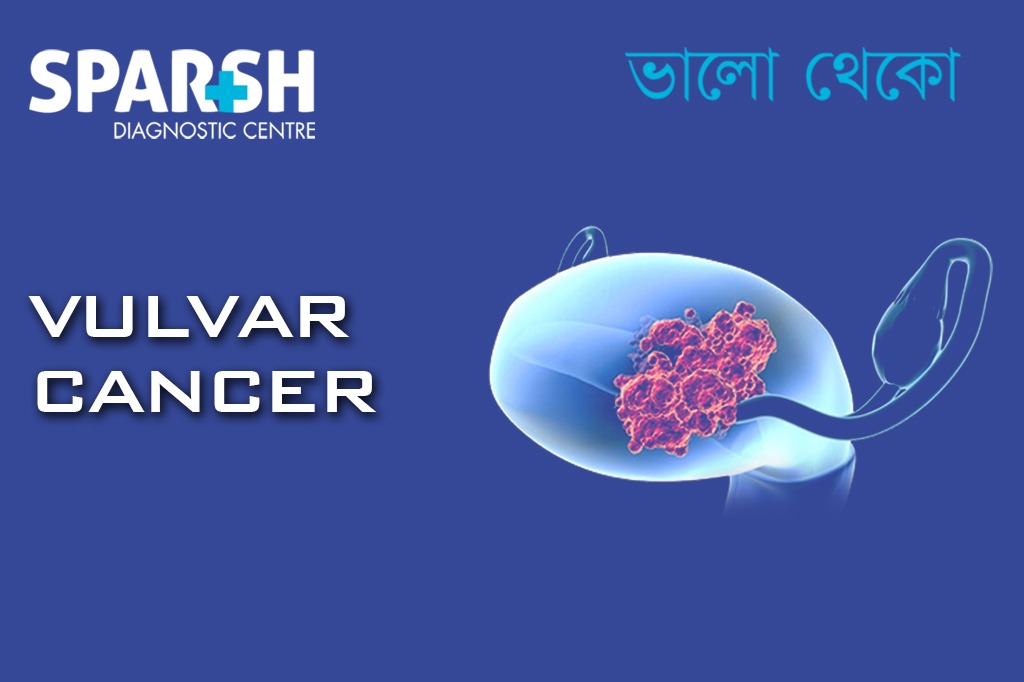
Cancer of the female reproductive system can affect different areas, including the cervix, uterus, ovaries, vagina, and vulva. Among these, vulvar cancer is relatively rare but significant because early symptoms are often ignored or mistaken for minor skin conditions.
Vulvar cancer develops on the outer surface of the female genitalia, particularly the labia majora and labia minora. According to global data, it accounts for about 5% of all gynecologic cancers, but timely detection and treatment can significantly improve survival rates.
In this detailed guide, we’ll cover:
What vulvar cancer is
Common symptoms (as seen in the infographic from Sparsh Diagnostic Centre)
Risk factors and causes
Diagnosis methods
Staging of vulvar cancer
Treatment options
Prevention and self-care strategies
Frequently asked questions
What is Vulvar Cancer?
The vulva is the external part of the female genitalia, including the labia, clitoris, and vaginal opening. Vulvar cancer occurs when abnormal cells in this area start growing uncontrollably.
The most common type is squamous cell carcinoma, accounting for nearly 90% of cases. Less common types include melanoma, adenocarcinoma, basal cell carcinoma, and sarcoma.
Symptoms of Vulvar Cancer
Early recognition of symptoms can make a life-saving difference. The most common warning signs include:
1. Persistent Itching
Chronic itching of the vulva that doesn’t go away with regular treatment may be an early symptom.
This occurs due to irritation caused by abnormal cell growth.
2. Unusual Bleeding
Unexplained bleeding not related to menstruation may signal vulvar or vaginal malignancies.
Postmenopausal bleeding is a red flag.
3. Changes in Skin
The vulvar skin may appear thickened, discolored (red, white, or dark patches), or develop rough textures.
Sometimes, warty or scaly growths appear.
4. Presence of Lumps or Masses
A small lump or growth in the vulvar region may gradually increase in size.
These lumps may be painful or painless.
5. Pain and Tenderness
Constant vulvar pain, soreness, or burning sensation is often overlooked but can be a sign of cancer.
6. Ulcers or Sores
Open sores, lesions, or wounds on the vulva that do not heal may be cancerous.
Other possible symptoms include:
Swelling of the vulva
Burning during urination
Enlarged lymph nodes in the groin

Causes and risk factors of Vulvar Cancer
1. Human Papillomavirus (HPV) Infection
Persistent HPV infection, especially with high-risk strains, is a major cause.
2. Age and Menopause
Most cases are diagnosed in women over 60.
3. Chronic Inflammatory Conditions
Conditions like lichen sclerosus increase the risk.
4. Weakened Immune System
HIV infection, long-term immunosuppressive drugs, or organ transplants may raise the risk.
5. Smoking
Tobacco use is linked to higher chances of developing vulvar cancer.
6. History of Cervical or Vaginal Cancer
Women with prior precancerous lesions (CIN, VIN) are at increased risk.
How is Vulvar Cancer diagnosed?
Doctors use several methods for detection:
Physical Examination – Checking the vulvar area for lumps, lesions, or skin changes.
Biopsy – A small tissue sample is taken and examined under a microscope.
Colposcopy – A magnifying instrument is used to examine the vulva closely.
Imaging Tests – CT, MRI, or PET scans help determine the extent of spread.
Lymph Node Evaluation – To check whether cancer has spread to the groin lymph nodes.
Stages of Vulvar Cancer
Staging helps determine treatment and prognosis.
Stage I: Cancer limited to vulva or perineum.
Stage II: Cancer spread to adjacent structures like the vagina or anus.
Stage III: Cancer spread to nearby lymph nodes.
Stage IV: Advanced cancer with distant spread to bladder, rectum, or other organs.
Treatment options for Vulvar Cancer
1. Surgery
Wide Local Excision: Removing the cancerous tissue along with some healthy tissue.
Vulvectomy: Partial or total removal of the vulva in advanced cases.
Lymphadenectomy: Removal of lymph nodes from the groin.
2. Radiation Therapy
Often used after surgery to kill remaining cancer cells.
Can also shrink tumors before surgery.
3. Chemotherapy
Uses anti-cancer drugs to destroy cancer cells.
May be combined with radiation for advanced stages.
4. Targeted Therapy & Immunotherapy
Newer treatments targeting specific cancer cell mechanisms or boosting the immune system’s ability to fight cancer.
Prevention and early detection
HPV Vaccination: Protects against high-risk HPV strains.
Regular Gynecological Check-ups: Essential for early detection.
Safe Sexual Practices: Using protection can reduce HPV transmission.
Quit Smoking: Reduces overall cancer risk.
Self-Examination: Women should monitor vulvar health and report any unusual changes.
Living with Vulvar Cancer
Coping with vulvar cancer involves both physical and emotional challenges. Supportive care includes:
Pain management
Reconstructive surgery for restoring appearance and sexual function
Counseling and support groups
Nutritional care to boost immunity during treatment
Prognosis and survival rates
The outcome depends on the stage at diagnosis.
Early-stage vulvar cancer has a 5-year survival rate of 70–90%.
Advanced-stage cancer survival rates decline significantly.
This makes early detection and prompt treatment critical.
FAQs on Vulvar Cancer
Q1. Is vulvar cancer common?
No, vulvar cancer is rare, making up about 5% of gynecological cancers.
Q2. What is the first sign of vulvar cancer?
Persistent itching, skin changes, or a lump in the vulvar area are common early signs.
Q3. Can young women get vulvar cancer?
Yes, though more common in older women, HPV-related vulvar cancer can affect younger women.
Q4. How is vulvar cancer different from cervical cancer?
Vulvar cancer affects the outer genital area, while cervical cancer affects the cervix inside the uterus.
Q5. Can vulvar cancer be prevented?
Yes. HPV vaccination, safe sex, quitting smoking, and regular check-ups lower the risk.
Q6. What is the best treatment for vulvar cancer?
Treatment depends on the stage, but surgery is often the primary approach, sometimes combined with radiation or chemotherapy.
Q7. Is vulvar cancer life-threatening?
Yes, if left untreated, it can spread to nearby organs and lymph nodes. However, early detection offers high cure rates.
Q8. Can vulvar cancer come back after treatment?
Yes, recurrence is possible, which is why long-term follow-up with regular check-ups is important.
Vulvar cancer, though rare, should not be ignored. Symptoms like persistent itching, unusual bleeding, skin changes, lumps, and sores warrant medical evaluation. With early detection, advanced treatments, and preventive strategies like HPV vaccination, women can significantly reduce their risk and improve outcomes.
👉 For comprehensive diagnostic services, visit Sparsh Diagnostic Centre and consult specialists for timely screening and treatment.
#BhaloTheko
Disclaimer:
No content on this site, regardless of date, should ever be used as a substitute for direct medical advice from your doctor or other qualified clinician.


