Eclampsia is one of the most serious complications that can occur during pregnancy, labour or after childbirth. It is characterised by the development of seizures in a woman with a hypertensive disorder of pregnancy, usually preeclampsia. Although eclampsia is uncommon, it is a medical emergency because seizures can lead to breathing problems, stroke, aspiration, placental abruption, injury and, in severe cases, maternal or fetal death.
The good news is that eclampsia can often be successfully treated when recognised quickly. Magnesium sulfate is the preferred medicine for controlling and preventing recurrent seizures, severe blood pressure needs urgent treatment, and delivery is the definitive treatment once the mother has been stabilised.
Understanding the warning signs of preeclampsia and seeking timely antenatal care can therefore make an important difference.
What is eclampsia?
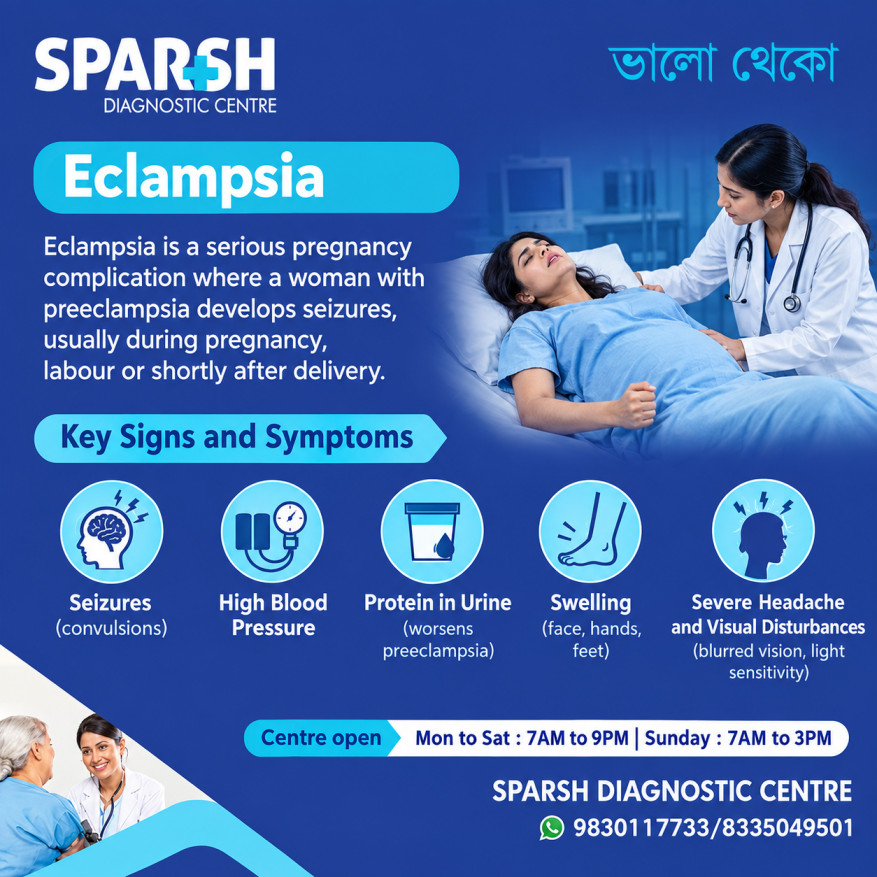
Eclampsia is the occurrence of new-onset seizures associated with preeclampsia or a pregnancy-related hypertensive disorder, when another neurological or metabolic cause does not better explain the seizure.
It usually develops after 20 weeks of pregnancy, but eclamptic seizures can occur before delivery, during labour or after childbirth. Importantly, a woman can sometimes develop eclampsia without having obvious warning symptoms or previously recognised high blood pressure.
Eclampsia should not be confused with epilepsy. Epilepsy is a neurological disorder that can cause recurrent seizures independently of pregnancy. Eclampsia is specifically related to pregnancy-associated disease and requires urgent obstetric management.
What is the difference between preeclampsia and eclampsia?
The simplest way to remember the difference is:
- Preeclampsia: pregnancy-related high blood pressure with protein in the urine and/or signs of organ involvement.
- Eclampsia: preeclampsia or a related hypertensive disorder complicated by seizures.
Preeclampsia can affect the kidneys, liver, blood vessels, brain and placenta. When the condition progresses to seizures, it is classified as eclampsia.
Not every woman with preeclampsia develops eclampsia. In fact, most women with preeclampsia do not have seizures. However, it is difficult to predict exactly who will develop eclampsia, which is why appropriate monitoring during pregnancy and after delivery is important.
What is eclampsia caused by?
The exact cause of eclampsia is not completely understood. It is strongly associated with preeclampsia and appears to involve abnormalities in blood vessels and blood flow affecting the brain.
Severe pregnancy-related hypertension can interfere with the normal regulation of blood flow in the brain. Changes in the brain’s blood vessels, swelling and altered cerebral blood flow may contribute to seizure development.
Researchers believe that several biological processes may be involved, including:
- abnormal placental development and function
- dysfunction of the blood vessel lining
- severe hypertension
- altered cerebral blood flow
- inflammation
- fluid accumulation or swelling in the brain
- genetic and other maternal risk factors.
Therefore, there is not one single cause that explains every case.
What are the main causes of eclampsia?
Clinically, eclampsia most often occurs as a complication of preeclampsia. Factors that increase the risk of preeclampsia and eclampsia include:
- previous preeclampsia or eclampsia
- chronic high blood pressure
- kidney disease
- diabetes
- autoimmune disorders
- multiple pregnancy, such as twins or triplets
- first pregnancy
- obesity
- certain maternal age groups
- a family history of preeclampsia
- some pregnancies conceived using assisted reproductive technology.
However, having a risk factor does not mean that eclampsia will definitely occur. Some women develop eclampsia without an obvious risk factor.
What are the first signs of eclampsia?
The first sign of eclampsia itself may be a seizure, and in some cases there is little or no warning beforehand.
However, many women develop symptoms associated with severe preeclampsia before the seizure. These can include:
- severe or persistent headache
- blurred vision or other visual disturbances
- seeing flashing lights or spots
- nausea or vomiting
- pain in the upper abdomen, particularly under the right ribs
- swelling of the face and hands
- difficulty breathing
- very high blood pressure
- reduced urine output
- confusion or changes in mental state.
Cleveland Clinic and MedlinePlus both emphasise severe headache, visual changes, abdominal pain and other symptoms as warning signs that require urgent medical attention.
A seizure during pregnancy or after childbirth is an emergency. Do not wait for the seizure to stop before seeking medical care.
What are the symptoms of eclampsia?
The defining symptom is a seizure. Eclamptic seizures are often generalised tonic-clonic seizures, although seizure presentations can vary.
A typical seizure may involve:
- sudden loss of awareness
- stiffening of the body
- rhythmic jerking movements
- temporary difficulty breathing
- loss of consciousness
- confusion or drowsiness afterwards.
An eclamptic seizure commonly lasts around one minute, although the recovery period afterwards can be considerably longer.
What are the different stages of eclampsia?
The term “stages of eclampsia” can refer to the clinical phases of an eclamptic seizure, rather than separate stages of the disease.
A typical seizure can be described in four phases:
1. Warning or pre-seizure phase
Some women develop a severe headache, visual disturbance, nausea, upper abdominal pain or other symptoms of severe preeclampsia. However, this phase is not present in everyone.
2. Tonic phase
The muscles suddenly become stiff, and the woman may lose consciousness. Breathing may temporarily become impaired.
3. Clonic phase
The body develops repeated, rhythmic jerking movements. This phase generally lasts for a relatively short period.
4. Postictal phase
After the seizure stops, the woman may be confused, sleepy or temporarily unconscious. Recovery can take varying amounts of time.
These phases should not be interpreted as a predictable progression that occurs identically in every woman.
What are the three main types of eclampsia?
Eclampsia is commonly classified according to when the seizure occurs:
Antepartum eclampsia
This occurs before labour begins.
Intrapartum eclampsia
This occurs during labour.
Postpartum eclampsia
This occurs after the baby has been delivered.
Studies have traditionally used these three categories to describe the timing of eclamptic seizures.
Postpartum eclampsia is particularly important because a woman who has already delivered may assume that pregnancy-related complications are over. In reality, eclampsia can occur after childbirth, most commonly in the first few days, and sometimes later in the postpartum period.
How long can eclampsia last?
There is no single duration for “eclampsia” because the condition includes the underlying illness as well as the seizures.
An individual eclamptic seizure often lasts approximately 60 to 75 seconds, although the post-seizure period may last longer.
The underlying preeclampsia-related illness can persist after delivery. Magnesium sulfate is commonly continued for 24 hours after the last seizure or delivery, depending on the clinical circumstances and treatment protocol.
Blood pressure and other complications may also require monitoring after childbirth.
Can eclampsia lead to coma?
Yes. Eclampsia can cause loss of consciousness and, in severe cases, coma.
A woman may remain unconscious during the postictal period following a seizure. Severe cerebral complications, repeated seizures, stroke, lack of oxygen or other complications can contribute to prolonged unconsciousness.
This is one reason why eclampsia must be managed in an emergency setting with attention to the airway, breathing, circulation, seizure control and blood pressure.
What is the first-line treatment for eclampsia?
The first-line anticonvulsant treatment for eclampsia is magnesium sulfate.
It is used to stop seizures and, importantly, prevent recurrent seizures. WHO recommends magnesium sulfate in preference to other anticonvulsants for women with eclampsia.
Treatment does not stop with magnesium sulfate. Doctors also need to:
- protect the airway and support breathing
- position the woman safely
- control severe hypertension
- assess the mother for complications
- continuously assess the fetus when pregnancy is ongoing
- determine the safest and quickest way to deliver the baby once the mother is stabilised.
NICE recommends intravenous magnesium sulfate with a loading dose followed by maintenance infusion, with additional magnesium sulfate considered for recurrent seizures. Exact dosing and monitoring should be determined by the treating medical team.
How is eclampsia treated during pregnancy?
Treatment is an emergency and usually involves several steps.
1. Stabilising the mother
The immediate priority is the mother’s airway, breathing and circulation. She is positioned safely, oxygen and airway support may be provided, and injuries or aspiration are assessed.
2. Controlling seizures
Magnesium sulfate is the preferred treatment. If seizures recur, additional medication may be administered according to the hospital’s protocol.
3. Controlling severe blood pressure
Very high blood pressure increases the risk of stroke and other complications. Medicines such as labetalol, hydralazine or nifedipine may be used depending on the clinical situation.
4. Assessing the baby
When the pregnancy is ongoing, fetal heart rate monitoring and other assessments help determine how the baby is tolerating the condition.
5. Planning delivery
Delivery is the definitive treatment for the pregnancy-related disease, but the mother should generally be stabilised first. The timing and method of delivery depend on gestational age, maternal condition, fetal condition, labour status and other obstetric factors. Eclampsia does not automatically mean that every woman needs a caesarean birth.
What are the six stages of management for eclampsia?
There is no single universally accepted medical classification called the “six stages of eclampsia management.” Different guidelines and teaching resources organise emergency care somewhat differently.
For patient education, the management can be understood as six practical steps:
- Recognise the emergency – identify the seizure and suspected eclampsia.
- Stabilise airway, breathing and circulation – protect the woman from injury and correct hypoxia.
- Stop and prevent seizures – administer magnesium sulfate.
- Control severe hypertension – use appropriate antihypertensive medication.
- Assess mother and baby – check blood tests, urine output, fetal wellbeing and complications.
- Deliver and provide continued monitoring – once the mother is stabilised, plan delivery and continue postpartum monitoring.
This sequence reflects the core principles described in obstetric emergency guidance, although the exact order and terminology can vary between protocols.
Does eclampsia affect the baby?
Yes. Eclampsia can affect the baby both directly and indirectly.
During a maternal seizure, the baby’s oxygen supply may temporarily be affected. Eclampsia and the underlying placental disease can also increase the risk of:
- fetal distress
- reduced fetal growth
- premature birth
- placental abruption
- low birth weight
- neonatal complications
- stillbirth.
In some cases, the safest option for both mother and baby is early delivery, even when the pregnancy has not reached full term.
The baby’s outcome depends on several factors, including gestational age, severity of the mother’s illness, placental function and how quickly treatment is provided.
Can a mother survive eclampsia?
Yes. A mother can survive eclampsia, and many women recover when they receive prompt, appropriate treatment.
Cleveland Clinic notes that most people recover after delivery, while WHO identifies magnesium sulfate as an effective and lifesaving treatment for eclampsia.
However, survival cannot be guaranteed in an individual case. Serious complications such as stroke, severe hypertension, aspiration, kidney injury, HELLP syndrome, pulmonary complications, placental abruption and major bleeding can occur.
The speed and quality of emergency care are therefore extremely important.
What is the death rate of eclampsia?
There is no single worldwide death rate that applies to every case of eclampsia. Outcomes vary substantially according to access to antenatal care, emergency obstetric services, availability of magnesium sulfate, blood-pressure treatment, intensive care and timely delivery.
For example, TeachMeObGyn cites a maternal mortality rate of approximately 1.8% in the population described on its educational page.
A recent observational study discussing eclampsia in India reported that published maternal death rates can range from approximately 2% to 30%, illustrating how widely outcomes can vary between healthcare settings.
These figures should not be interpreted as an individual’s personal risk. Modern emergency treatment can substantially improve outcomes, and WHO specifically recommends magnesium sulfate for the treatment of eclampsia.
What is another name for eclampsia?
Eclampsia does not have a simple alternative name that is universally preferred today.
Older medical literature sometimes used terms related to “toxemia of pregnancy” when discussing preeclampsia and eclampsia. Modern medical terminology distinguishes between preeclampsia and eclampsia, with eclampsia referring specifically to the development of seizures in the setting of pregnancy-related hypertensive disease.
For clarity, “eclampsia” is the preferred modern medical term.
How is eclampsia diagnosed?
A new seizure during pregnancy or after delivery requires urgent assessment.
Doctors will consider the woman’s pregnancy history, blood pressure, symptoms and clinical examination. Tests may include:
- complete blood count and platelet count
- liver function tests
- kidney function tests
- blood glucose
- clotting studies
- urine protein testing
- fetal monitoring when appropriate.
Other possible causes of seizures may need to be excluded, particularly when the presentation is unusual or neurological findings persist. These can include epilepsy, stroke, brain injury, infection, metabolic abnormalities and other neurological disorders.
What complications can eclampsia cause?
Eclampsia can affect several organs and systems.
Potential maternal complications include:
- Stroke or intracranial bleeding
- Aspiration pneumonia
- Pulmonary edema
- Acute kidney injury
- Liver injury
- HELLP syndrome
- Abnormal blood clotting
- Placental abruption
- Prolonged unconsciousness
- Maternal death.
For the baby, complications may include fetal distress, growth restriction, prematurity, placental abruption and stillbirth.
Can eclampsia be prevented?
The most effective approach is to identify and manage preeclampsia before it progresses to seizures.
Regular antenatal care allows healthcare professionals to monitor:
- blood pressure
- urine protein
- symptoms
- fetal growth and wellbeing
- kidney and liver function when indicated
- platelet counts and other laboratory markers.
For women at appropriate risk, clinicians may recommend preventive measures such as low-dose aspirin or other interventions based on individual risk factors. WHO also recommends magnesium sulfate for seizure prevention in women with severe preeclampsia in appropriate circumstances.
When should you seek emergency medical care?
Pregnancy-related seizures should always be treated as a medical emergency.
Seek immediate medical attention for:
- a seizure or loss of consciousness
- severe or persistent headache
- blurred or lost vision
- severe upper abdominal pain
- very high blood pressure
- sudden swelling of the face or hands
- difficulty breathing
- severe vomiting
- reduced fetal movement
- vaginal bleeding.
Eclampsia can occur during pregnancy as well as after delivery, so concerning symptoms should not be ignored simply because the baby has already been born.
Frequently asked questions about eclampsia
What is eclampsia caused by?
Eclampsia is most commonly a complication of preeclampsia. The exact mechanism is not fully understood but appears to involve abnormal blood-vessel function, severe hypertension and disturbances in blood flow and swelling in the brain.
What is the difference between preeclampsia and eclampsia?
Preeclampsia is a pregnancy-related hypertensive disorder with proteinuria and/or organ involvement. Eclampsia occurs when seizures develop in association with this condition.
Can a mother survive eclampsia?
Yes. Many mothers recover with rapid emergency treatment. Magnesium sulfate, blood-pressure control, stabilisation and timely delivery are central to management.
What are the first signs of eclampsia?
Severe headache, visual disturbances, upper abdominal pain, nausea or vomiting, swelling, breathing difficulty and severe hypertension can precede a seizure. However, eclampsia can sometimes occur without warning symptoms.
What is the first-line treatment for eclampsia?
Magnesium sulfate is the first-line medication for controlling and preventing recurrent eclamptic seizures. The mother must also be stabilised, severe hypertension treated and delivery planned when appropriate.
What are the three main types of eclampsia?
They are classified according to timing: antepartum, intrapartum and postpartum eclampsia.
What is the death rate of eclampsia?
There is no universal death rate. Reported maternal mortality varies considerably between healthcare settings. One educational source reports approximately 1.8%, while studies from resource-variable settings have reported substantially higher rates.
How long can eclampsia last?
An individual seizure commonly lasts about 60–75 seconds, followed by a variable recovery period. The underlying condition can require treatment and monitoring for days after delivery.
Does eclampsia affect the baby?
Yes. It can increase the risk of fetal distress, growth restriction, premature delivery, placental abruption and stillbirth.
How is eclampsia treated during pregnancy?
Treatment includes stabilising the mother, administering magnesium sulfate, controlling severe blood pressure, monitoring the fetus and delivering the baby once the mother is stabilised and delivery is indicated.
What are the different stages of eclampsia?
A typical seizure may have a warning phase, tonic phase, clonic phase and postictal phase. These are descriptions of seizure activity rather than formal stages of the disease.
What is another name for eclampsia?
There is no preferred modern synonym. Older terminology sometimes referred to preeclampsia and eclampsia as “toxemia of pregnancy”, but this terminology is now outdated.
What are the six stages of management for eclampsia?
There is no universally standardised six-stage classification. A practical framework is: recognise the emergency, stabilise airway/breathing/circulation, control seizures, control blood pressure, assess mother and baby, and proceed with delivery and continued monitoring when indicated.
What are the main causes of eclampsia?
The main underlying condition is preeclampsia. Risk is also associated with conditions such as chronic hypertension, kidney disease, diabetes, autoimmune disease, multiple pregnancy, previous preeclampsia and certain maternal and pregnancy-related risk factors.
Can eclampsia lead to coma?
Yes. Loss of consciousness and coma can occur after an eclamptic seizure, particularly when seizures are severe or complications such as cerebral injury, stroke or hypoxia occur.
Is it possible to survive eclampsia?
Yes. Eclampsia is life-threatening, but prompt emergency treatment can lead to recovery. Early recognition of preeclampsia, appropriate antenatal monitoring and rapid access to emergency obstetric care are important for reducing complications.
Final thoughts
Eclampsia is a medical emergency, not simply a more severe form of a routine pregnancy symptom. Its defining feature is a seizure associated with pregnancy-related hypertensive disease, and it can occur before, during or after childbirth.
The most important points to remember are simple: recognise severe symptoms early, seek emergency care for seizures or concerning neurological symptoms, use magnesium sulfate for seizure control under medical supervision, treat severe hypertension promptly, and plan delivery after stabilising the mother.
Regular antenatal check-ups remain one of the best ways to detect preeclampsia before it progresses to eclampsia. WHO notes that preeclampsia affects approximately 3–8% of women who give birth worldwide and that hypertensive disorders remain an important contributor to maternal and perinatal illness and death.
Medical disclaimer: This article is intended for general health education and should not replace assessment by an obstetrician or emergency medical team. A seizure during pregnancy or after childbirth requires immediate emergency medical attention.
#BhaloTheko
Disclaimer:
No content on this site, regardless of date, should ever be used as a substitute for direct medical advice from your doctor or other qualified clinician.