When it comes to reproductive health, many conditions remain under-discussed despite their significant impact. One such condition is Asherman Syndrome—a disorder that can quietly affect menstrual health, fertility, and overall well-being.
If you’ve been experiencing changes in your menstrual cycle, difficulty conceiving, or unexplained pelvic discomfort, understanding Asherman Syndrome can help you take the right next steps. Let’s walk through it in a clear, practical, and human way.
What Is Asherman Syndrome?
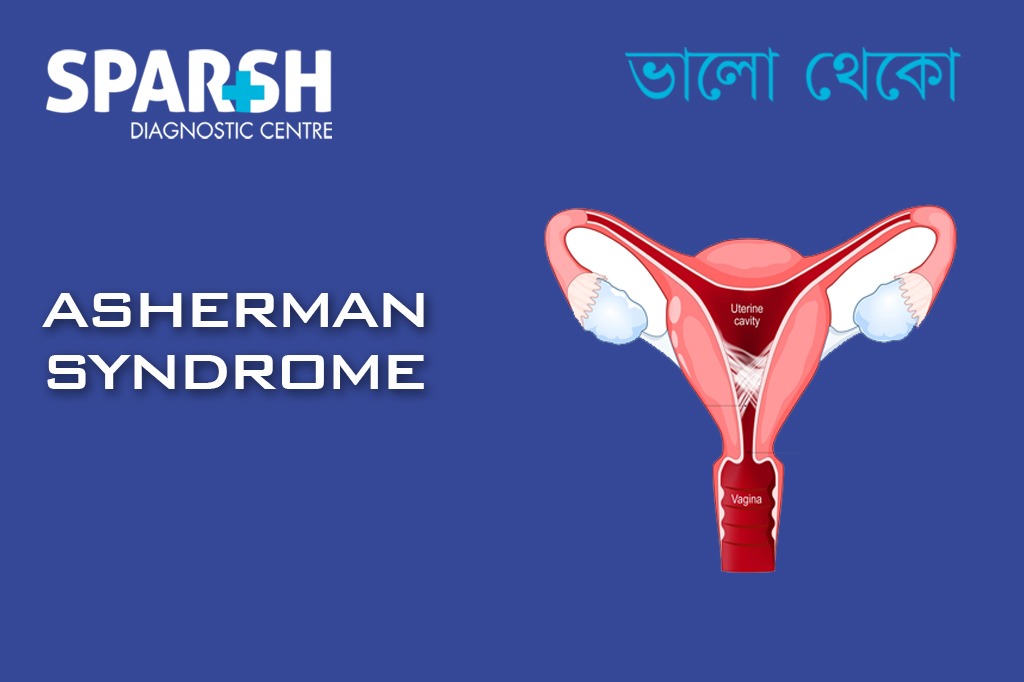
Asherman Syndrome refers to the formation of scar tissue (also called adhesions) inside the uterus. These adhesions can partially or completely block the uterine cavity, interfering with normal menstrual flow and pregnancy.
Think of the uterus as a soft, flexible space. In Asherman Syndrome, scar tissue develops like internal “bands,” which can stick the walls of the uterus together. This reduces the available space for the uterine lining to grow and function normally.
What Causes Asherman Syndrome?
The most common cause of Asherman Syndrome is trauma to the uterine lining, especially after medical procedures. These include:
1. Dilation and Curettage (D&C)
A procedure often performed after:
- Miscarriage
- Abortion
- Retained placenta after delivery
Repeated or complicated D&C procedures significantly increase the risk.
2. Postpartum Complications
Infections or surgical interventions after childbirth can damage the uterine lining.
3. Uterine Surgeries
Procedures like fibroid removal or cesarean sections may lead to scarring.
4. Infections
Though less common, infections such as:
- Genital tuberculosis (more relevant in countries like India)
- Severe pelvic infections
can also contribute to adhesion formation.
Symptoms of Asherman Syndrome
The tricky part? Symptoms can vary widely. Some women notice obvious changes, while others may not realize anything is wrong until they try to conceive.
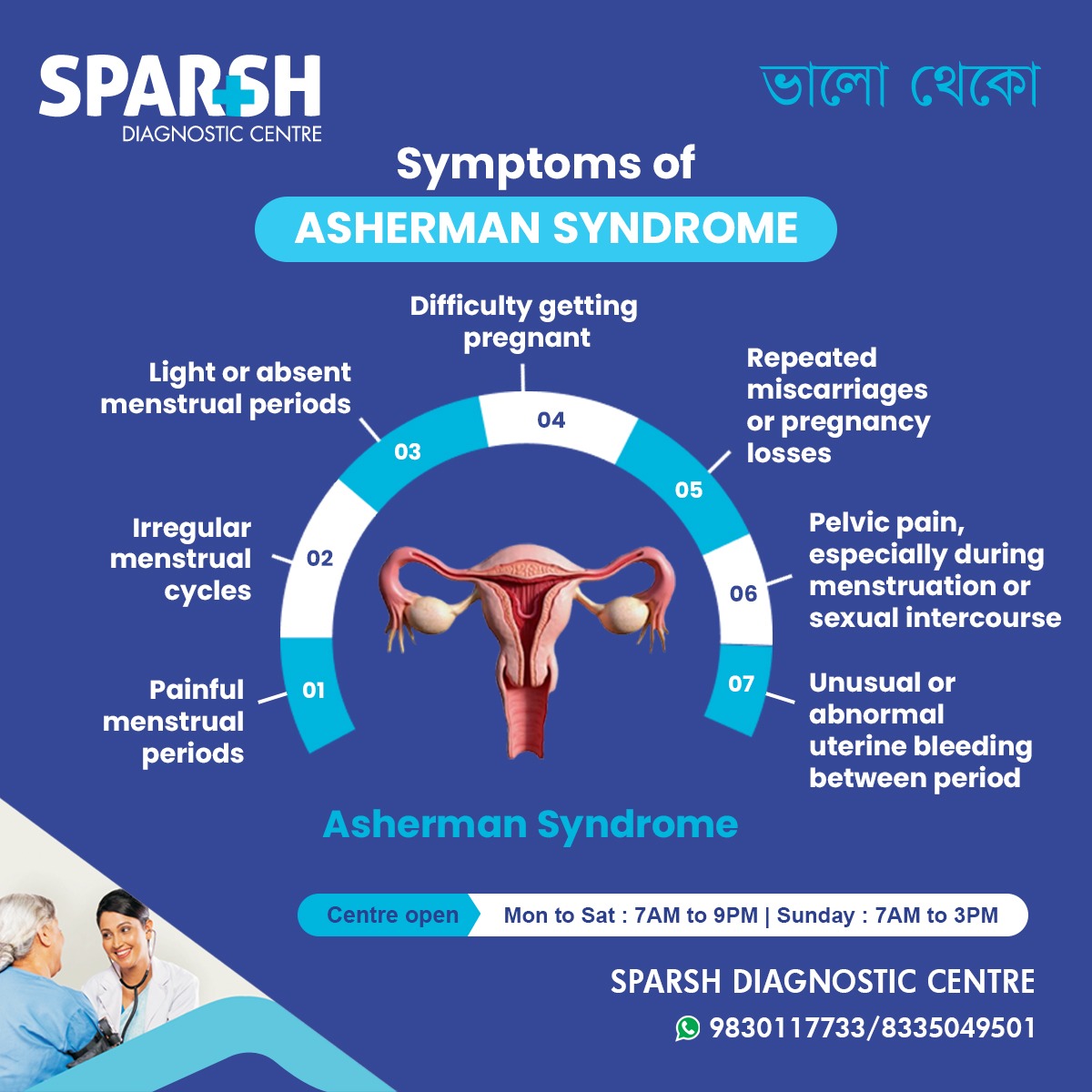
Here are the most common signs:
1. Changes in Menstrual Cycle
This happens because scar tissue reduces the area where the uterine lining can grow.
2. Painful Periods
Some women experience cramping without proper bleeding, as menstrual blood gets trapped.
3. Irregular Menstrual Cycles
Cycles may become unpredictable or inconsistent.
4. Difficulty Getting Pregnant
The uterus may not be able to support implantation properly.
5. Recurrent Miscarriages
Repeated pregnancy loss can be a key warning sign.
6. Pelvic Pain
Especially during menstruation or intercourse.
7. Abnormal Bleeding
Spotting or bleeding between periods may occur.
Why Asherman Syndrome Affects Fertility
Fertility depends heavily on a healthy uterine lining. In Asherman Syndrome:
- The lining may not grow adequately
- Blood supply to the uterus may be reduced
- Implantation becomes difficult
Even if fertilization occurs, the embryo may struggle to attach or develop properly.
How Is Asherman Syndrome Diagnosed?
If your doctor suspects Asherman Syndrome, several tests may be recommended:
1. Hysteroscopy (Gold Standard)
A thin camera is inserted into the uterus to directly visualize adhesions.
2. Hysterosalpingography (HSG)
An X-ray test using contrast dye to assess the shape of the uterus.
3. Ultrasound
May suggest abnormalities, but often not sufficient alone.
4. Sonohysterography
A specialized ultrasound using saline to better visualize the uterine cavity.
Among these, hysteroscopy remains the most accurate and also allows treatment at the same time.
Treatment Options for Asherman Syndrome
The good news is that Asherman Syndrome is treatable in many cases.
1. Hysteroscopic Adhesiolysis
This is the primary treatment. A surgeon carefully removes scar tissue using specialized instruments.
The goal is to:
- Restore normal uterine shape
- Reopen blocked areas
- Improve menstrual function
2. Hormonal Therapy
After surgery, estrogen therapy is often prescribed to:
- Promote regrowth of the uterine lining
- Prevent reformation of adhesions
3. Intrauterine Devices or Balloons
Sometimes placed temporarily to keep uterine walls from sticking together again.
4. Antibiotics
If infection is suspected or needs prevention post-surgery.
Recovery and Outlook
Recovery depends on the severity of the condition.
- Mild cases: Often respond very well to treatment
- Moderate cases: Good improvement, though monitoring is needed
- Severe cases: May require multiple procedures
Menstrual cycles often return to normal within a few months after treatment.
Can You Get Pregnant After Asherman Syndrome?
Yes—many women do successfully conceive after treatment.
However, outcomes depend on:
- Extent of scarring
- Success of surgical removal
- Overall reproductive health
In some cases, assisted reproductive techniques like IVF may be recommended.
Close monitoring during pregnancy is essential, as there may be a slightly higher risk of complications such as:
Preventing Asherman Syndrome
While not always preventable, you can reduce risk by:
- Avoiding unnecessary D&C procedures
- Choosing experienced medical professionals
- Treating uterine infections promptly
- Following proper post-surgical care
If you’ve had a recent uterine procedure and notice changes in your periods, don’t ignore them.
When Should You See a Doctor?
You should consider medical evaluation if you experience:
- Sudden absence of periods
- Lighter-than-usual menstruation
- Repeated miscarriages
- Difficulty conceiving
- Persistent pelvic pain
Early diagnosis makes a significant difference in treatment success.
Living with Asherman Syndrome
A diagnosis like this can feel overwhelming—especially if you’re trying to conceive. But it’s important to remember:
- It’s treatable in many cases
- Early intervention improves outcomes
- You’re not alone—this condition is more common than it seems
Open communication with your doctor and a clear treatment plan can help you move forward with confidence.
Frequently Asked Questions (FAQs)
1. What is the main cause of Asherman Syndrome?
The most common cause is uterine trauma, especially after procedures like dilation and curettage (D&C), often following miscarriage or abortion.
2. Can Asherman Syndrome go away on its own?
No, scar tissue inside the uterus does not resolve naturally. Medical or surgical treatment is required.
3. Is Asherman Syndrome permanent?
Not necessarily. Many cases can be successfully treated, especially when diagnosed early.
4. How is Asherman Syndrome confirmed?
The most reliable method is hysteroscopy, which allows direct visualization of the uterine cavity.
5. Can I have normal periods with Asherman Syndrome?
Some women may still have periods, but they are often lighter or irregular.
6. Is pregnancy possible after treatment?
Yes, many women conceive successfully after proper treatment, though outcomes vary.
7. Is Asherman Syndrome painful?
It can be. Some women experience significant pelvic pain, especially during menstruation.
8. Can infections cause Asherman Syndrome?
Yes, though less commonly. Conditions like genital tuberculosis can lead to uterine scarring.
9. How long does recovery take after treatment?
Recovery varies but typically ranges from a few weeks to a few months, depending on severity.
10. Is IVF required for all patients?
No. Some women conceive naturally after treatment, while others may need assisted reproductive techniques.
To consult a Gynecologist at Sparsh Diagnostic Centre, call our helpline numbers 9830117733/ 8335049501.
#BhaloTheko
Disclaimer:
No content on this site, regardless of date, should ever be used as a substitute for direct medical advice from your doctor or other qualified clinician.