When a baby is developing in the womb, countless complex processes happen perfectly in sync. Occasionally, however, something doesn’t follow the usual path. One such condition is Omphalocele—a serious birth defect that requires timely medical attention and specialized care.
If you’re a parent, caregiver, or simply someone trying to understand this condition better, this guide will walk you through everything you need to know—clearly, calmly, and without unnecessary medical jargon.
What Is Omphalocele?
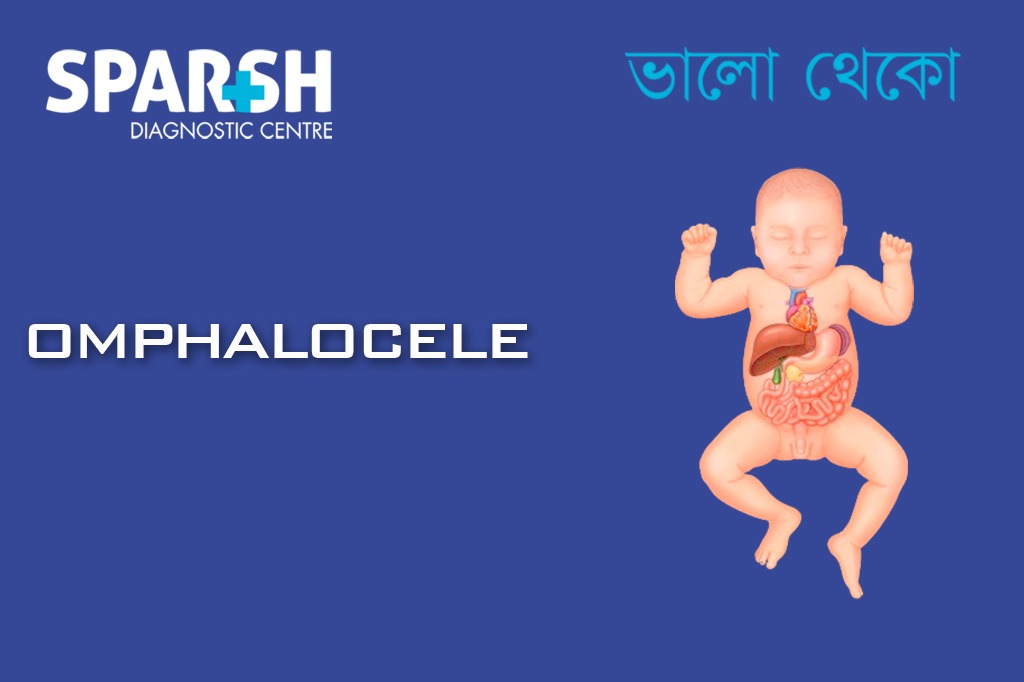
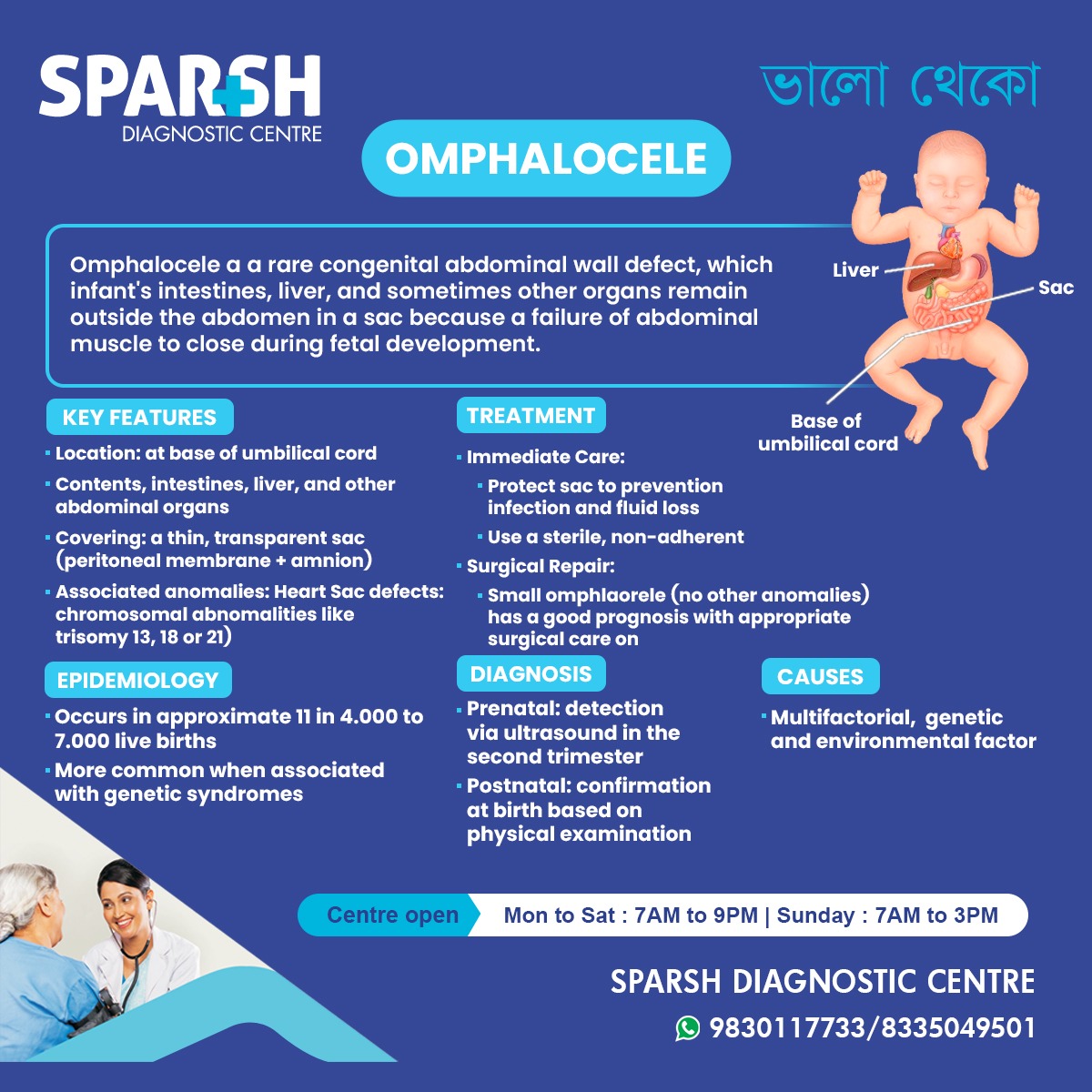
Omphalocele is a congenital (present at birth) condition where a baby’s abdominal organs—such as the intestines, liver, and sometimes other organs—develop outside the body. These organs are not exposed directly; instead, they are enclosed in a thin, transparent sac.
This happens because the abdominal wall fails to close properly during fetal development. Normally, as a fetus grows, the intestines temporarily move outside the abdomen and then return inside. In omphalocele, this return doesn’t happen as it should.
How Common Is Omphalocele?
Omphalocele is considered rare. It occurs in approximately 1 in 4,000 to 7,000 live births. While uncommon, it is one of the more recognizable abdominal wall defects due to its characteristic appearance at birth.
It’s also important to note that omphalocele is often associated with other conditions, including genetic or chromosomal abnormalities. This makes early diagnosis and comprehensive evaluation especially important.
What Causes Omphalocele?
There isn’t a single, clear cause of omphalocele. Instead, it’s typically the result of a combination of genetic and environmental factors.
Possible contributing factors include:
- Genetic abnormalities: Conditions like trisomy 13, 18, or 21 are often linked with omphalocele.
- Developmental issues during pregnancy: Improper formation of the abdominal wall.
- Environmental influences: Certain medications, maternal health conditions, or exposures during pregnancy may play a role.
- Unknown factors: In many cases, no specific cause is identified.
It’s important to understand that nothing a parent did or didn’t do necessarily caused this condition.
Key Features of Omphalocele
Omphalocele has a few defining characteristics that distinguish it from other abdominal wall defects:
- Location: At the base of the umbilical cord
- Covering: A thin, transparent sac made of peritoneum and amnion
- Contents: Intestines, liver, and sometimes other organs
- Size variation: Can range from small to large defects
Small vs Large Omphalocele
- Small omphalocele: Typically contains only a portion of the intestines
- Large (giant) omphalocele: May include the liver and other organs, making treatment more complex
Signs and Symptoms
The most obvious sign of omphalocele is visible at birth:
- A sac protruding from the baby’s abdomen at the umbilical area
- Organs visible inside the sac
- In larger cases, a significantly enlarged abdominal protrusion
In addition to the visible features, babies may also have:
- Breathing difficulties (especially in large omphaloceles)
- Feeding challenges
- Associated congenital anomalies
Associated Conditions
Omphalocele rarely occurs in isolation. In fact, many babies with this condition also have other medical concerns.
Common associated conditions include:
- Congenital heart defects
- Chromosomal abnormalities (e.g., trisomy 13, 18, 21)
- Beckwith-Wiedemann syndrome
- Neural tube defects
Because of these associations, doctors usually recommend a thorough evaluation after diagnosis.
How Is Omphalocele Diagnosed?
Prenatal Diagnosis
In many cases, omphalocele is detected before birth during routine prenatal scans.
- Ultrasound: Often identifies the condition in the second trimester
- Fetal echocardiography: Checks for heart defects
- Genetic testing: May be recommended to identify chromosomal abnormalities
Early diagnosis allows parents and doctors to plan for delivery and immediate care.
Postnatal Diagnosis
If not detected during pregnancy, omphalocele is usually diagnosed immediately at birth based on physical appearance.
Treatment Options
Treatment for omphalocele depends largely on the size of the defect and the baby’s overall health.
Immediate Care After Birth
Right after delivery, the priority is to stabilize the baby:
- Protect the sac to prevent infection and fluid loss
- Keep the baby warm
- Provide intravenous fluids
- Monitor breathing and vital signs
Surgical Treatment
Surgery is the main treatment for omphalocele.
1. Primary Repair (for small omphaloceles)
- Organs are placed back into the abdomen
- The abdominal wall is closed in one procedure
- Usually performed soon after birth
2. Staged Repair (for large omphaloceles)
- Organs are gradually moved back into the abdomen over several days or weeks
- A special covering or “silo” may be used
- Final closure is done once the organs are safely repositioned
This gradual approach helps prevent complications related to pressure inside the abdomen.
Recovery and Hospital Stay
Recovery varies depending on the severity of the condition.
What to expect:
- NICU stay: Most babies require care in a neonatal intensive care unit
- Feeding support: Some babies need feeding tubes initially
- Breathing support: Especially in large omphaloceles
- Monitoring for complications
Hospital stays can range from a few weeks to several months.
Possible Complications
While many babies recover well, omphalocele can come with risks:
- Infection
- Rupture of the sac
- Breathing difficulties
- Feeding issues
- Delayed growth and development
- Long-term digestive problems
Early and ongoing medical care plays a key role in minimizing these risks.
Long-Term Outlook
The prognosis for babies with omphalocele varies widely.
Factors affecting outcomes:
- Size of the omphalocele
- Presence of other congenital conditions
- Overall health of the baby
- Access to specialized medical care
General outlook:
- Isolated, small omphalocele: Excellent prognosis with proper treatment
- Large or complex cases: May require long-term medical support
Many children go on to lead healthy, active lives, especially with early intervention and follow-up care.
Living With Omphalocele: What Parents Should Know
Caring for a baby with omphalocele can feel overwhelming, especially in the early days. But with the right support, it becomes manageable.
Practical tips:
- Stay informed and ask questions
- Work closely with a pediatric specialist team
- Follow feeding and care instructions carefully
- Attend regular follow-up appointments
- Seek emotional support when needed
You’re not alone—medical teams are there to guide you every step of the way.
Prevention: Is It Possible?
There is no guaranteed way to prevent omphalocele. However, certain steps may reduce the risk of birth defects in general:
- Regular prenatal checkups
- Taking folic acid supplements
- Managing chronic health conditions
- Avoiding harmful substances during pregnancy
Even with the best precautions, some cases cannot be prevented—and that’s important to acknowledge.
When to Seek Medical Advice
If omphalocele is diagnosed during pregnancy, regular monitoring and planning are essential. After birth, immediate medical care is critical.
Seek urgent medical attention if:
- The sac appears damaged or ruptured
- The baby shows signs of distress
- There are feeding or breathing difficulties
Prompt action can make a significant difference in outcomes.
FAQs About Omphalocele
1. Is omphalocele the same as gastroschisis?
No. While both involve abdominal organs outside the body, gastroschisis does not have a protective sac and usually occurs beside the umbilical cord rather than at its base.
2. Can omphalocele be detected during pregnancy?
Yes. Most cases are identified during routine ultrasound scans in the second trimester.
3. Is surgery always required?
Yes, surgery is necessary to place the organs back into the abdomen and close the defect.
4. What is the survival rate?
Survival rates are high for isolated cases. However, outcomes depend on associated conditions and the size of the defect.
5. Will my child have long-term health issues?
Many children do very well, especially if there are no additional complications. Some may require ongoing medical follow-up.
6. Can babies with omphalocele lead normal lives?
Yes, many children grow up to live healthy and active lives, particularly when the condition is treated early and effectively.
7. Is omphalocele hereditary?
In some cases, it may be linked to genetic conditions, but it is not always inherited.
8. How soon after birth is surgery performed?
For small omphaloceles, surgery is often done within the first few days. Larger cases may require staged procedures over time.
Final Thoughts
Omphalocele can be a challenging diagnosis, but it’s far from hopeless. Advances in prenatal imaging, neonatal care, and surgical techniques have dramatically improved outcomes over the years.
What matters most is early detection, proper medical care, and a supportive environment for both the baby and the family. With the right approach, many children with omphalocele go on to thrive.
To consult a Pediatrician at Sparsh Diagnostic Centre, call our helpline numbers 9830117733/ 8335049501.
#BhaloTheko
Disclaimer:
No content on this site, regardless of date, should ever be used as a substitute for direct medical advice from your doctor or other qualified clinician.