


Swine flu is the common name historically used for infection caused by certain influenza A viruses, particularly the H1N1 virus that caused the 2009 pandemic. Today, that pandemic H1N1 virus is known as influenza A(H1N1)pdm09 and continues to circulate as one of the seasonal influenza viruses.
For most otherwise healthy people, H1N1 flu causes a short-term respiratory illness and recovery occurs without complications. However, influenza can sometimes become serious, particularly in young children, older adults, pregnant women and people with certain chronic medical conditions.
Because the symptoms of H1N1 overlap considerably with COVID-19 and other respiratory infections, symptoms alone cannot reliably tell you which virus you have. Testing may be needed when confirmation will affect treatment or medical decisions.
What is swine flu?
Swine flu is an informal term that became widely used during the 2009 H1N1 pandemic. The virus was a new combination of influenza genes when it emerged in humans in 2009. After the pandemic ended, the H1N1 virus continued circulating and became part of seasonal influenza.
So, what is swine flu called now?
The virus responsible for the 2009 pandemic is generally called influenza A(H1N1)pdm09. It is now considered one of the seasonal influenza A viruses rather than a separate “swine flu” disease. The term “swine flu” is still commonly used by the public, particularly when referring to H1N1 infection.
It is also important to distinguish seasonal H1N1 infection from variant influenza viruses, which are influenza viruses that have been detected in people after exposure to pigs. These are a different public-health category.
What causes swine flu?
Swine flu, in the sense commonly used for H1N1 infection, is caused by an influenza A virus, specifically the A(H1N1)pdm09 strain that emerged during the 2009 pandemic.
Influenza viruses infect the respiratory tract and can spread from one person to another through respiratory particles and droplets released when an infected person coughs, sneezes or talks. Close contact and touching contaminated surfaces followed by touching the nose, mouth or eyes may also contribute to transmission.
The virus can spread quickly in households, schools, workplaces and other crowded environments.
What is the main reason for flu?
The immediate cause of flu is infection with an influenza virus. Seasonal outbreaks occur because influenza viruses continually change and because immunity can decrease over time.
Flu isn’t caused by cold weather itself, although influenza transmission can increase during particular seasons and environmental conditions. In tropical areas, influenza can circulate throughout the year, with outbreaks occurring at different times.
What are the first symptoms of swine flu?
What is the first symptom of swine flu?
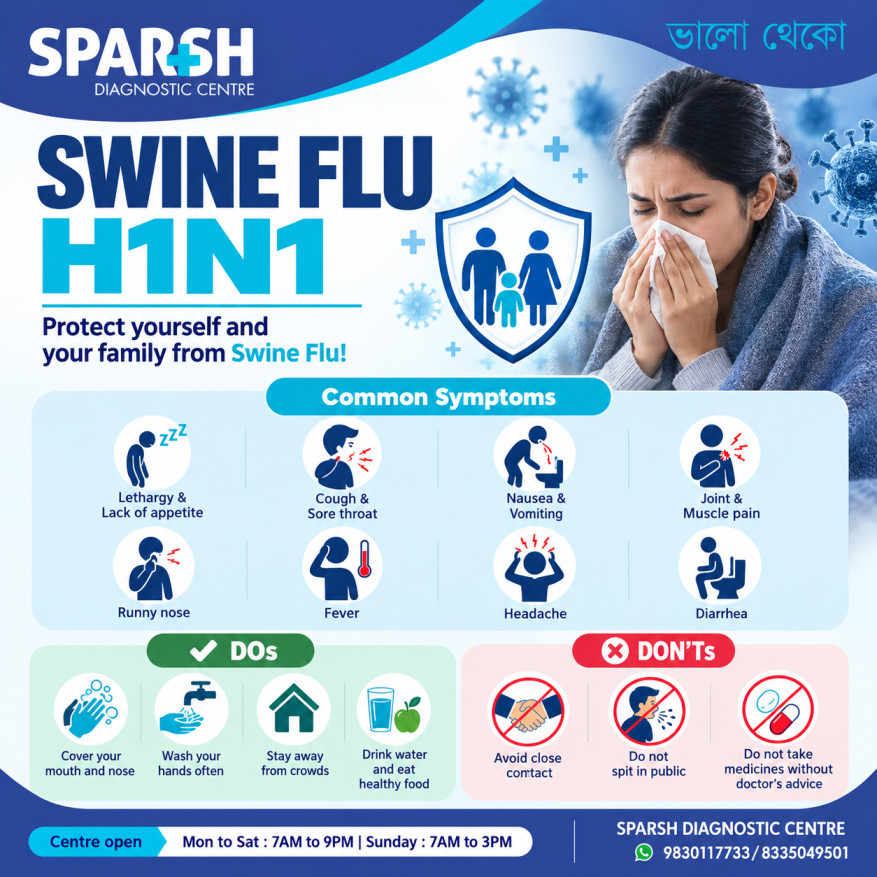
There isn’t one universal first symptom. H1N1 flu often begins fairly suddenly, and early symptoms can include:
- Fever or feeling feverish
- Chills
- Headache
- Muscle and body aches
- Tiredness or weakness
- Loss of appetite
- Sore throat
- Cough
- Runny or blocked nose
Some people develop vomiting or diarrhea, particularly children. Not everyone with influenza develops a fever.
Compared with an ordinary cold, influenza is more likely to produce an abrupt onset, fever, significant body aches, chills and pronounced fatigue.
How do you feel with swine flu?
How do you feel with swine flu?
People often describe influenza as feeling as though they have been suddenly “hit” by an illness. You may feel extremely tired, achy and weak, with chills, fever, headache and a cough or sore throat.
A typical combination is:
Sudden illness + fever/chills + body aches + headache + marked tiredness + cough or sore throat.
However, symptoms vary from person to person. Some people have relatively mild illness, while others develop significant respiratory symptoms or complications.
Children can sometimes experience gastrointestinal symptoms such as vomiting and diarrhoea more frequently than adults.
Which organ is affected by flu?
Influenza primarily affects the respiratory system, including the nose, throat and lungs. This is why cough, sore throat, nasal symptoms and breathing difficulties can occur.
In uncomplicated cases, the illness remains relatively mild and resolves. In more severe cases, influenza can contribute to complications such as pneumonia, worsening of asthma or other chronic lung disease, dehydration and other serious problems.
Is swine flu life threatening?
It can be, but most people recover from uncomplicated seasonal influenza.
The risk of severe illness is higher among certain groups, including:
- Adults aged 65 and older
- Young children
- Pregnant women
- People with asthma or chronic lung disease
- People with diabetes
- People with heart disease
- People with certain neurological conditions
- People with weakened immune systems
- People with other significant chronic medical conditions
Seek urgent medical attention if an adult develops difficulty breathing, persistent chest pain or pressure, confusion, inability to stay awake, seizures, severe weakness, severe muscle pain, dehydration or a fever/cough that improves and then becomes worse.
How long does swine flu last?
Influenza symptoms generally begin 1–4 days after infection, with symptoms commonly lasting around a week. Fever and the more intense symptoms often improve within several days, although cough and tiredness can persist longer.
Recovery time varies depending on your age, general health, the severity of infection and whether complications develop.
If you start feeling better but then develop worsening fever, cough, breathing difficulty or other concerning symptoms, don’t assume that it is simply taking longer to recover. A secondary infection or another complication may need medical assessment.
How to check if you have swine flu
Symptoms can make a doctor suspect influenza, but they cannot reliably confirm H1N1 because many respiratory infections cause similar symptoms.
Flu testing can be performed using a respiratory specimen. Depending on the test, influenza virus antigens or genetic material can be detected. Rapid influenza diagnostic tests can provide results quickly, while molecular tests are generally more sensitive.
RT-PCR and other molecular tests can identify influenza viral genetic material and may be used when laboratory confirmation is important.
In some healthcare settings, multiplex tests can detect influenza viruses and SARS-CoV-2 from the same respiratory specimen. This can be particularly useful because flu and COVID-19 can produce very similar symptoms.
What is the difference between COVID and swine flu?
COVID-19 and H1N1 flu are both contagious respiratory illnesses, but they are caused by different viruses.
| Feature | H1N1 flu | COVID-19 |
|---|---|---|
| Caused by | Influenza A(H1N1)pdm09 | SARS-CoV-2 |
| Common symptoms | Fever, chills, cough, body aches, headache, fatigue | Fever, cough, fatigue, sore throat, congestion and other respiratory symptoms |
| Onset | Often sudden | Can be variable |
| Body aches | Common | Can occur |
| Loss of taste/smell | Less characteristic | More associated with COVID-19, although not present in everyone |
| Diagnosis | Flu testing/molecular testing | SARS-CoV-2 testing |
| Treatment | Supportive care and, when indicated, antiviral medicines | Depends on severity and individual risk; specific COVID-19 treatment may be indicated for people at higher risk |
There is substantial overlap between the two illnesses, so you cannot reliably distinguish COVID-19 from influenza by symptoms alone. Testing is the more reliable way to identify the infection. A person can also have influenza and COVID-19 at the same time.
How can I treat swine flu?
How can I treat the swine flu?
For mild influenza in an otherwise healthy person, treatment generally focuses on helping the body recover and controlling symptoms.
This may include:
- Getting adequate rest
- Drinking enough fluids
- Eating light, nutritious meals as tolerated
- Using appropriate fever or pain medication when advised
- Staying home while acutely ill
- Avoiding close contact with vulnerable people
- Following medical advice if symptoms become severe
Most people with uncomplicated influenza recover without specific treatment.
Which medicine is best for swine flu?
There isn’t one medicine that is automatically “best” for every person.
Antiviral medicines can be prescribed for influenza. Depending on the circumstances, medicines such as oseltamivir may be used. Antivirals work best when started early, ideally within 1–2 days after symptoms begin, although people who are severely ill, hospitalized or at increased risk of complications may still benefit from treatment started later.
Antibiotics do not treat influenza because influenza is caused by a virus, not bacteria. Antibiotics may be required only if a doctor identifies a bacterial infection or complication.
Do not start prescription antiviral medicines without appropriate medical advice.
How to get rid of swine flu fast
There is no reliable way to make influenza disappear immediately. The best approach is to start appropriate treatment early when indicated and give your body time to recover.
If you are at increased risk of complications or your symptoms are significant, contact a healthcare professional promptly. Antiviral treatment provides the greatest benefit when started early.
Rest, fluids and appropriate symptom relief can make the illness easier to manage.
Avoid trying unproven “instant cures” or taking antibiotics unnecessarily.
What kills the flu virus in the body?
Your immune system is primarily responsible for clearing an influenza infection. Antiviral medicines can interfere with viral replication and may shorten illness and reduce the risk of certain complications when used appropriately.
Antibiotics do not kill influenza viruses.
This is why treatment depends on whether you have influenza, a bacterial infection, COVID-19 or another respiratory illness.
What’s the worst thing to eat when you have the flu?
There isn’t one specific food that universally makes influenza worse. However, when you’re sick, some foods and drinks may be difficult to tolerate.
If you have nausea, vomiting or diarrhoea, it may be sensible to avoid:
- Heavy, greasy meals
- Very spicy foods if they upset your stomach
- Large meals
- Excessive alcohol
- Drinks containing excessive caffeine if they contribute to dehydration
Instead, choose foods you can comfortably tolerate and focus on maintaining fluid intake.
Simple foods such as soup, rice, khichdi, toast, bananas, cooked vegetables or other familiar meals may be easier to manage. If you have a medical condition requiring a specific diet, follow your clinician’s dietary advice.
Is there a vaccine for swine flu?
Yes. There is no separate routine “swine flu vaccine” needed specifically because H1N1 is now part of seasonal influenza.
Seasonal influenza vaccines are formulated to protect against the influenza viruses expected to circulate, including an H1N1 component. Current seasonal flu vaccines include protection against an influenza A(H1N1) virus along with other major seasonal influenza groups.
Annual influenza vaccination is an important way to reduce the risk of influenza and its complications. WHO also identifies vaccination as the best way to prevent seasonal influenza.
Whether vaccination is appropriate for you depends on your age, health status, local recommendations and vaccine availability. Speak with a healthcare professional about the appropriate seasonal influenza vaccine.
What is the survival rate of swine flu?
A single “survival rate” for swine flu is misleading because outcomes vary greatly according to age, underlying health, pregnancy status, severity of infection, access to medical care and whether complications occur.
The 2009 H1N1 pandemic caused substantial illness worldwide, but today’s H1N1pdm09 virus is a seasonal influenza virus, and most people with seasonal influenza recover without requiring medical treatment.
Rather than relying on a single survival percentage, it is more useful to consider your individual risk factors and symptoms. People at higher risk of complications should seek medical advice early.
When should you see a doctor for swine flu?
You should consider contacting a healthcare professional if:
- You are pregnant.
- You are an older adult or young child.
- You have diabetes, asthma, heart disease or chronic lung disease.
- You have a weakened immune system.
- Symptoms are severe or rapidly worsening.
- You are having difficulty breathing.
- You have persistent chest pain or pressure.
- You are becoming dehydrated.
- You improve and then develop worsening fever or cough.
- You are unusually weak, confused or difficult to wake.
Early assessment is particularly important for people at higher risk because antiviral treatment is most effective when started promptly.
How can you prevent swine flu?
Because H1N1pdm09 is now a seasonal influenza virus, prevention focuses on reducing the risk of seasonal influenza.
Helpful measures include:
- Getting the recommended seasonal influenza vaccination.
- Washing your hands regularly.
- Covering coughs and sneezes.
- Avoiding close contact with people who are sick.
- Staying home when you are ill.
- Improving ventilation where practical.
- Avoiding touching your eyes, nose and mouth with unwashed hands.
Vaccination is particularly important for people at increased risk of severe influenza complications.
Swine flu in Kolkata: why awareness still matters
H1N1 continues to be relevant in India because it is part of circulating seasonal influenza. Recent Kolkata media reports have also highlighted periods of increased H1N1 activity and hospital presentations, illustrating why respiratory symptoms should not automatically be dismissed as an ordinary cold.
At the same time, an increase in reported cases in a particular period does not mean that every person with fever or cough has H1N1. Several respiratory viruses circulate simultaneously, which is why clinical assessment and appropriate testing can be useful.
For people in Kolkata experiencing persistent fever, cough, breathing difficulty or significant flu-like symptoms, a healthcare professional can determine whether influenza testing or another investigation is appropriate.
Frequently asked questions about swine flu
What is swine flu caused by?
Swine flu, when referring to the H1N1 infection that emerged in 2009, is caused by influenza A(H1N1)pdm09, which is now a seasonal influenza virus.
Is swine flu life threatening?
It can occasionally cause severe illness or death, but most otherwise healthy people with uncomplicated influenza recover. The risk of complications is higher in older adults, young children, pregnant women and people with certain chronic medical conditions.
How long does swine flu last?
Symptoms commonly last around a week, although cough and tiredness may continue for longer.
What is the difference between COVID and swine flu?
COVID-19 is caused by SARS-CoV-2, while H1N1 flu is caused by influenza A(H1N1)pdm09. Their symptoms overlap significantly, so testing may be required to distinguish them.
How can I treat the swine flu?
Mild cases are generally managed with rest, fluids and symptom relief. Antiviral medicines may be prescribed, particularly for people at increased risk or those with severe illness, and they work best when started early.
What is the main reason for flu?
Flu is caused by infection with influenza viruses. The viruses continually change, allowing influenza to continue circulating and causing seasonal outbreaks.
How do you feel with swine flu?
Common symptoms include sudden fever or chills, body aches, headache, cough, sore throat, fatigue and weakness. Some people also experience vomiting or diarrhoea.
How to check if you have swine flu?
A healthcare professional may suspect influenza from your symptoms, but laboratory testing is needed when confirmation is required. Rapid influenza tests and molecular tests are available.
How to get rid of swine flu fast?
There is no instant cure. Early antiviral treatment, when medically appropriate, can shorten illness and reduce the risk of some complications. Rest, fluids and appropriate symptom management also support recovery.
What is swine flu called now?
The H1N1 virus from the 2009 pandemic is called influenza A(H1N1)pdm09 and now circulates as a seasonal influenza virus.
What is the survival rate of swine flu?
There is no single survival rate that applies to everyone. Outcomes depend on age, health, severity and complications. Most people with uncomplicated seasonal influenza recover.
Is there a vaccine for swine flu?
Yes. H1N1 is included in seasonal influenza vaccination formulations, rather than requiring a separate routine “swine flu” vaccine.
Which organ is affected by flu?
Influenza primarily affects the respiratory system, including the nose, throat and lungs. Severe infection can result in complications affecting other parts of the body.
What’s the worst thing to eat when you have the flu?
There is no universally forbidden food. However, greasy, very spicy or heavy meals may be difficult to tolerate, especially if you have nausea or vomiting. Prioritise fluids and foods that you can comfortably digest.
What kills the flu virus in the body?
Your immune system clears the infection. Antiviral medicines can inhibit influenza virus replication and may shorten the illness when used appropriately. Antibiotics do not kill influenza viruses.
Which medicine is best for swine flu?
Antiviral treatment such as oseltamivir may be prescribed for appropriate patients. The right medicine depends on factors such as age, pregnancy, severity, timing of symptoms and underlying health conditions, so treatment should be guided by a healthcare professional.
What is the first symptom of swine flu?
There is no single first symptom for everyone. Fever or chills, headache, muscle aches, fatigue and respiratory symptoms such as cough or sore throat may occur early.
Final thoughts
Swine flu is a familiar term, but the science has moved on since the 2009 pandemic. The H1N1 virus from that pandemic, now known as influenza A(H1N1)pdm09, continues to circulate as a seasonal flu virus.
For most people, influenza is a self-limiting illness. However, it should not be ignored when symptoms are severe or when the person affected belongs to a higher-risk group. Early medical assessment can be particularly important because antiviral treatment is most useful when started promptly.
And because H1N1, COVID-19 and other respiratory infections can look remarkably similar, testing is often more useful than trying to identify the virus from symptoms alone.
Medical note: This article is for general health education and does not replace a consultation with a qualified healthcare professional. If you have severe breathing difficulty, persistent chest pain, confusion, severe weakness, dehydration or rapidly worsening symptoms, seek urgent medical care.
Stay Informed. Stay Safe. Get Vaccinated.
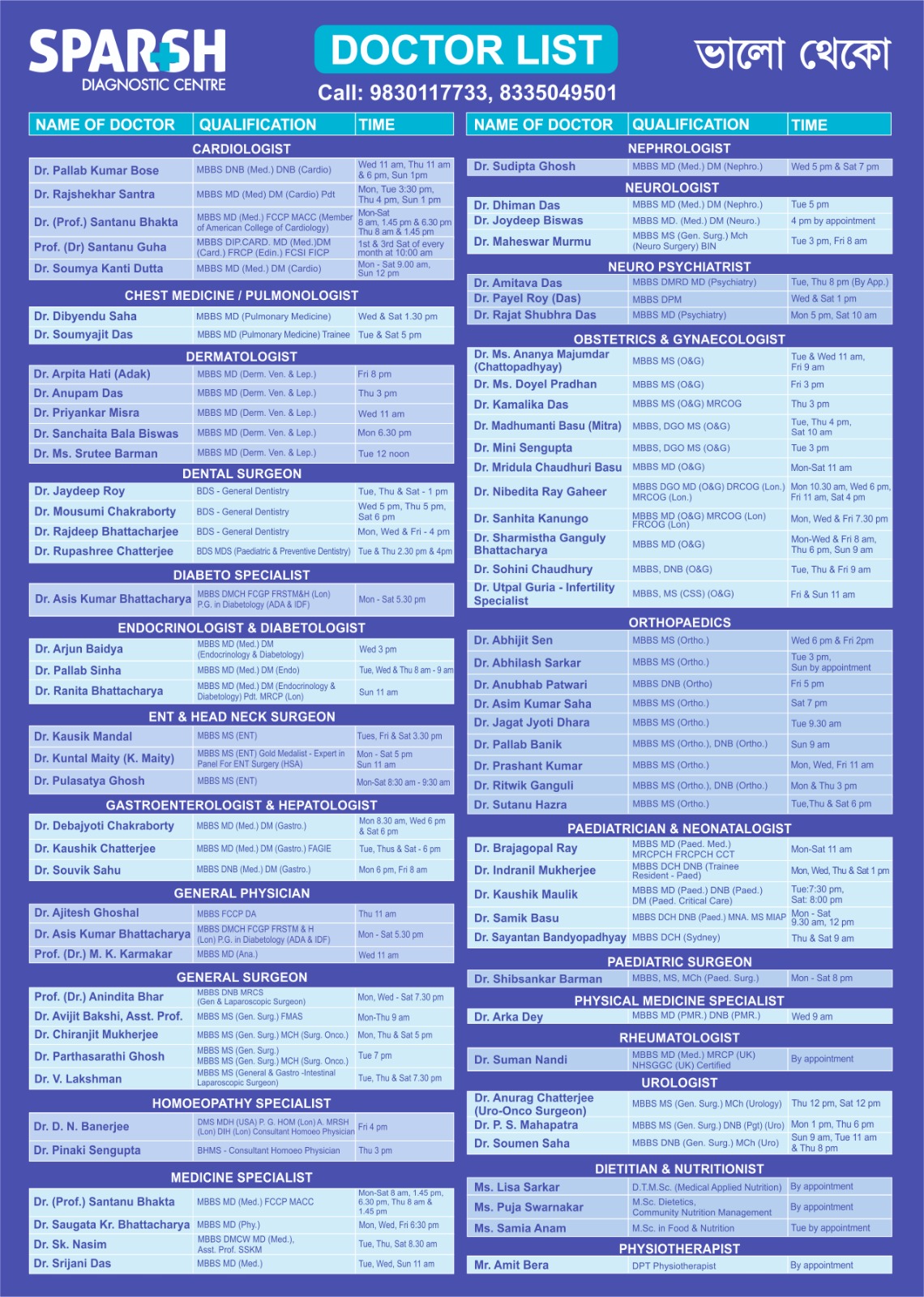
To consult a Doctor at Sparsh Diagnostic Centre, call our helpline number 9830117733.
#BhaloTheko
Disclaimer:
No content on this site, regardless of date, should ever be used as a substitute for direct medical advice from your doctor or other qualified clinician.
Sources and references
- Mayo Clinic – H1N1 flu (swine flu): Symptoms and causes
Covers H1N1 terminology, symptoms, transmission, risk factors, complications and prevention.
Mayo Clinic – H1N1 flu (swine flu) - Mayo Clinic – H1N1 flu: Diagnosis and treatment
Supports information about influenza testing, PCR, antiviral medicines, supportive care and recovery.
Mayo Clinic – Diagnosis and treatment - World Health Organization (WHO) – Influenza (seasonal)
Supports information on H1N1pdm09, symptoms, duration, complications, high-risk groups, treatment and vaccination.
WHO – Influenza (seasonal) - WHO India – Influenza
Useful for the India-specific context, including transmission, symptoms, duration, complications and annual influenza vaccination.
WHO India – Influenza - WHO – How can I avoid getting the flu?
Supports information about seasonal influenza, vaccination and prevention. The page was updated on 4 March 2026.
WHO – How can I avoid getting the flu? - CDC – Guide for considering influenza testing
Supports information about when influenza testing may be appropriate and the fact that antiviral treatment should not necessarily be delayed while awaiting test results in appropriate patients.
CDC – Influenza testing guidance - CDC – Influenza antiviral medications: Summary for clinicians
Supports information about antiviral treatment, including treatment for people at higher risk and those with severe or progressive illness. Updated 10 March 2026.
CDC – Influenza antiviral medications - WHO – Influenza information resources
Supports the explanation that A(H1N1)pdm09 is the H1N1 virus that caused the 2009 pandemic and subsequently became part of seasonal influenza.


