

Pregnancy is a major physical and emotional journey, and your weight can play a role in how your pregnancy is monitored and managed. If you are overweight or obese and planning a pregnancy, you may naturally have questions such as: Can I get pregnant? Will my baby be healthy? Is vaginal birth possible? Should I try to lose weight during pregnancy?
The reassuring answer is that many women with overweight or obesity have healthy pregnancies and healthy babies. However, a higher body mass index (BMI) can increase the likelihood of certain pregnancy complications, which is why appropriate antenatal care, healthy eating, physical activity and regular medical monitoring are particularly important.
Obesity is generally defined as a BMI of 30 or above. It is further divided into Class I obesity (BMI 30–34.9), Class II obesity (BMI 35–39.9) and Class III obesity (BMI 40 or above). BMI is calculated using height and weight, although it is only one part of an overall health assessment.
Can I have a healthy pregnancy if I’m overweight?
Yes. Being overweight does not mean that you cannot have a healthy pregnancy.
Many women who are overweight have straightforward pregnancies and give birth to healthy babies. However, being overweight can increase the likelihood of certain complications, including gestational diabetes, high blood pressure, pre-eclampsia, blood clots, caesarean birth and difficulties related to anaesthesia.
This does not mean that complications will definitely occur. Your individual risk depends on factors such as your BMI, age, blood pressure, blood sugar levels, previous pregnancy history and other health conditions.
The most useful approach is not to focus only on the number on the weighing scale. Instead, work with your obstetrician to monitor your health and your baby’s growth throughout pregnancy.
Can a 90 kg woman get pregnant?
Yes. Weight alone does not determine whether a woman can become pregnant.
A woman weighing 90 kg may become pregnant naturally, but whether that weight represents overweight or obesity depends on her height. For example, 90 kg has a very different BMI for someone who is 1.75 metres tall compared with someone who is 1.50 metres tall.
A higher BMI can sometimes affect fertility by interfering with ovulation and hormonal function. It may also make it take longer to conceive, even in women who continue to ovulate regularly.
If you are trying to conceive and have a higher BMI, it is worth discussing your health, menstrual cycle, medications, nutrition and lifestyle with your doctor rather than assuming that your weight makes pregnancy impossible.
Does obesity stop pregnancy?
No. Obesity does not automatically stop pregnancy.
However, obesity can affect fertility. A higher BMI may interfere with normal ovulation and can be associated with conditions such as polycystic ovary syndrome (PCOS), which itself can affect fertility.
For some women, improving overall health and losing excess weight before pregnancy may improve ovulation and fertility. Even modest weight loss may have health benefits for people with obesity.
If you are planning a pregnancy, preconception care is an excellent opportunity to check blood pressure, blood sugar, thyroid function when appropriate, medications, nutritional status and other factors that may influence pregnancy.
Is it harder for overweight girls to get pregnant?
It can be harder for some overweight women to conceive, but this is not true for everyone.
A higher BMI may affect ovulation and reproductive hormones. Research and clinical guidance indicate that the likelihood of fertility problems can increase as BMI rises. Obesity may also affect the success of fertility treatment in some women.
However, fertility depends on many factors. Age, ovarian reserve, ovulation, sperm health, fallopian tube function, PCOS, endometriosis and other medical conditions can all influence the ability to conceive.
Therefore, weight should be considered as one factor among many, rather than the sole explanation for difficulty becoming pregnant.
What are the effects of obesity on pregnancy?
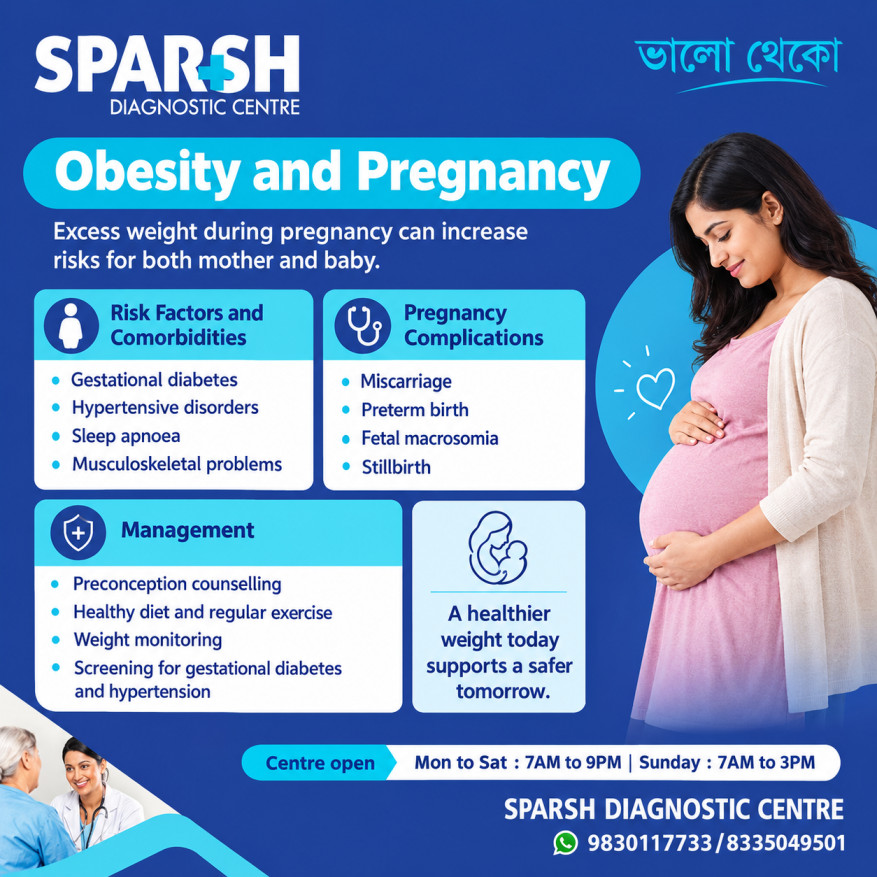
Obesity can affect both the mother and baby. The level of risk generally increases as BMI rises.
Potential maternal complications include:
- Gestational diabetes
- High blood pressure during pregnancy
- Pre-eclampsia
- Blood clots
- Obstructive sleep apnea
- Increased likelihood of induction of labour
- Caesarean birth
- Anaesthetic difficulties
- Wound infection after caesarean birth
Obesity can also make some aspects of pregnancy monitoring more challenging. Assessing fetal growth, obtaining certain ultrasound measurements and monitoring the fetal heart rate may sometimes be technically more difficult.
For the baby, a higher maternal BMI has been associated with an increased risk of problems such as fetal macrosomia (a larger-than-average baby), fetal growth restriction, congenital abnormalities and stillbirth. Importantly, these are increased risks, not guarantees of an adverse outcome.
Are you more likely to miscarry if you’re obese?
Yes. Obesity is associated with an increased risk of miscarriage compared with having a BMI in the normal range.
The relationship is complex, and miscarriage can occur for many different reasons. A higher BMI does not mean that miscarriage will happen, nor does it mean that a pregnancy cannot progress normally.
If you have experienced a previous miscarriage, your doctor may consider your complete medical and pregnancy history rather than attributing the outcome to weight alone.
Maintaining good blood sugar control, managing blood pressure, taking recommended prenatal vitamins and attending regular antenatal appointments can help provide appropriate care during pregnancy.
Is it harder to give birth if you are obese?
Obesity can make some aspects of labour and delivery more challenging.
Women with obesity have a higher likelihood of induction of labour and caesarean birth. Anaesthesia, including placement of an epidural, may sometimes be technically more difficult. There may also be an increased risk of complications such as wound infection following caesarean delivery.
However, obesity does not automatically mean that you will need a C-section.
Your mode of delivery depends on many factors, including your baby’s position, fetal size, labour progress, previous caesarean delivery, maternal health and the clinical circumstances at the time.
Your obstetric team can discuss your individual birth plan and any additional precautions that may be appropriate.
Can I have a healthy pregnancy if I am obese?
Yes. Having obesity does not mean that a healthy pregnancy is impossible.
In fact, many women with obesity have healthy pregnancies and healthy babies. The key difference is that pregnancy may require closer attention to certain risk factors.
Your doctor may monitor:
- Blood pressure
- Blood glucose
- Weight gain
- Fetal growth
- Signs of pre-eclampsia
- Other medical conditions
- Pregnancy-related complications
Depending on your BMI and medical history, additional monitoring or specialist care may be recommended.
The goal is not to make pregnancy unnecessarily complicated. It is to identify potential problems early and manage them appropriately.
What weight is considered high-risk pregnancy?
There is no single body weight that automatically defines a high-risk pregnancy.
The same weight can correspond to very different BMIs depending on a person’s height. For this reason, BMI before pregnancy or at the beginning of pregnancy is often used when assessing obesity-related pregnancy risks.
A BMI of 30 or above is classified as obesity. Obesity is divided into:
- Class I: BMI 30–34.9
- Class II: BMI 35–39.9
- Class III: BMI 40 or above
The higher the BMI, the greater the likelihood of some pregnancy complications. However, BMI is not the only factor used to determine whether a pregnancy requires additional monitoring.
A woman with obesity may have an uncomplicated pregnancy, while another woman with a lower BMI may require high-risk care because of diabetes, hypertension, previous pregnancy complications or another medical condition.
How much weight should you gain during pregnancy?
Pregnancy is not the time to follow a weight-loss diet without medical supervision.
The amount of recommended pregnancy weight gain depends partly on your pre-pregnancy BMI. For someone with a BMI of 30 or above carrying one baby, commonly used guidelines recommend a total pregnancy weight gain of approximately 5–9 kg (11–20 pounds).
Your doctor may recommend a personalised target depending on your health and your baby’s growth.
It is also important to remember that pregnancy weight is not simply body fat. Weight gained during pregnancy includes the baby, placenta, amniotic fluid, increased blood volume, breast tissue and other normal changes.
The goal is therefore appropriate pregnancy weight gain, rather than trying to prevent all weight gain.
Is it safe to lose body fat while pregnant?
Generally, intentional weight-loss dieting during pregnancy is not recommended.
If you already have obesity when you become pregnant, the aim is usually to eat a nutritious, balanced diet and avoid excessive pregnancy weight gain rather than deliberately trying to lose weight.
Restrictive diets can make it difficult to obtain enough protein, vitamins, minerals and other nutrients required for pregnancy.
If you are concerned about your weight, speak with your obstetrician or a qualified dietitian. They can help you create an eating pattern that supports both your nutritional needs and your baby’s development.
Can an obese person lose weight while pregnant safely?
Unintentional weight loss can occur during pregnancy, particularly because of nausea, vomiting or poor appetite. It should be discussed with your healthcare professional.
However, deliberately trying to lose weight through crash diets, severe calorie restriction, fasting or weight-loss medications is generally not appropriate during pregnancy.
The NHS specifically advises women with obesity not to try to lose weight during pregnancy because doing so does not reduce the risk of complications and may not be safe.
Instead, focus on:
- Balanced meals
- Adequate protein
- Vegetables and fruits
- Whole grains and other nutrient-rich carbohydrates
- Appropriate portions
- Adequate hydration
- Regular physical activity when medically appropriate
- Recommended prenatal supplements
What are the guidelines for obesity during pregnancy?
There is no single treatment plan that applies to every pregnant woman with obesity. Care should be personalised according to BMI, medical history and pregnancy-related risks.
Common recommendations include:
Before pregnancy
If you are planning to become pregnant, consider having a preconception consultation. Your doctor may review your weight, blood pressure, blood sugar, medications and nutritional needs.
If weight loss is appropriate, achieving a healthier weight before pregnancy may be beneficial.
During pregnancy
Your BMI should be assessed early in pregnancy, and your weight should be monitored throughout antenatal care.
Women with obesity may be offered screening for gestational diabetes and may require additional monitoring depending on their individual risk profile.
Healthy eating and regular physical activity are encouraged unless there is a medical reason to restrict activity.
Folic acid and nutrition
Women with obesity may be advised by their healthcare professional to take a higher dose of folic acid before pregnancy and during early pregnancy. RCOG guidance recommends 5 mg daily for women with a BMI of 30 or above.
Do not start high-dose supplements on your own. The appropriate dose should be confirmed with your doctor because recommendations can vary according to individual circumstances and local guidelines.
Weight gain
Pregnancy weight gain should be monitored according to pre-pregnancy BMI. For women with obesity carrying one baby, approximately 5–9 kg of total gain is commonly recommended, although individual advice may differ. [3][4]
Exercise
For most women with uncomplicated pregnancies, physical activity is beneficial. Walking, swimming and other moderate activities may be suitable.
If you were previously inactive, talk to your doctor before starting a new exercise programme.
What can you do to reduce pregnancy risks if you have obesity?
A diagnosis of obesity does not mean that you have to approach pregnancy with fear. There are practical steps that can support a healthier pregnancy.
Start with preconception care if possible. If you are planning pregnancy, discuss your health with your doctor before conception.
Eat for nutrition rather than dieting. Choose a balanced diet containing vegetables, fruits, whole grains, protein sources and appropriate amounts of healthy fats.
Stay physically active. Unless your doctor advises otherwise, regular moderate activity can support cardiovascular health, fitness and overall wellbeing.
Attend every antenatal appointment. Regular monitoring allows problems such as high blood pressure and gestational diabetes to be identified and treated.
Follow recommended screening. Your doctor may recommend tests for gestational diabetes and other pregnancy-related conditions.
Discuss your delivery plan. Your BMI and medical history may influence where and how your delivery is planned, particularly if additional monitoring or anaesthetic support may be required.
Most importantly, remember that a BMI number is not a prediction of how your pregnancy will turn out.
Frequently asked questions about obesity and pregnancy
Can I still get pregnant if I am obese?
Yes. Obesity can reduce fertility in some women by affecting ovulation and hormonal function, but it does not make pregnancy impossible. Many women with obesity become pregnant naturally.
Can an obese person have a healthy pregnancy?
Yes. Many women with obesity have healthy pregnancies and healthy babies. However, obesity increases the risk of certain complications, so appropriate antenatal monitoring is important.
Does obesity stop pregnancy?
No. Obesity does not automatically prevent pregnancy. It can, however, make conception more difficult for some women.
Are you more likely to miscarry if you’re obese?
Yes. A higher BMI is associated with an increased risk of miscarriage and stillbirth. This represents an increased risk, not a certainty that pregnancy loss will occur.
Is it harder to give birth if you are obese?
It can be. Obesity is associated with higher rates of induction and caesarean birth and can sometimes make anaesthesia more challenging. However, many women with obesity have vaginal births.
Can I have a healthy pregnancy if I’m overweight?
Yes. Being overweight does not automatically mean that your pregnancy will be unhealthy. Good nutrition, physical activity, appropriate weight gain and regular antenatal care can support maternal and fetal health.
Is it safe to lose body fat while pregnant?
Intentional weight-loss dieting is generally not recommended during pregnancy. The focus should be on adequate nutrition and appropriate pregnancy weight gain unless your doctor gives you specific advice.
What weight is considered high risk pregnancy?
There is no single weight that defines a high-risk pregnancy. BMI, medical conditions, pregnancy history and other factors are considered. A BMI of 30 or above is classified as obesity.
Final thoughts
Obesity and pregnancy can raise several important health considerations, but obesity does not mean that a healthy pregnancy is out of reach.
If you are overweight or obese and planning to conceive, a preconception consultation can help identify and address potential risk factors early. If you are already pregnant, focus on balanced nutrition, safe physical activity, recommended weight gain and regular antenatal care rather than trying to lose weight on your own.
Every pregnancy is different. Your obstetrician can assess your individual risks and create a care plan based on your BMI, medical history, pregnancy progress and your baby’s wellbeing.
At Sparsh Diagnostic Centre, appropriate diagnostic investigations and pregnancy-related monitoring can form an important part of antenatal care when recommended by your treating doctor.
Need Help Managing Your Pregnancy Journey?
Consult your healthcare provider or reach out to a registered dietitian today to take the first step towards a safe and healthy pregnancy.
For expert Gynecological support and diagnostic services, visit Sparsh Diagnostic Centre.
📍 Centre Open: Mon to Sat – 7 AM to 9 PM | Sunday – 7 AM to 3 PM
📞 Contact: 9830117733 / 8335049501
Stay informed. Stay healthy.
#BhaloTheko
Disclaimer:
No content on this site, regardless of date, should ever be used as a substitute for direct medical advice from your doctor or other qualified clinician.
Sources and further reading
1. American College of Obstetricians and Gynecologists (ACOG) – Obesity and Pregnancy
ACOG: Obesity and Pregnancy
2. Royal College of Obstetricians and Gynaecologists (RCOG) – Being overweight in pregnancy and after birth / Care of women with obesity in pregnancy
RCOG: Being overweight in pregnancy and after birth
RCOG: Care of women with obesity in pregnancy – Green-top Guideline No. 72
3. Mayo Clinic – Pregnancy and obesity: Know the risks
Mayo Clinic: Pregnancy and obesity – Know the risks
4. American College of Obstetricians and Gynecologists – Weight gain during pregnancy
ACOG: Weight gain during pregnancy
5. NHS – Overweight and pregnant
NHS: Overweight and pregnant
6. NHS – Weight gain in pregnancy
NHS: Weight gain in pregnancy


[…] Poor nutrition or obesity […]