Liver disease often develops silently, showing few or no symptoms until significant damage has occurred. One of the most common liver conditions worldwide is MASLD (Metabolic Dysfunction-Associated Steatotic Liver Disease), previously known as NAFLD (Non-Alcoholic Fatty Liver Disease).
The name may have changed, but the condition remains a growing health concern. Closely linked to obesity, diabetes, high cholesterol, and high blood pressure, MASLD affects a large number of people globally, including a rapidly increasing number in India.
The good news is that early-stage MASLD is often reversible. With timely diagnosis, healthy lifestyle changes, and proper medical care, many people can prevent liver damage and improve their overall health.
This guide explains everything you need to know about MASLD, including its causes, symptoms, diagnosis, treatment options, and frequently asked questions.
What Does MASLD Stand For?
MASLD stands for Metabolic Dysfunction-Associated Steatotic Liver Disease.
The term was introduced by international liver experts in 2023 to replace NAFLD (Non-Alcoholic Fatty Liver Disease).
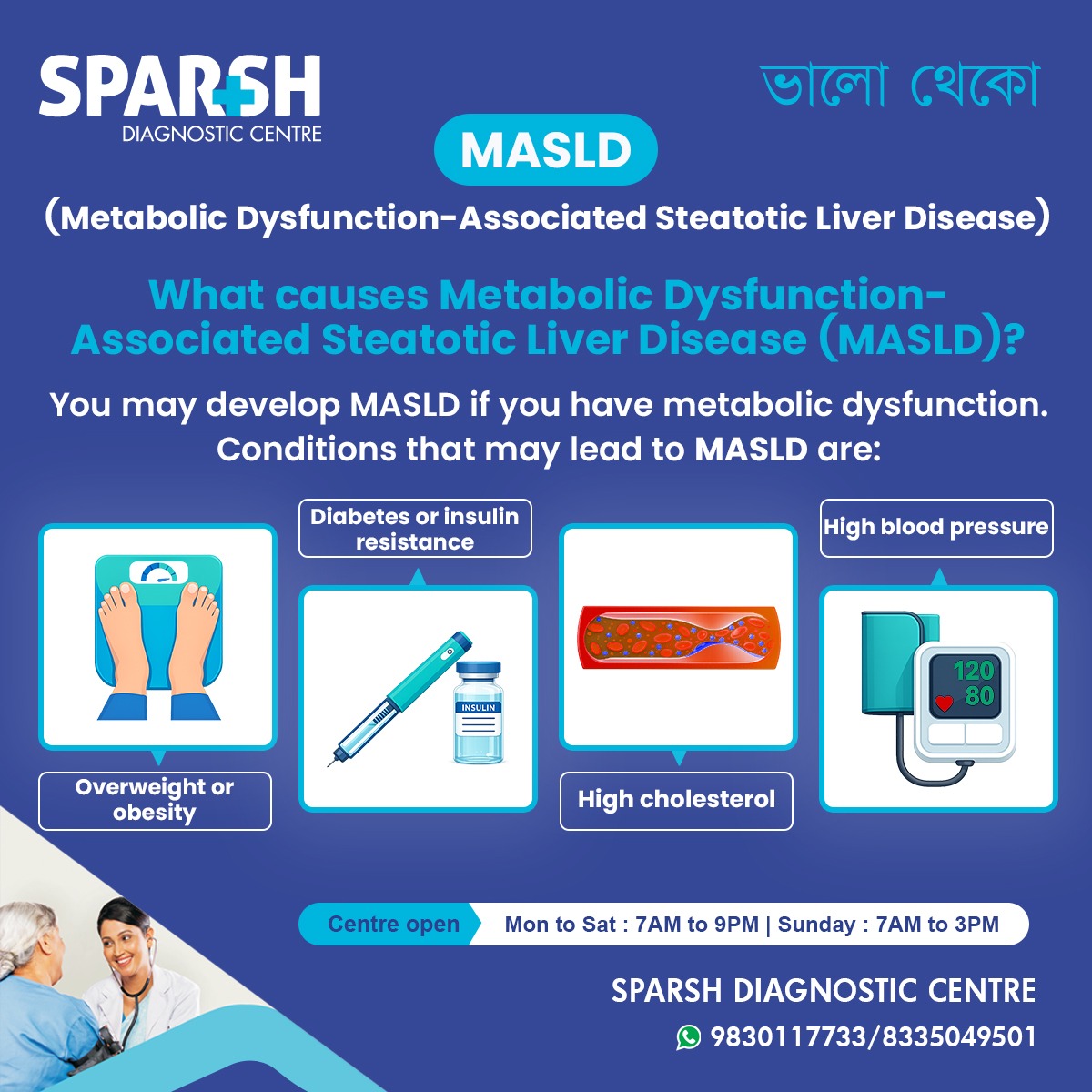
The updated name better reflects what actually causes the disease. Instead of defining the condition by what it is not (non-alcoholic), MASLD focuses on the underlying issue—metabolic dysfunction, which includes conditions like:
MASLD occurs when excess fat builds up in the liver in people who have one or more of these metabolic risk factors.
What Is MASLD?
MASLD is a chronic liver condition where excessive fat accumulates inside liver cells due to metabolic problems rather than significant alcohol consumption.
A healthy liver contains very little fat. However, when fat makes up more than 5% of the liver, it is considered fatty liver disease.
Initially, fat accumulation may not cause noticeable symptoms. Over time, however, persistent fat can trigger inflammation, liver cell injury, scarring (fibrosis), and eventually permanent liver damage.
The disease progresses along a spectrum:
- Simple fatty liver (steatosis)
- Inflammation (steatohepatitis)
- Fibrosis
- Cirrhosis
- Liver failure or liver cancer in advanced cases
Fortunately, progression is usually slow and can often be halted or reversed with early intervention.
What Causes MASLD?
MASLD develops because of metabolic dysfunction, which affects how the body stores and processes fat.
Several risk factors contribute to the condition.
Obesity
Excess body fat, especially around the abdomen, increases fat storage in the liver.
Type 2 Diabetes
High blood sugar levels promote fat accumulation in liver cells.
Insulin Resistance
When the body’s cells stop responding effectively to insulin, the liver produces and stores more fat.
High Cholesterol and Triglycerides
Abnormal blood fat levels increase the risk of fatty liver disease.
High Blood Pressure
Hypertension is commonly associated with metabolic syndrome and increases the risk of MASLD.
Sedentary Lifestyle
Lack of regular exercise contributes to weight gain and poor metabolic health.
Poor Diet
Frequent consumption of:
- Sugary drinks
- Processed foods
- Refined carbohydrates
- Fried foods
- Excess saturated fats
can increase liver fat.
Genetics
Some people inherit genes that make them more susceptible to fatty liver disease despite having a healthy weight.
Risk Factors for MASLD
Your risk is higher if you have:
- Obesity
- Type 2 diabetes
- Prediabetes
- High blood pressure
- High cholesterol
- High triglycerides
- Metabolic syndrome
- Polycystic ovary syndrome (PCOS)
- Sleep apnea
- Family history of fatty liver disease
- Age above 40 years
Symptoms of MASLD
Many people experience no symptoms, especially during the early stages.
When symptoms develop, they may include:
- Persistent fatigue
- Mild pain or discomfort in the upper right abdomen
- Feeling of fullness
- Weakness
- Difficulty concentrating
- Unexplained tiredness
Advanced liver disease may cause:
- Yellowing of the skin (jaundice)
- Swelling of the abdomen
- Swollen legs
- Easy bruising
- Confusion
- Loss of appetite
- Weight loss
How Is MASLD Diagnosed?
Doctors diagnose MASLD using a combination of medical history, physical examination, laboratory tests, and imaging studies.
Blood Tests
Common liver tests include:
Doctors also assess:
- Blood sugar
- HbA1c
- Lipid profile
- Insulin resistance
Ultrasound
Ultrasound is often the first imaging test used to detect fatty liver.
FibroScan
FibroScan measures liver stiffness and estimates the amount of liver fibrosis without surgery.
CT Scan or MRI
These imaging tests provide detailed information when needed.
Liver Biopsy
A biopsy may be recommended when the diagnosis is uncertain or to determine the severity of inflammation and fibrosis.
What Is the Difference Between MASLD and NAFLD?
MASLD and NAFLD refer to essentially the same disease, but the terminology has changed.
| NAFLD | MASLD |
|---|---|
| Non-Alcoholic Fatty Liver Disease | Metabolic Dysfunction-Associated Steatotic Liver Disease |
| Focuses on absence of alcohol | Focuses on metabolic causes |
| Older terminology | New international terminology |
| Diagnosis based on excluding alcohol use | Diagnosis includes metabolic risk factors |
The change helps healthcare providers better identify the true cause of fatty liver disease and reduces stigma associated with the older name.
How Serious Is MASLD?
The seriousness depends on how advanced the disease is.
Early Stage
Simple fatty liver often causes no permanent damage and can usually be reversed.
Intermediate Stage
Persistent fat accumulation may lead to inflammation and fibrosis.
Advanced Stage
Without treatment, MASLD may progress to:
- Cirrhosis
- Liver failure
- Portal hypertension
- Liver cancer
MASLD is also associated with an increased risk of:
Interestingly, cardiovascular disease remains the leading cause of death among people with MASLD rather than liver disease itself.
What Is the Life Expectancy with MASLD?
For most people diagnosed early, life expectancy is close to normal, particularly if they adopt healthier habits and manage associated conditions such as diabetes, obesity, and high blood pressure.
Life expectancy depends on several factors:
- Stage of liver disease
- Degree of fibrosis
- Diabetes control
- Weight
- Cardiovascular health
- Lifestyle changes
Individuals with advanced cirrhosis or liver cancer have a significantly higher risk of complications. However, early diagnosis and treatment can dramatically improve long-term outcomes.
What Is the First-Line Treatment for MASLD?
Currently, lifestyle modification is the first-line treatment.
Unlike many diseases, no single medication can cure MASLD.
Treatment focuses on reducing liver fat and improving metabolic health.
Weight Loss
Even modest weight loss helps.
Research suggests:
- 5% weight loss reduces liver fat.
- 7–10% weight loss improves inflammation.
- Greater than 10% weight loss may reduce fibrosis.
Healthy Diet
Doctors usually recommend:
- Mediterranean diet
- High-fibre foods
- Vegetables
- Fruits
- Whole grains
- Lean protein
- Healthy fats
Limit:
- Sugary drinks
- Fast food
- Refined carbohydrates
- Excessive saturated fats
Exercise
Aim for:
- At least 150 minutes of moderate exercise each week
- Strength training twice weekly
Even brisk walking can significantly improve liver health.
Diabetes Management
Good blood sugar control reduces disease progression.
Cholesterol and Blood Pressure Control
Managing cardiovascular risk factors is equally important.
Can MASLD Be Reversed?
Yes.
Early-stage MASLD is often reversible.
The liver has an impressive ability to repair itself once excess fat is reduced.
Successful reversal depends on:
- Losing excess weight
- Regular exercise
- Healthy eating
- Managing diabetes
- Lowering cholesterol
- Controlling blood pressure
The earlier treatment begins, the better the outcome.
How to Reduce Fatty Liver in 14 Days?
Although fatty liver cannot usually be completely reversed in just two weeks, you can begin reducing liver fat and improving liver health with consistent lifestyle changes.
Here are practical steps to start:
- Eliminate sugary beverages such as soft drinks and packaged fruit juices.
- Reduce refined carbohydrates, including white bread, pastries, and sweets.
- Eat plenty of vegetables, whole grains, legumes, lean protein, and healthy fats.
- Walk briskly or engage in moderate exercise for at least 30 minutes most days of the week.
- Avoid alcohol if your doctor advises it.
- Stay well hydrated.
- Aim for adequate sleep each night.
- Take medications for diabetes, blood pressure, or cholesterol exactly as prescribed.
While you may notice improvements in energy levels and metabolic health within two weeks, meaningful reductions in liver fat generally take several weeks to months of sustained healthy habits.
Can Children Develop MASLD?
Yes.
Childhood obesity has led to increasing numbers of children developing fatty liver disease.
Healthy eating, physical activity, and maintaining a healthy weight remain the most effective preventive measures.
Preventing MASLD
Simple daily habits can significantly reduce your risk.
These include:
- Maintaining a healthy body weight
- Exercising regularly
- Eating a balanced diet
- Controlling diabetes
- Managing cholesterol
- Controlling blood pressure
- Avoiding smoking
- Limiting unnecessary processed foods
- Getting regular health check-ups
When Should You See a Doctor?
Consult a healthcare professional if you:
- Have diabetes or obesity
- Experience persistent fatigue
- Have abnormal liver function tests
- Have a family history of liver disease
- Develop abdominal discomfort
- Have metabolic syndrome
Early diagnosis allows treatment before permanent liver damage develops.
Frequently Asked Questions (FAQs)
1. What does MASLD stand for?
MASLD stands for Metabolic Dysfunction-Associated Steatotic Liver Disease. It is the updated medical term for fatty liver disease associated with metabolic risk factors such as obesity, diabetes, high cholesterol, and high blood pressure.
2. What is the difference between MASLD and NAFLD?
MASLD is the new name for what was previously called NAFLD. The condition itself is largely the same, but the new term highlights the role of metabolic dysfunction rather than defining the disease by the absence of alcohol consumption.
3. What is the life expectancy with MASLD?
Most people diagnosed in the early stages have a normal or near-normal life expectancy if they maintain a healthy lifestyle and effectively manage associated conditions. Advanced liver scarring or cirrhosis can shorten life expectancy and increase the risk of serious complications.
4. How serious is MASLD?
MASLD ranges from mild fatty liver to severe liver disease. While early-stage disease is often reversible, untreated MASLD can progress to liver inflammation, fibrosis, cirrhosis, liver failure, and, in some cases, liver cancer. It also increases the risk of heart disease.
5. What is the first-line treatment for MASLD?
Lifestyle modification is the first-line treatment. Losing excess weight, eating a healthy diet, exercising regularly, and controlling diabetes, cholesterol, and blood pressure are the most effective ways to improve liver health.
6. How to reduce fatty liver in 14 days?
There is no quick cure, but you can begin improving liver health within two weeks by avoiding sugary foods and drinks, eating a balanced diet rich in whole foods, exercising regularly, staying hydrated, getting enough sleep, and following your doctor’s advice. Lasting improvement usually requires several months of consistent lifestyle changes.
Final Thoughts
MASLD is one of the most common chronic liver diseases today, largely driven by rising rates of obesity, diabetes, and other metabolic conditions. Although it often develops without noticeable symptoms, it should not be ignored. Left untreated, it can progress to serious liver damage and increase the risk of cardiovascular disease.
The encouraging news is that MASLD is often preventable and, in many cases, reversible—especially when identified early. Regular health screenings, timely liver function testing, and imaging studies can detect the condition before complications arise. By adopting a healthier lifestyle, maintaining a healthy weight, staying physically active, and managing metabolic risk factors, you can protect your liver and improve your long-term health.
If you have risk factors such as obesity, diabetes, high cholesterol, or high blood pressure, speak with your healthcare provider about appropriate screening. Early action can make a significant difference in preserving liver function and overall well-being.
To consult a Doctor or get full body check-up done at Sparsh Diagnostic Centre, call our helpline numbers 9830117733/ 8335049501.
#BhaloTheko
Disclaimer:
No content on this site, regardless of date, should ever be used as a substitute for direct medical advice from your doctor or other qualified clinician.