
Polyarthritis is a condition that affects multiple joints at the same time, often causing pain, stiffness, swelling, and reduced mobility. Unlike arthritis that affects only one joint, polyarthritis involves five or more joints simultaneously, making everyday activities such as walking, climbing stairs, writing, or even holding a cup more challenging.
The condition can affect people of all ages, although it is more common in adults over 50 and individuals with autoimmune disorders. Early diagnosis and appropriate treatment are essential because some forms of polyarthritis can permanently damage joints if left untreated.
In this comprehensive guide, you’ll learn everything you need to know about polyarthritis, including its causes, symptoms, diagnosis, treatment options, lifestyle changes, diet, prevention, and answers to the most commonly asked questions.
What is Polyarthritis?
Polyarthritis refers to inflammation affecting five or more joints simultaneously. It is not a disease itself but rather a pattern of joint involvement that occurs in several medical conditions.
The affected joints may include:
- Hands
- Wrists
- Knees
- Ankles
- Feet
- Shoulders
- Elbows
- Hips
Depending on the underlying cause, symptoms may appear suddenly or develop gradually over months.
Some people experience temporary polyarthritis following an infection, while others develop chronic inflammatory diseases that require lifelong management.
What Is the Most Common Cause of Polyarthritis?
The most common cause of polyarthritis is Rheumatoid Arthritis (RA), an autoimmune disease in which the immune system mistakenly attacks the lining of healthy joints.
Other common causes include:
- Psoriatic arthritis
- Lupus (Systemic Lupus Erythematosus)
- Viral infections such as chikungunya, hepatitis, or parvovirus
- Reactive arthritis
- Osteoarthritis involving multiple joints
- Gout affecting several joints
- Ankylosing spondylitis
- Connective tissue disorders
Because treatment varies depending on the cause, identifying the underlying condition is the most important step.
Types of Polyarthritis
Rheumatoid Polyarthritis
The most common inflammatory form that typically affects both sides of the body equally.
Viral Polyarthritis
Often develops after viral infections and usually resolves within weeks.
Psoriatic Polyarthritis
Occurs in people with psoriasis and may affect joints and tendons.
Lupus Polyarthritis
Joint pain and inflammation occur as part of systemic lupus.
Osteoarthritis with Multiple Joint Involvement
Although osteoarthritis is a degenerative condition rather than inflammatory, it can affect several joints at once in older adults.
Symptoms of Polyarthritis
Symptoms vary depending on the cause but commonly include:
- Joint pain
- Swelling
- Warmth around joints
- Morning stiffness lasting more than 30 minutes
- Reduced range of motion
- Fatigue
- Weakness
- Tenderness
- Difficulty walking
- Trouble gripping objects
In autoimmune diseases, symptoms may also include:
- Fever
- Weight loss
- Skin rashes
- Dry eyes
- Dry mouth
- Muscle aches
Symptoms often occur in a symmetrical pattern, meaning both hands, knees, or wrists are affected.
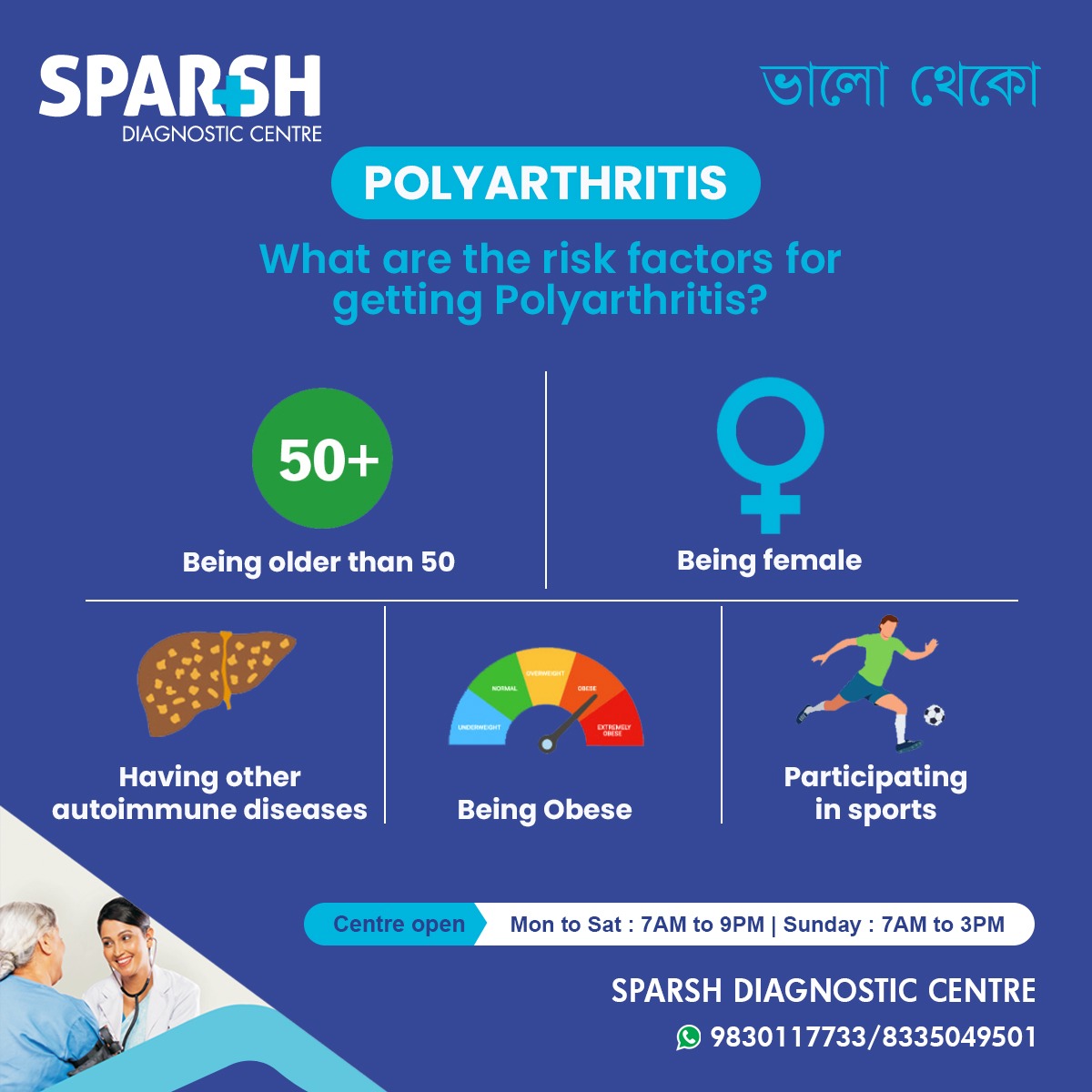
Risk Factors for Polyarthritis
Several factors increase the likelihood of developing polyarthritis.
Age
Although it can occur at any age, the risk increases after age 50.
Gender
Women are more likely than men to develop autoimmune forms such as rheumatoid arthritis.
Family History
Genetics play an important role in autoimmune diseases.
Autoimmune Disorders
People with lupus, psoriasis, or inflammatory bowel disease have higher risks.
Obesity
Extra body weight increases stress on joints while promoting inflammation.
Smoking
Smoking significantly increases the risk of rheumatoid arthritis.
Previous Infections
Certain viral and bacterial infections may trigger polyarthritis.
Joint Injuries
Repeated injuries from sports or occupational activities can contribute to joint degeneration.
What Age Do People Get Polyarthritis?
Polyarthritis can affect people of all ages.
Typical age groups include:
- Children (juvenile idiopathic arthritis)
- Young adults with autoimmune diseases
- Adults between 30 and 60 years with rheumatoid arthritis
- Adults over 50 with osteoarthritis affecting multiple joints
Although aging increases the risk, polyarthritis should never be considered a normal part of getting older.
Causes of Polyarthritis
The causes generally fall into several categories.
Autoimmune Diseases
The immune system attacks healthy joints.
Examples include:
Infections
Viruses and bacteria can trigger temporary or chronic inflammation.
Examples include:
- Chikungunya
- Hepatitis B
- Hepatitis C
- Lyme disease
- Parvovirus B19
Crystal Disorders
Conditions like gout and pseudogout can occasionally involve several joints.
Degenerative Joint Disease
Advanced osteoarthritis may affect multiple joints simultaneously.
Metabolic Disorders
Some hormonal or metabolic conditions contribute to widespread joint pain.
Is Polyarthritis Painful?
Yes.
Polyarthritis can be extremely painful because several joints become inflamed at the same time.
Pain may:
- Be constant or intermittent
- Worsen after inactivity
- Improve with gentle movement
- Become severe during flare-ups
- Interfere with sleep
Without treatment, chronic inflammation may eventually damage cartilage, bones, ligaments, and tendons.
How Is Polyarthritis Diagnosed?
Diagnosing polyarthritis involves identifying both the joint inflammation and its underlying cause.
Your doctor may recommend:
Medical History
Questions about:
- Symptoms
- Duration
- Family history
- Previous infections
- Autoimmune conditions
Physical Examination
The doctor checks for:
- Swelling
- Tenderness
- Warmth
- Joint deformities
- Range of motion
Blood Tests
Common laboratory investigations include:
- Rheumatoid factor (RF)
- Anti-CCP antibodies
- ESR
- CRP
- ANA
- Complete blood count
- Uric acid
- Viral screening when appropriate
Imaging Tests
These may include:
Imaging helps identify inflammation and joint damage.
Joint Fluid Analysis
If fluid accumulates inside a joint, it may be tested for infection or crystals.
What Is the Best Treatment for Polyarthritis?
The best treatment depends entirely on the underlying cause.
Treatment usually combines medication, lifestyle changes, physical therapy, and regular monitoring.
Medications
Doctors may prescribe:
- NSAIDs
- Corticosteroids
- Disease-modifying antirheumatic drugs (DMARDs)
- Biologic medications
- Targeted synthetic DMARDs
- Pain relievers
Early treatment often prevents permanent joint damage.
Physical Therapy
A physiotherapist helps improve:
- Joint flexibility
- Muscle strength
- Balance
- Mobility
Occupational Therapy
Patients learn techniques to reduce stress on painful joints during everyday activities.
Surgery
Joint replacement may be considered when severe joint destruction occurs.
Can Stress Cause Polyarthritis?
Stress does not directly cause polyarthritis.
However, chronic stress can:
- Trigger autoimmune flare-ups
- Increase inflammation
- Worsen pain perception
- Reduce sleep quality
- Increase fatigue
Managing stress through meditation, exercise, relaxation techniques, and counselling may help reduce symptom severity.
Is Exercise Good for Polyarthritis?
Yes.
Regular exercise is one of the best non-medication treatments.
Benefits include:
- Reduced stiffness
- Improved flexibility
- Stronger muscles
- Better balance
- Weight management
- Improved mood
- Less fatigue
Recommended activities include:
- Walking
- Swimming
- Cycling
- Water aerobics
- Yoga
- Stretching
- Strength training
High-impact activities should be discussed with a healthcare professional.
Natural Ways to Treat Polyarthritis
Natural therapies should complement—not replace—medical treatment.
Helpful approaches include:
Maintain a Healthy Weight
Reducing excess weight lowers pressure on joints.
Anti-inflammatory Diet
Focus on whole foods rich in nutrients.
Regular Exercise
Daily movement reduces stiffness.
Heat and Cold Therapy
Warm compresses relax muscles.
Cold packs reduce swelling.
Quality Sleep
Seven to nine hours of sleep supports immune function and tissue repair.
Stress Reduction
Try:
- Meditation
- Deep breathing
- Yoga
- Mindfulness
Quit Smoking
Smoking increases inflammation and worsens rheumatoid arthritis outcomes.
What Foods Should You Avoid With Polyarthritis?
Although no single food causes polyarthritis, some foods may worsen inflammation.
Limit:
- Sugary drinks
- Processed foods
- Fried foods
- Refined carbohydrates
- Excess red meat
- Processed meats
- Excess alcohol
- Highly processed snacks
- Foods high in trans fats
Some people may notice symptom improvement by identifying personal food triggers.
What Is the Best Diet for Polyarthritis?
An anti-inflammatory diet supports overall joint health.
Choose:
Fruits
- Berries
- Oranges
- Apples
Vegetables
- Spinach
- Broccoli
- Kale
- Carrots
Healthy Fats
- Olive oil
- Avocados
- Nuts
- Seeds
Omega-3 Rich Foods
- Salmon
- Sardines
- Mackerel
- Flaxseeds
- Chia seeds
Whole Grains
- Brown rice
- Oats
- Quinoa
Lean Protein
- Fish
- Skinless poultry
- Beans
- Lentils
Dairy
Low-fat dairy products if tolerated.
Drink plenty of water and maintain adequate vitamin D and calcium intake for bone health.
Does Polyarthritis Go Away?
It depends on the cause.
Temporary forms caused by viral infections often resolve within weeks.
However, autoimmune diseases such as rheumatoid arthritis usually do not disappear completely.
With early diagnosis and proper treatment, many patients achieve long-term remission where symptoms become minimal or disappear for extended periods.
Is Polyarthritis Curable or Not?
Most chronic autoimmune forms are not currently curable, but they are highly treatable.
Modern medications can:
- Control inflammation
- Reduce pain
- Prevent joint damage
- Improve mobility
- Help patients lead active lives
Some infection-related forms are completely reversible once the underlying infection resolves.
Arthritis vs Polyarthritis: What’s the Difference?
| Arthritis | Polyarthritis |
|---|---|
| Affects one or more joints | Specifically affects five or more joints |
| May be inflammatory or degenerative | Usually indicates widespread joint involvement |
| Can involve a single knee or shoulder | Often affects both sides of the body |
| May have many causes | Often associated with autoimmune diseases |
Simply put, polyarthritis is a subtype of arthritis involving multiple joints simultaneously.
How Does Polyarthritis Affect Daily Life?
Living with polyarthritis can impact nearly every aspect of daily life.
People may experience difficulty with:
- Walking
- Climbing stairs
- Cooking
- Dressing
- Driving
- Typing
- Household chores
- Sleeping comfortably
- Working
- Exercising
Fatigue and chronic pain may also affect emotional wellbeing, leading to anxiety or depression in some individuals.
The good news is that proper treatment, rehabilitation, and lifestyle changes allow many people to continue working and enjoying an active lifestyle.
How to Prevent Polyarthritis
Not every type can be prevented, especially autoimmune forms.
However, you can reduce your risk by:
- Maintaining a healthy body weight
- Exercising regularly
- Avoiding smoking
- Eating an anti-inflammatory diet
- Treating infections promptly
- Managing stress
- Protecting joints from injury
- Getting adequate sleep
- Attending regular medical check-ups if you have autoimmune risk factors
When Should You See a Doctor?
Seek medical attention if you have:
- Joint pain lasting longer than six weeks
- Persistent swelling
- Morning stiffness lasting over 30 minutes
- Fever with joint pain
- Difficulty walking
- Sudden severe joint swelling
- Unexplained fatigue and weight loss
Early diagnosis greatly improves long-term outcomes.
Living Well With Polyarthritis
A diagnosis of polyarthritis doesn’t mean you have to give up the activities you enjoy. Advances in medical care have transformed the outlook for people with inflammatory joint diseases. By combining the right medications, regular physical activity, a balanced diet, stress management, and ongoing medical follow-up, many people successfully manage their symptoms and maintain a high quality of life.
The key is not to ignore persistent joint pain or stiffness. Early intervention can slow disease progression, protect your joints, and help you stay active for years to come.
Frequently Asked Questions (FAQs)
1. What is the most common cause of polyarthritis?
The most common cause is rheumatoid arthritis, an autoimmune disease that causes inflammation in multiple joints.
2. What is the best treatment for polyarthritis?
Treatment depends on the cause but commonly includes medications, physical therapy, exercise, healthy lifestyle changes, and regular follow-up with a rheumatologist.
3. Does polyarthritis go away?
Temporary forms caused by viral infections may resolve completely. Chronic autoimmune forms usually require ongoing management but can often achieve remission.
4. What’s the difference between arthritis and polyarthritis?
Arthritis refers to joint inflammation in one or more joints, while polyarthritis specifically affects five or more joints at the same time.
5. How can polyarthritis be treated naturally?
Supportive natural measures include regular exercise, maintaining a healthy weight, eating an anti-inflammatory diet, managing stress, getting adequate sleep, and avoiding smoking. These should complement, not replace, prescribed treatment.
6. What foods should I avoid with polyarthritis?
Limit sugary beverages, processed foods, fried foods, refined carbohydrates, processed meats, excessive red meat, trans fats, and excess alcohol.
7. Is polyarthritis painful?
Yes. It commonly causes joint pain, swelling, stiffness, tenderness, and reduced mobility, especially during flare-ups.
8. How can I help prevent polyarthritis?
While autoimmune forms cannot always be prevented, you can lower your risk by staying physically active, maintaining a healthy weight, avoiding smoking, eating a balanced diet, and managing stress.
9. What is the best diet for polyarthritis?
An anti-inflammatory diet rich in fruits, vegetables, whole grains, fish, olive oil, nuts, seeds, and legumes is generally recommended.
10. What age do people get polyarthritis?
It can occur at any age, but autoimmune forms often begin between ages 30 and 60, while osteoarthritis-related polyarthritis is more common after age 50.
11. How is polyarthritis diagnosed?
Diagnosis includes a medical history, physical examination, blood tests, imaging studies such as X-rays or MRI, and occasionally joint fluid analysis.
12. Can stress cause polyarthritis?
Stress is not a direct cause but can trigger flare-ups and worsen pain and inflammation in people with existing inflammatory arthritis.
13. Is exercise good for polyarthritis?
Yes. Low-impact activities such as walking, swimming, cycling, yoga, and strength training can improve flexibility, reduce stiffness, strengthen muscles, and support overall joint health.
14. How does polyarthritis affect daily life?
It can make everyday tasks like walking, dressing, cooking, driving, and working more difficult due to pain, stiffness, and fatigue. Proper treatment and rehabilitation can significantly improve daily functioning.
15. Is polyarthritis curable?
Some infection-related cases are reversible. Chronic autoimmune forms are generally not curable, but modern treatments can effectively control symptoms, prevent joint damage, and help many people achieve long-term remission.
To consult a Doctor or get full body check-up done at Sparsh Diagnostic Centre, call our helpline numbers 9830117733/ 8335049501.
#BhaloTheko
Disclaimer:
No content on this site, regardless of date, should ever be used as a substitute for direct medical advice from your doctor or other qualified clinician.