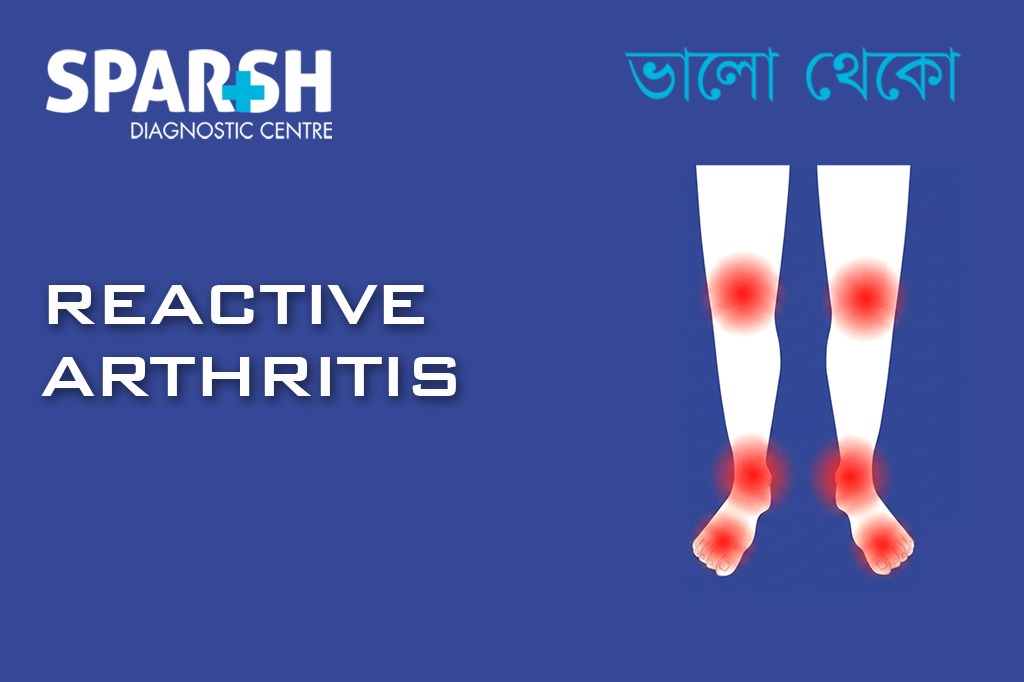
Reactive arthritis is a type of inflammatory arthritis that develops after an infection elsewhere in the body. Although the infection typically starts in the urinary tract, genitals, or digestive system, the immune system’s response can mistakenly trigger inflammation in the joints. This condition can cause pain, swelling, stiffness, and discomfort that may affect daily activities.
The good news is that many people recover within a few months with appropriate treatment and self-care. However, some individuals may experience recurring symptoms or long-term joint issues. Understanding the causes, symptoms, diagnosis, and treatment options for reactive arthritis can help you seek timely medical attention and improve your quality of life.
What Is Reactive Arthritis?
Reactive arthritis is an autoimmune-related inflammatory condition that occurs when the body’s immune system reacts to a bacterial infection. Instead of only attacking the infection, the immune response mistakenly targets healthy tissues, especially the joints.
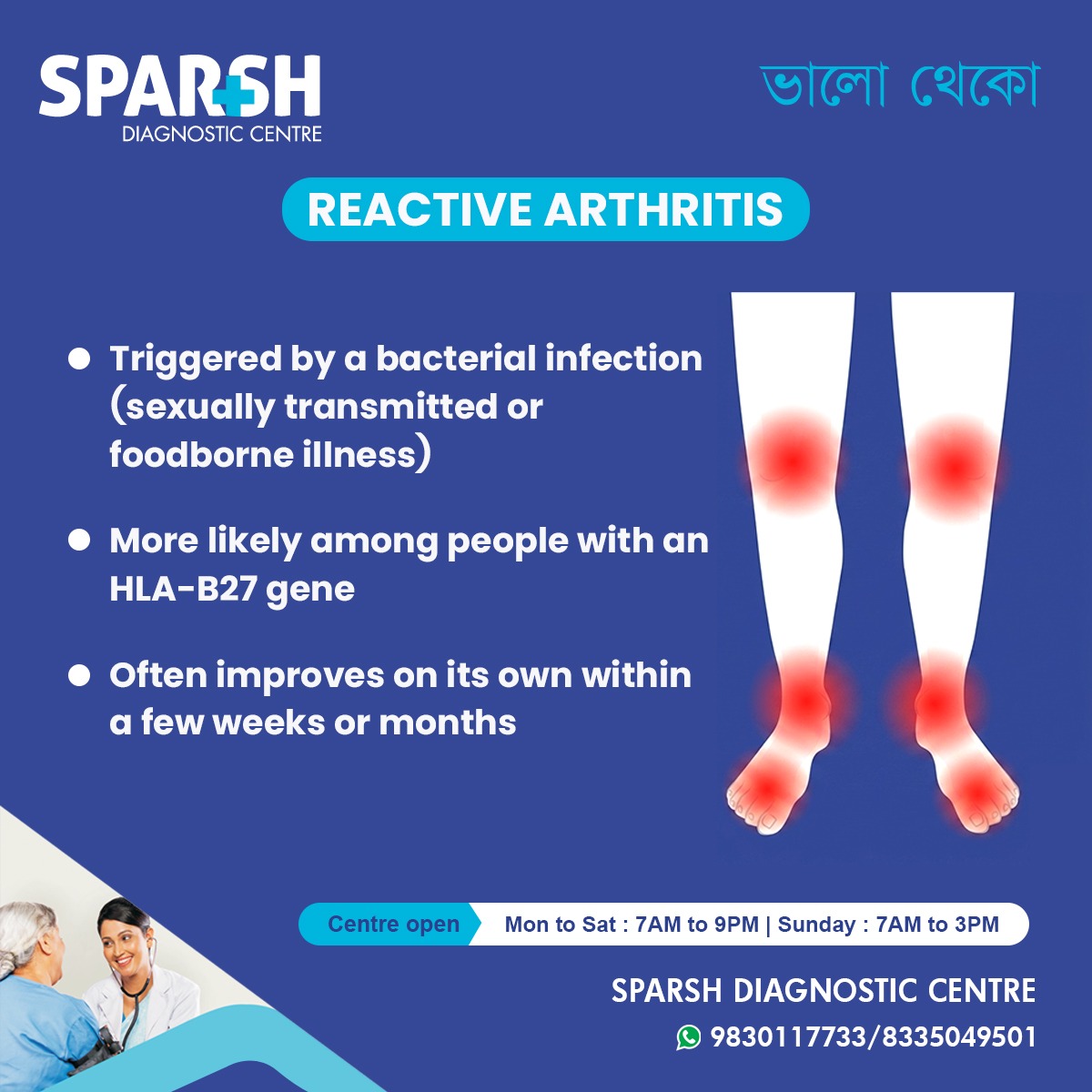
The condition was previously known as Reiter’s syndrome, though this term is used less frequently today. Reactive arthritis commonly affects the knees, ankles, feet, and lower limbs but may also involve the eyes, skin, and urinary tract.
Unlike infectious arthritis, the bacteria are usually not present in the affected joints. Rather, the joint inflammation occurs as a reaction to an infection that happened days or weeks earlier.
How Common Is Reactive Arthritis?
Reactive arthritis is considered relatively uncommon but can affect people of all ages. It is most frequently seen in adults between 20 and 40 years of age.
Men are generally more likely to develop reactive arthritis following sexually transmitted infections, while both men and women can develop it after foodborne infections.
Individuals carrying the HLA-B27 gene appear to have a higher risk of developing reactive arthritis and may experience more severe symptoms.
Causes of Reactive Arthritis
Reactive arthritis develops after certain bacterial infections trigger an abnormal immune response.
Common infections associated with reactive arthritis include:
Sexually Transmitted Infections (STIs)
Gastrointestinal Infections
Food poisoning or intestinal infections caused by:
These infections may result from contaminated food or water and can cause symptoms such as diarrhea, abdominal pain, vomiting, and fever.
Respiratory Infections
In some cases, respiratory infections may also trigger reactive arthritis, although this is less common.
Risk Factors for Reactive Arthritis
Several factors may increase the likelihood of developing reactive arthritis:
HLA-B27 Gene
People with the HLA-B27 genetic marker have a significantly increased risk of developing reactive arthritis.
Age
The condition most commonly affects young and middle-aged adults.
Previous Infections
Recent bacterial infections involving the digestive, urinary, or reproductive systems increase risk.
Family History
A family history of autoimmune diseases or inflammatory arthritis may contribute to susceptibility.
Gender
Men tend to develop reactive arthritis more frequently after sexually transmitted infections.
Symptoms of Reactive Arthritis
Symptoms usually appear one to four weeks after the triggering infection.
The severity and duration of symptoms vary among individuals.
Joint Symptoms
Joint-related symptoms are often the most noticeable and may include:
- Pain and swelling in the knees
- Ankle pain
- Foot pain
- Heel pain
- Stiffness, especially in the morning
- Reduced range of motion
- Warmth around affected joints
The lower limbs are most commonly affected.
Eye Symptoms
Reactive arthritis may also affect the eyes, causing:
- Redness
- Eye pain
- Blurred vision
- Sensitivity to light
- Conjunctivitis
- Uveitis
Eye symptoms should never be ignored, as untreated inflammation may lead to complications.
Urinary Symptoms
Inflammation of the urinary tract may result in:
- Burning during urination
- Increased urinary frequency
- Urgency to urinate
- Discomfort in the pelvic area
Skin and Mucosal Symptoms
Some patients may develop:
- Mouth ulcers
- Skin rashes
- Thickened skin on the soles of the feet
- Nail changes
General Symptoms
Additional symptoms can include:
- Fatigue
- Mild fever
- Weight loss
- General feeling of illness
Reactive Arthritis and the HLA-B27 Gene
The HLA-B27 gene plays an important role in reactive arthritis. Not everyone with this gene develops the condition, but people who carry it are more likely to experience:
- More severe symptoms
- Longer-lasting disease
- Recurring episodes
- Increased risk of spinal involvement
Genetic testing may be recommended in certain cases, particularly when symptoms are persistent or diagnosis is unclear.
How Reactive Arthritis Is Diagnosed
There is no single test that definitively confirms reactive arthritis. Diagnosis usually involves a combination of medical history, physical examination, laboratory tests, and imaging studies.
Medical History
Your doctor will ask about:
- Recent infections
- Food poisoning episodes
- Sexually transmitted infections
- Family history of arthritis
- Symptom progression
Physical Examination
The healthcare provider may examine:
- Swollen joints
- Areas of tenderness
- Range of motion
- Eye inflammation
- Skin changes
Blood Tests
Blood tests may include:
- Inflammatory markers (ESR and CRP)
- HLA-B27 testing
- Complete blood count (CBC)
Urine Tests
Urine analysis may help identify ongoing infections, particularly Chlamydia.
Stool Tests
If gastrointestinal infection is suspected, stool testing may be useful.
Joint Fluid Analysis
A sample of fluid from an affected joint may be examined to rule out:
- Septic arthritis
- Gout
- Other inflammatory conditions
Imaging Studies
Imaging may include:
- X-rays
- Ultrasound
- MRI scans
These tests help assess joint inflammation and identify structural damage.
Conditions That Can Mimic Reactive Arthritis
Several conditions may produce similar symptoms, including:
- Rheumatoid arthritis
- Psoriatic arthritis
- Ankylosing spondylitis
- Septic arthritis
- Gout
- Osteoarthritis
- Lupus
Accurate diagnosis is essential because treatment approaches differ significantly.
Treatment of Reactive Arthritis
Treatment aims to reduce inflammation, relieve symptoms, eliminate any remaining infection, and prevent complications.
Antibiotics
If an underlying bacterial infection is still present, antibiotics may be prescribed.
For example:
- Chlamydia infections often require targeted antibiotic therapy.
- Antibiotics are generally not useful once a gastrointestinal infection has completely resolved.
Nonsteroidal Anti-Inflammatory Drugs (NSAIDs)
NSAIDs are usually the first-line treatment for pain and inflammation.
Examples include:
- Ibuprofen
- Naproxen
- Diclofenac
These medications can significantly improve comfort and mobility.
Corticosteroids
Corticosteroids may be used when inflammation is severe.
They can be administered as:
- Joint injections
- Oral medications
- Topical preparations for skin symptoms
Disease-Modifying Antirheumatic Drugs (DMARDs)
Persistent or severe cases may require DMARDs such as:
- Sulfasalazine
- Methotrexate
These medications help control chronic inflammation.
Biologic Therapies
In rare cases where symptoms remain uncontrolled, biologic medications may be considered under specialist supervision.
Lifestyle Changes and Self-Care
Medical treatment works best when combined with healthy lifestyle habits.
Stay Physically Active
Gentle exercise helps:
- Maintain flexibility
- Strengthen muscles
- Improve joint function
- Reduce stiffness
Low-impact activities include:
- Walking
- Swimming
- Cycling
- Stretching exercises
Physical Therapy
A physiotherapist can design a personalized exercise program to improve mobility and support affected joints.
Maintain a Healthy Weight
Excess body weight increases pressure on inflamed joints, especially the knees and ankles.
Eat an Anti-Inflammatory Diet
A balanced diet rich in fruits, vegetables, whole grains, lean proteins, and healthy fats may support overall health and reduce inflammation.
Get Adequate Rest
Rest is important during flare-ups when inflammation is active.
Possible Complications of Reactive Arthritis
Most people recover completely, but complications can occur.
These may include:
- Chronic arthritis
- Recurrent flare-ups
- Persistent back pain
- Eye complications
- Reduced joint mobility
- Tendon inflammation
Early diagnosis and treatment significantly reduce the risk of long-term problems.
How Long Does Reactive Arthritis Last?
The duration varies from person to person.
For many individuals:
- Symptoms improve within 3 to 12 months.
- Some recover completely within a few weeks.
- Others may experience recurrent episodes over several years.
People with the HLA-B27 gene are more likely to develop chronic symptoms.
Can Reactive Arthritis Be Prevented?
Not all cases can be prevented, but certain measures may lower the risk.
Practice Safe Sex
Using protection and getting regular STI screening can reduce the risk of infections that trigger reactive arthritis.
Follow Food Safety Practices
- Cook food thoroughly.
- Wash fruits and vegetables.
- Avoid contaminated water.
- Store food properly.
Seek Prompt Treatment for Infections
Early treatment of bacterial infections may reduce the likelihood of complications.
When Should You See a Doctor?
Seek medical attention if you experience:
- Joint pain after a recent infection
- Persistent swelling of the knees or ankles
- Eye redness or vision changes
- Painful urination
- Symptoms lasting more than a few weeks
Early diagnosis can help prevent complications and speed recovery.
Prognosis and Outlook
The outlook for reactive arthritis is generally positive. Most patients experience substantial improvement with proper treatment and lifestyle modifications. While some individuals develop chronic or recurrent symptoms, ongoing medical care can effectively manage the condition and preserve quality of life.
Recognizing the connection between recent infections and new joint symptoms is key to obtaining timely treatment. If you notice persistent joint pain, swelling, or eye symptoms following an infection, consult a healthcare professional for evaluation.
Frequently Asked Questions (FAQ)
What triggers reactive arthritis?
Reactive arthritis is usually triggered by bacterial infections, particularly Chlamydia, Salmonella, Shigella, Campylobacter, and Yersinia infections.
Is reactive arthritis contagious?
No. Reactive arthritis itself is not contagious. However, some infections that trigger it, such as sexually transmitted infections, can be passed from person to person.
Can reactive arthritis go away on its own?
Many cases improve within several months, but medical treatment may be necessary to control symptoms and prevent complications.
Which joints are most commonly affected?
The knees, ankles, feet, and lower limb joints are most commonly involved.
Is reactive arthritis an autoimmune disease?
It is considered an immune-mediated condition where the body’s immune system reacts abnormally following an infection.
Can reactive arthritis affect the eyes?
Yes. It may cause conjunctivitis, eye redness, pain, and uveitis.
Is there a cure for reactive arthritis?
There is no specific cure, but most people recover fully with appropriate treatment and self-care.
What foods should I avoid with reactive arthritis?
There is no universal dietary restriction, but limiting highly processed foods, sugary drinks, and excessive alcohol may help reduce inflammation.
Can reactive arthritis become chronic?
Yes. A small percentage of patients develop chronic or recurrent symptoms, particularly those who carry the HLA-B27 gene.
How is reactive arthritis diagnosed?
Diagnosis involves medical history, physical examination, blood tests, urine tests, imaging studies, and sometimes joint fluid analysis.
To consult a Doctor or get full body check-up done at Sparsh Diagnostic Centre, call our helpline numbers 9830117733/ 8335049501.
#BhaloTheko
Disclaimer:
No content on this site, regardless of date, should ever be used as a substitute for direct medical advice from your doctor or other qualified clinician.