


The liver is one of the most vital organs in our body, responsible for detoxifying chemicals, producing bile, and regulating metabolism. When the liver becomes inflamed due to a viral infection, it is known as hepatitis. Among the different types of viral hepatitis — A, B, C, D, and E — Hepatitis E is a lesser-known yet significant public health concern, especially in developing countries.
Hepatitis E is caused by the Hepatitis E virus (HEV) and is primarily transmitted through contaminated food and water. Though most people recover completely, in certain cases—especially in pregnant women and individuals with weak immunity—it can lead to serious complications.
In this article, we will discuss the causes, symptoms, diagnosis, prevention, and treatment of Hepatitis E, along with important FAQs to help you understand and manage this infection better.
What Is Hepatitis E?
Hepatitis E is a liver disease caused by the Hepatitis E virus (HEV), which spreads mainly through the fecal-oral route. This means the virus enters the body when someone consumes food or water contaminated with fecal matter from an infected person.
The infection usually causes an acute, self-limiting illness (it does not become chronic in most cases). Most people recover within a few weeks to months without long-term liver damage. However, Hepatitis E can be life-threatening for pregnant women, newborns, and people with pre-existing liver conditions.
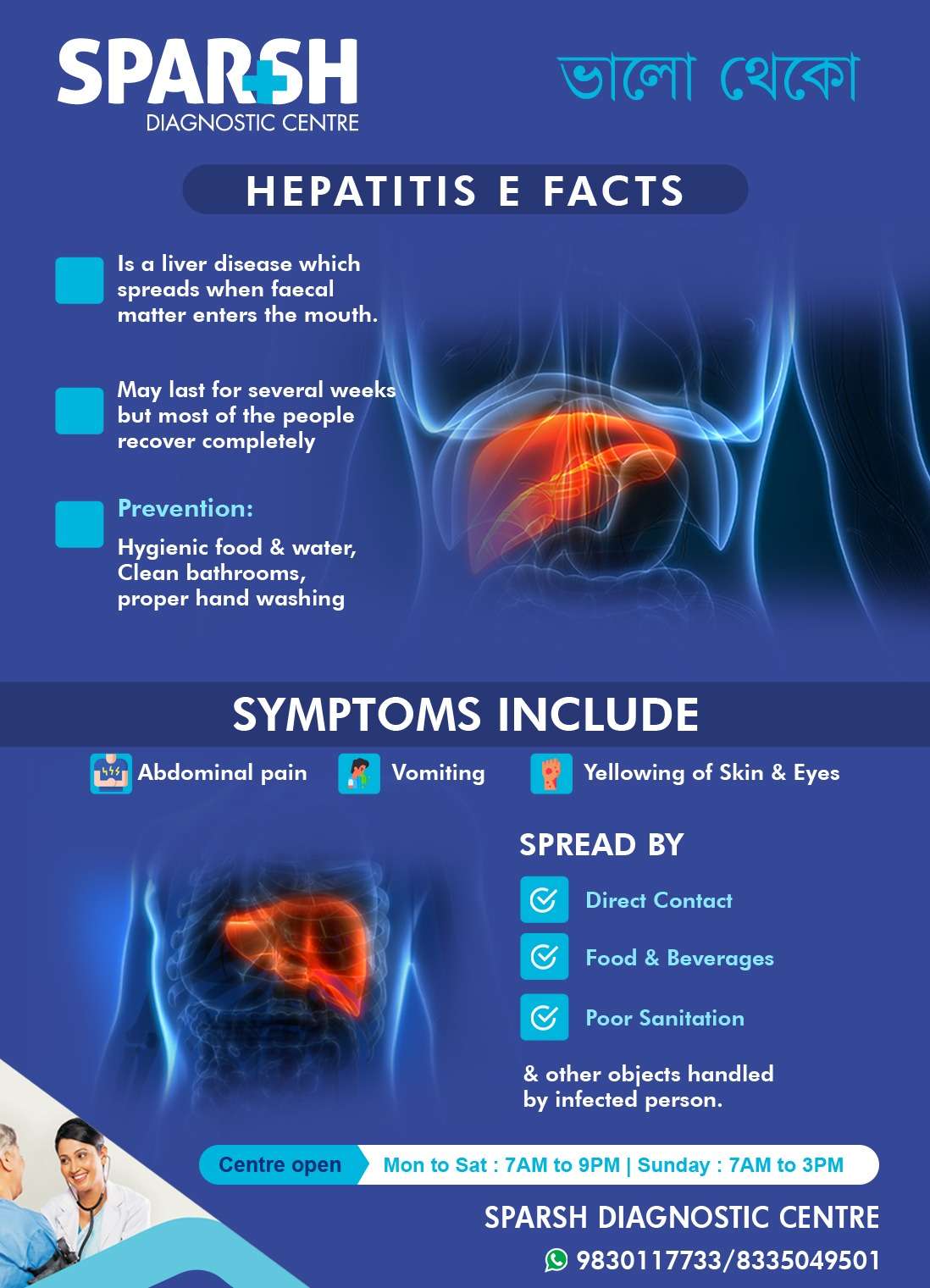
Causes and Transmission
The primary cause of Hepatitis E is infection by the Hepatitis E virus (HEV). It is an RNA virus belonging to the Hepeviridae family.
The infection spreads mainly due to:
Contaminated water: Drinking or using water that has been contaminated with sewage.
Contaminated food: Eating raw or undercooked food, especially meat or shellfish, that carries the virus.
Poor sanitation: Inadequate disposal of human waste can lead to contamination of food and water sources.
Person-to-person contact: Less common, but possible if proper hygiene is not maintained, especially in crowded areas or shared households.
In rare cases, Hepatitis E can also spread through blood transfusions or from an infected mother to her baby during childbirth.
Who Is at Risk?
Hepatitis E can affect anyone, but certain groups are at higher risk, including:
People living in areas with poor sanitation and limited access to clean water.
Pregnant women, especially in their third trimester, are more prone to severe disease.
People with weakened immune systems or chronic liver disease.
Individuals who consume undercooked or raw meat, especially pork, venison, or shellfish.
Travelers visiting regions where Hepatitis E outbreaks are common (South Asia, Africa, and parts of the Middle East).
Symptoms of Hepatitis E
The symptoms of Hepatitis E usually appear 2 to 8 weeks after exposure to the virus. In many mild cases, symptoms may be unnoticed or mistaken for a common viral infection.
However, in symptomatic cases, the following signs are common:
Abdominal pain (especially in the right upper abdomen)
Pale or clay-colored stool
Most people recover within 2 to 6 weeks, but fatigue and weakness may persist for some time after the infection clears.
Complications of Hepatitis E
While Hepatitis E is often mild, it can sometimes lead to serious health issues, particularly in vulnerable groups.
Complications may include:
Acute liver failure: A rare but life-threatening condition where the liver suddenly stops functioning.
Fulminant hepatitis: Rapid deterioration of liver function leading to jaundice, coagulopathy, and encephalopathy.
Chronic infection: Though uncommon, chronic Hepatitis E can occur in people with suppressed immune systems, such as organ transplant recipients or those undergoing chemotherapy.
Pregnancy-related complications: Hepatitis E infection during pregnancy (especially the third trimester) can cause severe liver damage, preterm delivery, and even maternal or fetal death.
Diagnosis of Hepatitis E
If you experience symptoms such as jaundice, fatigue, or abdominal pain, it’s important to consult a doctor. Diagnostic tests help confirm the presence of the virus and evaluate liver function.
Common tests include:
Blood Tests:
Anti-HEV IgM antibodies – Indicate a recent Hepatitis E infection.
Anti-HEV IgG antibodies – Indicate past infection or immunity.
HEV RNA detection (PCR test) – Confirms the presence of the virus in the blood.
Measures enzymes like ALT and AST to assess liver damage.
Helps rule out other causes of liver inflammation or jaundice.
At Sparsh Diagnostic Centre, advanced testing facilities ensure accurate diagnosis of Hepatitis E and other liver-related diseases with quick turnaround times.
Treatment of Hepatitis E
There is no specific antiviral treatment for Hepatitis E. In most cases, the infection resolves on its own within a few weeks. The focus is on supportive care and symptom management.
Treatment typically includes:
Rest: Adequate rest helps the body recover faster.
Hydration: Drinking plenty of fluids to prevent dehydration caused by vomiting or fever.
Balanced diet: Eating easily digestible, nutritious food and avoiding oily or spicy items.
Avoid alcohol: Alcohol can worsen liver inflammation.
Medications: Pain relievers or anti-nausea medications may be prescribed, but only under medical supervision.
For individuals with severe disease, particularly pregnant women or patients with liver failure, hospitalization may be required.
Prevention of Hepatitis E
Preventing Hepatitis E is primarily about maintaining hygiene and sanitation.
Here are some effective prevention tips:
Drink safe, filtered, or boiled water.
Avoid raw or undercooked meat and seafood.
Practice good hand hygiene – wash hands with soap and water, especially before eating or after using the toilet.
Use clean bathrooms and maintain sanitation around water sources.
Be cautious while traveling to endemic areas – avoid street food or untreated water.
Dispose of human waste properly to prevent contamination.
Currently, a Hepatitis E vaccine is available in some countries, but not yet widely distributed globally.
Hepatitis E in Pregnancy
Hepatitis E is especially dangerous during pregnancy. Women in their third trimester are at higher risk of developing severe complications, including acute liver failure, preterm birth, and stillbirth.
Hence, pregnant women should take extra precautions such as consuming clean water, maintaining hygiene, and avoiding outside or undercooked food.
If a pregnant woman shows symptoms like jaundice or persistent vomiting, immediate medical consultation is crucial.
Living with Hepatitis E: Recovery and Care
After recovering from Hepatitis E, most people regain full liver function within weeks. However, it’s essential to continue healthy habits to support liver recovery:
Continue eating a balanced diet rich in fruits, vegetables, and proteins.
Avoid alcohol and unnecessary medications that strain the liver.
Get regular follow-up tests to monitor liver health.
Stay hydrated and rest adequately.
Hepatitis E vs. Other Types of Hepatitis
| Feature | Hepatitis A | Hepatitis B | Hepatitis C | Hepatitis E |
|---|---|---|---|---|
| Causative Virus | HAV | HBV | HCV | HEV |
| Transmission | Fecal-oral | Blood, sex, mother-to-child | Blood, needles | Fecal-oral |
| Chronic Infection | No | Yes | Yes | Rare |
| Vaccine Available | Yes | Yes | No | Limited availability |
| Severity | Mild | Moderate to severe | Chronic & serious | Usually mild, severe in pregnancy |
When to See a Doctor
Seek medical help immediately if you experience:
Yellowing of eyes or skin (jaundice)
Severe abdominal pain
Dark urine and pale stools
Persistent vomiting
Unusual fatigue or confusion
Early diagnosis and proper medical care prevent complications and ensure faster recovery.
At Sparsh Diagnostic Centre, comprehensive liver function testing and expert medical advice help you manage Hepatitis E and other liver disorders effectively.
FAQs on Hepatitis E
1. Is Hepatitis E contagious?
Yes. It spreads when fecal matter from an infected person contaminates food or water consumed by others.
2. Can it become chronic?
In most healthy people, it remains an acute infection. However, in immunocompromised individuals, it can persist and become chronic.
3. Is there a vaccine for it?
A vaccine exists in some countries, but it is not yet widely available globally.
4. Can it recur after recovery?
Reinfection is rare as most people develop immunity after the first infection.
5. How long does Hepatitis E last?
The illness usually lasts for 4–6 weeks, and complete recovery occurs in most cases.
6. How can I prevent Hepatitis E at home?
Use safe drinking water, wash hands frequently, and avoid raw or undercooked food.
7. Is it dangerous during pregnancy?
Yes, it can be life-threatening for both the mother and the baby. Pregnant women should be especially cautious about hygiene and food safety.
8. What foods should I avoid if I have Hepatitis E?
Avoid oily, spicy, and heavy foods. Focus on light, nutritious meals and stay hydrated.
Hepatitis E is a preventable liver disease caused mainly by poor sanitation and contaminated water. While most people recover fully, it can pose serious risks to pregnant women and individuals with weak immunity.
Maintaining proper hygiene, clean water consumption, and timely medical testing are key to prevention and recovery.
At Sparsh Diagnostic Centre, our advanced diagnostic facilities help in early detection and monitoring of Hepatitis E and other liver disorders — ensuring you get the right care at the right time.
For reliable Hepatitis E testing and liver health check-ups, visit:
👉 Sparsh Diagnostic Centre
📞 9830117733 / 8335049501
To get tested and treated for Hepatitis at Sparsh Diagnostic Centre, call our helpline number 9830117733.
#BhaloTheko
Disclaimer:
No content on this site, regardless of date, should ever be used as a substitute for direct medical advice from your doctor or other qualified clinician.


[…] Hepatitis E: Spread through contaminated water, usually acute. […]
[…] Hepatitis E: Similar to Hepatitis A, spread through contaminated water. […]
[…] Hepatitis E (HEV): […]