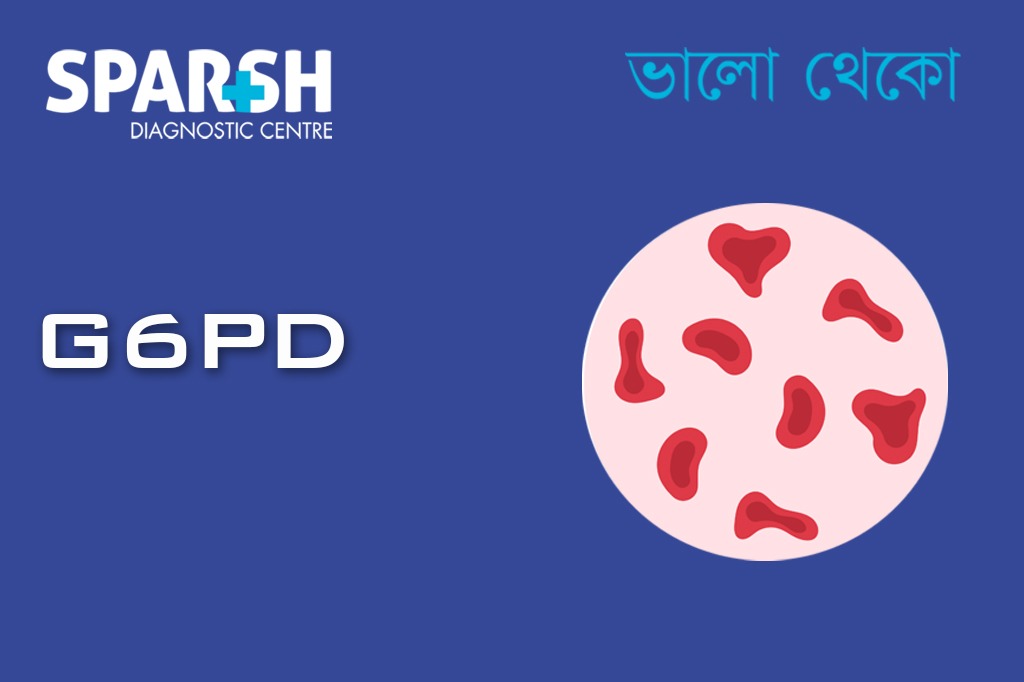
G6PD deficiency is a common inherited genetic disorder that affects red blood cells. The condition occurs when the body lacks enough of an important enzyme called glucose-6-phosphate dehydrogenase (G6PD). This enzyme helps protect red blood cells from damage caused by oxidative stress.
Without sufficient G6PD, red blood cells become fragile and can break down prematurely, leading to a condition known as hemolytic anemia. In many people, the condition remains silent for years and only becomes noticeable when triggered by certain foods, infections, medications, or chemicals.
G6PD deficiency is more common in males because it is an X-linked inherited disorder. Millions of people worldwide are affected, especially in parts of Africa, Asia, the Mediterranean region, and the Middle East.
Although the condition is lifelong, most individuals with G6PD deficiency can live healthy and normal lives by learning how to avoid common triggers.
Understanding the Role of G6PD in the Body
The G6PD enzyme plays a protective role inside red blood cells. Its main function is to help produce a molecule called NADPH, which protects cells from oxidative damage.
Red blood cells are constantly exposed to oxygen, which can produce harmful substances called free radicals. Normally, G6PD helps neutralize these harmful compounds. When the enzyme level is low, oxidative stress damages the red blood cells, causing them to break apart earlier than normal.
This rapid destruction of red blood cells is called hemolysis.
What Causes G6PD Deficiency?
G6PD deficiency is caused by mutations in the G6PD gene. The disorder is inherited from parents and is present from birth.
Because the condition is linked to the X chromosome:
- Males are more commonly affected
- Females may be carriers or mildly affected
- A family history of G6PD deficiency increases the risk
The severity of the condition depends on the specific genetic mutation involved.
Types and Severity of G6PD Deficiency
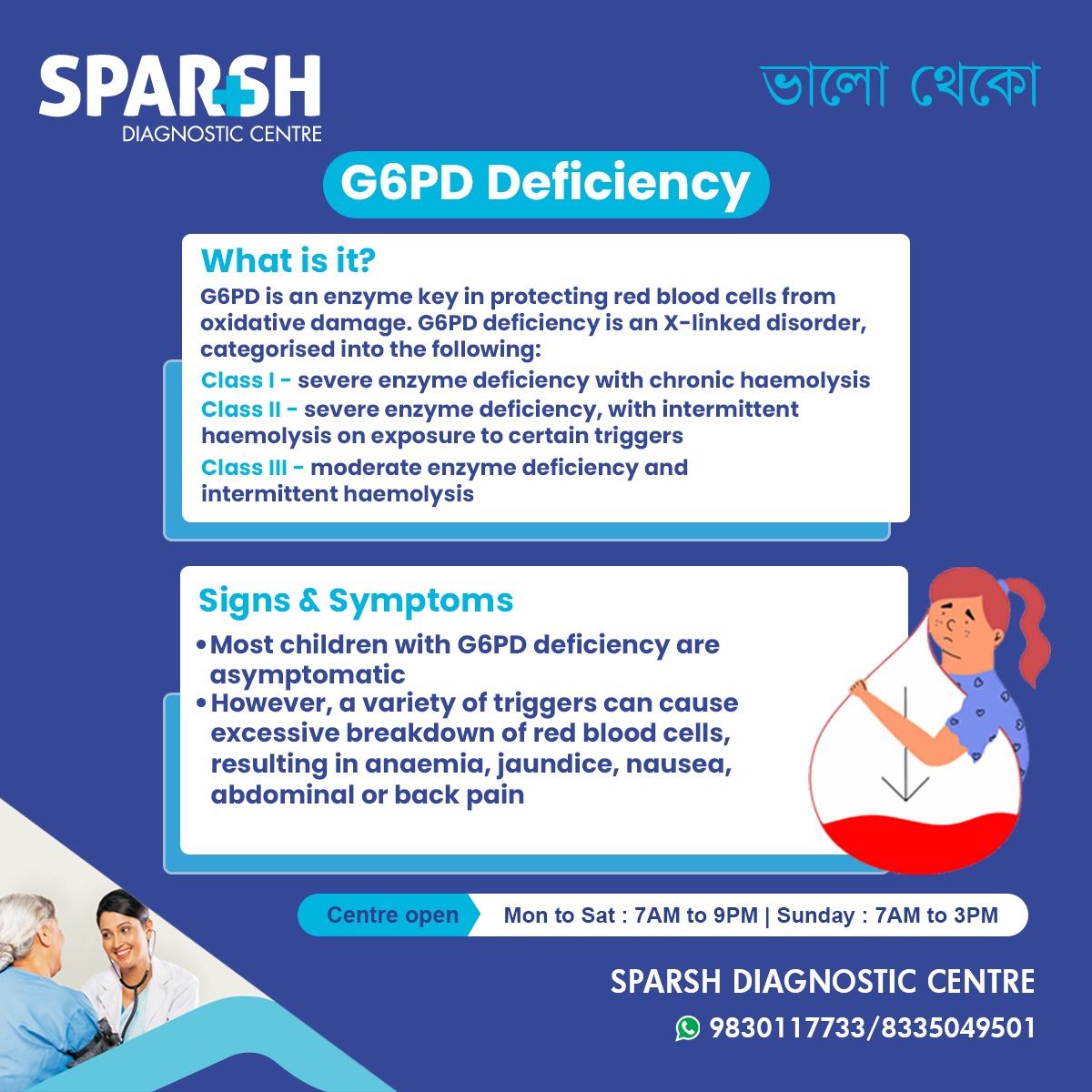
Doctors classify G6PD deficiency into different categories based on enzyme activity and symptom severity.
Class I
- Severe enzyme deficiency
- Chronic hemolytic anemia
- Persistent red blood cell destruction
Class II
- Severe deficiency
- Intermittent hemolysis triggered by infections, foods, or medications
Class III
- Moderate deficiency
- Mild or occasional hemolytic episodes
Most people fall into Class II or Class III categories.
Symptoms of G6PD Deficiency
Many individuals with G6PD deficiency do not experience symptoms unless exposed to triggers. When symptoms occur, they are usually related to hemolytic anemia.
Common symptoms include:
- Fatigue and weakness
- Pale skin
- Shortness of breath
- Rapid heartbeat
- Dizziness
- Dark or tea-colored urine
- Jaundice (yellowing of the skin and eyes)
- Fever
- Back pain or abdominal pain
- Enlarged spleen in severe cases
Symptoms can appear suddenly after exposure to triggering substances or infections.
G6PD Deficiency in Newborns
Newborn babies with G6PD deficiency may develop severe jaundice within the first few days of life. This happens because damaged red blood cells release bilirubin into the bloodstream.
Signs in babies may include:
- Yellow skin and eyes
- Poor feeding
- Excessive sleepiness
- Irritability
If bilirubin levels become extremely high, it can affect the brain and lead to serious complications. Early diagnosis and treatment are very important.
Common Triggers of G6PD Deficiency
People with G6PD deficiency need to avoid substances that can increase oxidative stress.
1. Certain Medications
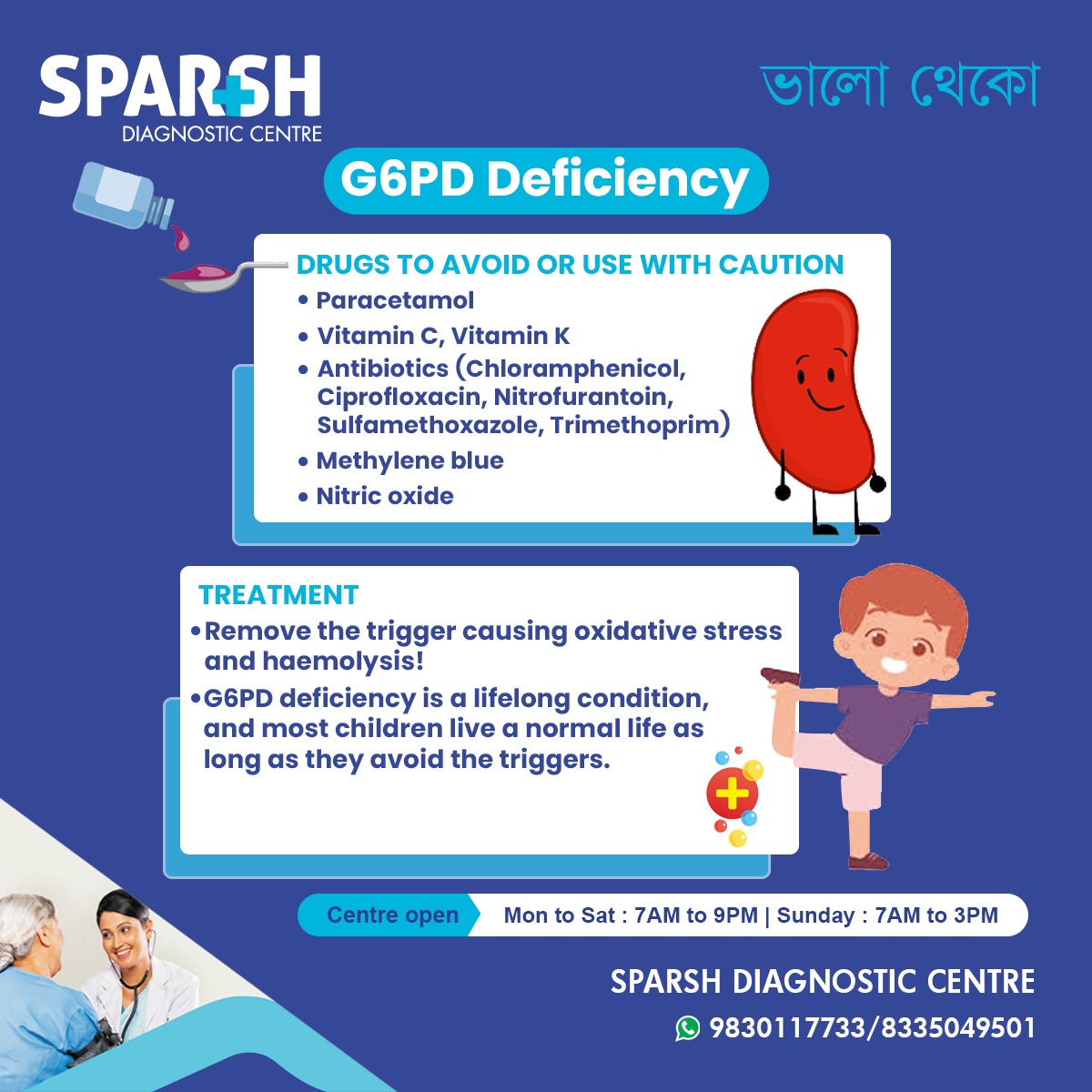
Some medicines can trigger hemolysis in people with G6PD deficiency.
Common examples include:
- Sulfonamide antibiotics
- Nitrofurantoin
- Ciprofloxacin
- Chloramphenicol
- Primaquine
- Dapsone
- Methylene blue
- High doses of aspirin
- Certain antimalarial drugs
Always inform healthcare providers about G6PD deficiency before taking any medication.
Foods to Avoid in G6PD Deficiency
Fava Beans
Fava beans are one of the most well-known triggers. Eating them can cause severe hemolytic anemia in susceptible individuals, a reaction called favism.
Artificial Food Additives
Some artificial dyes and preservatives may increase oxidative stress in sensitive individuals.
Excessive Intake of Certain Supplements
Large doses of vitamin C or vitamin K supplements should only be taken under medical supervision.
Infections and G6PD Deficiency
Infections are among the most common causes of hemolytic episodes.
Common infection triggers include:
- Viral infections
- Bacterial infections
- Pneumonia
- Hepatitis
- Urinary tract infections
During infections, the immune system produces oxidative substances that can damage red blood cells.
Signs of a Hemolytic Crisis
A hemolytic crisis occurs when red blood cells break down rapidly.
Warning signs include:
- Sudden fatigue
- Severe weakness
- Dark urine
- Yellow eyes
- Rapid heartbeat
- Difficulty breathing
- Pale skin
A severe crisis requires immediate medical attention.
How Is G6PD Deficiency Diagnosed?
Diagnosis usually involves blood tests.
Common Diagnostic Tests
G6PD Enzyme Test
Measures enzyme activity in red blood cells.
Complete Blood Count (CBC)
Checks hemoglobin levels and anemia.
Bilirubin Test
Measures bilirubin levels caused by red blood cell breakdown.
Reticulocyte Count
Evaluates how actively the bone marrow is producing new red blood cells.
Genetic Testing
Sometimes used to confirm the diagnosis or identify specific variants.
Testing may occasionally appear normal during or immediately after a hemolytic episode because younger red blood cells may temporarily increase enzyme levels.
Treatment for G6PD Deficiency
There is currently no permanent cure for G6PD deficiency. Treatment mainly focuses on preventing hemolytic episodes and managing symptoms.
Avoid Triggers
The most effective approach is avoiding:
- Unsafe medications
- Fava beans
- Certain chemicals
- Severe infections when possible
Treat Infections Quickly
Prompt treatment of infections can reduce oxidative stress and prevent complications.
Hydration
Drinking adequate fluids helps support kidney function during hemolytic episodes.
Blood Transfusions
Severe anemia may require blood transfusions in emergency situations.
Oxygen Therapy
Patients with severe anemia may need oxygen support.
Phototherapy for Newborns
Babies with jaundice may require special light therapy to reduce bilirubin levels.
Can People with G6PD Deficiency Live Normal Lives?
Yes. Most individuals with G6PD deficiency lead completely normal and active lives. The key is awareness and prevention.
With proper education:
- Hemolytic crises can often be avoided
- Children can grow and develop normally
- Adults can maintain healthy lifestyles
Keeping a list of unsafe medications and informing healthcare providers is essential.
Is G6PD Deficiency Common?
G6PD deficiency is one of the most common enzyme disorders worldwide.
It affects more than 400 million people globally.
The condition is particularly common in:
- Africa
- India
- Southeast Asia
- Mediterranean countries
- Middle Eastern populations
Scientists believe the mutation persisted because it may offer partial protection against severe malaria.
G6PD Deficiency and Pregnancy
Women who are carriers may pass the condition to their children. Genetic counseling may help families understand inheritance patterns.
Pregnant women with G6PD deficiency should:
- Avoid unsafe medications
- Maintain regular prenatal care
- Inform doctors about the condition
Complications of G6PD Deficiency
Most people do well with proper management, but complications can occur if severe hemolysis develops.
Possible complications include:
- Severe anemia
- Kidney damage
- Neonatal jaundice
- Rarely, life-threatening hemolytic crises
Early recognition significantly reduces the risk of complications.
Prevention Tips for G6PD Deficiency
Keep a Medication List
Always carry a list of medicines to avoid.
Inform Healthcare Providers
Tell doctors, dentists, and pharmacists about the condition.
Avoid Fava Beans
Even small amounts can trigger reactions in some people.
Treat Infections Early
Seek medical attention for fever or illness.
Read Food and Drug Labels
Check ingredients carefully.
Family Screening
Relatives may benefit from testing if there is a family history.
Diet Tips for People with G6PD Deficiency
A balanced and nutritious diet supports overall health.
Recommended foods include:
- Fresh fruits
- Vegetables
- Whole grains
- Lean proteins
- Adequate fluids
There is no special “G6PD diet,” but avoiding known triggers is essential.
Emotional and Family Support
Receiving a diagnosis of G6PD deficiency can feel overwhelming initially, especially for parents of newborns. However, education makes a huge difference.
Most families quickly learn how to manage the condition safely. Schools, caregivers, and family members should also understand the basics of trigger avoidance.
Supportive healthcare guidance can help individuals confidently manage daily life.
When Should You See a Doctor?
Seek immediate medical attention if symptoms such as the following occur:
- Sudden weakness
- Yellowing of the eyes
- Dark urine
- Difficulty breathing
- Severe fatigue
- Persistent fever
Prompt treatment can prevent serious complications.
Frequently Asked Questions (FAQs)
What does G6PD stand for?
G6PD stands for glucose-6-phosphate dehydrogenase, an enzyme that helps protect red blood cells from damage.
Is G6PD deficiency hereditary?
Yes. G6PD deficiency is an inherited genetic disorder passed down through families.
Can females have G6PD deficiency?
Yes. Although males are more commonly affected, females can also have the condition or be carriers.
What foods should people with G6PD deficiency avoid?
Fava beans are the most important food to avoid. Some individuals may also need caution with certain supplements or artificial additives.
Can G6PD deficiency be cured?
There is no permanent cure, but the condition can be effectively managed by avoiding triggers and treating symptoms early.
Is G6PD deficiency dangerous?
Most people live healthy lives. However, severe hemolytic anemia can become dangerous if not treated promptly.
How is G6PD deficiency diagnosed?
Doctors diagnose the condition using blood tests that measure G6PD enzyme activity.
Can infections trigger G6PD symptoms?
Yes. Viral and bacterial infections are common triggers for hemolytic episodes.
Is G6PD deficiency common in India?
Yes. G6PD deficiency is relatively common in certain Indian populations and ethnic groups.
Can children with G6PD deficiency play sports?
Yes. Most children with G6PD deficiency can participate in normal activities, including sports, as long as triggers are avoided.
G6PD deficiency is a lifelong genetic condition, but it is highly manageable with awareness and preventive care. Understanding the triggers, recognizing warning signs early, and maintaining open communication with healthcare providers can significantly reduce complications.
Most people with G6PD deficiency enjoy normal, healthy, and active lives. Early diagnosis, proper education, and regular medical guidance are the keys to effective management.
If you or your child experiences symptoms such as jaundice, fatigue, or dark urine after certain medications, foods, or infections, consult a healthcare professional for proper evaluation and testing.
To consult a Doctor at Sparsh Diagnostic Centre, call our helpline numbers 9830117733/ 8335049501.
#BhaloTheko
Disclaimer:
No content on this site, regardless of date, should ever be used as a substitute for direct medical advice from your doctor or other qualified clinician.