The Zika virus gained worldwide attention after causing outbreaks linked to severe birth defects in newborns. Although the number of reported cases has declined in recent years, Zika remains a public health concern in several parts of the world, especially for pregnant women and people planning pregnancy.
Most people infected with the virus experience either no symptoms or only mild illness. However, when the infection occurs during pregnancy, the consequences can be devastating for the developing baby. Understanding how the virus spreads, recognizing its symptoms, and taking preventive measures are essential for reducing the risk of infection.
In this comprehensive guide, we’ll explain everything you need to know about the Zika virus, including symptoms, diagnosis, treatment, prevention, pregnancy-related complications, and answers to the most commonly searched questions.
What Is the Zika Virus?
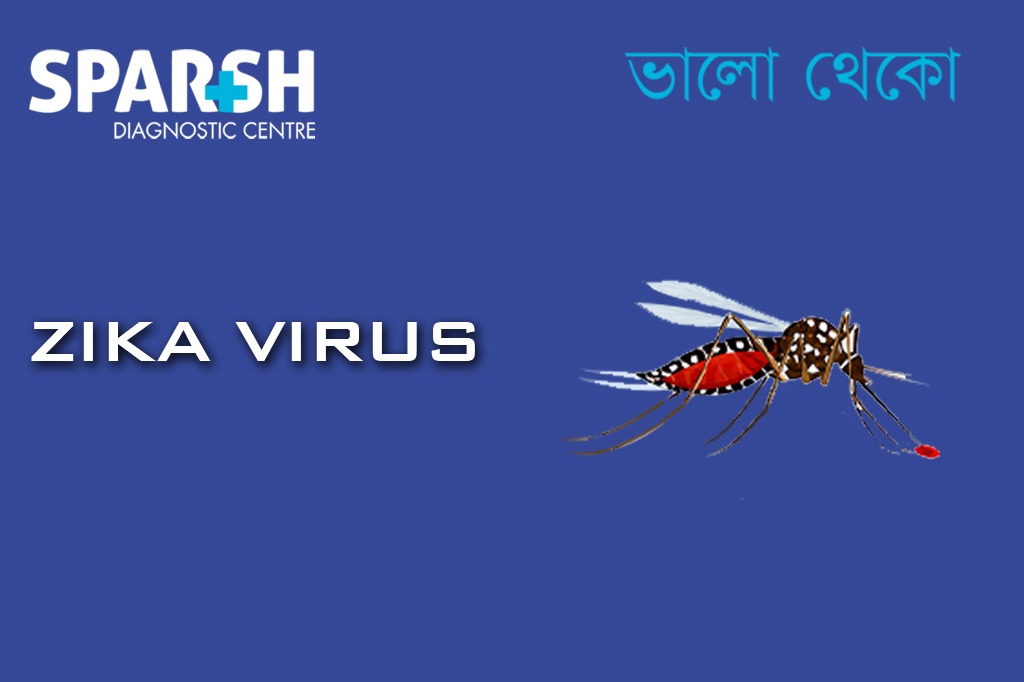
The Zika virus is a mosquito-borne virus primarily spread by infected Aedes aegypti and Aedes albopictus mosquitoes. These are the same mosquitoes responsible for transmitting dengue and chikungunya.
The virus was first identified in Uganda’s Zika Forest in 1947. Decades later, it caused major outbreaks across South America, Central America, Southeast Asia, and parts of the Pacific.
Unlike many mosquito-borne illnesses, Zika can also spread through:
- Sexual contact
- Pregnancy (from mother to baby)
- Blood transfusion (rare)
- Organ transplantation (very rare)
- Laboratory exposure
The biggest concern is infection during pregnancy because it can lead to serious birth defects.
What Does Zika Do to Humans?
In most healthy adults, the virus causes either mild symptoms or no symptoms at all. Around 80% of infected individuals never realize they have been infected.
However, the virus affects people differently depending on age, immunity, and pregnancy status.
It may cause:
Rarely, Zika can trigger neurological complications such as Guillain-Barré Syndrome (GBS), where the immune system attacks the nerves, leading to muscle weakness and paralysis.
For unborn babies, the virus can interfere with brain development and lead to lifelong disabilities.
How Does Zika Spread?
The virus spreads through multiple routes.
Mosquito bites
The primary mode of transmission is through infected Aedes mosquitoes, which bite mostly during the daytime.
Pregnancy
An infected mother can pass the virus to her unborn baby.
Sexual transmission
The virus can remain in semen longer than it stays in blood, allowing sexual transmission even after symptoms disappear.
Blood transfusion
Although uncommon, infected blood products can transmit the virus.
Organ donation
This is extremely rare but remains a theoretical possibility.
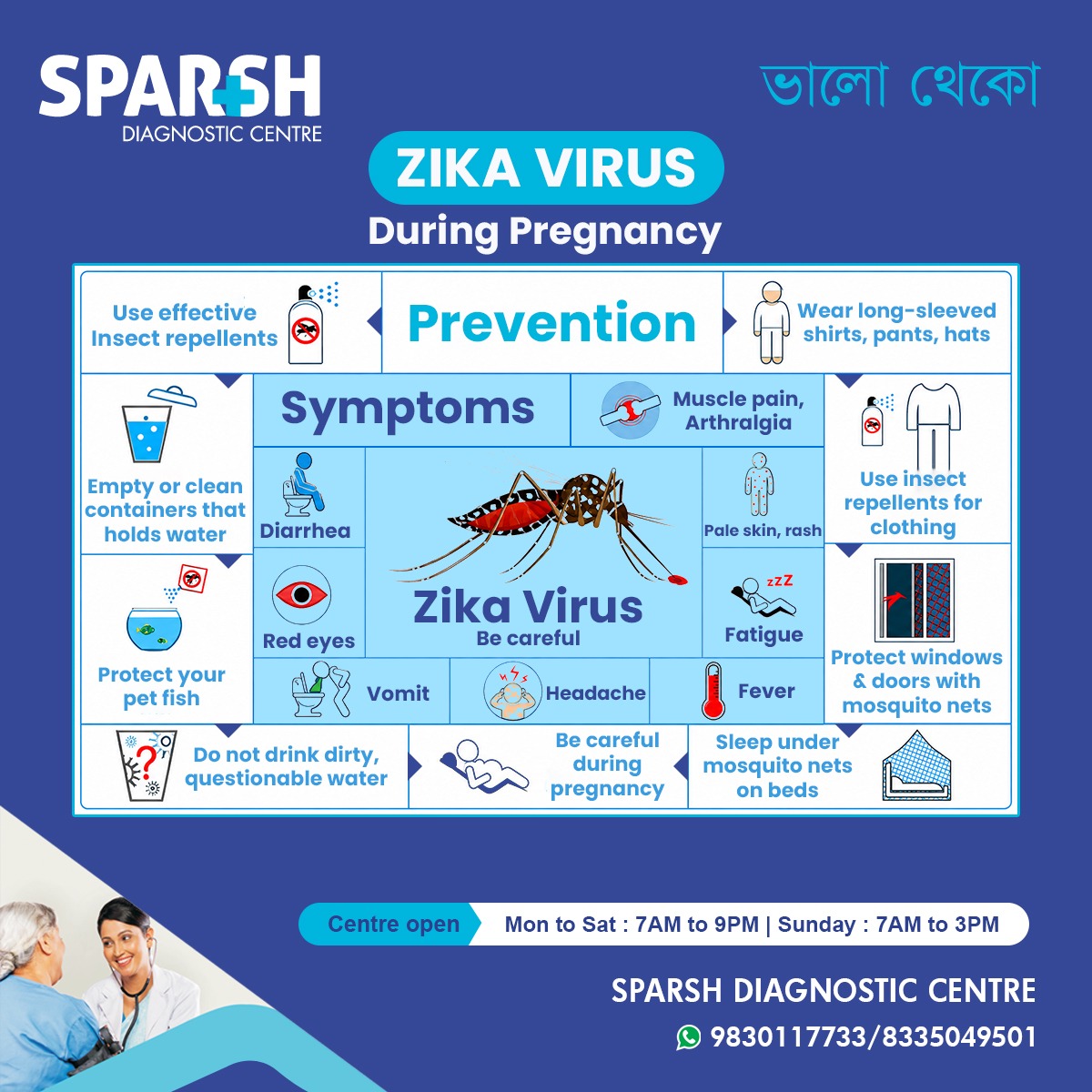
What Are the 5 Main Symptoms of Zika?
The five most common symptoms include:
- Mild fever
- Skin rash
- Joint pain
- Red eyes (conjunctivitis)
- Headache
Other symptoms may include:
- Muscle aches
- Fatigue
- Mild swelling of joints
- General weakness
- Loss of appetite
Symptoms usually begin 3–14 days after infection.
What Are the First Signs of Zika?
The earliest symptoms often include:
- Mild fever
- Red eyes
- Skin rash
- Joint pain
- Feeling tired
Some people initially mistake Zika for dengue or a common viral illness because the symptoms overlap.
What Does a Zika Rash Look Like?
A Zika rash typically appears as:
- Flat red spots
- Small raised bumps
- Itchy skin
- Rash beginning on the face before spreading
- Rash involving the arms, chest, back, legs, and abdomen
The rash usually develops within the first few days after infection and lasts several days.
Unlike allergic reactions, the rash is generally accompanied by fever and joint pain.
How Long Does Zika Virus Last?
Most infections resolve within:
- 2–7 days for mild symptoms
- Fatigue may continue for several weeks
- The virus remains in blood for about one week
- It can remain in semen for several months
Because of prolonged persistence in semen, health authorities recommend precautions before attempting pregnancy.
Who Is Most at Risk for Zika?
Certain individuals face greater health risks.
These include:
- Pregnant women
- Women trying to conceive
- Unborn babies
- Travelers visiting outbreak areas
- Healthcare workers exposed to infected blood
- Individuals living in mosquito-prone regions
The greatest concern remains fetal infection during pregnancy.
What Happens If a Pregnant Woman Gets Zika?
Pregnancy changes the seriousness of Zika dramatically.
The virus can cross the placenta and infect the developing baby.
Possible complications include:
- Miscarriage
- Stillbirth
- Premature birth
- Microcephaly (small head size)
- Brain abnormalities
- Vision problems
- Hearing loss
- Developmental delays
- Joint contractures
- Feeding difficulties
Even babies who appear normal at birth may later develop developmental problems.
What Trimester Is Worst for Zika?
The first trimester carries the highest risk because this is when the baby’s brain and nervous system are rapidly developing.
However, infection during any trimester can affect fetal development.
Doctors recommend pregnant women avoid travel to areas experiencing Zika outbreaks whenever possible.
How Do I Know If I Have Zika?
Since many infected individuals have no symptoms, diagnosis often depends on:
Clinical history
Your doctor will ask about:
- Recent travel
- Mosquito exposure
- Pregnancy status
- Sexual exposure
Laboratory testing
Tests include:
- RT-PCR (detects viral genetic material)
- Blood tests
- Urine tests
- Antibody testing
Testing is particularly important for pregnant women with possible exposure.
How Is Zika Diagnosed?
Doctors may recommend testing if:
- You have compatible symptoms.
- You recently traveled to an affected region.
- Your sexual partner traveled to an outbreak area.
- You are pregnant and may have been exposed.
Ultrasound examinations may also be performed during pregnancy to monitor fetal development.
Can the Zika Virus Be Cured?
Currently, there is no specific cure or antiviral medication for Zika virus infection.
Treatment focuses on relieving symptoms.
Doctors usually recommend:
- Plenty of rest
- Drinking fluids
- Acetaminophen (paracetamol) for fever
- Pain relief
- Monitoring pregnancy carefully
Aspirin and non-steroidal anti-inflammatory drugs (NSAIDs) are generally avoided until dengue has been ruled out because of the risk of bleeding.
Can Someone Survive the Zika Virus?
Yes.
The overwhelming majority of people recover completely without long-term health problems.
Hospitalization is uncommon.
Deaths from Zika infection are extremely rare.
The main health concern involves complications during pregnancy and the rare neurological condition Guillain-Barré Syndrome.
What Is the Survival Rate of Zika?
The survival rate is extremely high, with most infections being mild or even symptom-free.
Fatal cases are exceptionally rare and usually occur in people with severe complications or underlying health conditions.
For healthy adults, recovery is generally complete.
How Can You Prevent Getting Zika?
Preventing mosquito bites remains the best defense.
Use mosquito repellents
Choose repellents containing:
- DEET
- Picaridin
- IR3535
- Oil of lemon eucalyptus (where appropriate)
Wear protective clothing
- Long sleeves
- Full-length trousers
- Socks
- Light-colored clothing
Eliminate standing water
Mosquitoes breed in stagnant water found in:
- Flower pots
- Buckets
- Water tanks
- Coolers
- Tires
- Bird baths
Install mosquito screens
Use:
- Window screens
- Door screens
- Mosquito nets
Practice safe sex
People returning from affected areas should use condoms or abstain from sex for the recommended period, especially if pregnancy is possible.
Avoid unnecessary travel
Pregnant women should avoid areas experiencing active Zika outbreaks whenever feasible.
Treatment of Zika Virus
Supportive care includes:
- Adequate hydration
- Rest
- Fever management
- Pain control
- Monitoring pregnancy
- Hospital care if neurological complications develop
There is currently no licensed vaccine widely available for routine public use, although research continues.
Possible Complications
Although uncommon, complications include:
- Guillain-Barré Syndrome
- Peripheral neuropathy
- Congenital Zika Syndrome
- Brain abnormalities
- Developmental disabilities
- Hearing impairment
- Vision loss
- Muscle stiffness
Is Zika Still a Risk in 2026?
Yes, although the situation has changed considerably since the large outbreaks of 2015–2016.
Many countries continue to report sporadic cases and localized outbreaks, particularly in tropical and subtropical regions where Aedes mosquitoes are established. Climate conditions, international travel, and mosquito populations mean the virus has not disappeared.
Health authorities still advise travelers—especially pregnant women or those planning pregnancy—to check current travel health advisories before visiting areas with known Zika transmission.
What Countries Are Most Affected by Zika?
Zika has been reported in many tropical and subtropical regions.
Countries and territories that have experienced significant transmission include parts of:
- Brazil
- Colombia
- Mexico
- Venezuela
- Puerto Rico
- Dominican Republic
- Honduras
- Guatemala
- Thailand
- Vietnam
- Philippines
- Indonesia
- India (sporadic outbreaks have been reported in some states)
- Several Pacific Island nations
The level of risk changes over time, so travelers should consult the latest public health advisories before departure.
Living Safely in Areas with Zika
If you live in or travel to an area where Zika is present:
- Use mosquito repellent every day.
- Wear clothing that covers exposed skin.
- Keep your surroundings free of standing water.
- Sleep under mosquito nets where needed.
- Use air conditioning or screened windows.
- Seek medical advice if symptoms develop after travel.
- Inform your healthcare provider immediately if you are pregnant and may have been exposed.
Frequently Asked Questions (FAQs)
1. What does Zika do to humans?
Most people experience mild illness or no symptoms. Common effects include fever, rash, joint pain, headache, and red eyes. In rare cases, Zika can lead to neurological complications such as Guillain-Barré Syndrome. During pregnancy, it can cause serious birth defects.
2. What are the 5 main symptoms of Zika?
The five main symptoms are:
- Mild fever
- Skin rash
- Joint pain
- Red eyes (conjunctivitis)
- Headache
3. Can someone survive the Zika virus?
Yes. Nearly all infected individuals recover completely, and deaths are very rare.
4. What is the Zika virus?
Zika is a mosquito-borne viral infection caused by the Zika virus and primarily spread by Aedes mosquitoes. It can also spread through sexual contact and from a pregnant mother to her baby.
5. Can the Zika virus be cured?
There is no specific cure. Treatment focuses on rest, hydration, and relieving symptoms while the body’s immune system clears the infection.
6. How can you prevent getting Zika?
Use insect repellent, wear long-sleeved clothing, remove standing water, install mosquito screens, sleep under mosquito nets when necessary, practice safe sex after possible exposure, and avoid travel to outbreak areas during pregnancy.
7. Who is most at risk for Zika?
Pregnant women, unborn babies, travelers to affected regions, people living in mosquito-prone areas, and individuals planning pregnancy face the greatest risks.
8. What does a Zika rash look like?
A Zika rash is usually red, flat or slightly raised, often itchy, and commonly starts on the face before spreading to the rest of the body.
9. How long does Zika virus last?
Symptoms generally last 2 to 7 days, although fatigue may persist longer. The virus can remain in semen for several months.
10. How do I know if I have Zika?
If you’ve recently traveled to an affected area and develop fever, rash, joint pain, or red eyes, consult a healthcare provider. Blood or urine tests can help confirm the diagnosis.
11. What is the survival rate of Zika?
The survival rate is extremely high. Most infections are mild or symptom-free, and fatalities are exceptionally rare.
12. Is Zika still a risk in 2026?
Yes. While large epidemics have become less common, localized outbreaks and sporadic cases continue in some countries, making preventive measures and travel awareness important.
13. What countries are most affected by Zika?
Countries in Latin America, the Caribbean, Southeast Asia, and parts of the Pacific have experienced the highest burden of Zika transmission. Risk levels can change over time.
14. What trimester is worst for Zika?
The first trimester poses the greatest risk because the baby’s brain develops rapidly during this period. However, infection in any trimester can affect fetal development.
15. What are the first signs of Zika?
The earliest signs usually include mild fever, skin rash, red eyes, joint pain, and headache within a few days of infection.
16. What happens if a pregnant woman gets Zika?
The virus can pass to the unborn baby and increase the risk of miscarriage, stillbirth, microcephaly, brain abnormalities, vision and hearing problems, and lifelong developmental disabilities.
Although Zika virus infections are often mild in healthy adults, the infection remains a serious concern because of its potential impact on pregnancy and fetal development. Staying informed about current travel advisories, protecting yourself from mosquito bites, and seeking timely medical advice if you develop symptoms after possible exposure are the best ways to reduce risk.
If you are pregnant, planning a pregnancy, or have recently traveled to an area with Zika transmission, consult your healthcare provider promptly for appropriate evaluation and guidance. Early assessment, preventive measures, and regular prenatal care can make a significant difference in protecting both mother and baby.