


Seeing your newborn’s skin or eyes turn yellow can be frightening, especially during the first few days after birth. The good news is that jaundice in newborns is extremely common, and in most healthy babies it is mild and temporary. More than half of full-term newborns develop some degree of jaundice during the first week of life, and the number is even higher among premature babies.
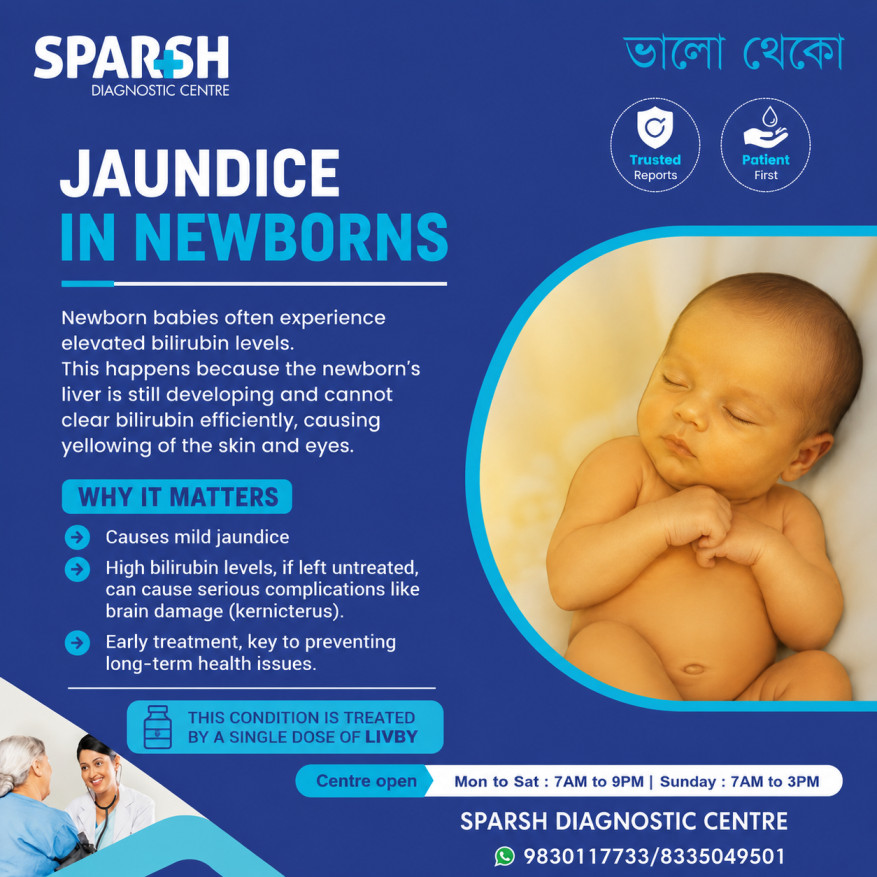
Newborn jaundice happens when a substance called bilirubin builds up in the baby’s blood. Bilirubin is produced naturally when red blood cells break down. Normally, the liver processes bilirubin and helps the body remove it through stools and urine. A newborn’s liver is still developing, so it may take a few days before it can handle bilirubin efficiently.
Most cases settle without causing any lasting problems. However, very high bilirubin levels can be dangerous and, in rare situations, can affect the brain. This is why newborn jaundice should never simply be ignored.
What is jaundice in newborns?
Jaundice is the yellowish colouring of a baby’s skin and the whites of the eyes caused by elevated bilirubin. It commonly becomes noticeable around the second or third day after birth.
The condition is usually divided into two broad categories:
Physiological jaundice: This is the common type caused by the normal adjustment of a newborn’s liver after birth. It usually improves as the liver becomes better at processing bilirubin.
Pathological jaundice: This occurs when bilirubin rises because of another problem, such as blood-group incompatibility, increased breakdown of red blood cells, infection, liver disease or another underlying condition. Jaundice appearing during the first 24 hours of life deserves prompt medical assessment.
There is also breastfeeding or suboptimal-intake jaundice, which can occur when a baby is not receiving enough milk during the early days. In contrast, breast milk jaundice can persist in an otherwise healthy, well-fed baby and is generally harmless after other causes have been excluded.
Why do newborn babies develop jaundice?
Several factors can contribute to newborn jaundice.
Immature liver
The most common explanation is simple: the baby’s liver is not yet fully mature. It takes some time to process and remove bilirubin efficiently.
Increased breakdown of red blood cells
Newborns naturally have a relatively high number of red blood cells. When these cells break down, bilirubin is produced.
Premature birth
Babies born prematurely are more likely to develop jaundice because their liver is less mature and they may also have greater difficulty feeding.
Blood-group incompatibility
If the mother’s blood type and the baby’s blood type are incompatible, antibodies can sometimes cause increased destruction of the baby’s red blood cells. This can result in bilirubin rising rapidly.
Feeding difficulties
If a newborn is not feeding effectively, there may be fewer bowel movements and less bilirubin being removed from the body. This is why adequate feeding is an important part of managing jaundice.
What are the symptoms of newborn jaundice?
The most obvious symptom is yellowing of the skin and eyes.
Jaundice often begins around the face and can gradually extend down the body as bilirubin levels increase. Parents may also notice:
- Yellowing of the whites of the eyes
- Poor feeding
- Difficulty waking for feeds
- Unusual sleepiness
- Fewer wet diapers
- Dark urine
- Pale or unusually light-coloured stools
- Yellowing that becomes more pronounced rather than improving
The appearance of the skin alone cannot reliably tell you how high the bilirubin level is. A healthcare professional may need to measure bilirubin using a skin device or blood test.
How long will jaundice last in a newborn?
For a healthy full-term newborn with uncomplicated physiological jaundice, the yellow colour often improves within about a week, although some babies can remain mildly jaundiced for longer.
Mild jaundice may take two to three weeks to completely disappear in some babies. Breast milk jaundice can last considerably longer, sometimes several weeks or even a few months, while the baby otherwise feeds well and grows normally.
The important point is that persistent jaundice should not automatically be assumed to be harmless. If jaundice continues beyond the expected period, becomes deeper, or is accompanied by poor feeding, dark urine or pale stools, the baby should be assessed by a pediatrician.
How do you treat jaundice in newborns?
Treatment depends on the baby’s age in hours, gestational age, bilirubin level, overall health and risk factors. There is no single bilirubin number that applies to every newborn. Current clinical guidelines use age-specific and risk-specific thresholds to decide whether treatment is required.
Frequent and effective feeding
For babies with mild jaundice, ensuring adequate feeding is often an important part of care. Breastfed newborns generally need frequent feeds, with the AAP recommending feeding on demand at least eight times in 24 hours during the early period.
Adequate milk intake promotes hydration, bowel movements and bilirubin elimination.
Phototherapy
When bilirubin reaches the treatment threshold, phototherapy is the standard treatment.
The baby is placed under special blue light that changes bilirubin into forms the body can eliminate more easily. Depending on the baby’s condition and bilirubin level, phototherapy may be given in hospital or, in selected circumstances, at home using an appropriate medical device with proper monitoring.
Exchange transfusion
Very rarely, if bilirubin becomes extremely high or does not respond adequately to treatment, an exchange transfusion may be necessary. This is reserved for severe cases and is performed in a specialist neonatal setting.
Can breast milk help jaundice?
Yes, breastfeeding can help, particularly when the baby is receiving enough milk.
Frequent effective breastfeeding helps prevent dehydration and encourages regular stools, which helps the body eliminate bilirubin. Breastfeeding should generally be continued during jaundice and even during phototherapy unless the baby’s pediatrician advises otherwise.
It is important to distinguish breastfeeding jaundice from breast milk jaundice. Inadequate milk intake during the early days can contribute to rising bilirubin. Breast milk jaundice, on the other hand, can occur despite adequate feeding and good weight gain and may persist for several weeks.
Parents should not stop breastfeeding on their own because the baby looks yellow.
What should a mother eat when a baby has jaundice?
There is no special food or diet that can directly remove bilirubin from a newborn.
A breastfeeding mother should focus on eating a varied, nutritious diet and drinking enough fluids to support her own health and milk production. Normal balanced meals containing vegetables, fruits, whole grains, pulses, dairy or suitable alternatives, eggs, fish or other protein sources can all form part of a healthy diet.
There is no evidence that eating a particular fruit, juice, herb or traditional remedy will “cleanse” the baby’s liver or cure jaundice.
More importantly, make sure the baby is feeding effectively. If breastfeeding is difficult, a lactation consultant, pediatrician or neonatal care team can help assess the baby’s latch, milk transfer, weight and hydration.
Is jaundice harmful to a baby?
Most newborn jaundice is not harmful, but very high bilirubin levels can be serious.
If bilirubin becomes extremely elevated, it can cross into brain tissue and cause acute bilirubin encephalopathy. In severe untreated cases, this can progress to kernicterus, a rare but potentially permanent form of brain injury.
This does not mean that every yellow baby is in danger. It means that bilirubin needs to be assessed appropriately when jaundice is significant or risk factors are present.
Seek urgent medical attention if your baby is very difficult to wake, is not feeding, appears unusually floppy or stiff, develops an abnormal high-pitched cry, or seems seriously unwell.
Do C-section babies get jaundice?
Yes. Babies born by C-section can develop jaundice.
Having a Caesarean delivery itself is not a direct cause of newborn jaundice. Jaundice is related mainly to bilirubin production, the baby’s ability to process bilirubin, feeding, gestational age, blood-group incompatibility and other medical factors.
After a C-section, breastfeeding may sometimes take a little longer to establish because of maternal recovery, discomfort or difficulties with positioning. If feeding is inadequate, the baby may be more prone to suboptimal-intake jaundice. This is not the same as saying that a C-section directly causes jaundice.
Can sunlight help with newborn jaundice?
This is a common question, but sunlight should not be used as a substitute for medical phototherapy.
Although sunlight contains wavelengths that can reduce bilirubin, exposing a newborn to direct sunlight is difficult to control and can cause overheating or sunburn. The American Academy of Pediatrics specifically states that sunlight is not a reliable therapeutic tool for newborn jaundice.
If your baby’s bilirubin is high enough to require treatment, use medically supervised phototherapy rather than trying to treat the baby by placing them in sunlight.
How to flush out jaundice in a newborn?
You cannot literally “flush out” jaundice with water or home remedies.
The baby’s body needs to process and eliminate bilirubin naturally. Adequate feeding is one of the most useful things parents can support. Regular feeds promote hydration and bowel movements, helping bilirubin leave the body.
Do not give a newborn plain water, sugar water, herbal preparations or other home remedies to treat jaundice. The AAP specifically recommends against giving water or dextrose water to prevent or reduce hyperbilirubinemia.
If bilirubin is high enough to need treatment, phototherapy is used rather than trying to flush the bilirubin out at home.
Does jaundice make babies sleepy?
It can.
Some babies with jaundice may be sleepier than usual or have difficulty feeding. However, excessive sleepiness should not simply be blamed on jaundice.
A newborn who is unusually difficult to wake, too sleepy to feed properly, increasingly lethargic or showing other concerning neurological symptoms needs prompt medical assessment.
The combination of worsening yellow colour and poor feeding is particularly important because inadequate feeding can itself contribute to rising bilirubin.
Do babies with jaundice go to the NICU?
Not necessarily.
Most babies with mild jaundice do not need NICU admission. They may simply need monitoring, feeding support and follow-up bilirubin testing.
If bilirubin reaches the phototherapy threshold, treatment may be provided in a newborn nursery, postnatal ward or other appropriate setting. More severe cases may require admission to a specialized neonatal unit.
Whether a baby needs NICU care depends on much more than the fact that they are jaundiced. Gestational age, bilirubin level, rate of bilirubin increase, feeding, general health and the presence of other medical problems all matter.
Can a mother cause jaundice in babies?
No, mothers do not cause ordinary newborn jaundice.
Physiological jaundice is primarily related to normal newborn physiology and the immaturity of the baby’s liver.
However, certain maternal and pregnancy-related factors can affect a baby’s risk. For example, blood-group incompatibility can lead to increased breakdown of red blood cells. Feeding difficulties can also contribute to suboptimal-intake jaundice.
Most importantly, mothers should not blame themselves when their baby develops jaundice.
How do I know my baby is recovering from jaundice?
Improvement usually happens gradually.
You may notice that:
- The yellow colour becomes less intense.
- Yellowing stops spreading to other parts of the body.
- The whites of the eyes look less yellow.
- Your baby becomes more alert during feeds.
- Feeding becomes easier.
- Wet diapers and bowel movements are appropriate.
- Your baby continues to gain weight appropriately.
- Follow-up bilirubin measurements show that the level is falling.
However, appearance alone cannot confirm that bilirubin has returned to a safe level. If your doctor has recommended a repeat bilirubin test, make sure it is completed even if the baby appears better. Bilirubin monitoring and appropriate follow-up are important parts of preventing severe hyperbilirubinemia.
Does vitamin D help jaundice in newborns?
Vitamin D is important for infant health and prevention of vitamin D deficiency, but vitamin D is not a standard treatment for newborn jaundice.
If your pediatrician recommends vitamin D supplementation for your baby, give it according to their advice. Do not give extra vitamin D in an attempt to lower bilirubin.
The treatments used for clinically significant neonatal jaundice are appropriate feeding, monitoring and, when indicated, phototherapy or other medical treatment—not vitamin D.
When should parents seek medical help?
Newborn jaundice deserves prompt attention when it appears unusually early, becomes more pronounced or is accompanied by other symptoms.
Contact a pediatrician urgently if:
- Jaundice appears during the first 24 hours after birth.
- Yellowing is rapidly becoming more intense.
- The baby is difficult to wake.
- The baby is feeding poorly or refusing feeds.
- There are significantly fewer wet diapers.
- The baby appears unusually floppy, stiff or unwell.
- Urine is dark.
- Stools are pale or chalky.
- Jaundice continues longer than expected.
- Your healthcare provider has advised a bilirubin test or follow-up.
Jaundice in the first day of life can indicate an underlying problem and should be evaluated promptly.
Can newborns recover from jaundice?
Yes. Most newborns recover completely.
Physiological jaundice is usually temporary and improves as the baby’s liver matures. Even babies who need phototherapy generally respond very well to treatment. The key is identifying babies whose bilirubin levels are high enough to require closer monitoring or treatment.
Parents can play an important role by ensuring regular feeding, attending follow-up appointments and seeking medical advice if the baby’s condition changes.
The reassuring message is that newborn jaundice is common and usually manageable. At the same time, a yellow baby should never be judged only by appearance. Bilirubin levels, the baby’s age, gestational age, feeding and overall health determine whether treatment is necessary.
Frequently asked questions about jaundice in newborns
How long will jaundice last in a newborn?
Mild physiological jaundice often improves within about a week, although some babies remain mildly yellow for two to three weeks. Breast milk jaundice can last considerably longer. Persistent or worsening jaundice should be evaluated by a pediatrician.
How do you treat jaundice in newborns?
Treatment depends on bilirubin level, age, gestational age and risk factors. Mild cases may only require feeding support and monitoring. When bilirubin reaches the appropriate treatment threshold, phototherapy is the main treatment. Very severe cases may require escalation of care or exchange transfusion.
Can breast milk help jaundice?
Yes. Adequate breastfeeding helps keep the baby hydrated and promotes bowel movements, which supports bilirubin elimination. Breastfeeding should generally continue during jaundice and phototherapy.
Can newborns recover from jaundice?
Yes. Most babies with physiological jaundice recover completely as their liver matures. Babies who require treatment also generally do very well when appropriately monitored and treated.
What should a mother eat when a baby has jaundice?
There is no specific maternal food that cures newborn jaundice. A mother should eat a balanced diet and stay adequately hydrated to support her own health and breastfeeding. The baby’s feeding and bilirubin level are much more important than any particular food.
Is jaundice harmful to a baby?
Usually not, but very high bilirubin levels can cause serious neurological complications. This is why significant jaundice needs proper bilirubin assessment and follow-up.
Do C-section babies get jaundice?
Yes. C-section babies can develop jaundice, just like babies born vaginally. Caesarean delivery itself is not considered a direct cause of jaundice.
Can sunlight help with newborn jaundice?
Direct sunlight is not recommended as a treatment. Medical phototherapy provides controlled light exposure and is safer and more reliable when treatment is required.
How do you flush out jaundice in a newborn?
You cannot flush out bilirubin using water or home remedies. Frequent, effective feeding supports bilirubin elimination. Do not give newborns water, sugar water or herbal preparations unless specifically advised by a healthcare professional.
Does jaundice make babies sleepy?
Jaundice can be associated with increased sleepiness, but a baby who is unusually difficult to wake or cannot feed properly needs urgent medical assessment.
Do babies with jaundice go to the NICU?
Not usually. Mild jaundice often needs only monitoring. Babies with severe jaundice, prematurity, significant illness or other complications may need specialized neonatal care.
Can a mother cause jaundice in babies?
No. Mothers should not blame themselves. Most newborn jaundice results from normal newborn physiology, although factors such as blood-group incompatibility or inadequate milk intake can contribute.
How do I know my baby is recovering from jaundice?
The yellow colour should gradually become less noticeable, feeding should improve and the baby should have appropriate urine and stool output. A follow-up bilirubin measurement, when recommended, provides a more reliable assessment of recovery.
Does vitamin D help jaundice in newborns?
Vitamin D is important for preventing deficiency but is not a standard treatment for newborn jaundice. Do not give extra vitamin D to treat jaundice unless your pediatrician recommends it.
The bottom line
Jaundice in newborns is common, and in most cases it is a temporary part of the baby’s adjustment to life outside the womb. Good feeding, appropriate monitoring and timely follow-up are usually all that is needed.
But jaundice should not be dismissed simply because it is common. A baby who becomes increasingly yellow, feeds poorly, is unusually sleepy or develops jaundice during the first 24 hours needs medical assessment. When treatment is necessary, phototherapy is an established and highly effective treatment.
If you are concerned about your newborn’s yellow skin or eyes, speak with your pediatrician and have the baby’s bilirubin level assessed rather than relying on home remedies, sunlight or visual appearance alone.
If you’re concerned about your newborn’s jaundice, don’t hesitate to consult your pediatrician. With proper care and monitoring, your baby will be healthy and thriving in no time.
#BhaloTheko
Medically reviewed by: Dr. Indranil Mukherjee, MBBS, DCH, DNB
Speciality: Consultant Paediatrician
Reviewed on: 2 September 2026
This article has been medically reviewed by Dr. Indranil Mukherjee, a Consultant Paediatrician, for medical accuracy, clinical relevance and clarity. The information has been reviewed to ensure that it provides reliable and easy-to-understand information about jaundice in newborns, including its causes, symptoms, risk factors, diagnosis, treatment options, possible complications and when parents should seek medical attention.
About the medical reviewer:
Dr. Indranil Mukherjee is a Consultant Paediatrician with qualifications in MBBS, DCH and DNB. He has expertise in the evaluation and management of paediatric conditions and has medically reviewed this article to ensure that the information presented is accurate, clinically relevant and understandable for parents and caregivers.
Disclaimer:
No content on this site, regardless of date, should ever be used as a substitute for direct medical advice from your doctor or other qualified clinician.


[…] Jaundice in Newborns […]