A colonoscopy is one of the most effective medical procedures for detecting and preventing colorectal diseases, especially colorectal cancer. While many people feel anxious when their doctor recommends one, understanding what a colonoscopy involves can help reduce fear and make the experience much less intimidating.
The truth is that a colonoscopy is not just a cancer test. It is an important diagnostic and preventive procedure that allows doctors to examine the entire large intestine (colon) and rectum for abnormalities such as polyps, inflammation, ulcers, bleeding, or tumors. Since colorectal cancer often develops slowly from small polyps, removing these growths during a colonoscopy can actually prevent cancer from developing.
Whether you’re scheduled for your first colonoscopy or simply want to learn more about the procedure, this guide covers everything you need to know—from preparation and the procedure itself to recovery and frequently asked questions.
What Is a Colonoscopy?
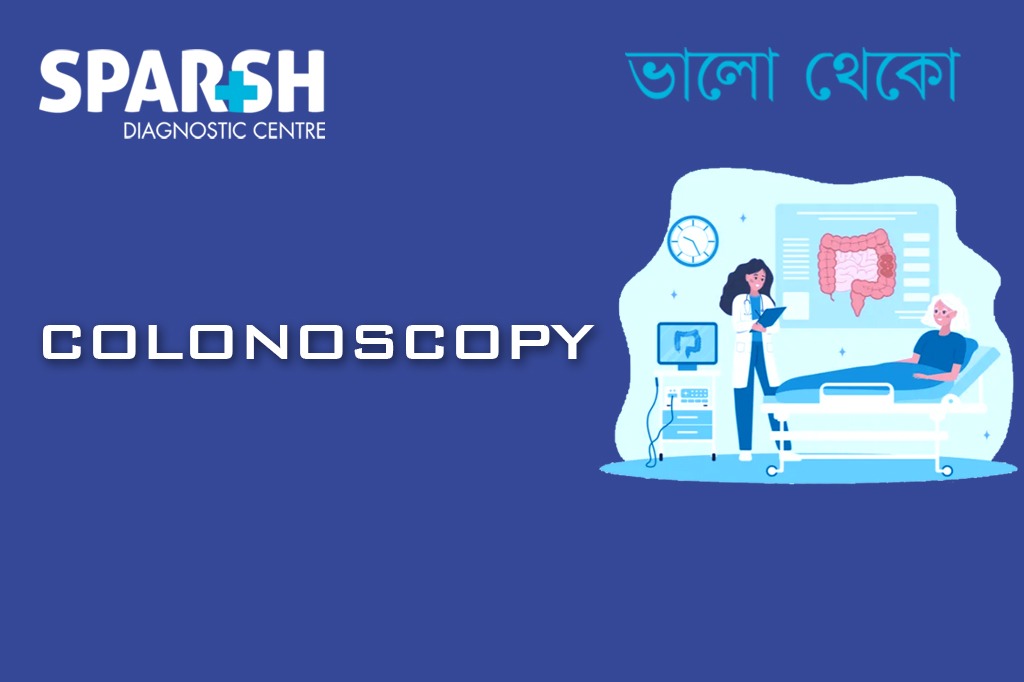
A colonoscopy is a medical procedure that allows a gastroenterologist to examine the inner lining of the colon and rectum using a long, flexible tube called a colonoscope.
The colonoscope has:
- A tiny high-definition camera
- A light source
- Channels for inserting specialized instruments
- A system that allows the doctor to remove tissue or polyps if needed
The camera transmits real-time images to a monitor, allowing the doctor to carefully inspect the colon for abnormalities.
Unlike imaging tests that only provide pictures, a colonoscopy enables doctors to diagnose and treat certain conditions during the same procedure.
Why Is a Colonoscopy Performed?
Your doctor may recommend a colonoscopy for several reasons.
1. Colorectal Cancer Screening
Routine screening is the most common reason.
A colonoscopy can detect:
- Precancerous polyps
- Early-stage colorectal cancer
- Small lesions before symptoms appear
Early detection dramatically improves treatment success.
2. Investigating Digestive Symptoms
Doctors may recommend the procedure if you have:
- Persistent abdominal pain
- Chronic diarrhea
- Chronic constipation
- Blood in the stool
- Unexplained weight loss
- Iron-deficiency anemia
- Changes in bowel habits
3. Monitoring Existing Conditions
Patients with inflammatory bowel diseases such as:
may require regular colonoscopies to monitor inflammation and detect complications.
4. Surveillance After Previous Polyps
If you’ve had polyps removed before, repeat colonoscopies help ensure that new growths are detected early.
What Conditions Can a Colonoscopy Detect?
A colonoscopy can diagnose or identify:
- Colorectal cancer
- Colon polyps
- Diverticulosis
- Diverticulitis
- Ulcerative colitis
- Crohn’s disease
- Intestinal bleeding
- Hemorrhoids (indirectly)
- Colon ulcers
- Infections
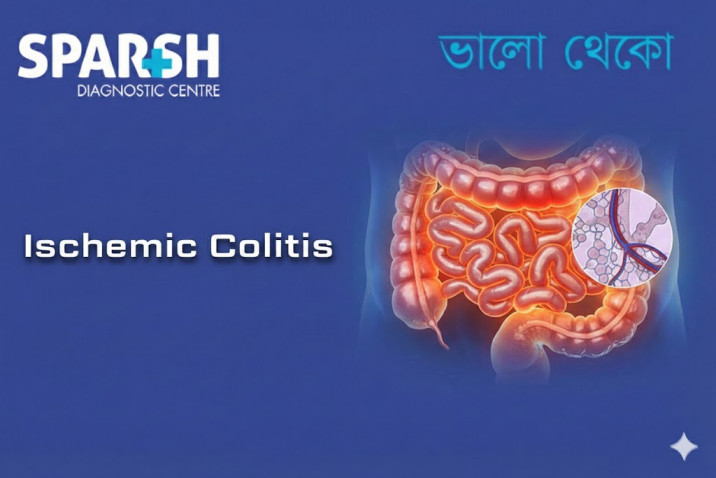
- Ischemic colitis
- Narrowing (strictures) of the colon
Who Should Get a Colonoscopy?
Average-risk adults are generally advised to begin colorectal cancer screening at 45 years of age, although the recommended age and screening interval may vary depending on your personal and family medical history.
Earlier screening may be recommended if you have:
- Family history of colorectal cancer
- Family history of colon polyps
- Inflammatory bowel disease
- Genetic conditions such as Lynch syndrome
- Familial adenomatous polyposis (FAP)
Your doctor will determine the appropriate screening schedule based on your risk factors.
Preparing for a Colonoscopy
Preparation is often considered the most challenging part of the process, but it is essential.
A clean colon allows the doctor to clearly see the lining and detect even tiny polyps.
A Few Days Before
Your doctor may ask you to:
- Avoid high-fiber foods
- Stop certain medications temporarily
- Adjust blood thinners if necessary
- Discuss diabetes medications
Always follow your doctor’s instructions regarding medications.
The Day Before
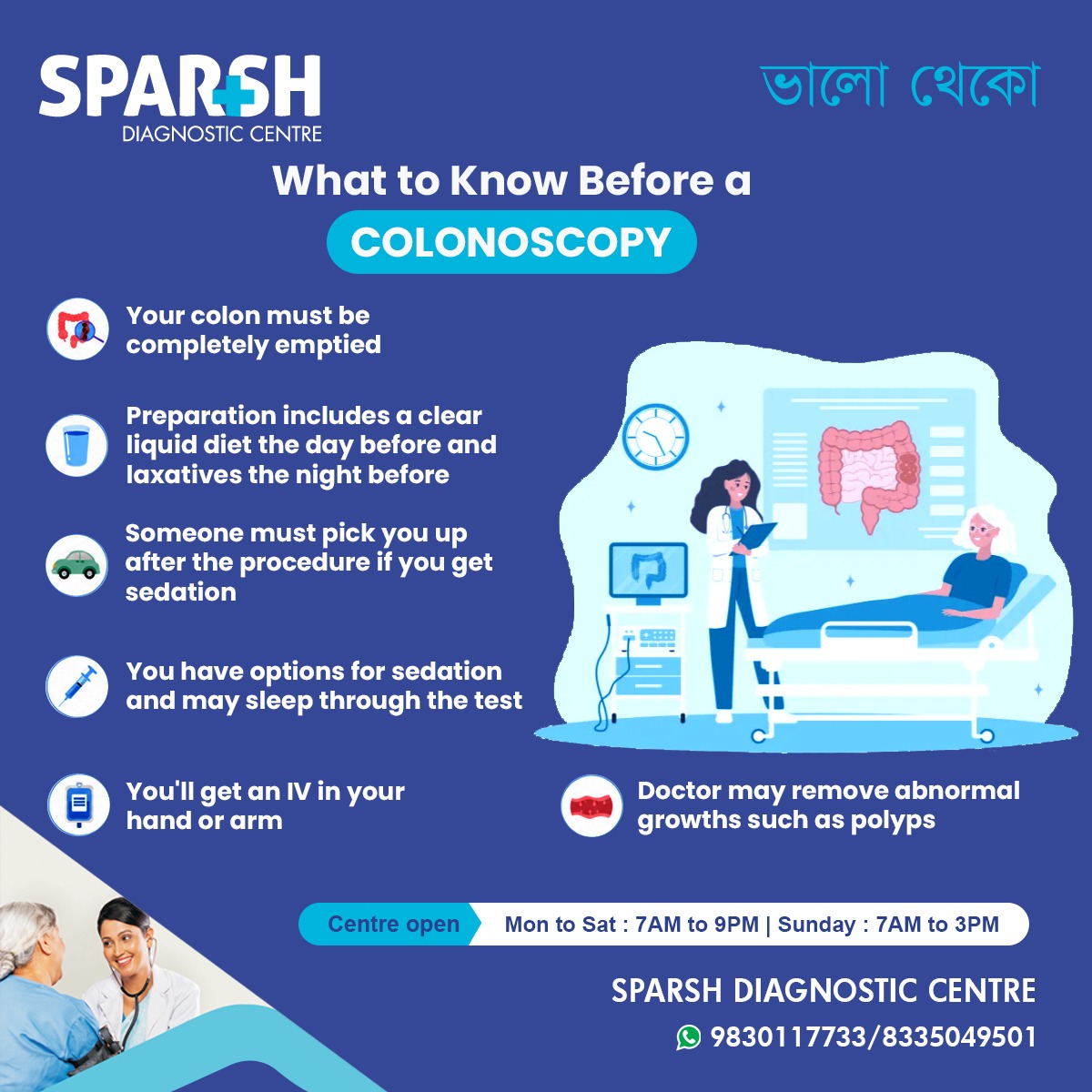
Most patients switch to a clear liquid diet.
This usually includes:
- Water
- Clear soups
- Apple juice
- Coconut water
- Black coffee (without milk)
- Tea
- Gelatin
- Oral electrolyte drinks
Avoid:
- Solid food
- Alcohol
- Red or purple-colored drinks
- Milk products
Bowel Preparation
The evening before the procedure, you’ll drink a prescribed laxative solution.
Its purpose is to completely empty the colon.
Frequent bowel movements are expected.
Although the preparation can be inconvenient, it is one of the most important steps for ensuring an accurate examination.
What Happens During a Colonoscopy?
On the day of the procedure:
Before the Procedure
- You change into a hospital gown.
- A nurse inserts an IV line.
- Vital signs are monitored.
- Sedation or anesthesia is administered if appropriate.
During the Procedure
The doctor gently inserts the colonoscope through the rectum.
Small amounts of air or carbon dioxide are introduced to expand the colon for better visibility.
The doctor carefully examines the lining while slowly advancing and withdrawing the scope.
If polyps are found, they can often be removed immediately.
Small tissue samples (biopsies) may also be collected.
Is Colonoscopy a Painful Process?
This is one of the most common concerns.
Fortunately, most people experience little to no pain during a colonoscopy.
Many patients receive sedation, making them relaxed or asleep throughout the procedure. Others may remain awake with light sedation but usually feel only mild pressure, cramping, or bloating as the scope moves through the colon.
After the procedure, some people experience temporary gas or abdominal discomfort due to the air introduced into the colon. This typically resolves within a few hours.
For most patients, the bowel preparation beforehand is considered more uncomfortable than the colonoscopy itself.
How Long Will a Colonoscopy Take?
The actual procedure usually takes 20 to 45 minutes, depending on several factors, including:
- Whether polyps are removed
- The anatomy of the colon
- Whether biopsies are taken
- The reason for the examination
However, you should plan to spend 2 to 3 hours at the healthcare facility to allow time for preparation, sedation, the procedure itself, and recovery before you are discharged.
Can Polyps Be Removed During the Procedure?
Yes.
One of the biggest advantages of colonoscopy is that treatment can often happen immediately.
Doctors may remove:
- Small polyps
- Larger polyps
- Suspicious tissue
The removed tissue is sent to a laboratory for microscopic examination.
Removing precancerous polyps significantly reduces the future risk of colorectal cancer.
What Happens After the Procedure?
Following a colonoscopy:
- You’ll rest in a recovery area.
- Medical staff monitor your recovery.
- Mild bloating or gas is common.
- Most patients go home the same day.
If sedation was used, you should not:
- Drive
- Operate machinery
- Make important decisions
- Drink alcohol
Someone should accompany you home.
Can I Eat Normally After a Colonoscopy?
In most cases, yes.
Once the sedation has worn off and your doctor confirms there were no complications, you can gradually return to your regular diet.
Many people begin with light foods such as:
- Soup
- Rice
- Toast
- Yogurt
- Bananas
After that, you can usually resume your normal meals unless your doctor provides specific dietary restrictions.
If large polyps were removed, your physician may recommend avoiding certain foods for a short period while your colon heals.
Drinking plenty of fluids is also important after bowel preparation to replace lost fluids.
Is It Serious If You Need a Colonoscopy?
Not necessarily.
Being advised to undergo a colonoscopy does not automatically mean you have cancer or another serious disease.
Doctors recommend colonoscopies for many reasons, including routine screening, evaluating symptoms, monitoring existing conditions, or following up after previous findings.
In fact, many colonoscopies are completely normal.
Even when polyps are discovered, most are non-cancerous. Detecting and removing them early is exactly why the procedure is so valuable—it can prevent colorectal cancer before it develops.
Is a Colonoscopy Only for Cancer?
No.
Although colorectal cancer screening is one of its most important uses, a colonoscopy helps diagnose many other digestive disorders.
It can identify:
- Inflammatory bowel disease
- Ulcers
- Polyps
- Bleeding sources
- Infections
- Diverticular disease
- Chronic diarrhea
- Unexplained abdominal pain
- Changes in bowel habits
In many cases, it provides answers that other imaging tests cannot.
Are There Any Risks?
Colonoscopy is considered very safe.
However, as with any medical procedure, rare complications may occur.
Potential risks include:
- Bleeding
- Perforation of the colon
- Infection
- Adverse reaction to sedation
- Temporary abdominal discomfort
Serious complications are uncommon, especially when the procedure is performed by experienced specialists.
Benefits of Colonoscopy
The benefits far outweigh the risks for most patients.
Advantages include:
- Early detection of colorectal cancer
- Prevention through removal of precancerous polyps
- Accurate diagnosis of digestive disorders
- Ability to perform biopsies immediately
- No surgical incision required
- Same-day discharge in most cases
Tips for a Smooth Colonoscopy Experience
To make the process easier:
- Carefully follow bowel preparation instructions.
- Drink plenty of approved clear fluids.
- Arrange transportation home.
- Wear comfortable clothing.
- Inform your doctor about all medications.
- Ask questions if you’re unsure about any step.
Proper preparation leads to a more accurate examination and may prevent the need to repeat the procedure.
When Should You Call Your Doctor After a Colonoscopy?
Contact your healthcare provider immediately if you experience:
- Severe abdominal pain
- Heavy rectal bleeding
- Persistent vomiting
- Fever
- Chills
- Dizziness
- Difficulty breathing
These symptoms are uncommon but require prompt medical attention.
Frequently Asked Questions (FAQs)
1. Is colonoscopy a painful process?
No. Most people experience little or no pain because sedation is commonly used. Some may feel mild pressure, cramping, or bloating during or shortly after the procedure, but significant pain is uncommon.
2. Is it serious if you need a colonoscopy?
Not necessarily. A colonoscopy is often recommended as a routine screening test or to investigate digestive symptoms. Many people have normal results, and even if polyps are found, they are often benign and can be removed before becoming cancerous.
3. How long will a colonoscopy take?
The procedure itself usually takes 20 to 45 minutes, but you should expect to spend about 2 to 3 hours at the facility, including preparation and recovery time.
4. Is a colonoscopy only for cancer?
No. Colonoscopy is used to diagnose and monitor many conditions, including colon polyps, inflammatory bowel disease, diverticular disease, intestinal bleeding, chronic diarrhea, and unexplained abdominal pain—not just colorectal cancer.
5. Can I eat normally after a colonoscopy?
Yes. Most people can return to their normal diet once the sedation wears off, unless their doctor advises otherwise. Starting with light meals and drinking plenty of fluids can help you recover comfortably.
6. How often should I have a colonoscopy?
For people at average risk, screening generally begins at age 45, with follow-up intervals depending on the findings. Your doctor will recommend a schedule based on your age, health, family history, and previous results.
7. Do all colon polyps become cancer?
No. Most colon polyps are benign. However, some types can become cancerous over time, which is why removing them during a colonoscopy is an effective way to reduce the risk of colorectal cancer.
8. Can I go back to work the next day?
Most people can return to normal activities the following day. If you had sedation, avoid driving, operating machinery, or making important decisions until its effects have completely worn off.
A colonoscopy is a safe, highly effective, and potentially life-saving procedure that plays a vital role in preventing and detecting colorectal cancer while also helping diagnose a wide range of digestive disorders. Although many people feel anxious beforehand, the procedure is generally well tolerated, and most patients are pleasantly surprised by how straightforward the experience is.
The key to a successful colonoscopy lies in proper preparation and following your doctor’s instructions carefully. If your healthcare provider recommends this test, think of it as an important investment in your long-term health rather than something to fear. Early detection and timely treatment can make a significant difference, often preventing serious illness before it has a chance to develop.